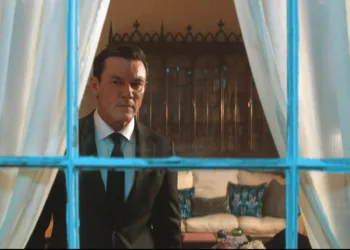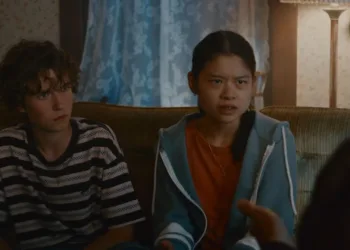






















Philip Cairney saves a peculiar piece of testimony for the end of his first episode: a man says the murdered woman urged him to contact the police. According to his account, Dorothy Lou Thompson’s ghost flung open a heavy door and demanded action. Placing this story at the episode break gives The Pet Cemetery Murders: A Ghost Story an effective hook. An episode hook leaves something unfinished so we want to return; this one changes the question we return with. We now have to consider how an investigation handles someone whose explanation sounds impossible.
The account becomes harder to dismiss as a passing eccentricity when another witness describes a supernatural encounter and supplies information about the killing. Detective John Doran’s commitment to evidence gives these stories a useful counterweight.
A witness can possess relevant information while offering an unconvincing explanation for its origin. Cairney gives the speakers time to express their beliefs, allowing us to hear the human account before deciding what weight it deserves. I found that space for curiosity valuable. Listening to someone need not settle the truth of everything they say.
Thompson’s death already presented investigators with a difficult collection of facts and rumors. In 1985, her body was recovered from the Mississippi River, bound in chains. She owned a pet cemetery in Toca, in Louisiana’s St. Bernard Parish, near New Orleans, and had lived through abusive relationships and addiction.
Stories circulated about money supposedly concealed in the cemetery’s graves, while suspicions concerning the deaths of her husbands complicated accounts of her life. The three-part HBO documentary assembles these possibilities through archival news material and interviews. Each new account requires the viewer to separate what someone knows from what they have heard.
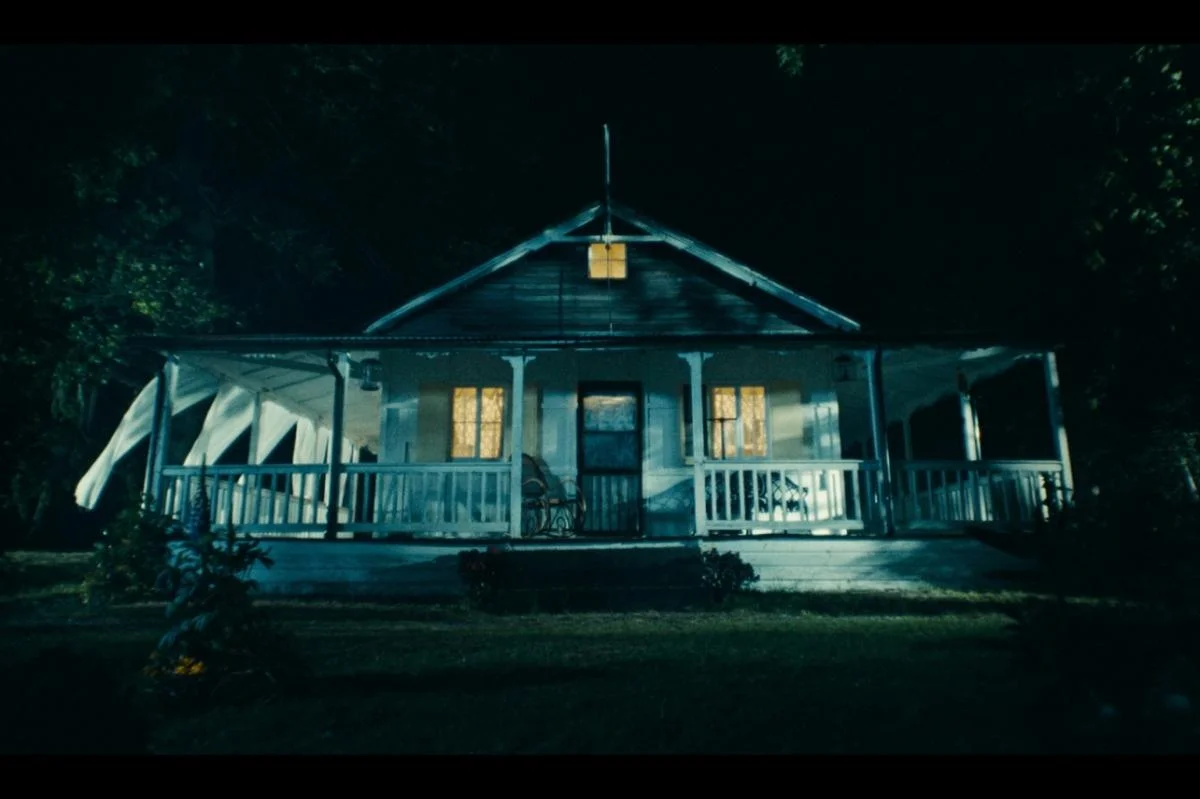
The cemetery gives that process a striking physical setting. Memorial statues of pets remain reminders of the care people once invested there, even as the property’s deterioration unsettles the image.
Cairney’s hazy photography and views of bayous and marshes make the surroundings feel damp and difficult to read. Atmosphere is built through such choices: the condition of a location, the texture of its images, and the time a film allows us to spend looking. Here, those choices help explain how stories of a restless presence could take hold among people already living with an unresolved death.
Hurricane Katrina makes the landscape’s vulnerability materially relevant to the investigation. The storm damaged the cemetery and destroyed retained evidence, restricting what investigators could establish years after the murder. That connection gives the environmental imagery a purpose beyond setting an eerie mood.
Water belongs to the circumstances of Thompson’s death and to the later loss of information about it. The images invite apprehension, but the damaged evidence provides a specific reason for uncertainty. Cairney is most persuasive when the atmosphere remains attached to obstacles of this kind.
His historical interludes attempt to extend that understanding of place. The series addresses the 1868 St. Bernard Parish Massacre, in which formerly enslaved Black residents were killed, and includes Indigenous accounts of ancestral slaughter and enslavement.
One Indigenous interviewee challenges the idea that his people cursed the land, assigning responsibility to those who committed the violence. It is an important intervention because it changes the meaning of the supernatural language surrounding the area. A story about a curse can obscure the people who acted; his response restores them to the account.
That widening of attention is valuable, although the documentary’s presentation remains fairly conventional. Interviewees sit slightly away from the camera in locations with recognizable local character, including a diner, while archival material supplies the public record.
These are dependable tools. Interviews reveal how events survive in personal memory; the archive shows how they were recorded at the time. Yet the historical passages suggest questions about inherited violence and communal memory that the murder investigation leaves limited room to develop. Cairney establishes their relevance, then returns to the case before those connections receive the same patient attention as the witnesses.
Patience is both the series’ attraction and its difficulty. The interview subjects are allowed to linger in memories and conflicting beliefs, and their accounts make an unusual community accessible without requiring everyone to serve as a source of the next clue.
I appreciated that willingness to let uncertainty remain audible. It also creates a problem across three episodes. The film has enough people and local history to sustain interest, but the investigative developments are less plentiful. Time spent with a speaker can deepen our understanding; it does not always move the inquiry forward.
The shift after episode two makes that limitation clearer. Once interviewees directly accuse the principal suspect, much of the final episode concerns the difficulties of securing accountability. That is a legitimate change in dramatic purpose.
Identifying a suspect and establishing responsibility are separate tasks, especially in a case weakened by unreliable testimony, limited resources, and lost evidence. Still, the change asks the series to sustain a new kind of suspense after its central mystery has narrowed. The final stretch feels thin because the available investigative material cannot consistently support the space allotted to it.
Thompson’s reputation provides a troubling reason to stay attentive even when the case loses momentum. A lawyer describes the difficulties posed by weak witnesses and a victim whose past made her an object of suspicion. The series has already shown how allegations about the cemetery’s hidden money and her husbands’ deaths circulated around her.
Those stories might suggest leads, but they could also influence how urgently her own killing was treated. Cairney’s extended interviews let us hear that reputation taking shape through other people’s accounts. The ghost testimony asks us to imagine Thompson demanding attention after death, while the accounts of investigative delay leave us considering how much attention she was granted without it.
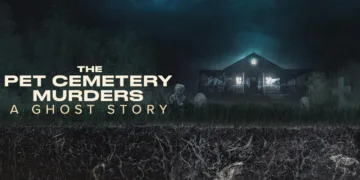
The Pet Cemetery Murders: A Ghost Story premiered on HBO on October 11, 2026. The three-part true-crime documentary series explores the reopening of a mysterious 1985 cold case regarding the murder of a Louisiana pet cemetery owner, intertwining local secrets with uncanny claims of paranormal encounters.
Where to Watch The Pet Cemetery Murders: A Ghost Story Online


Full Credits
Title: The Pet Cemetery Murders: A Ghost Story
Distributor: HBO, HBO Max
Release date: October 11, 2026
Rating: TV-MA
Running time: 50–60 minutes per episode
Director: Philip Cairney
Writers: Philip Cairney
Producers and Executive Producers: Simon Chinn, Jonathan Chinn, Suzanne Lavery, James Marsh, Silvia Sacco, Nancy Abraham, Lisa Heller, Tina Nguyen
Cast: Dorothy Lou Thompson, John Doran
The Review
The Pet Cemetery Murders A Ghost Story
Cairney makes room for unusual witnesses without asking us to accept their supernatural explanations. The cemetery, damaged evidence, and local histories give the investigation texture, while patient interviews reveal how belief shapes people’s accounts. I found that curiosity rewarding, even when the limited case material strained the three-episode format. The historical passages deserve deeper attention, but the series remains absorbing through its careful distinction between listening and believing.
PROS
- Patient interviews accommodate conflicting memories and beliefs.
- Ghost testimony creates an effective episode-ending hook.
- Landscape and cemetery imagery connect atmosphere to the investigation.
- Historical testimony challenges simplistic explanations about curses.
CONS
- Limited investigative material stretches the three-episode format.
- Historical connections receive less development than witness accounts.