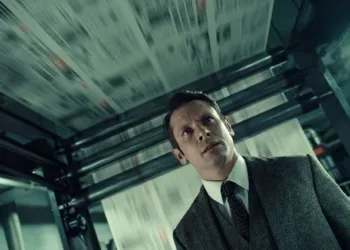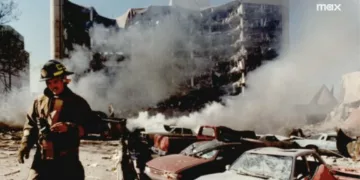

















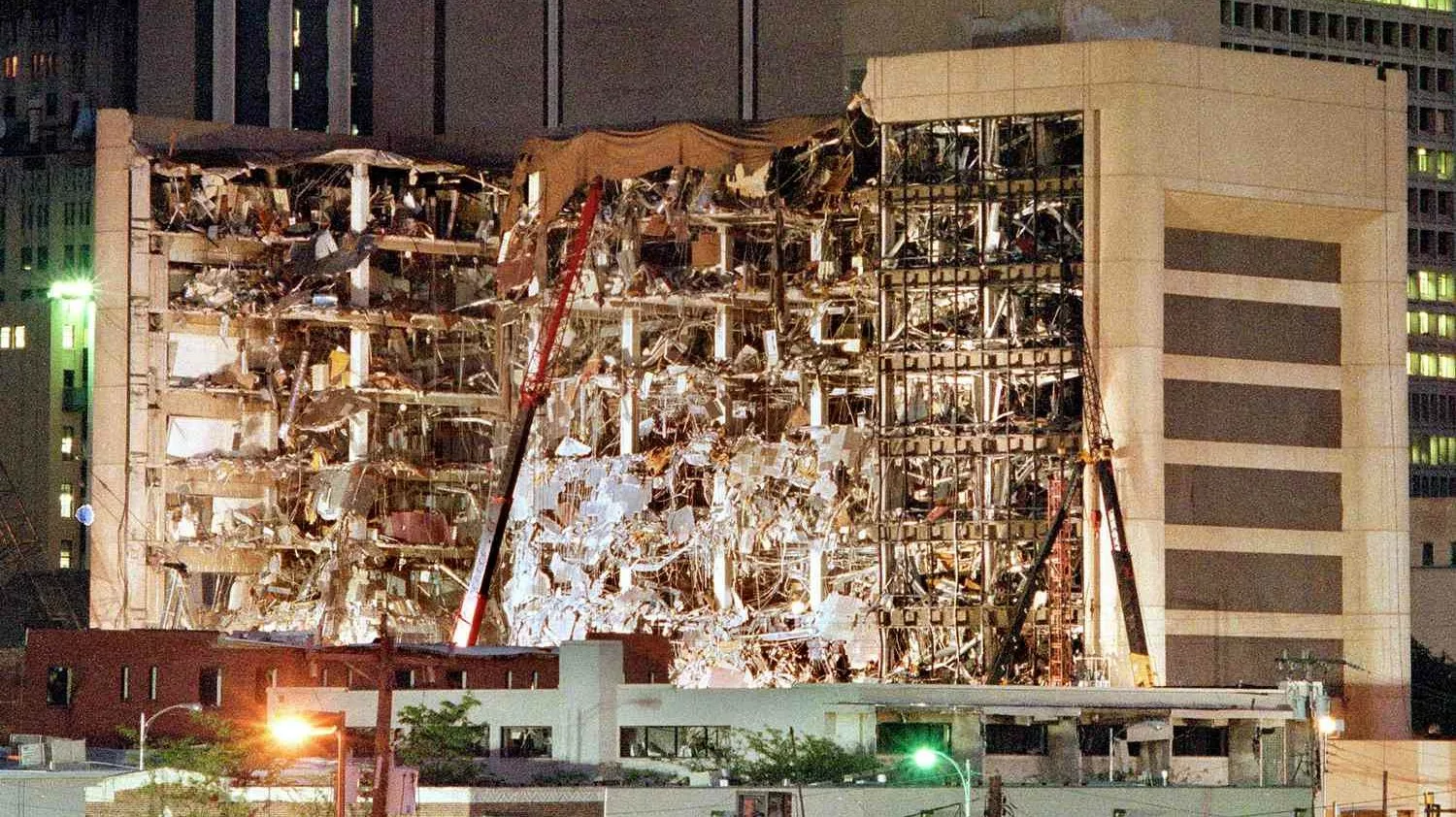
America’s heartland experienced an unfathomable shock in 1995 as the Alfred P. Murrah Federal Building in downtown Oklahoma City was bombed, devastating the lives of countless local families. Nearly three decades on, An American Bombing reopens this painful chapter through sobering archival images and moving testimonies from those forever altered by the tragedy. Beyond dissecting the harrowing details, director Marc Levin casts a critical eye on how domestic terrorism becomes possible, pushing audiences to contemplate how political rifts rip communities apart and what allows hatred to take root.
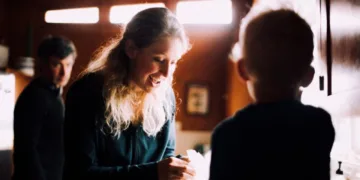
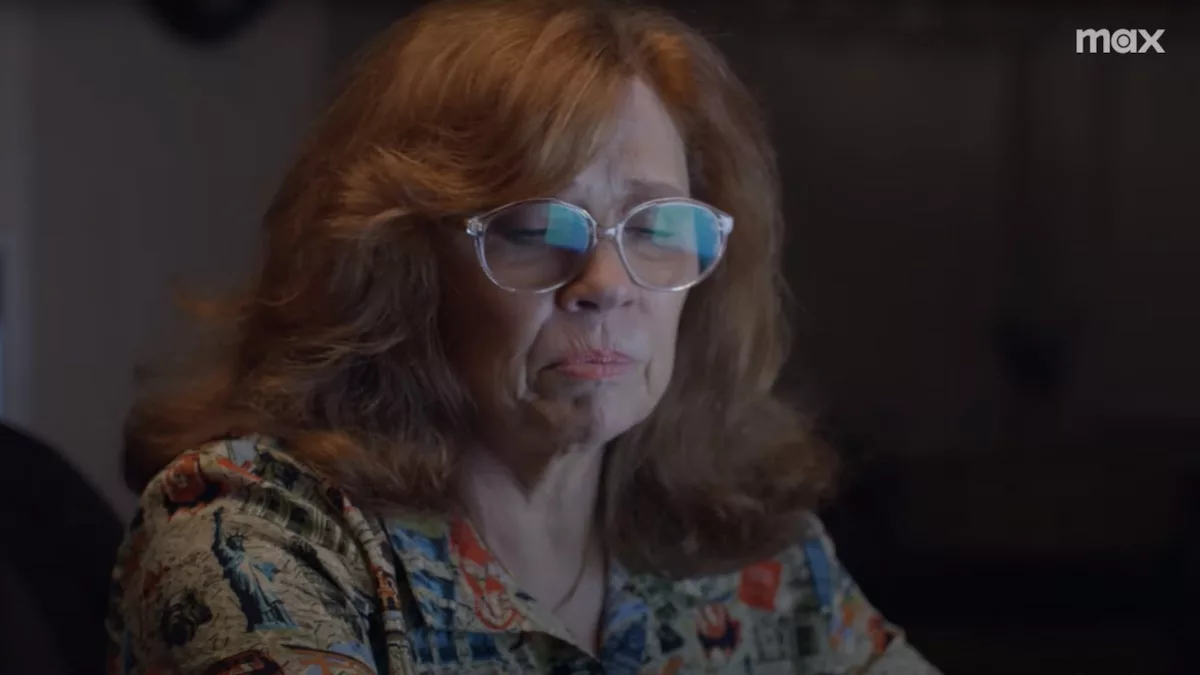
The documentary begins by taking viewers into the routine morning of Kathy Sanders, whose world was shattered upon learning her two young grandsons were among the 19 children killed at the daycare center. From this gut-wrenching introduction, we then learn the attack was carried out by Gulf War veteran Timothy McVeigh, who sought retribution against the federal government. Beyond profiling McVeigh’s disturbing actions and mindset, the film digs deeper to reveal how disaffected individuals become radicalized during times of turmoil. Levin guides viewers through the political climate of the 80s and 90s to shed light on the powder keg of anxieties and resentments quietly simmering beneath Oklahoma’s pastoral plains.
We witness the farm crisis that battered rural livelihoods and the wave of anti-Washington sentiment stoked by extremist groups, profiting off real grievances to spread their toxic ideologies. The deadly standoffs at Ruby Ridge and Waco are depicted as radicalizing events for McVeigh and others spoiling for a fight. Through its thorough reconstruction of the socio-political circumstances leading up to that devastating April morning, An American Bombing leaves audiences with a sobering reminder of how easily hate can hijack hope when communities fracture along partisan lines. While the specifics fade with time, its urgent message becomes ever more prescient.
Understanding Extremism Through Tragedy
The HBO documentary An American Bombing walks viewers through the devastating Oklahoma City bombing of 1995 and its complex origins. We learn how Gulf War veteran Timothy McVeigh came to commit this horrific act of domestic terrorism through a series of radicalizing experiences.
The film starts on the morning of April 19th, introducing us to Kathy Sanders, who lost two young grandsons in the daycare bombing. From there, it takes us back to McVeigh’s military service and the psychological impact of combat. Experts discuss how disaffected veterans were particularly vulnerable to recruitment by extremist groups.
We see McVeigh immerse himself in the growing militia movement of the 1990s. Events like the standoffs at Ruby Ridge and Waco stoked anger toward the government and helped spread anti-authority ideologies. Through interviews and footage, the film paints a picture of frustrated Americans connecting at gun shows and stockpiling weapons.
By delving into the farm crisis of the 1980s, we gain insight into the real economic pressures that extremist ideologues took advantage of. They exploited resentments and stoked fears of lost liberty. The documentary illuminates how racism, antisemitism, and anti-government paranoia fused together under events at places like the Covenant, the Sword, and the Arm of the Lord compound.
McVeigh picked the anniversary of Waco to carry out his bomb plot in downtown Oklahoma City. Terrifying archival footage and emotional testimony capture the human cost of his bombing of the Alfred P. Murrah Federal Building. While McVeigh was brought to justice, the film asserts he was part of a larger radical movement, not a lone actor.
Through interviews with officials, journalists, and even former extremists, it pieces together how militant conservative ideologies have spread over decades. By comparing modern divisions to the culture wars of the 1990s, the film drives home that extremism remains a threat when communities fracture along political lines.
Following the Flames of Extremism
The documentary delves deep into the roots of American extremism that Timothy McVeigh was entwined in. It traces the movement back through distinct “waves” that gathered strength over decades.
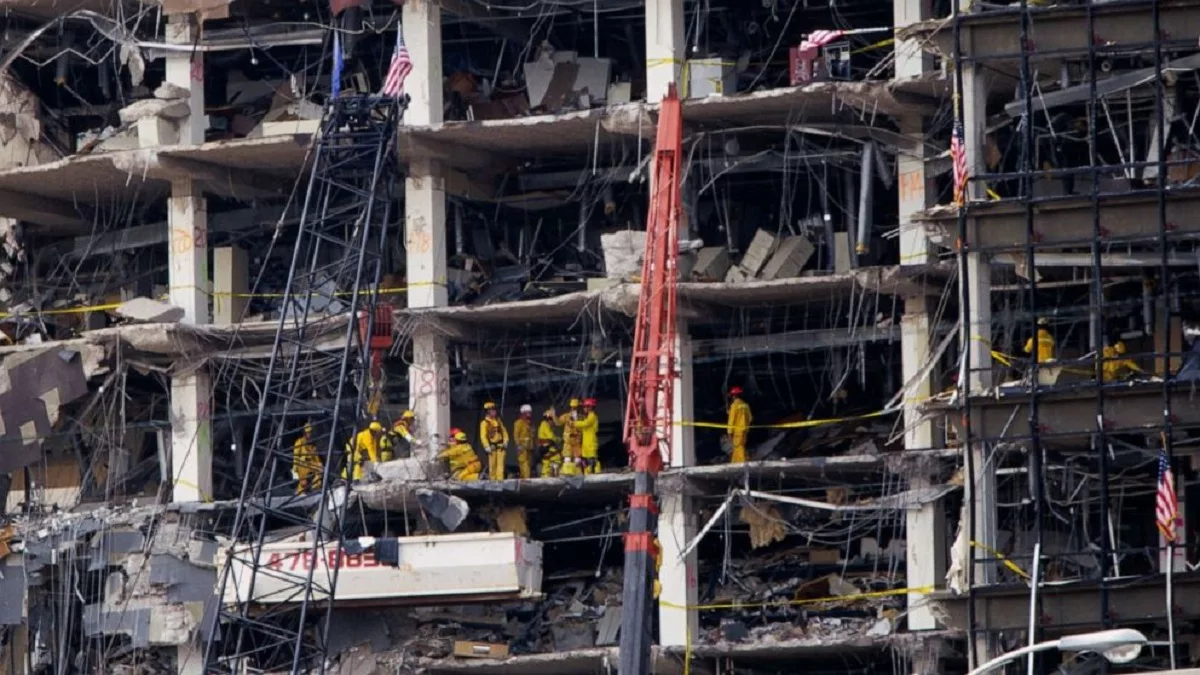
In the 1980s, the first wave arose from hard times in rural communities. Those years saw a crushing farm crisis as low crop prices overwhelmed struggling small producers. Thousands lost their land amid the economic turmoil. Their grievances were real, but they were also seized on by outsiders pushing a warped agenda. Figures like the notorious militia leader at the Covenant and the Sword and Arm of the Lord compound radicalized disappointed souls with apocalyptic rhetoric.
It was a breeding ground for growing anti-government sentiment. Groups began amassing weapon stockpiles, preparing for what they saw as a looming battle with the authorities. The merging of racial hatred and “patriot” paranoia created a toxic brew. Extremist leaders like Louis Beam helped advance the strategy of “leaderless resistance,” where loosely knit cells take independent violent action. This let the movement spread widely yet maintain a denial of top-down coordination.
By the early 90s, the waves had crested into the era that immediately preceded McVeigh’s bombing. Key events like Ruby Ridge and Waco inflamed tensions to a boil. Both involved bloody standoffs between heavily armed extremists and federal agents that left people dead. For the growing militia movement, they seemed to confirm their narrative of tyrannical overreach. McVeigh was directly influenced by Waco and took up the cause of violent retaliation. He came to see civilians simply as collateral in his warped “revolution.”
The film traces how a complex web of political, social, and economic strains can be hijacked and twisted towards violence. It profiles the demagogues who manipulate others’ resentments for radical ends. And through it all, we glimpse how the tides of extremism that engulfed Tim McVeigh continue to shape America today, if in altered forms. The roots of anger and division remain, requiring ongoing vigilance against those who would fan the flames.
The Riots of Heart and Mind
The film delves deeply into what drove Timothy McVeigh to commit such a heinous act. We see he was a Gulf War veteran who left the military bitter and adrift, suffering from what we’d now understand as PTSD. Locked in mental anguish, he found purpose in dark places—in anti-government militias and their talk of violent uprisings.
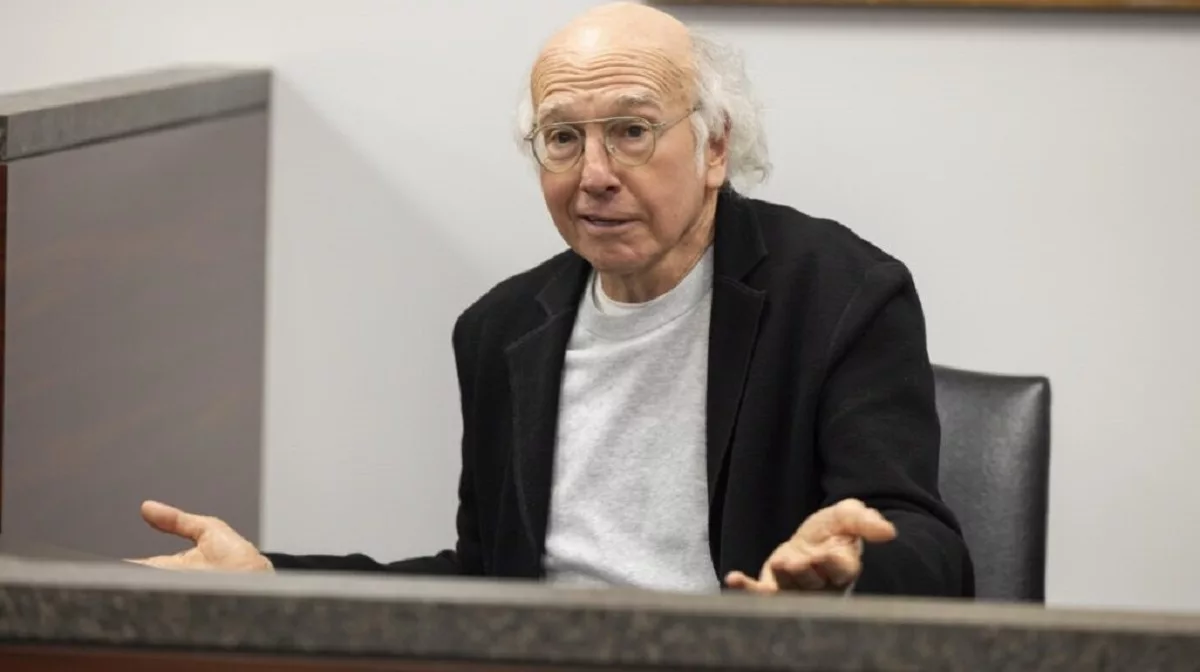
McVeigh was also fiercely dedicated to gun rights and resented any limits on firearms. Friends note that he exploded at any insult to his sense of patriotism. Through it all, his mind seemed to be crumbling under its own weight. Events like Ruby Ridge and Waco twisted these complexes of fear and rage into something menacing. By 1995, he was coiled and ready to strike.
Yet for all the profiling of McVeigh’s motives, the film rightly keeps victims’ testimony at the forefront. We see through survivors like Kathy Sanders the toll on ordinary lives—lives now forever scarred by having loved ones stolen without reason in a blast of smoke. Her loss of two young grandsons and others, like little Julianna Marie Welch, put human shape to the toll of 168 killed.
And through it all, from Clinton on down, there’s a sense that this dark tide of fringe thought has only strengthened its pull. Once-ratcheting rhetoric now storms the highest halls of power without shame. Even in death, McVeigh seems to have triumphed—his twisted logic taken as gospel by crowds willing the flames of division higher. It’s a sobering glimpse of how the violent rips of the heart can overwhelm the wise workings of the mind.
Ripples Through Time
This documentary sets out to directly confront some uncomfortable truths about the roots of events like Oklahoma City and their echoes today. It demands we connect more dots between the past and present.
A major theme is how anti-government sentiment flourished, fueled by very real economic struggles yet ultimately hijacked by hateful forces. We see desperate farmers sucked into militias not out of madness but out of misery, then misled down dark paths. Their grievances were real, yet some leaders used this to spread racist agendas and call for violence instead of change.
This toxic mix simmered for years. And we glimpse its human toll—in lives broken by Waco and Ruby Ridge and veterans damaged by war, like McVeigh, who found solace in ideals of destruction.
The film shows clearly how Oklahoma City, far from an isolated act, grew from this toxic soil. And in discussing echoes like January 6th, it issues a stark warning. Certain speeches now heard in high places once seemed unthinkably radical, but they spread and spread.
Some key criticisms are also laid out. We allowed the convenient “lone wolf” narrative to distract from uncomfortable collective failings. And that real reckoning and reform did not come, meaning the same anger dynamics endured and evolved into new forms.
There are no easy answers presented—just an unflinching look at ripples through time. And a call to truly listen to the economic distress and cultural frustrations fueling so much rage, yet constantly dismissed and redirected into hatred. Unless change addresses roots as well as branches, history makes clear the bitter fruits that can follow. It’s a message to consider long after the credits roll.
Weaving a Tapestry of Terror
This documentary presents a sprawling story, deftly blending different modes of storytelling into a cohesive whole. Levin utilizes a wide range of sources that each bring their own pieces to the puzzle.
Archive footage from the day is unflinching yet essential to comprehending the raw fear and confusion. Hearing survivor accounts grants humanity to statistics. Revisiting scenes helps one feel plunged into that horrific morning.
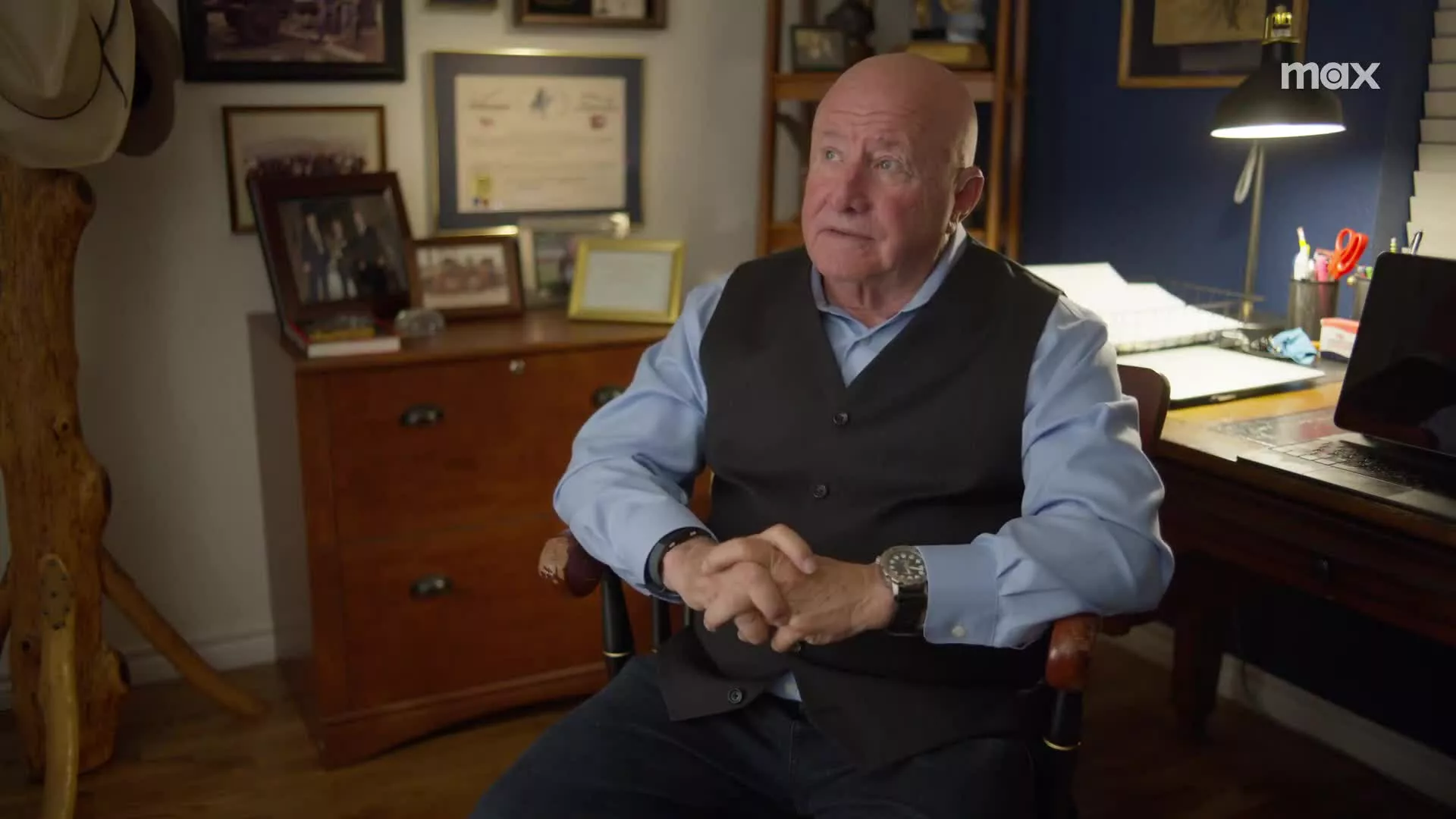
Levin pairs this with thoughtful interviews for a broader context and implications. Experts offer historical analysis of anti-government movements’ evolution. Insider perspectives, from an ex-military member to Clinton, shed light seldom exposed.
All elements are artfully interwoven through editing. It transitions fluidly between visuals, narratives, and interpretation. One comes to understand not just the bombing itself but how discrete threads interconnected over time.
Even for newcomers to the specifics, it remains compelling. Context is blended seamlessly with personal impact, ensuring even those less familiar can grasp key issues. Subtitles aid in following archival sources.
While tackling complex subject matter, the presentation remains accessible. Through weaving such a tapestry of voices and vantage points, it brings understanding to tragedies that could otherwise feel remote. The final product is greater than the sum of its parts.
In forming such a coherent whole, the director honors victims and ensures their experiences enlighten rather than simply shock or sadden. It is a model for how events layered in history can be unpacked and lessons gleaned.
Remembering to Prevent Future Tragedies
This film provides immense value in helping us understand extremism’s roots and the very real dangers it still poses today. While exploring a dark chapter, An American Bombing does so to shed light rather than spread darkness.
By gaining deeper insight into how McVeigh was radicalized and why anti-government sentiment grew so virulent, we can recognize similar cues emerging now and hopefully intervene before violence erupts. The documentary illustrates how disparate grievances and groups united under a toxic ideology, showing we must not only address material hardships fueling radicalization but also battle hateful deceptions spreading among the disaffected.
Most impactful are the perspectives of those forever scarred by that devastating day in Oklahoma City. Their resilience in founding understanding from tragedy reminds us how hatred is conquered through compassion. As grief clearly still weighs heavily on those lands even decades later, their call for reflection on extremism’s costs remains one America would be wise to heed.
With political polarization appearing now to mirror some dynamics preceding that bombing, this film’s message is perhaps timelier than ever. By learning from mistakes of the past, may we choose wiser paths into the future and work to ensure no community again faces such horrors on its streets. An American bombing offers a somber but necessary lesson on what extremism births when allowed to spread unchecked. Its lessons deserve to be spread as widely as the understanding they impart.
The Review
An American Bombing: The Road to April 19th
An American Bombing takes viewers on a profound journey through the rise of violent anti-government sentiment and the tragic consequences it wrought. While probing deeply unsettling subject matter, director Marc Levin maintains an evenhanded approach that prioritizes understanding over partisanship. By expanding context beyond a single act of terror, the film reveals systemic societal failures that allowed hatred to flourish and reminds us of democratic principles still worth safeguarding. Though demanding to watch, this documentary performs an important service by urging renewed vigilance against threats to peace within our own borders.
PROS
- Thoroughly researched historical examination of the growth of anti-government extremism
- Provides important sociopolitical context around McVeigh's radicalization and the Oklahoma City bombing
- Engaging blend of archival footage, interviews, and narrative storytelling
- Maintains an objective, fact-based lens that avoids overt politicization
CONS
- Some topics were covered expansively with minimal time for full exploration
- Dense subject matter may be overwhelming or off-putting for some
- Primarily focuses on American political issues with potentially less relevance internationally