



















![Kingdom Hearts Collection [I-III] Review](https://gazettely.com/wp-content/uploads/2026/10/Kingdom-Hearts-Collection-I-III-1-360x180.webp "Kingdom Hearts Collection [I-III] Review: KHII Holds Steady as Newer Entries Fluctuate 33")







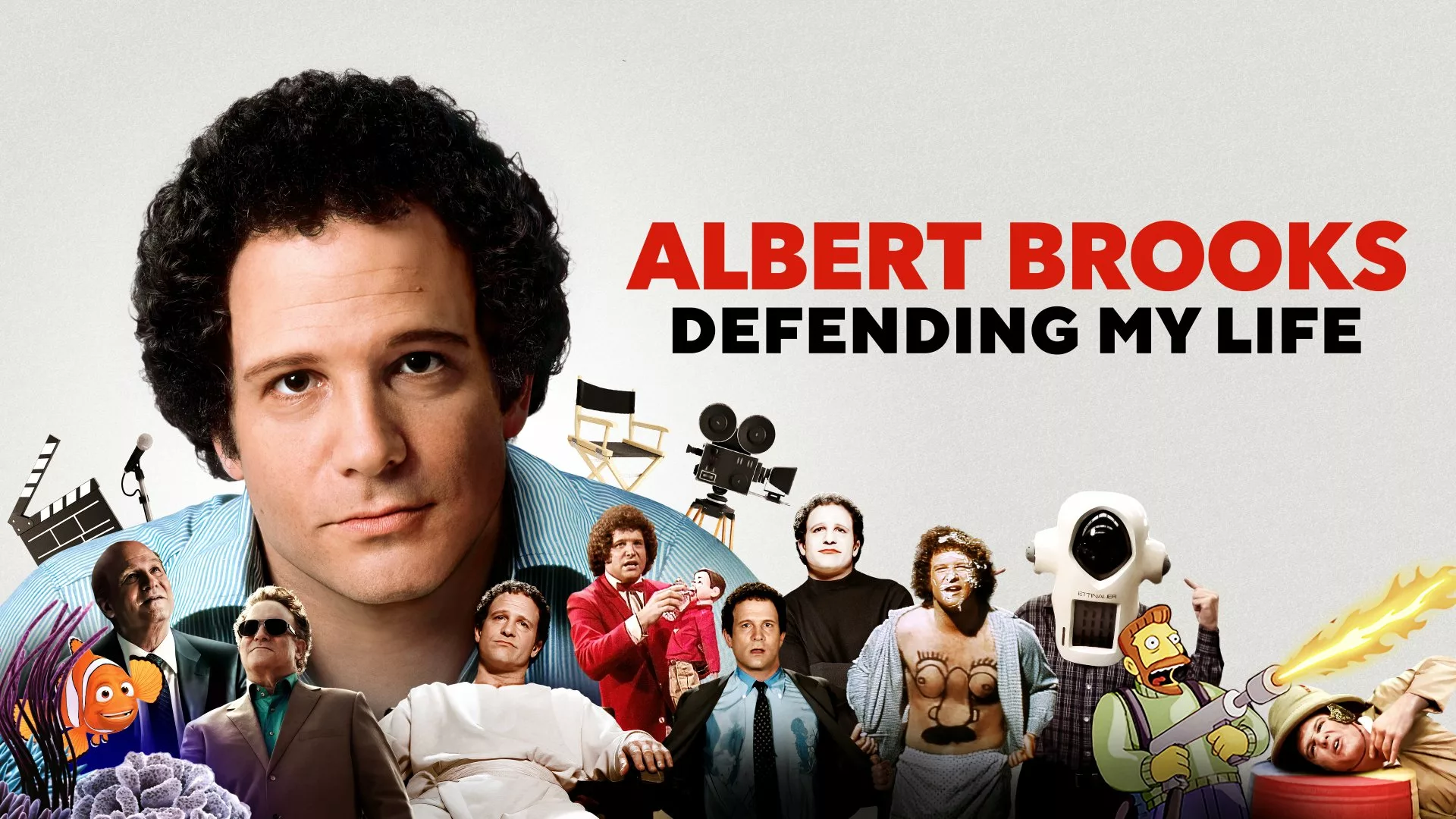

Albert Brooks looms large in the landscape of American comedy. As a pioneering stand-up comic who thrived in the 1970s, a writer and filmmaker who brought his satirical eye to the big screen, and a memorable character actor, Brooks has built an astonishing six-decade career spanning every corner of show business. Regarded by many as a true comedic genius, Brooks inspired generations of funny men and women with his unconventional, rule-breaking wit and unrelenting creative vision.
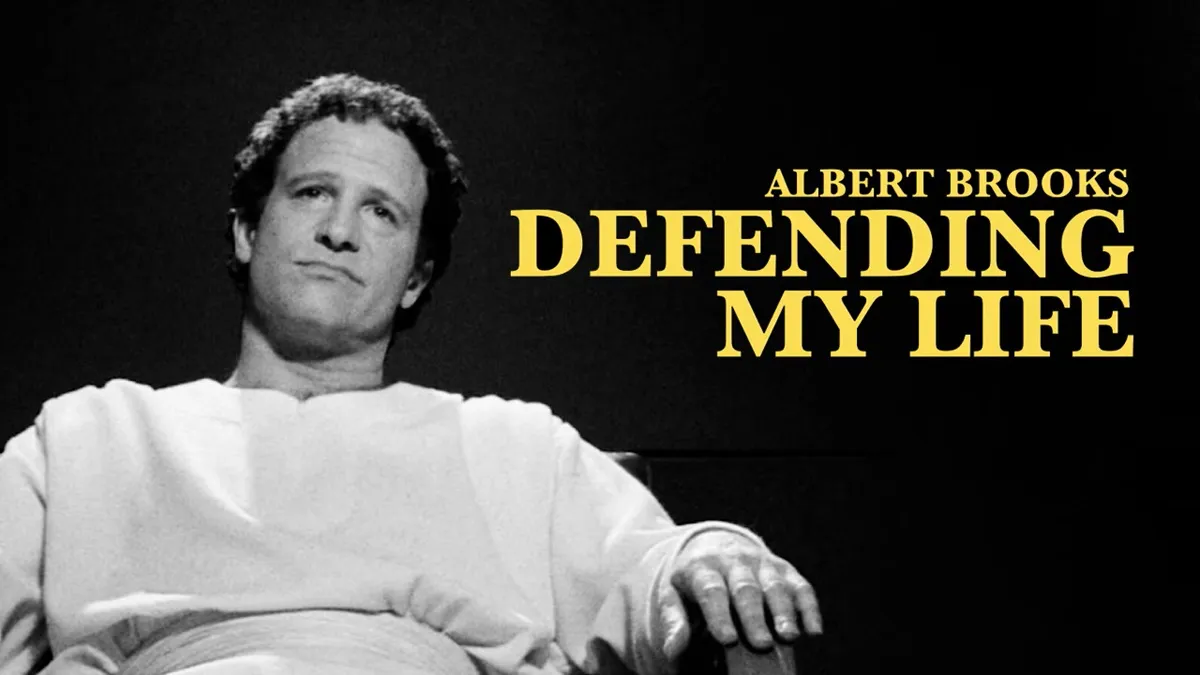
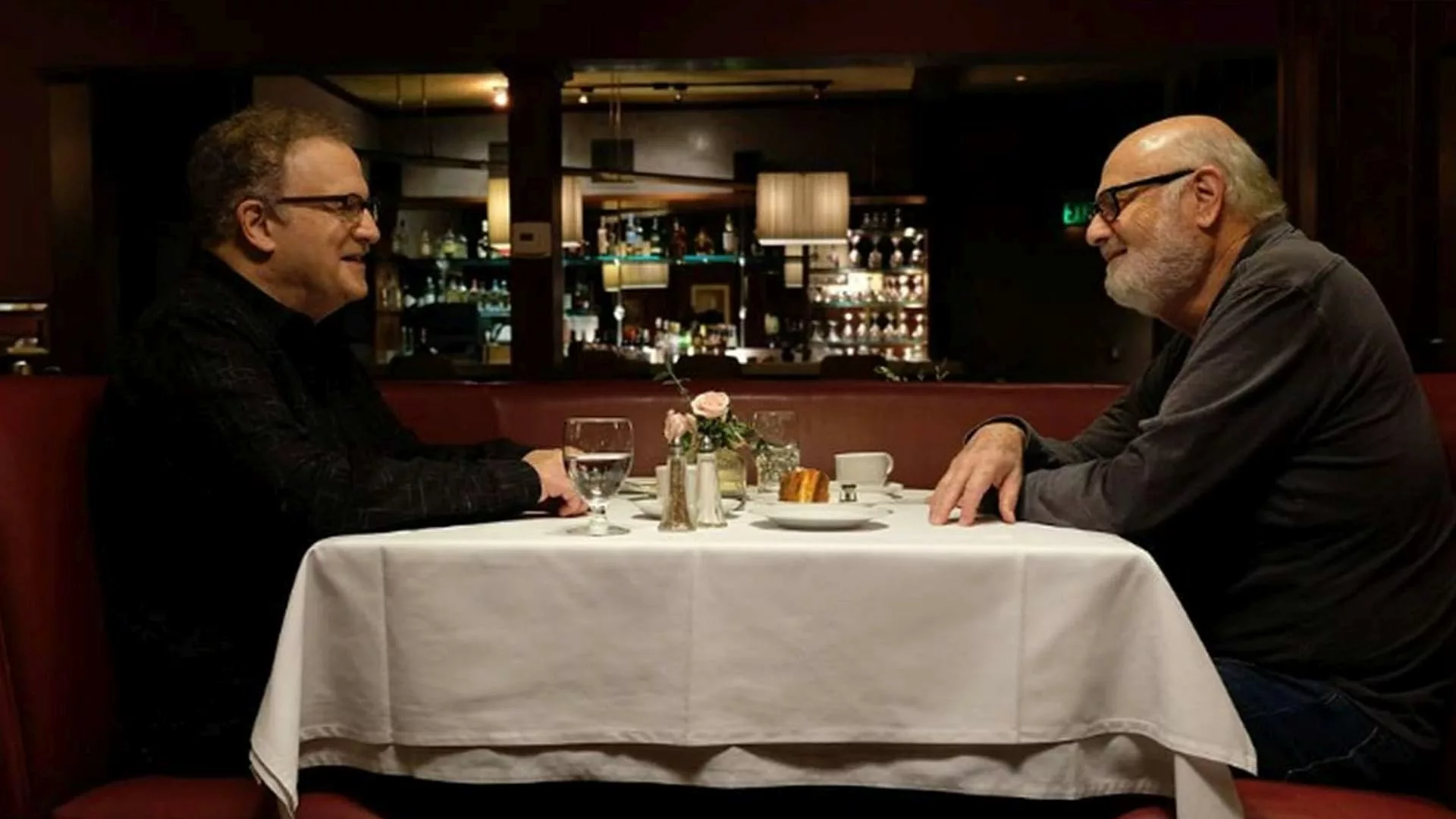
Now, Brooks’ lifelong friend, director Rob Reiner, aims to put Brooks’ seminal career and legacy into context with a new documentary film titled “Albert Brooks: Defending My Life.” Clocking in at a brisk 88 minutes, the documentary combines interviews with Brooks himself along with commentary from a raft of A-list comedians, actors and directors who owe a debt to Brooks’ influence. We see Reiner and Brooks reminiscing in extended conversations over dinner, while interspersed clips and testimonials paint a picture of the comedian’s origins, artistic philosophy, and lasting impact.
For devoted Albert Brooks fans, this documentary will likely be essential viewing, a chance to gain new insight into the enigmatic funnyman through the intimate lens of his 50-year friendship with Reiner. For viewers less familiar with Brooks’ work, the film appears to serve as an affectionate primer on one of comedy’s most ingenious voices, using both admiration and analysis to make the case for Brooks’ unparalleled originality.
As critics and audiences begin streaming “Albert Brooks: Defending My Life” following its premiere on HBO, the question is whether the documentary will satisfy as a comprehensive appreciation of Brooks’ career, or leave some wanting more from this long-overdue retrospective of a stand-up, filmmaker and actor who paved the way for so much of today’s comedy landscape. We dive in to assess if Reiner has done justice to the brilliance of Albert Brooks.
“Get a taste of crime with a twist in our Marmalade review. This film blends the thrill of the heist with the sweetness of romance, proving that love and larceny can be a deliciously dangerous mix.”
The Making of an Anti-Comedian: Brooks’ Unconventional Origins
Long before Albert Brooks became a revered filmmaker and actor, he made a name for himself as a young stand-up comic with a flair for breaking all the rules. Though he grew up immersed in show business as the son of radio comedian Harry “Parkyakarkus” Einstein, Brooks quickly forged his own path by satirizing the very notion of a comedy routine.
Born Albert Einstein (yes, really), Brooks traces his humor to sensibilities formed in childhood, surrounded by Hollywood royalty like the families of Groucho Marx and Carl Reiner. The latter took a young Brooks under his wing, recognizing precocious talents that Reiner raved could make people laugh harder than nearly anything he had witnessed before.
In his teens, Brooks honed conceptual bits like a Houdini-inspired escape act where he pretended to trap himself before “dying” in a gag bag. This avant-garde approach became Brooks’ calling card when he landed on Johnny Carson’s Tonight Show stage in the 1970s. While mainstream comics delivered practiced punchlines, Brooks turned the format upside down with postmodern, expectation-subverting sets that left audiences puzzled but delighted.
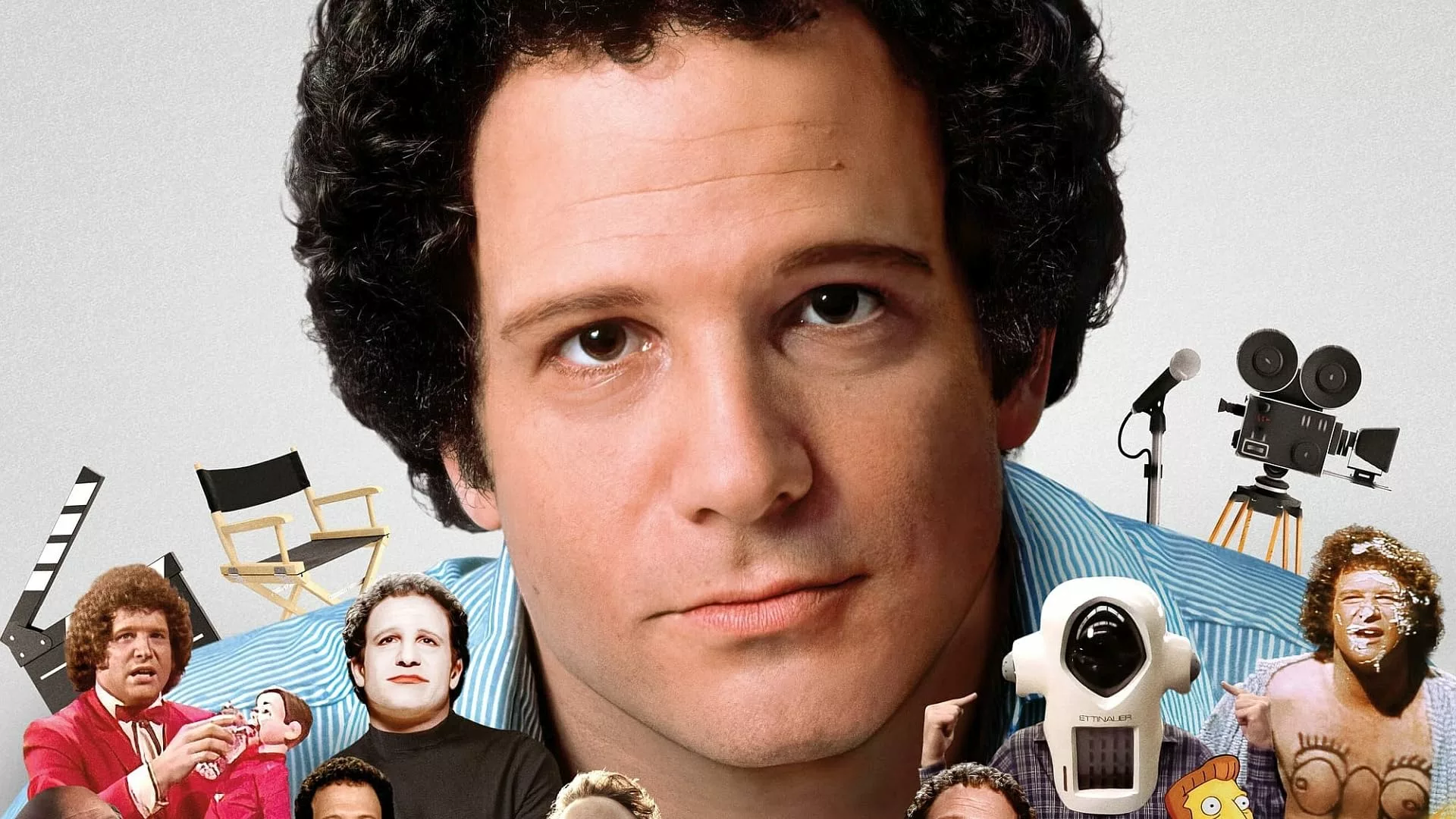
Rather than set up jokes and deliver zinger payoffs, Brooks created comedy almost like performance art pieces. His routine as an inept ventriloquist who made no attempt to hide his lip movements became legendary. So did Brooks’ mime who refused to stay silent, a magician fumbling his own tricks, and the recurrent role of an oblivious “little man” smothered by life’s absurdities.
Brooks quickly earned a reputation as “punk rock” of comedy, less focused on getting laughs than on exposing the contrivances of his own profession. His high-concept goofs on variety show standards thrilled a niche audience but confounded many, with Johnny Carson himself admitting the odd brilliance of Brooks’ act sometimes eluded him. For other vanguard comics and audiences hungry for irreverence, Brooks’ intelligence and utter lack of pandering made him a godsend.
By taking comedy itself as his subject, with incisive wit exposing the mechanics behind crammed routines, Brooks brought conceptual humor to unlikely venues. His two hit comedy albums “Comedy Minus One” and “A Star is Bought” cemented Brooks as a highly influential, if not widely famous, fountainhead of a new ironic strain of comedy. It was a status he would carry with him into new creative ventures as an original voice always willing to break comedic bounds.
From SNL Shorts to Cinematic Satires: Brooks Makes His Mark
Albert Brooks took his unique brand of conceptual comedy beyond stand-up stages and carved out an entirely new niche for himself in the blossoming world of late night TV. His integral role in shaping Saturday Night Live’s format presaged his creative leap into feature filmmaking, where Brooks distilled his ironic point of view into prescient cinematic satires.
Brooks’ relationship with SNL creator Lorne Michaels proved mutually fruitful, though not in the way originally envisioned. Michaels saw Brooks’ postmodern comedy as a perfect match for his new show and wanted Brooks as a weekly performer. In a move emblematic of his innovation, Brooks suggested that SNL would be better served by a new host every week.
Instead, Brooks contributed pre-taped short films interspersed between SNL’s sketches. This compromise between Michaels and Brooks established the variety show template with its mix of live and packaged pieces. More importantly for Brooks, the SNL shorts became his testing ground for translating his humor to a visual medium, setting the stage for a directorial career.
Brooks pushed boundaries in his SNL shorts much as he did in his stand-up. His subjects ranged from documentaries about impractical inventions to parodies of educational films and other genres. Throughout, he honed his ability to mine comedy from unlikely topics using nuance and subtle layers of irony.
Having mastered the short form, Brooks stepped into feature films as writer, director and star with 1979’s “Real Life.” A caustic take on media ethics, it follows an egomaniacal documentarian (played by Brooks) who moves in with an average family to film their everyday lives, only to interfere constantly in hopes of boosting ratings. Made years before reality TV, it eerily predicted that phenomenon while skewering its vacant values.
If “Real Life” announced Brooks’ potential as a filmmaker, 1981’s “Modern Romance” cemented it. Co-written with Monica Johnson, it was a relationship study told with incisiveness, absurdity and unexpected compassion as Brooks’ character obsesses over breaking up and reuniting with his on-off girlfriend.
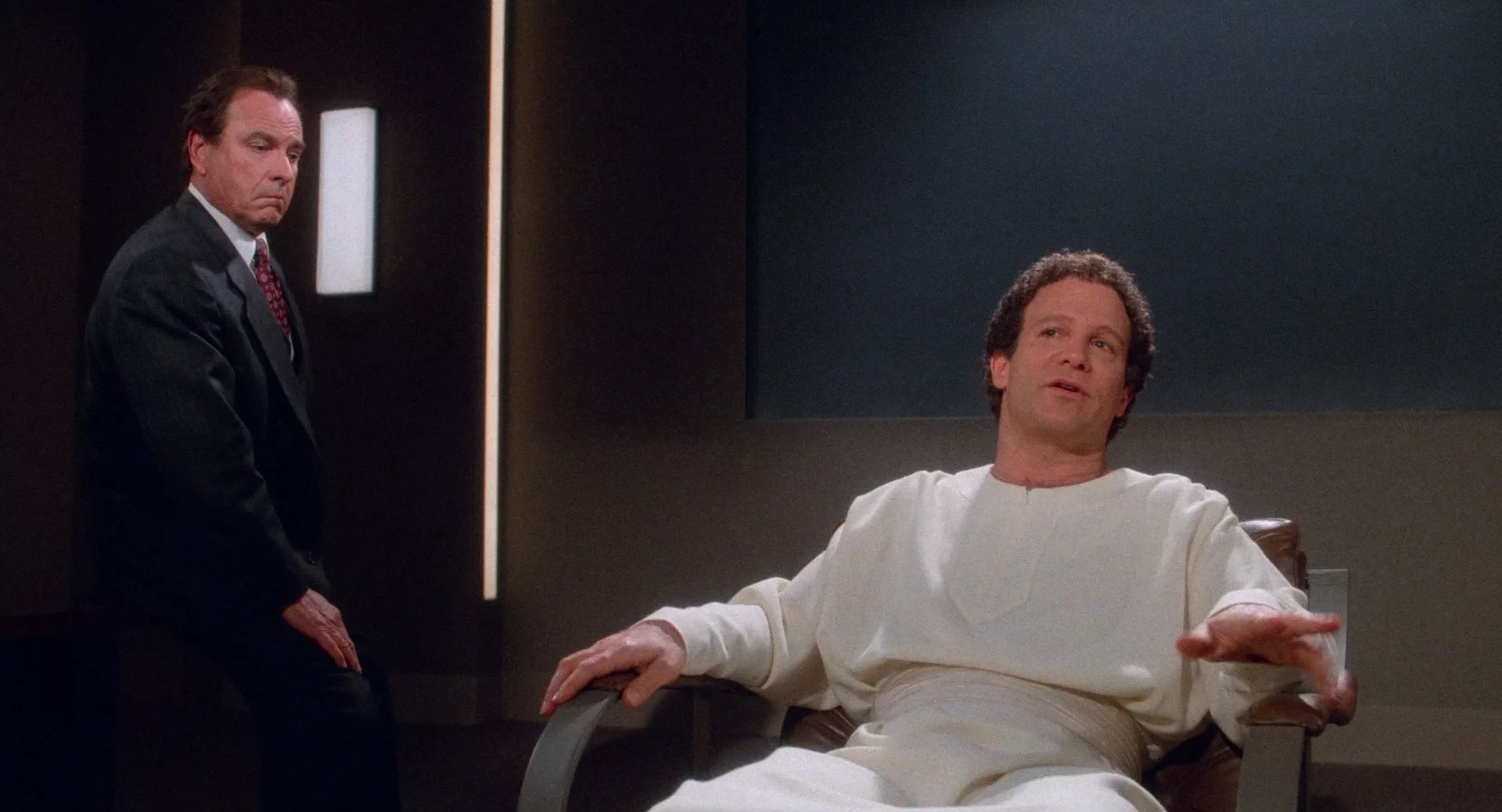
Two other Brooks classics soon followed. 1985’s “Lost in America” took aim at yuppie greed when Brooks and Julie Hagerty play a couple who quit their jobs to find freedom in an RV, only to blow their nest egg in one terrible night. 1991’s “Defending Your Life” was an existential comedy about the afterlife, with Meryl Streep as one of the luminaries who help determine if Brooks’ character deserves to move on from the cosmic waiting room of Judgment City.
In just over a decade, Brooks had infused Hollywood comedies with his brand of introspective, dialogue-driven humor that balanced absurdity with melancholy and philosophy. Never content to follow trends, Brooks’ auteur voice and pitch-black wit made him a touchstone for the next generation of smart comic filmmakers. Though the box office returns didn’t always match the glowing reviews, Albert Brooks succeeded in translating his genius to cinema.
“Step into the life of a body-positive advocate with our Your Fat Friend review. This documentary offers a compelling look at weight-based discrimination and the importance of compassion.”
A Character Actor Range: Dramatic Depths to Blockbuster Voice Work
Though best known as a writer, director and stand-up, Albert Brooks proved himself to be a gifted actor in roles that allowed him to exhibit untapped depths, pivotal versatility, and of course, superb comic timing.
Brooks’ initial forays into acting provided supporting turns in acclaimed 1970s dramas like Martin Scorsese’s “Taxi Driver.” But it was James L. Brooks’ 1987 broadcast newsroom rom-com “Broadcast News” that earned Albert Brooks his first Oscar nomination, perfectly cast as the witty, neurotic TV reporter Aaron Altman pining after Holly Hunter.
Always eager to subvert his comedic image, Brooks ventured into darker territory in the 1990s by playing heavies in “Out of Sight” and “Drive.” As an icy gangster in Steven Soderbergh’s slick Elmore Leonard adaption “Out of Sight,” Brooks stole scenes opposite George Clooney and Jennifer Lopez. For the indie crime thriller “Drive,” Brooks underwent a dramatic transformation to become a chilling L.A. mobster who terrorized Ryan Gosling and Carey Mulligan’s characters.
Yet Brooks also showed he could flex dramatic muscles without shedding his humor entirely. As the needy, eccentric hypochondriac Harvey in “My First Mister,” Brooks took an offbeat supporting part and filled it with equal parts pathos and hilarity. Likewise, his unreliable divorce lawyer in “The Muse” let Brooks deploy his neurotic energy toward a well-rounded portrayal.
Of course, Albert Brooks also discovered whole new avenues for his signature comedy. His voice performance as the fretful clownfish Marlin in Pixar’s 2003 smash hit “Finding Nemo” introduced Brooks to a young audience, with the role perfectly matched to his anxious personality. And Brooks landed recurring guest spots on shows like “The Simpsons” and “Curb Your Enthusiasm” that allowed him to riff on his comedic persona.
In an industry where many comics struggle to break out of familiar molds, Albert Brooks managed to craft a varied acting career that earned him respect as a dramatic performer while still capitalizing on his peerless talents as a funnyman. Though he never fully shed the “comedian’s comedian” label, Brooks demonstrated acting range across enough genres to keep audiences guessing what part he might take on next.
From his beginnings as a comedy trailblazer to unexpected detours into menacing roles, Albert Brooks remained one of film and television’s most intriguing chameleons precisely because no matter the part, he always brought an off-kilter unpredictability and depth that transcended easy categorization.
The Mark of a True Original: Albert Brooks’ Lasting Influence
When Albert Brooks emerged in the 1970s as a regular guest on Johnny Carson’s Tonight Show, audiences witnessed the arrival of a wholly new comedic sensibility. Brooks didn’t just tell jokes – he picked apart the very concept of a comedy routine, and in doing so influenced generations of voices who followed his groundbreaking lead.
Brooks’ work eschewed punchlines and easy laughs in favor of nuanced observation, cultural satire, and meta commentary on his own profession. This “punk rock” approach to stand-up, shorts, and eventually feature films made Brooks a beacon for fellow comedians interested in inventive, brainy humor that broke molds and norms.
As his cinematic efforts like Real Life, Modern Romance, and Defending Your Life demonstrated, Brooks infused comedy with a melancholy depth and existential curiosity more common in dramas. His characters were emotionally complex, and jokes arose seamlessly from their all-too-human contradictions and foibles rather than a series of set-ups and punchlines.
Brooks’ directorial style allowed comedy to bubble up organically from character and story. He took the sensitivities and neuroses of his own stand-up persona and expanded them into the fabric of the fictional worlds he crafted as writer and director. This resonance between Brooks’ humor and humanism became the template for so much of the intelligent comedy that followed.

For direct descendants like Judd Apatow and shows such as The Simpsons, the Albert Brooks influence is readily apparent. But Brooks also inspired generations of envelope-pushing voices in stand-up, sketch comedy, and filmmaking. All of them owe a debt to his trailblazing work that injected new layers of emotion, reflection, satire and unpredictability into the comedy landscape.
Decades removed from his peak popularity, why does Albert Brooks remain a revered and referenced legend in the eyes of his comedy peers? Because his body of work still feels excitingly modern, fresh, and daring. Because his sensibility was so idiosyncratic that his impact continues rippling through new generations of comedians and filmmakers. And because, even after 50 years at the forefront of laughter, Brooks’ singular comedic outlook remains one-of-a-kind.
Albert Brooks made comedy that resonated at a deeper level because he understood that life’s humor and sadness were intertwined. Even at his silliest, Brooks channeled real human foibles. And by doing so with such imagination and authenticity, he staked his place among the most original, influential comedic voices America has ever produced.
An Affectionate Tribute: Reiner’s Documentary Spotlights Brooks’ Brilliance
At just 88 minutes, director Rob Reiner’s documentary “Albert Brooks: Defending My Life” could only hope to offer a condensed overview of Brooks’ sprawling career. But with Reiner’s access as a lifelong friend, the film provides plenty of insights from the master comedian himself. Between Reiner’s conversations with Brooks over dinner and a wealth of archival clips, a vivid mosaic emerges of this genius’s origins, artistic process, and enduring legacy.
Brooks is a natural storyteller, candidly working through highs and lows of his career with the dry wit familiar from his routines. There is a warm rapport between Brooks and Reiner that allows for comfortable candor as they retrace shared memories and influential figures from their upbringing.
Sprinkled throughout are shining moments that capture Brooks’ talents: his mind-bending early Tonight Show spots, the brilliant conceptual shorts he created for Saturday Night Live, iconic scenes from Real Life, Lost in America, and other Brooks-penned classics. Even in brief glimpses, his unique comedic sensibilities shine through.
The clips are buoyed by admiring testimonials from an impressive array of comedians, actors, and directors who owe a debt to Brooks’ influence. While the star-studded soundbites praising his genius become a bit perfunctory, they reinforce Brooks’ stature. More impactful are insights from peers like Conan O’Brien about Brooks’ restless creative spirit that always pushed him in new directions.

Between the clips and conversations, Reiner effectively toggles between Brooks reminiscing on his personal life and reflecting on individual works that defined his career as a writer, director, actor, and comedian. There may not be enough time to delve deeply into each milestone, but the breadth of Brooks’ accomplishments is ably established.
Thanks to decades of friendship, Reiner is able to capture Brooks’ essence: his intelligence, neurotic energy, deadpan wit, and innate humanity. The intimacy between director and subject results in a documentary that feels more akin to eavesdropping on two old friends sharing memories than a standard career retrospective. For Brooks devotees, these personal perspectives make the documentary a treasure.
At under 90 minutes, the film can only offer selected highlights and insights when it comes to such a creative powerhouse. But by effectively balancing Brooks’ own words and stories with well-chosen clips, Reiner pays affectionate tribute to a comedic Renaissance man who paved his own unconventional path. “Albert Brooks: Defending My Life” gives us just enough of the man in his own words to leave fans wanting more.
An Affectionate Tribute, But Room for More
With Albert Brooks: Defending My Life, director Rob Reiner succeeds in crafting an affectionate tribute to his old friend that provides an excellent overview of Brooks’ pioneering career. For both devoted fans and newcomers, the documentary offers a worthy introduction to the creative genius whose influence stretched from stand-up stages to movie screens.
The admiration from comedy legends interviewed is unequivocal, leaving no doubt about Brooks’ stature in the pantheon. Their collective awe speaks volumes about how Brooks broadened the horizons of comedic possibilities with his uncompromising originality.
However, some reviewers note a desire to delve deeper into individual works that defined Brooks’ legacy as a writer, director and actor. His films Real Life, Lost in America, Defending Your Life, and others laid the groundwork for so much witty, introspective comedy that followed. More time spent analyzing these seminal works, as well as key collaborations with talents like Monica Johnson, could provide added insight into Brooks’ process.
The same holds true for Brooks’ under-recognized turns in films like Taxi Driver, Broadcast News, and Drive that revealed untapped depths in his acting. First-hand accounts from directors and co-stars would further contextualize Brooks’ chameleon-like abilities. Though Brooks’ voice work in Finding Nemo wins praise, his other memorable TV and film roles beg for more examination.

While Reiner succeeds in capturing the highlights of Brooks’ early stand-up ascendance and directorial heyday, less light is shed on his later career and personal life. What creative endeavors still inspire Brooks decades after his peak filmmaking years? How did he view his sitcom guest spots and other late-career acting gigs? More reflection on Brooks’ eventual marriage and fatherhood could also provide illuminating perspectives on his psyche.
Of course, covering a career as long and multifaceted as Albert Brooks’ was always going to be a tall order even in 90 minutes. If anything, Reiner’s affectionate documentary leaves audiences yearning for an even more expansive deep dive into this comedy legend’s trailblazing work and enduring influence.
As an accessible overview introducing Brooks to the uninitiated and offering fans a worthwhile trip down memory lane, Albert Brooks: Defending My Life is a delight. But it also leaves tantalizing possibilities for an even more comprehensive examination of Brooks’ genius. For now, Reiner’s labor of love provides a fine gateway into the brilliance of an American original.
An Original Voice Worth Discovering
As Albert Brooks: Defending My Life illustrates through loving testimonials and well-chosen clips, Albert Brooks’ six-decade career stands wholly unique for its versatility and consistent innovation. He mastered conceptual stand-up in the 1970s, presaged reality TV and perfected cinematic character studies in the 1980s, and demonstrated hidden depths as a dramatic actor from the 1990s onward.
Throughout his shape-shifting career, Albert Brooks clung to a comedic vision that placed human contradictions, societal observations, melancholy and absurdity at the forefront. Director Rob Reiner succeeds in arguing the case for Brooks’ unparalleled brilliance across his creative endeavors even in a limited running time.
For devoted Albert Brooks admirers, Defending My Life will serve as a welcome appraisal of his pioneering work and enduring influence. And viewers less familiar with Brooks’ output will find this affectionate documentary the ideal entry point into discovering an original voice whose impact continues reverberating through today’s comedy landscape.
By shining a light on the career of Albert Brooks, Reiner has done a service to comedy fans of all stripes. This thoughtful retrospective offers essential viewing for anyone who appreciates the work of true masters – and for those who have yet to realize the genius of Albert Brooks, it will spur them to explore the brilliance of this American original.
The Review
Albert Brooks Defending My Life
At just under 90 minutes, Rob Reiner's documentary can only offer a snapshot of Albert Brooks' monumental career. But with its intimate conversations and curated clips, Albert Brooks: Defending My Life succeeds as an affectionate tribute to a comedic pioneer. Reiner captures the highlights across Brooks’ stand-up, filmmaking, acting and influence, whetting our appetite to revisit his groundbreaking body of work. For both devotees and newcomers, it serves as an entertaining introduction to a comedy legend.
PROS
- Provides an excellent high-level overview of Brooks' wide-ranging career
- Captures funny, insightful interview segments with Brooks himself
- Makes a compelling case for Brooks' brilliance and originality
- Includes great archival clips that showcase his talents
- Features enthusiastic testimonials from comedy icons
- Spotlights his pioneering stand-up comedy routines
- Highlights his innovative films like Real Life and Lost in America
- Shows he could evince pathos as well as humor
- Illustrates his acting range from Taxi Driver to Finding Nemo
- Offers some biographical context on his origins
CONS
- Could have benefited from more runtime to dig deeper
- Leaves some eras like his later career insufficiently explored
- Lacks insightful interviews with key collaborators
- Would be nice to hear more from co-stars and directors
- Doesn't fully analyze the unique style of his landmark films
- Could go further in explaining his enduring influence
- Doesn't delve much into his personal life
- Primarily offers surface-level praise from celebrity admirers
- Feels like just an introduction to an amazing career