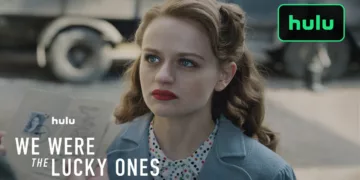






















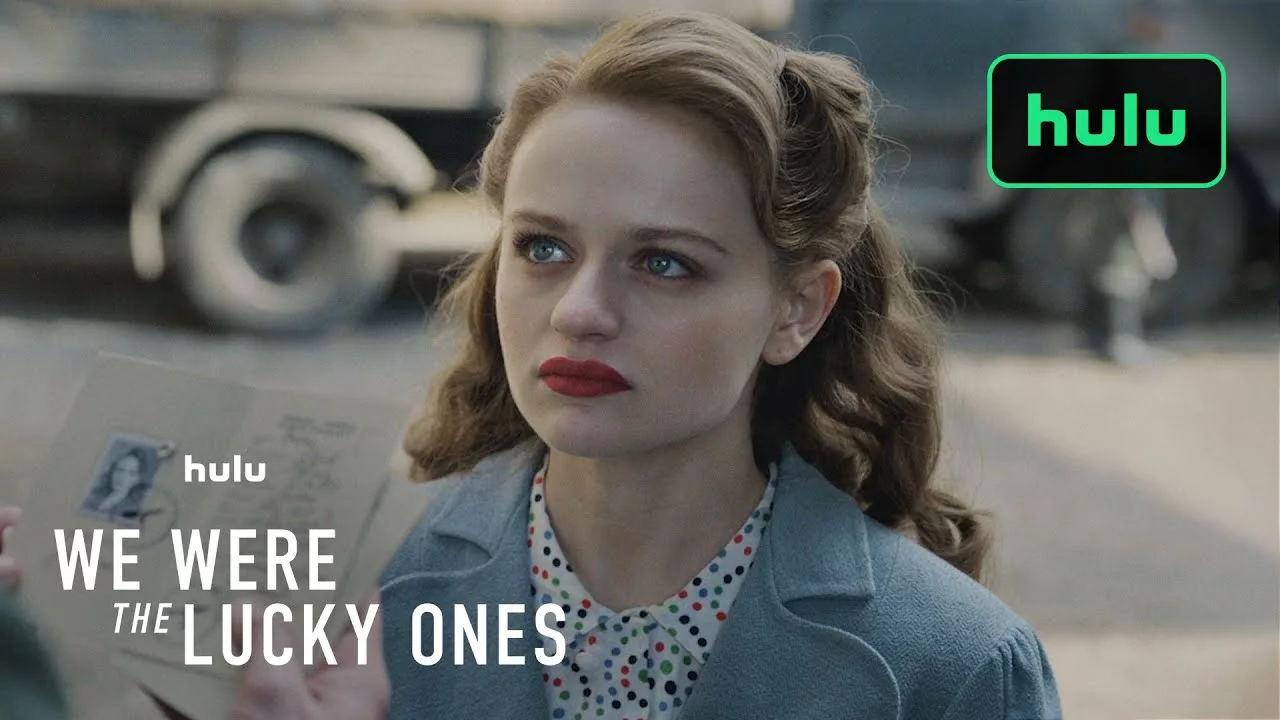

“We Were the Lucky Ones” beckons with its poignant title, hinting at the arduous journey undertaken by a Polish-Jewish family during World War II. Adapted from Georgia Hunter’s novel inspired by her ancestors’ ordeals, this Hulu limited series chronicles the Kurc clan’s scattered lives as they confront the escalating horrors of the Holocaust.
With 90% of Poland’s Jewish population perishing in this dark period, apprehensions naturally arise about delving into such anguished narratives. Yet the promise of an inspiriting tale of perseverance amid unimaginable adversity entices the viewer onwards.
Scattered Fragments of Hope
The eight-episode narrative of “We Were the Lucky Ones” opens on a deceptively joyous note – the close-knit Kurc family celebrating Passover in 1938 Radom, Poland. Patriarch Sol and matriarch Nechuma preside over a thriving homestead, their children pursuing artistic and professional ambitions. This semblance of domestic bliss, however, is shattered with Germany’s invasion of Poland in 1939, triggering a cataclysmic upheaval.
The series then fragments into parallel threads, each tracking a Kurc family member’s wrenching fight for survival as the Nazis’ unconscionable acts against Jews escalate. Halina and her sister Mila become entrapped in a calculus of deception to obscure their identities. Brothers Genek and Jakob endure the torments of labor camps. The erstwhile celebrated musician Addy finds himself a refugee, his dreams crumbling around him.
For six agonizing years, the Kurcs traverse a diaspora across Europe to Siberia, Soviet Ukraine, Brazil, and beyond – their paths haunted by deprivation, violence, and the ever-present specter of death. What propels them is the faint hope of reuniting, a flicker that threatens to extinguish with each passing atrocity. Progressively dehumanized, they nonetheless tenaciously cling to threads of resistance and shreds of dignity.
Through the Kurcs’ collective odyssey, “We Were the Lucky Ones” bears witness to how the unthinkable became the unbearable reality for millions of Jewish families. Their quest to emerge intact from the Holocaust’s vortex of cruelty serves as the emotional heartbeat of this harrowing yet inspiriting drama.
Unfolding Dread and Resilience
Director Thomas Kail’s deft hand shapes “We Were the Lucky Ones” into a masterclass of steadily escalating tension. From the deceptive normalcy of the opening Passover scene, subtle visual cues – a Jewish man’s blackened eye, Parisians donning ominous gas masks – foreshadow the encroaching maelstrom. As the Kurc family’s lives are upended, Kail’s directorial choices mirror their profound disorientation.
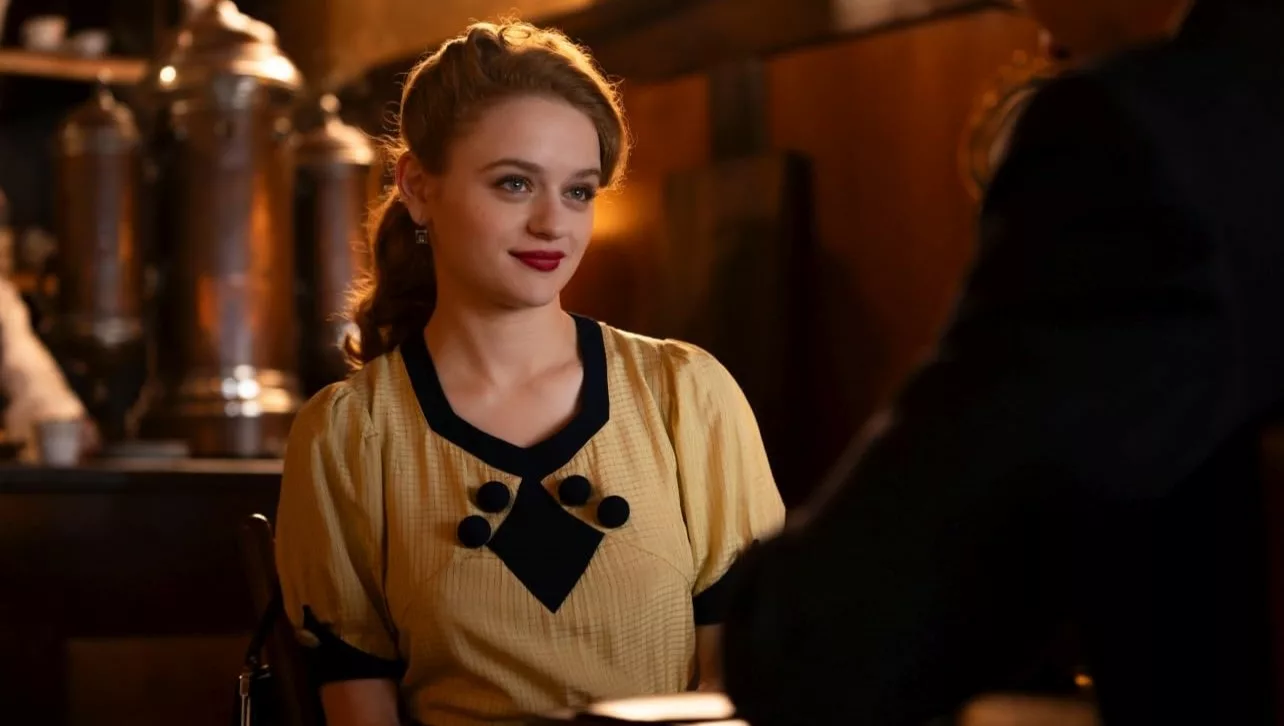
The visuals seamlessly transition from the warm domesticity of pre-war Radom to the grittier, more oppressive tones reflecting the Kurcs’ exilic existence. Cinematographer Hagen Bogdanski’s lensing immerses viewers in the divergent worlds the characters inhabit – from the rolling Italian countryside to the harsh Siberian tundra, each locale imbued with palpable atmospheric specificity.
Crucially, Kail and Bogdanski’s collaborative aesthetic instincts ensure the ever-present dread never overshadows the family’s acts of defiance and fleeting reprieves. Tender moments – whether Halina sighing over love letters or the siblings sharing uproarious laughter – shine like slivers of hope amidst the engulfing darkness. The camera, too, beholds the Kurcs’ quiet fortitude, their searching gazes brimming with unspoken resilience.
Through this nuanced interplay of ominous imagery and glimmers of humanity, “We Were the Lucky Ones” artfully mirrors its characters’ profound emotional trajectories. The visuals not only immerse us in their wartime terrors but also elevate their dignity, allowing the viewers to share in their transcendent moments of catharsis.
“Explore the poignant stories of resilience and resistance in modern-day Tehran with our Terrestrial Verses review. Discover how ordinary Iranians navigate bureaucratic constraints in this captivating and thought-provoking film.”
Embodying Resilience
At its core, “We Were the Lucky Ones” is an intricate tapestry woven together by the performances of its formidable ensemble. While every actor imbues their character with lived-in authenticity, a few luminous talents shine especially bright.
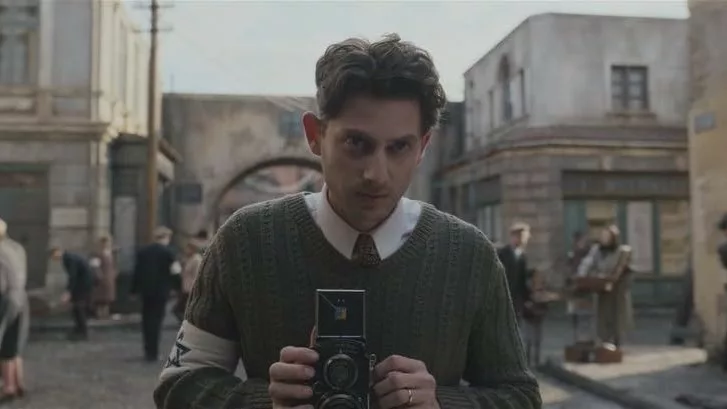
Joey King, in a departure from her previous roles, unveils remarkable dramatic depth as the fiercely resilient Halina. King’s nuanced portrayal runs the gamut from defiant tenacity to simmering anguish, her expressive eyes mirroring the survivor’s soul that Halina embodies. Whether masking her anguish with a gentile’s plastered smile or erupting in righteous fury, King ensures Halina remains the blazing hearth around which the family’s hopes flicker and reignite.
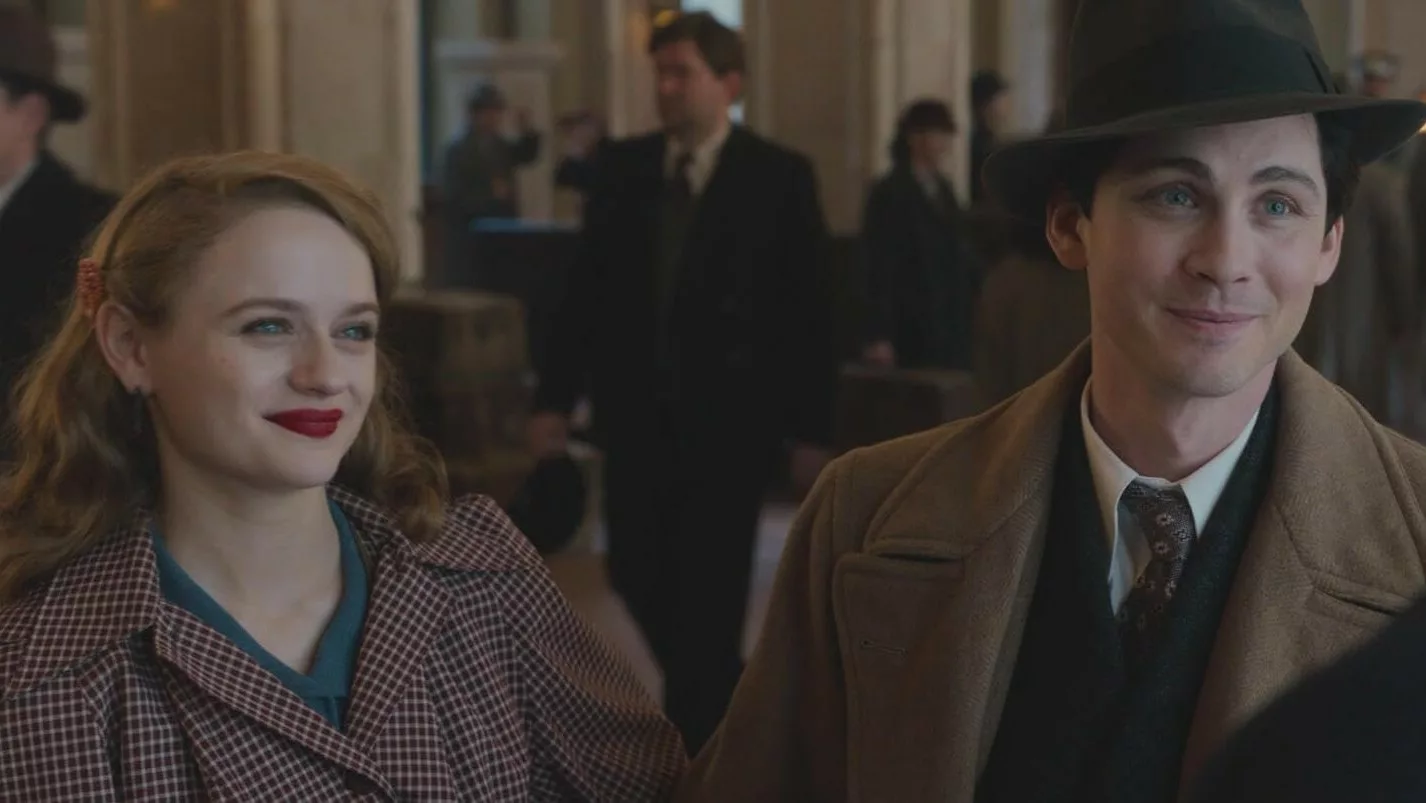
As her brother Addy, the musician whose dreams turn to despair, Logan Lerman achingly conveys the creeping erosion of youthful optimism. Lerman’s pensive, soulful presence ably navigates Addy’s trajectory from exuberant artistry in 1930s Paris to the hollow-eyed refugee clinging to splintered memories of happier days. His ability to quietly smolder with untapped reservoirs of emotion pays poignant dividends in Addy’s soul-stirring reunions.
The series abounds with such raw, naturalistic performances that breathe empathetic vitality into even the most peripheral characters. As Jakob’s beloved Bella, Eva Feiler personifies the wrenching duality – outward joie de vivre shadowed by escalating inner dread. Moran Rosenblatt as Genek’s wife Herta exemplifies unshakable spousal devotion, her wartime defiance a quiet roar. Even in smaller roles, actors like Sam Woolf (as Halina’s beau Adam) infuse heartbreaking authenticity into their characters’ searing emotional arcs.
Indeed, what renders “We Were the Lucky Ones” so profoundly immersive is this ensemble’s ability to locate relatable humanistic moments even amid staggering inhumanity. A fleeting tenderness between siblings, gallows humor shared among loved ones – these remain sparks of warmth igniting hope in the all-consuming darkness. Through their finely etched performances, this cast makes palpable how ordinary human bonds and small mercies transcended the worst of mankind’s cruelties.
Profound Depths, Brisk Currents
In its ambitious endeavor to depict a Polish Jewish family’s far-flung plight across eight episodes, “We Were the Lucky Ones” occasionally sacrifices granular character shadings at the altar of narrative expediency. The brisk cross-continental pace, while reflecting the Kurcs’ perpetual upheaval, leaves little room to fully grasp the intricate tapestries of their inner lives. We’re offered tantalizingly brief glimpses into their disparate personalities – Halina’s feistiness, Addy’s fragile sensitivity – before the tides of warfare whisk them towards new upheavals.
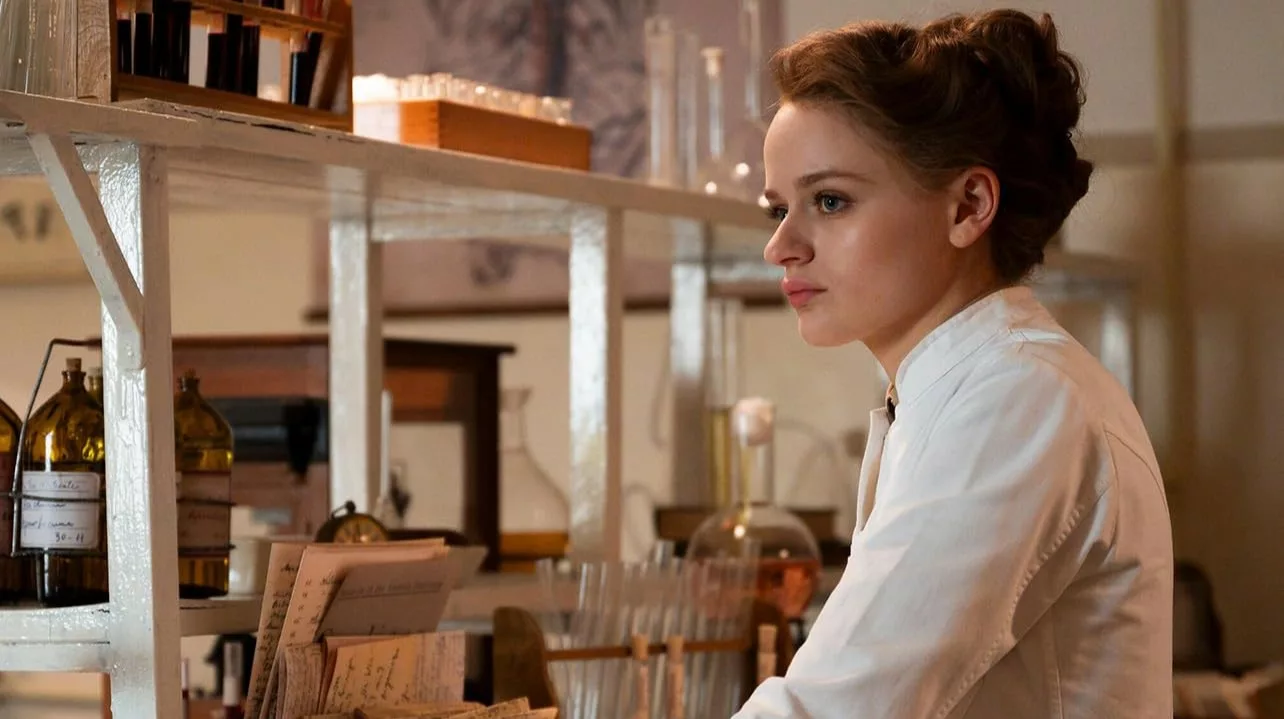
And yet, this very narrative structure, fragmented yet cohesive, echoes one of the deepest themes ricocheting through the Kurcs’ collective odyssey – the enduring power of family bonds. For it is this ever-present connective thread of devotion, memory and hope that buoys the characters through their darkest valleys. As one sibling affirms, “Faith is a choice, an act of will” – a crystalline mantra encapsulating how they wielded the ties of kinship as a talisman against dehumanization’s abyss.
Beneath its brisk narrative currents run indelible veins of spirituality and fortitude, of how the Kurcs’ essence of humanity pushed back against the inhumanity swirling around them. We bear witness to their quiet acts of defiance – smuggling food, falsifying identities, improvising clandestine ceremonies – in a realm where existence itself was an act of resistance. Even their flashes of humor and tendresse, of laughter and love amid the encroaching nightmare, radiate a profound depth professing humanity’s perseverance.
The series’ very title poses a provocation – how could mere survival constitute “luck” after such unfathomable anguish? And yet, as the Kurcs’ extraordinary journeys so poignantly attest, clinging to one’s selfhood despite all attempts to extinguish it remains the greatest triumph. That “We Were the Lucky Ones” locates such existential truth in the particulars of a family’s shared plight is its most resonant legacy.
Echoes of the Past, Reverberating Present
In an era where the lived realities of the Holocaust risk being obscured by fading memories and rising tides of revisionism, “We Were the Lucky Ones” serves as a vital reminder. By grounding its narrative in the specifics of one family’s horrific crucible, the series ensures these profound atrocities remain more than mere abstracted statistics. We become intimately invested in the Kurcs’ painstakingly researched journeys, bearing witness to how unspeakable evil seeped into and upended even the most seemingly idyllic of existences.
For younger generations increasingly disconnected from this dark chapter, such humanizing tales become crucial educational vessels. The visceral immediacy of the Kurcs’ plight, their persecution unfolding across the vividly recreated landscapes of Europe and beyond, has the power to make the incomprehensible personal again. In this series’ harrowing yet inspiriting odyssey echoes a clarion call to vigilance – that such horrors are never detached abstractions, but ominous human potentialities we must remain eternally guarded against.
Tragically, “We Were the Lucky Ones” also chimes in disquieting resonance with modern resurgences of xenophobia, authoritarianism, and the demonization of the “other.” The Kurcs’ desperate, oft-denied quests to secure safe passage and sanctuary underscore how deeply roiled debates around immigration and refugee policies remain. Their persecuted struggles to prove their essential humanity in the face of dehumanizing ethnic hatred should give us all pause about the cyclical nature of history’s darkest chapters.
In this age of revisionism and resurging intolerance, bearing witness through a lens as lucid and empathetic as this series becomes both a solemn duty and a cry of conscience echoing through generations. “We Were the Lucky Ones” reminds us that the greatest horror is forgetting the humanity that binds all.
Profound Resonance
While “We Were the Lucky Ones” occasionally sacrifices nuanced character depth on the altar of narrative expediency, its boldest strokes render it a profoundly immersive and emotionally resonant viewing experience. This eight-episode saga undoubtedly represents a masterclass in grounding unfathomable historical atrocities through an authentic, empathetic lens.
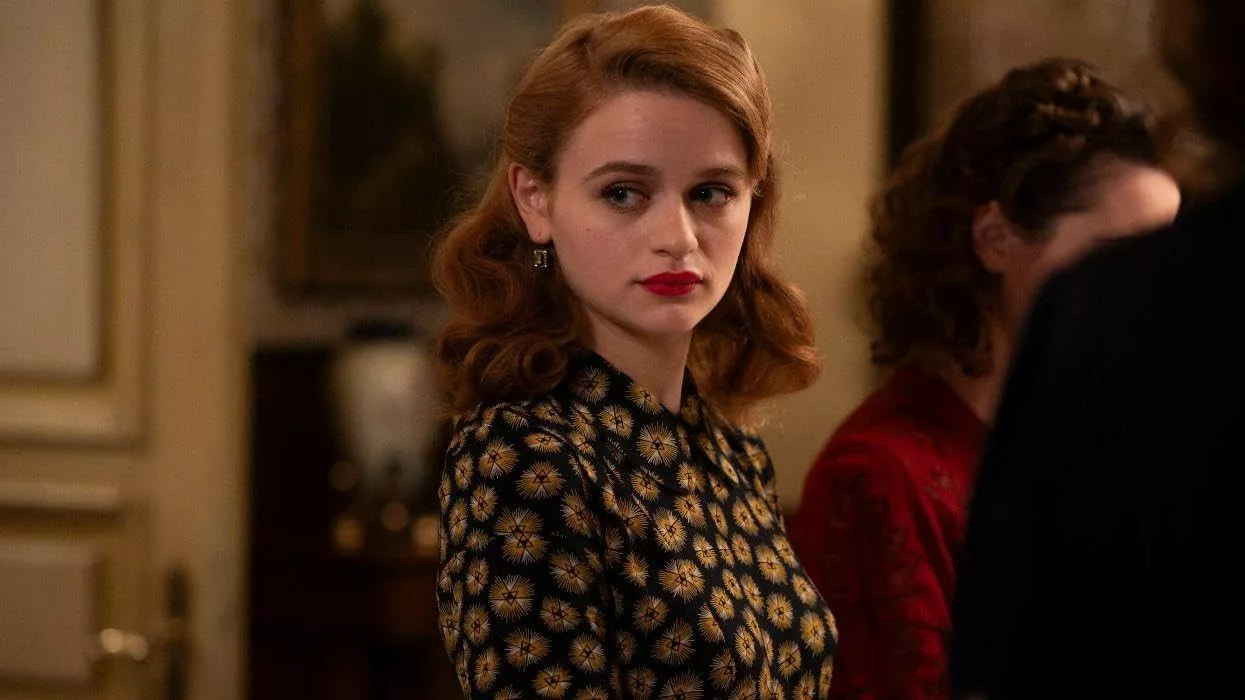
For every moment the brisk pacing undercuts granular shadings of the Kurc family’s personalities, there are myriad sequences where their vividly rendered emotional arcs pay transcendent dividends. We become inextricably invested in their lives, sharing in their harrowing upheavals and fleeting reprieves, enduring anguish and hard-won triumphs as if they were our own kin.
Crucially, the series alchemizes its heaviest subject matter into something lastingly inspiriting – an affirmation of humanity’s perseverance despite all attempts to extinguish it. The glimpses of humor, joy, and quiet acts of defiance scattered throughout etch the Kurcs’ spirits in radiant relief against the engulfing darkness. Their very existence under such brutal circumstances evolves into the greatest triumph.
In an era where revisionism threatens to obscure the Holocaust’s realities into abstractions, “We Were the Lucky Ones” ensures we remain intimately tethered to the unspeakable human toll. By investing us so profoundly in one family’s painstakingly researched plight, this emotionally shattering yet cathartic drama becomes both an indelible educational vessel and a potent exhortation against historical amnesia.
For evoking unimaginable suffering and transcendent resilience with such immersive authenticity, for transforming particularized heartbreak into a universal ode to the perseverance of the human spirit – “We Were the Lucky Ones” earns its sobriquet. This is essential, edifying viewing well worth enduring its devastations.
The Review
We Were the Lucky Ones
"We Were the Lucky Ones" is a searing, emotionally immersive drama that grounds the vast incomprehensible horrors of the Holocaust in the intimate odyssey of one Jewish family. Though its brisk narrative pacing may occasionally sacrifice nuanced character shading, the series triumphs through its unwavering authenticity and universally resonant affirmation of humanity's perseverance against all attempts to extinguish it. With a ensemble bringing soulful empathy to difficult subject matter, and a visual aesthetic rooting us in the particulars of the Kurcs' arduous plight, this edifying account crystallizes why such narratives remain urgently vital - lest we forget the unspeakable costs of survival. A shattering yet ultimately inspiriting viewing experience befitting its title.
PROS
- Powerful, emotionally immersive portrayal of a Jewish family's struggle during the Holocaust
- Excellent ensemble cast led by standouts like Joey King and Logan Lerman
- Authentic direction and cinematography vividly recreating the diverse settings
- Maintains a hopeful, inspiriting tone while depicting harrowing subject matter
- Raises awareness about lesser-known personal stories from the Holocaust
- Explores profound themes of faith, family bonds, and humanity's perseverance
CONS
- Brisk pacing at times undercuts deeper character nuances and development
- Some storylines/characters more compelling than others in the fragmented narrative
- Doesn't quite delve enough into post-war challenges for survivors
- Occasional tonal inconsistencies between the darker and uplifting moments