



























In 1992, Peru existed in a state of suspension, trapped between political violence and economic collapse. The Shining Path insurgency and President Alberto Fujimori’s governmental crackdown created a backdrop of fear: curfews emptied streets, blackouts silenced homes, and food shortages tested the population’s endurance. Reinas immerses its characters in this unsettling environment, exploring the lingering impacts beyond visible conflict.
Director Klaudia Reynicke, a Swiss-Peruvian storyteller connected to this period, creates a narrative balancing personal experiences with wider social tensions. Her approach avoids dramatic spectacle, instead focusing on the quiet intimacy of familial struggle. The story centers on Elena, a mother seeking her estranged husband Carlos’s permission to emigrate to the United States with their daughters. This simple premise reveals complex human experiences of resilience and hope.
Reynicke’s narrative explores the spaces where human intentions collide with overwhelming circumstances. Political unrest remains a shadow, present yet not consuming. The film invites viewers to consider deeper human questions: What compels someone to leave a troubled homeland? How do individuals balance personal survival with familial connections? These inquiries resonate beneath the surface, revealing unspoken emotional landscapes.
A Dance Between Flight and Rootedness: The Fragile Threads of Reinas
Reinas explores the dynamics of movement—of bodies, hearts, and nations experiencing change. Elena, a mother confronting the challenges of 1992 Peru, views departure as a path to hope.
Her goal is to move her daughters, Aurora and Lucía, away from their struggling homeland toward opportunities in the United States. Yet leaving is not simple; it requires permission from legal systems, personal memories, emotional attachments, and those left behind.
Carlos, the distant father, represents both a challenge and a reflection of this emotional journey. His delayed signature—seemingly a bureaucratic obstacle—reveals deeper complexities: a wish to reconnect with his daughters and a life he abandoned.
His interactions with Aurora and Lucía include conflicting moments of genuine connection and apparent insincerity. He creates stories of adventure, imagines dramatic scenarios, and crafts temporary fantasies for his daughters, attempting to fill the emotional distance of his long absence.
These family interactions, simultaneously fragile and profound, occur against the backdrop of a country experiencing turmoil. A beach outing appears peaceful until underlying tensions of imminent separation emerge.
The girls’ rebellion against restrictions brings temporary freedom but ends with consequences, highlighting their limited control. Elena’s urgent desire to escape conflicts with Carlos’s hesitation to break their tenuous connection. The narrative captures the intricate emotions of transition, where each decision feels like both rescue and loss.
Fragile Pillars of a Fractured Family: The Characters of Reinas
Carlos remains an elusive figure, both to his daughters and himself. He emerges as a person defined by absences—missing opportunities, accountability, and family moments. His charisma serves as a tool, wielded with skill by someone who learned to replace genuine connection with superficial interactions.
Beneath the surface, his deeper intentions hint at vulnerability. Does genuine care draw him back to his daughters, or is this an attempt to escape personal insignificance? He creates narratives of grand adventures and imagined heroics, but these stories collapse against the stark landscape of his shortcomings. Carlos embodies complexity: appealing yet unreliable, well-intentioned but slippery, a parent whose emotional landscape remains tangled and unresolved.
Elena stands firmly rooted in unforgiving realities. Her decisions carry weight, driven by survival instincts not just for herself but for her children. She bears pragmatism’s emotional scars, harboring a quiet frustration from being the constant caretaker.
While Carlos radiates ephemeral warmth, Elena represents the solid structural support holding their family together. Her practicality creates distance, positioning her as an opposing figure in her daughters’ perceptions. Her struggle represents an unsung heroism, quiet and unrecognized.
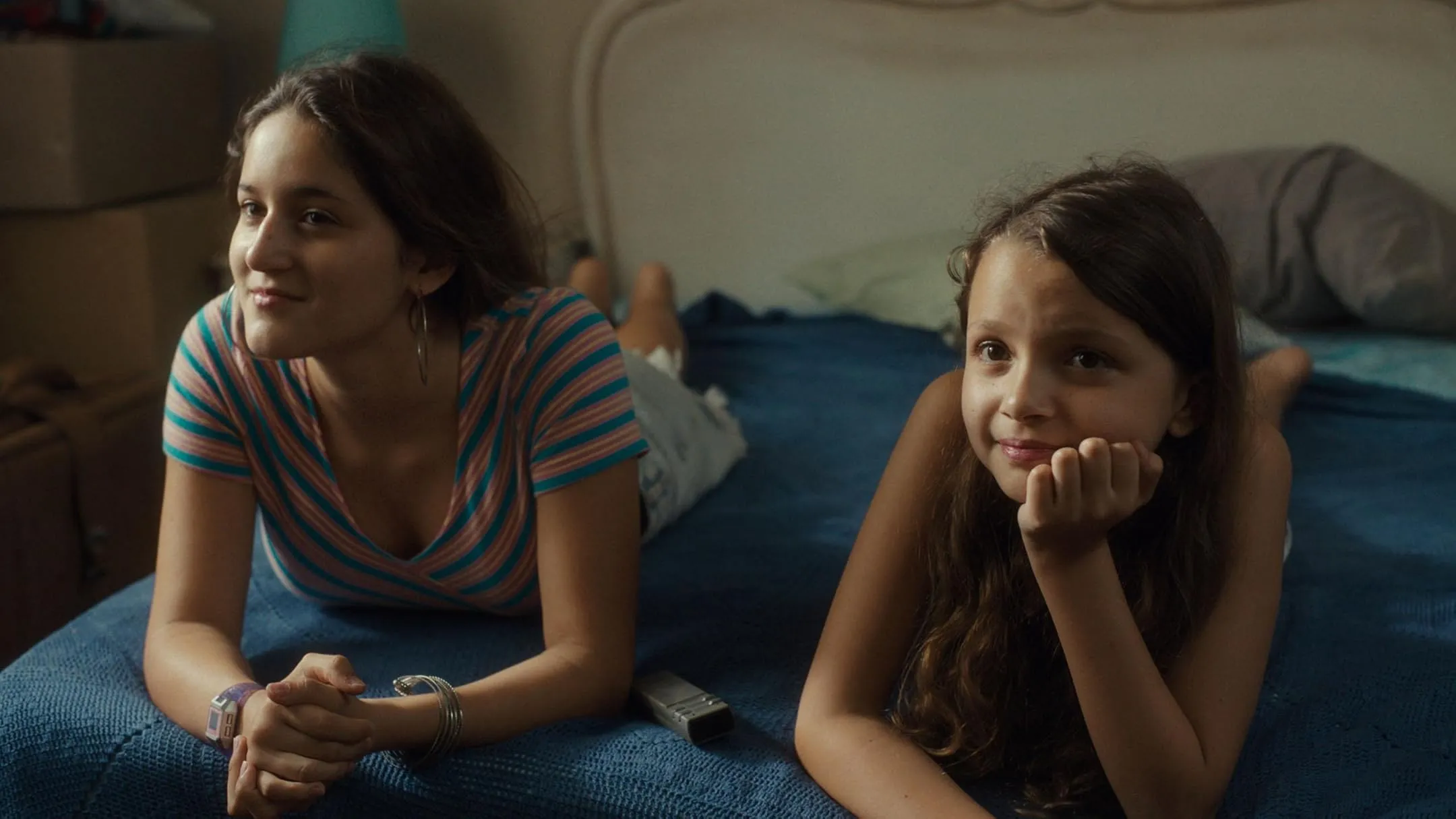
Aurora and Lucía exist in an uncertain space—suspended between parental tensions and potential future transformations. Aurora’s developing perspective allows her to recognize her father’s imperfections while maintaining a fragile connection.
Internal conflicts between loyalty and independence shape her emerging self. Lucía remains unmarked by cynicism, young enough to embrace her father’s constructed world without complexity. She sees Carlos as an embodiment of pure, uncomplicated affection. Together, they represent the emotional core of their family narrative, capturing both vulnerability and resilience.
Between Shadows and Silhouettes: The Themes of Reinas
Political and social tensions in Reinas create a subdued yet oppressive atmosphere. Blackouts descend like a closing curtain, curfews define boundaries between freedom and confinement, and economic struggles weigh on every choice.
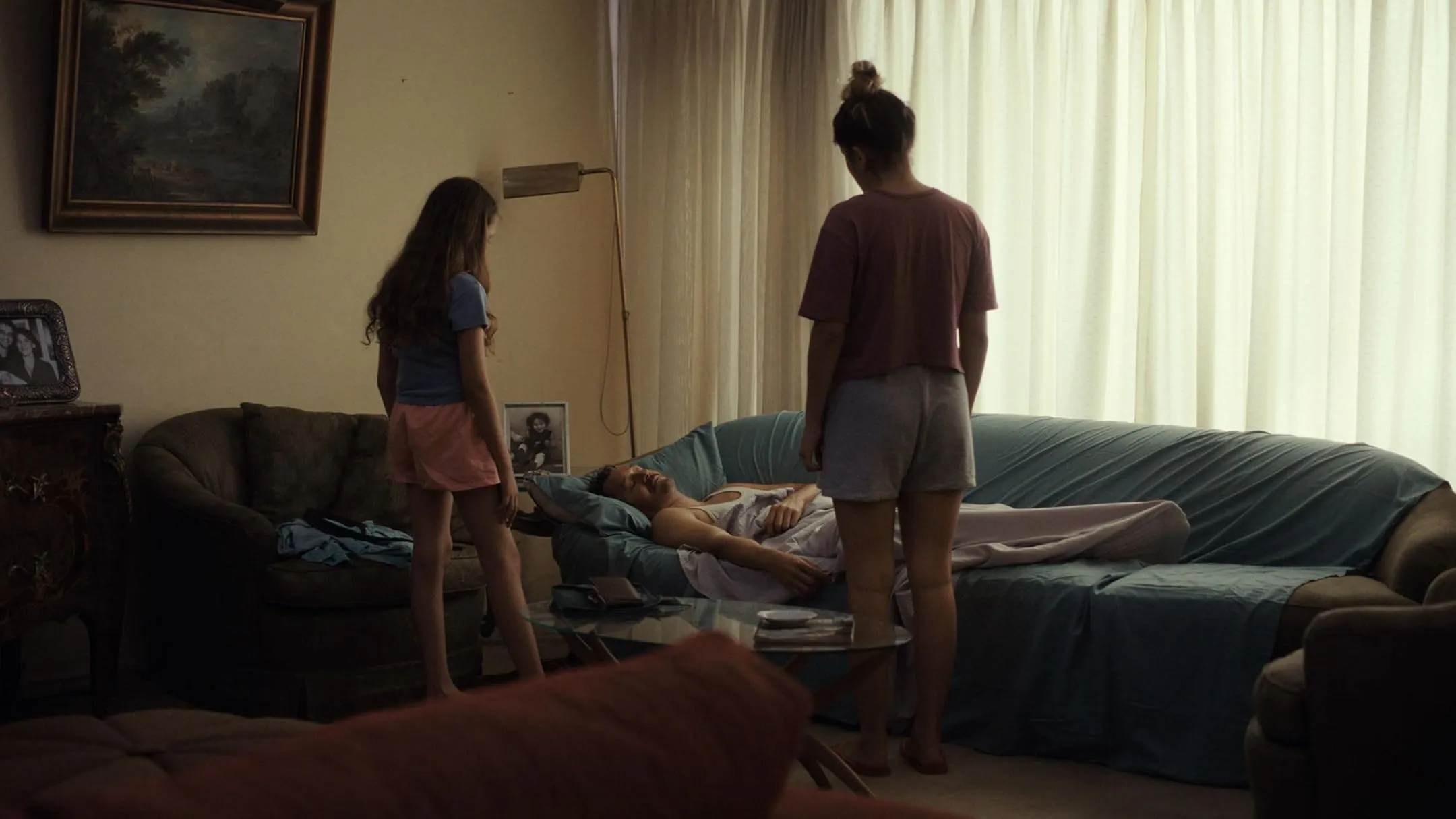
These elements hover at the edges, less an explicit antagonist than a constant reminder of fragile stability. Elena’s decision to emigrate stems from the 1992 Peruvian chaos, driven by survival rather than optimism. Despite their looming presence, these forces remain background to the family’s personal struggles.
The film explores family dynamics and the inevitable distance between loved ones. Aurora and Lucía connect with their parents through complex emotional threads. Aurora, approaching adulthood, wavers between resentment and yearning, pulled between her father’s magnetic personality and her mother’s pragmatism.
Lucía remains sheltered, seeing the world through her father’s fabricated stories, her perception softened by his narratives. Their journey represents both growing up and accepting painful truths—recognizing the deep imperfections of those closest to them.
Carlos’s imaginative stories emerge from desperation and hope, creating a delicate shield against his own shortcomings. His tales of hidden lives and heroic moments protect him momentarily from harsh realities. These narratives prove as fragile as sand sculptures—beautiful yet unable to withstand life’s true weight. The film captures the space between reality and imagination, exploring the raw intersections of dreams and disappointment.
The Quiet Poetics of Reinas: Cinematography and Direction
Klaudia Reynicke’s Reinas emerges through shades of sorrow, its visual narrative revealing both the majesty and deterioration of Lima trapped in chaos. The city transforms into a living element, exhaling its exhaustion into the story.
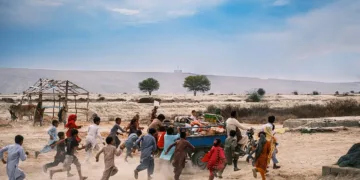
The sandy expanses where Carlos and his daughters race represent paradoxical terrains—wide yet restrictive, embodying the illusion of liberty within their limited circumstances.
Reynicke’s camera captures these spaces with near-artistic exactness, washing the screen in subdued colors that evoke memories and disquiet. Subtle elements—a wavering light during an electricity interruption, children’s tentative steps breaking curfew—softly communicate the family’s unspoken anxieties and yearnings.
The film’s atmosphere balances with careful precision, avoiding dramatic excess and embracing raw authenticity. Each scene feels unhurried, allowing moments to persist, as if the camera hesitates to progress.
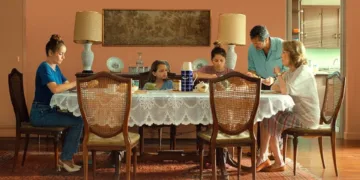
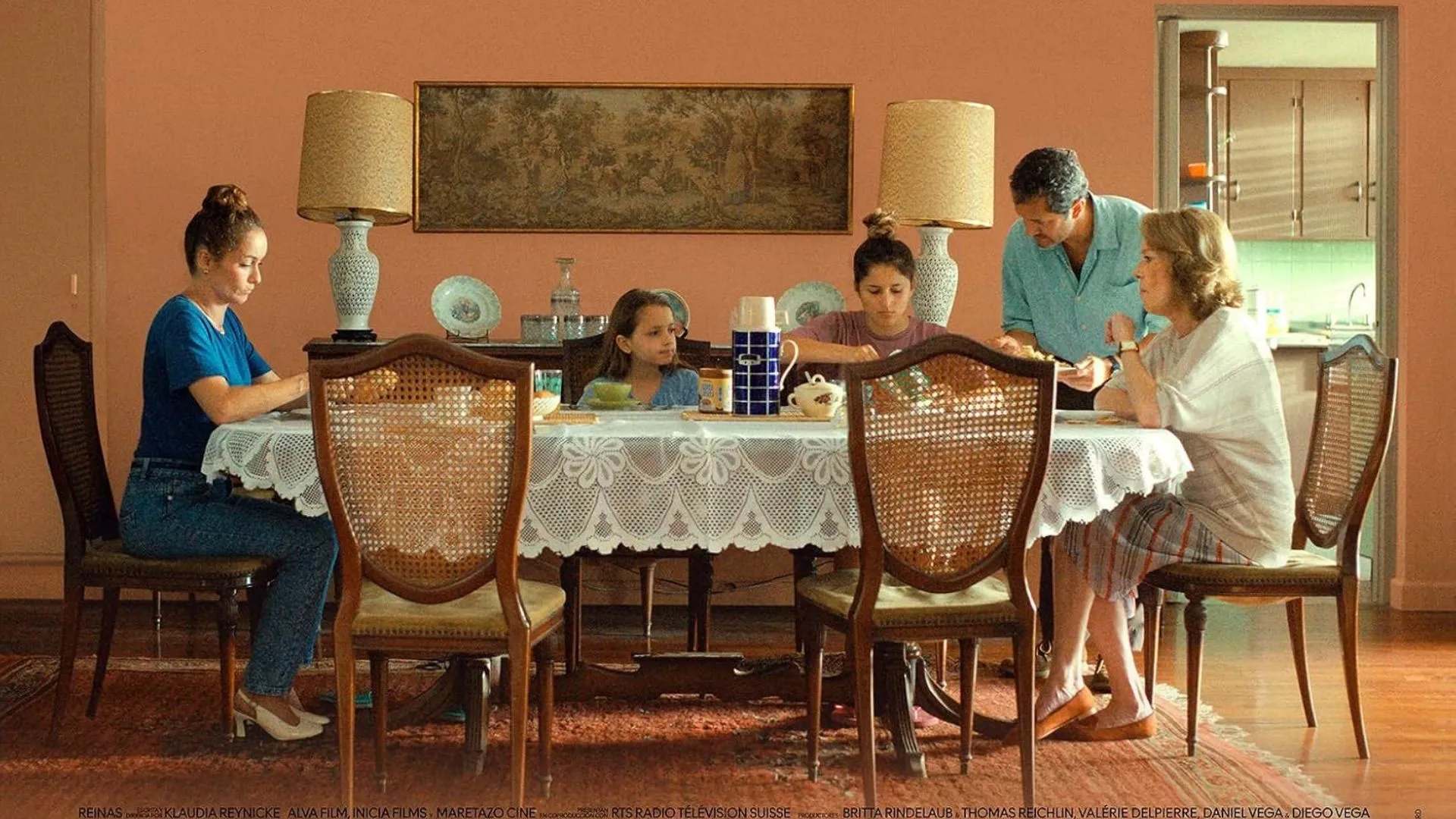
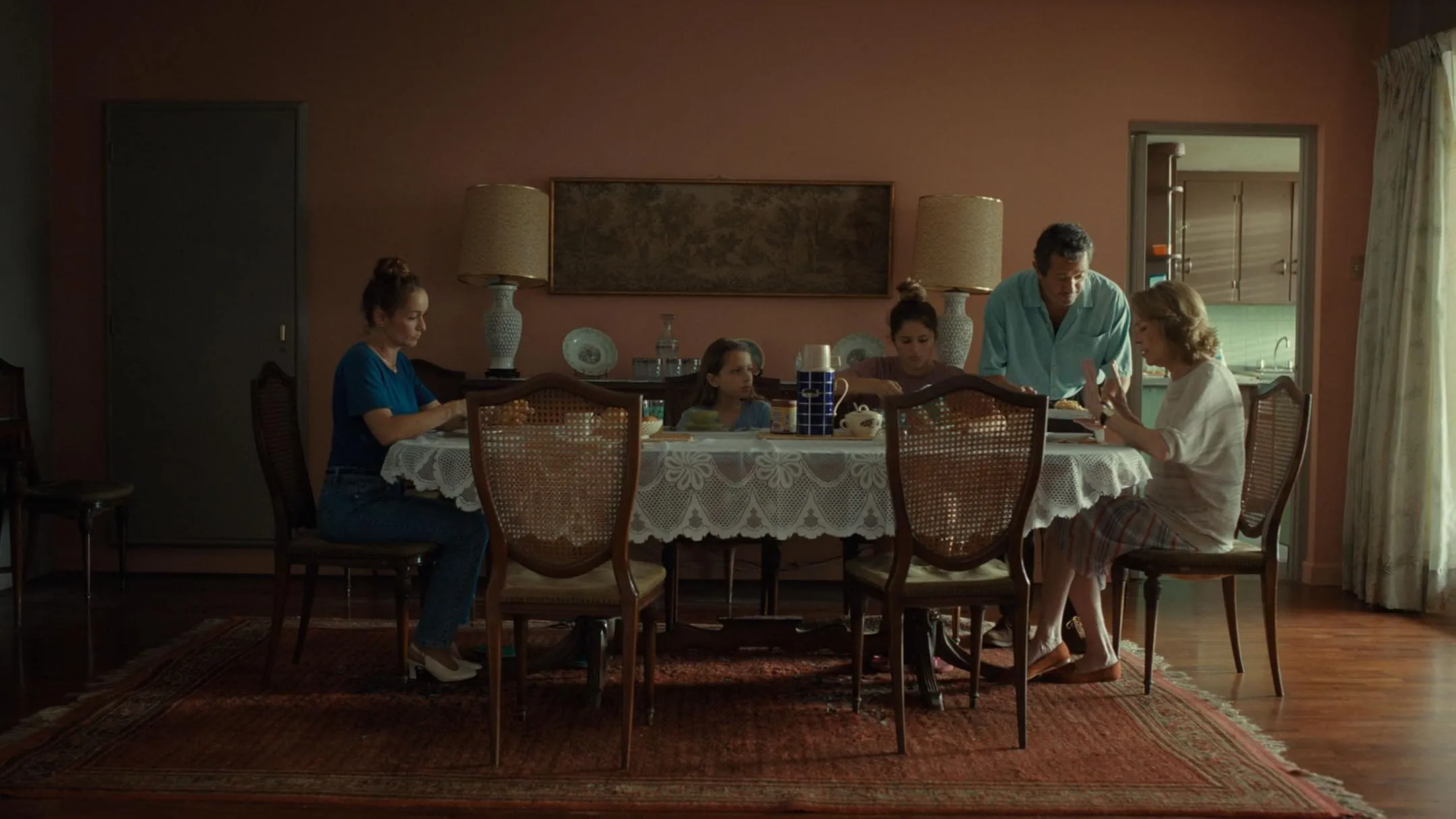
This narrative approach draws viewers into the family’s rhythmic existence, where significant choices hide within shared meals and quiet exchanges. The tempo reflects the characters’ internal struggles, moving with restrained uncertainty that echoes Carlos’s hesitation, Elena’s steady determination, and the daughters’ silent apprehensions.
This measured approach might challenge viewers seeking intense drama, yet it carries a contemplative strength, encouraging audiences to experience life’s unresolved moments. Within this stillness, Reinas exposes its most profound emotional truths.
Threads of Light in a Tapestry of Shadows: Emotional Impact and Tone
The emotional landscape of Reinas intertwines moments of light and dark, where brief instances of joy emerge amid the heaviness of familial and societal challenges. Reynicke uses humor carefully, not as an escape from the narrative’s intense themes, but as a mirror to life’s complex realities.
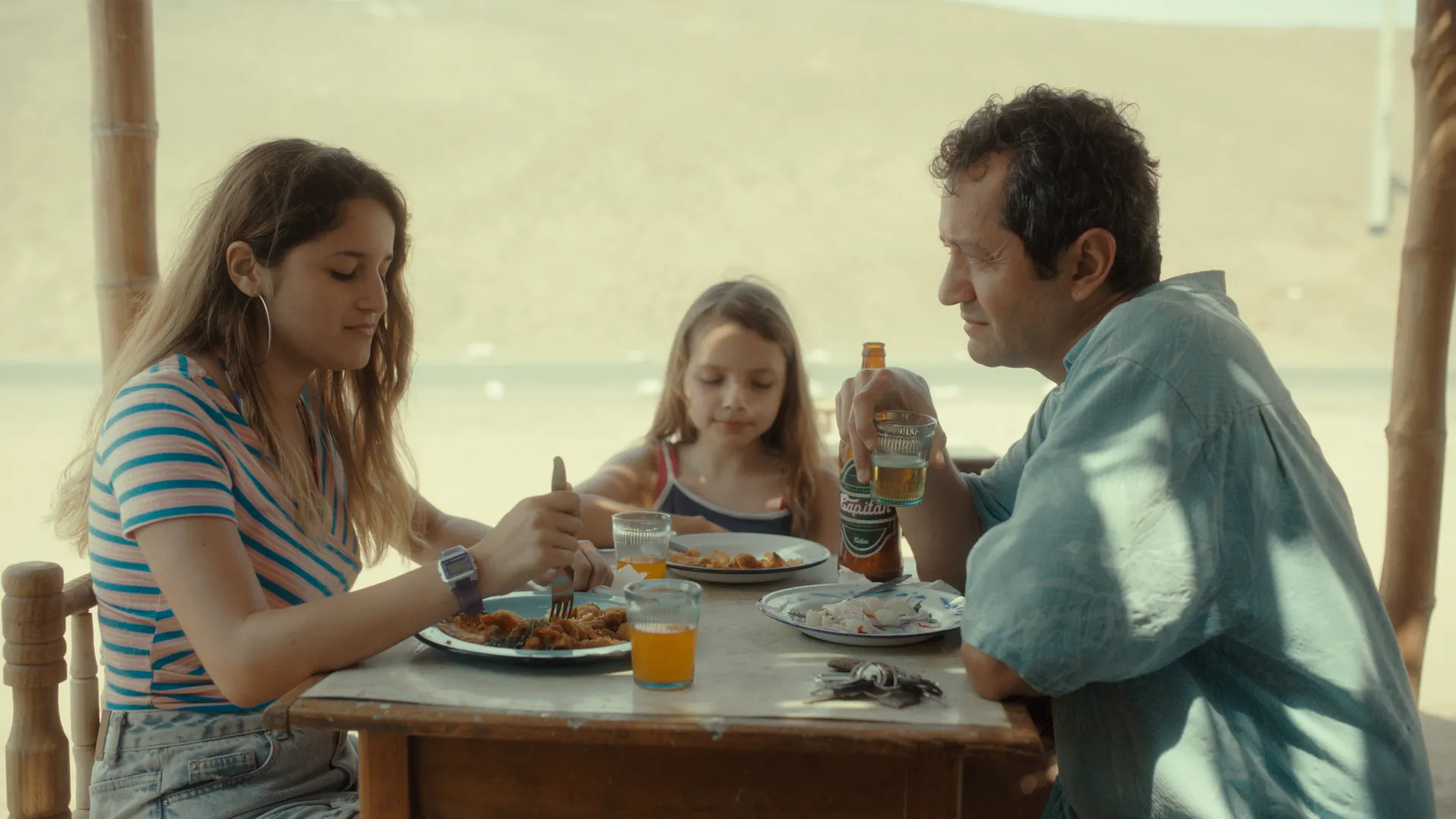
A shared laugh between Aurora and Carlos during a tense moment reveals the subtle strength required to survive. These brief interactions feel deeply human—symbols of the delicate connections that bind people together, even as circumstances become difficult.
The film’s emotional complexity creates its most compelling element, with outcomes feeling more like quiet acceptances than dramatic shifts. Carlos’s decision to allow his daughters to leave Peru represents a soft resignation, acknowledging that his love cannot protect them in a changing environment.
Family relationships remain complex, suspended between understanding and unresolved emotions. Aurora and Lucía depart with a nuanced awareness, recognizing their father’s love while carrying the weight of his limitations.
This open-ended narrative speaks to life’s deepest uncertainties. There is no clear comfort, no simplified resolution—only the lingering, unspoken sense of potential paths unexplored. Within this space of emotional ambiguity, Reinas reveals its raw emotional depth, inviting viewers to sit with its quiet, profound sadness.
Echoes of Fragility: Final Reflections on Reinas
Reinas presents a delicate yet uncompromising examination of family during tumultuous times. Klaudia Reynicke, influenced by her Swiss-Peruvian roots, infuses the story with nuanced depth that feels deeply personal and widely relatable. Her approach remains compassionate yet clear-eyed, revealing characters’ complexities with raw emotional precision.
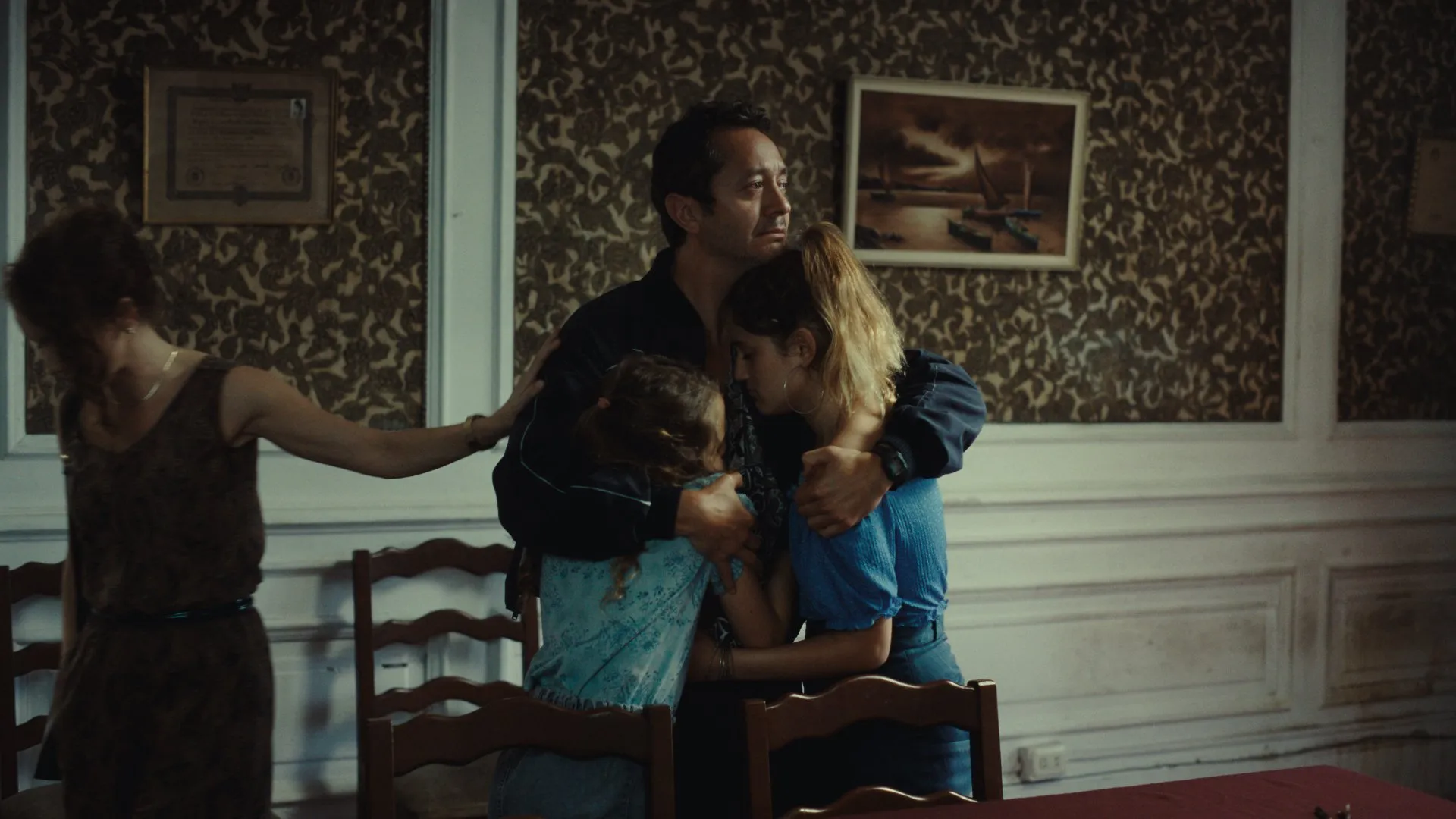
The film explores transformation’s inevitability, familial connections’ fragility, and belonging’s elusive nature. Reynicke creates a narrative where personal experiences intertwine with broader societal currents, where family moments reflect deeper emotional landscapes. This subtle intersection transforms the story from a simple family account to a profound meditation on human experience.
Reinas resonates with viewers through its stark depiction of endurance amid uncertainty. Its characters wrestle between hope and desperation, reflecting shared human struggles to find meaning within unpredictable circumstances.
Through unspoken moments and open-ended scenes, the film emerges as a poetic statement—suggesting life continues, raw and beautiful, even when familiar structures crumble.
The Review
Reinas
Reinas offers an understated glimpse into fractured relationships and resilience within Peru's complex landscape. Klaudia Reynicke weaves a narrative through personal and political threads, creating an experience that resonates with quiet moments of imperfection. The film explores family, love, and transformation through an authentic lens, capturing cultural subtleties with emotional precision. Viewers might find the film's rhythm contemplative, yet its visual and thematic qualities create a compelling cinematic experience.
PROS
- Vivid depiction of 1992 Peru, balancing political and personal turmoil.
- Nuanced portrayals of family dynamics and flawed yet relatable characters.
- Understated narrative and visual style that enhances emotional depth.
- Genuine references to Peruvian culture and history.
- Thoughtful exploration of hope, disillusionment, and unresolved relationships.
CONS
- Slow tempo may feel overly drawn out for some viewers.
- Limited emotional peaks can make the story feel flat at times.
- Certain characters lack sufficient depth and backstory.