




















• Latest
  • Trending
Toxic Harmony Review

Toxic Harmony Review: Exploitation Meets Uninspired Thriller

The City of the Living Review

The City of the Living Review: Ordinary Life Becomes the Source of Its Grief

15/18 A Place to Heal Review

15/18 A Place to Heal Review: Who Gets to Define Recovery?

The Basics of Philosophy Review

The Basics of Philosophy Review: Paul Schrader Turns Moral Certainty Into Suspense

Bucking Fastard Review

Bucking Fastard Review: Herzog’s Ireland Exists Somewhere Between Reality and Folklore

BLACKWOOD Review

BLACKWOOD Review: Stylish Takedowns, Shaky Foundations

Too Much Sugar Review

Too Much Sugar Review: The Best Scenes Escape the Script

House Of The Wind Review

House Of The Wind Review: Waiting for a Family to Come Home

Gandhari Review

Gandhari Review: A Rich Mythology Trapped Inside a Familiar Thriller

Fito Páez: The World Within a Song Review

Fito Páez: The World Within a Song Review: Intimacy Works Best When Control Breaks

11 hours ago
Sniper Dan Review

Sniper Dan Review: The Real Skill Is Knowing Where to Look

Lovesick Review

Lovesick Review: Revolution Outside, Restriction at Home

The Scandal Review

The Scandal Review: Seduction Is the Least Scandalous Part

  • Home
  • Privacy Policy
  • Terms and Conditions
  • Gazettely Review Guidelines
Sunday, September 20, 2026
GAZETTELY
  • Home
  • Movie and TV News
    Matt Reeves

    Matt Reeves Teases “The Batman Part II” With Snowy Image That Fans Say Shows a Gotham Junkyard

    Monster The Lizzie Borden Story

    Inside the Real Friendship Between Lizzie Borden and Actor Nance O’Neil

    Naomi Watts

    Naomi Watts Dedicates San Sebastián’s Donostia Award to David Lynch: ‘I Miss You’

    Digger

    Tom Cruise Cut ‘Digger’ Prosthetics Time From Six Hours to Under One

    Sweet Magnolias

    ‘Sweet Magnolias’ Creator Bids Farewell to Serenity: ‘Keep Pouring It Out!’

    Hannah Waddingham and Octavia Spencer

    Prime Video Cancels Hit ‘Ride or Die’ After One Season

    Mark Ruffalo

    Mark Ruffalo to California AG: ‘Do Not Cave’ on Paramount-Warner Bros. Deal

    Ruby Rose Hayden Panettiere

    Ruby Rose Tears Up Remembering ‘Best Friend’ Hayden Panettiere

    Alan Ritchson

    Alan Ritchson Reveals the ‘Reacher’ Season That Never Happened

  • Movie and TV Reviews
    The City of the Living Review

    The City of the Living Review: Ordinary Life Becomes the Source of Its Grief

    15/18 A Place to Heal Review

    15/18 A Place to Heal Review: Who Gets to Define Recovery?

    The Basics of Philosophy Review

    The Basics of Philosophy Review: Paul Schrader Turns Moral Certainty Into Suspense

    Bucking Fastard Review

    Bucking Fastard Review: Herzog’s Ireland Exists Somewhere Between Reality and Folklore

    Too Much Sugar Review

    Too Much Sugar Review: The Best Scenes Escape the Script

    House Of The Wind Review

    House Of The Wind Review: Waiting for a Family to Come Home

    Gandhari Review

    Gandhari Review: A Rich Mythology Trapped Inside a Familiar Thriller

    Fito Páez: The World Within a Song Review

    Fito Páez: The World Within a Song Review: Intimacy Works Best When Control Breaks

    Lovesick Review

    Lovesick Review: Revolution Outside, Restriction at Home

  • Game Reviews
    BLACKWOOD Review

    BLACKWOOD Review: Stylish Takedowns, Shaky Foundations

    Sniper Dan Review

    Sniper Dan Review: The Real Skill Is Knowing Where to Look

    The Walking Dead: Streets of Survival Review

    The Walking Dead: Streets of Survival Review: Rick and Company Enter the Arcade

    Woodo Review

    Woodo Review: Finding Wonder Beyond the Screen

    Train Sim World 7 Review

    Train Sim World 7 Review: Three Railways, Three Different Rhythms

    Aniimo Review

    Aniimo Review: Great Creatures Trapped Behind Too Many Menus

    Fire Emblem: Fortune’s Weave Review

    Fire Emblem: Fortune’s Weave Review: Intelligent Systems Thinks Bigger

    Trails in the Sky 2nd Chapter Review

    Trails in the Sky 2nd Chapter Review: Estelle Steps Out on Her Own

    Another Eden Begins Review

    Another Eden Begins Review: A Strong JRPG Still Haunted by Its Mobile Past

  • The Bests
No Result
View All Result
  • Home
  • Movie and TV News
    Matt Reeves

    Matt Reeves Teases “The Batman Part II” With Snowy Image That Fans Say Shows a Gotham Junkyard

    Monster The Lizzie Borden Story

    Inside the Real Friendship Between Lizzie Borden and Actor Nance O’Neil

    Naomi Watts

    Naomi Watts Dedicates San Sebastián’s Donostia Award to David Lynch: ‘I Miss You’

    Digger

    Tom Cruise Cut ‘Digger’ Prosthetics Time From Six Hours to Under One

    Sweet Magnolias

    ‘Sweet Magnolias’ Creator Bids Farewell to Serenity: ‘Keep Pouring It Out!’

    Hannah Waddingham and Octavia Spencer

    Prime Video Cancels Hit ‘Ride or Die’ After One Season

    Mark Ruffalo

    Mark Ruffalo to California AG: ‘Do Not Cave’ on Paramount-Warner Bros. Deal

    Ruby Rose Hayden Panettiere

    Ruby Rose Tears Up Remembering ‘Best Friend’ Hayden Panettiere

    Alan Ritchson

    Alan Ritchson Reveals the ‘Reacher’ Season That Never Happened

  • Movie and TV Reviews
    The City of the Living Review

    The City of the Living Review: Ordinary Life Becomes the Source of Its Grief

    15/18 A Place to Heal Review

    15/18 A Place to Heal Review: Who Gets to Define Recovery?

    The Basics of Philosophy Review

    The Basics of Philosophy Review: Paul Schrader Turns Moral Certainty Into Suspense

    Bucking Fastard Review

    Bucking Fastard Review: Herzog’s Ireland Exists Somewhere Between Reality and Folklore

    Too Much Sugar Review

    Too Much Sugar Review: The Best Scenes Escape the Script

    House Of The Wind Review

    House Of The Wind Review: Waiting for a Family to Come Home

    Gandhari Review

    Gandhari Review: A Rich Mythology Trapped Inside a Familiar Thriller

    Fito Páez: The World Within a Song Review

    Fito Páez: The World Within a Song Review: Intimacy Works Best When Control Breaks

    Lovesick Review

    Lovesick Review: Revolution Outside, Restriction at Home

  • Game Reviews
    BLACKWOOD Review

    BLACKWOOD Review: Stylish Takedowns, Shaky Foundations

    Sniper Dan Review

    Sniper Dan Review: The Real Skill Is Knowing Where to Look

    The Walking Dead: Streets of Survival Review

    The Walking Dead: Streets of Survival Review: Rick and Company Enter the Arcade

    Woodo Review

    Woodo Review: Finding Wonder Beyond the Screen

    Train Sim World 7 Review

    Train Sim World 7 Review: Three Railways, Three Different Rhythms

    Aniimo Review

    Aniimo Review: Great Creatures Trapped Behind Too Many Menus

    Fire Emblem: Fortune’s Weave Review

    Fire Emblem: Fortune’s Weave Review: Intelligent Systems Thinks Bigger

    Trails in the Sky 2nd Chapter Review

    Trails in the Sky 2nd Chapter Review: Estelle Steps Out on Her Own

    Another Eden Begins Review

    Another Eden Begins Review: A Strong JRPG Still Haunted by Its Mobile Past

  • The Bests
No Result
View All Result
GAZETTELY
No Result
View All Result
Toxic Harmony Review

Defender's Quest 2: Mists of Ruin Review – Polished Gameplay Meets Engaging Characters

Resynator Review: Rediscovering the Past Through Music and Memory

Home Entertainment Movies

Toxic Harmony Review: Exploitation Meets Uninspired Thriller

Exploring the Shallow Side of the Music Industry: How Toxic Harmony Misses Its Mark on Drama and Suspense

Caleb Anderson by Caleb Anderson
2 years ago
in Entertainment, Movies, Reviews
Reading Time: 5 mins read
A A
0
Share on FacebookShare on TwitterShare on PinterestShare on WhatsAppShare on TelegramSummarize with ChatGPTSummarize with Perplexity

Toxic Harmony presents a familiar story of ambition and exploitation in the music industry. Constance, an aspiring singer, seeks to enter the business with her well-meaning but ineffective boyfriend-manager, Lucas. This introduces her to Tyree and J-Money, two label executives who promise her a chance at success.

As Constance delves deeper into the industry, the darker aspects of Arbor Way Records surface, exposing underlying corruption and manipulation. The plot races through these developments, providing minimal suspense or surprise. The final segment feels rushed, with multiple murders occurring quickly but lacking the necessary build-up or emotional depth to create impact.

The narrative lacks originality—events unfold exactly as the audience anticipates. The story follows a traditional path, avoiding risks and missing opportunities for a more compelling exploration of its themes. The film’s conventional approach results in a predictable and unsatisfying conclusion.

Character Development and Performances

Constance, an aspiring singer, ventures into the challenging world of the music industry. Her path is marked by compromise—confronting the brutal landscape of fame, she gradually erodes her artistic principles in pursuit of recognition.

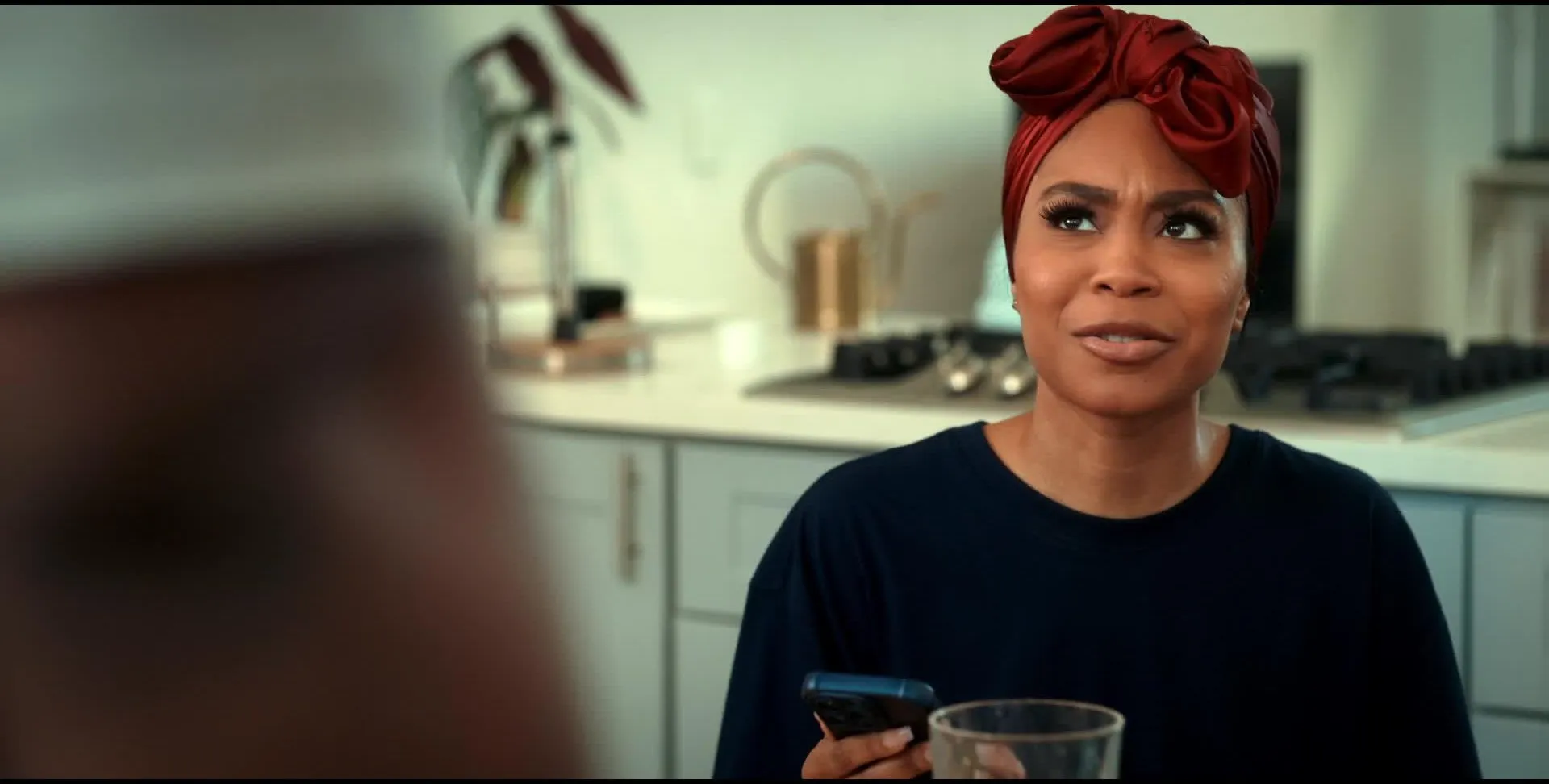
Ashley Love-Mills portrays Constance with a powerful, layered performance, blending her character’s fragility with moments of wit and resilience. She creates a magnetic screen presence, elevating Constance beyond the typical naive newcomer archetype. Love-Mills infuses the character with raw intensity, anchoring her journey with emotional authenticity.

The supporting cast appears more like narrative devices than fully realized characters. Lucas, Constance’s boyfriend-manager, emerges as an ineffective supporter. His struggles with industry dynamics intensify Constance’s challenges, yet his personal trajectory remains unexplored.

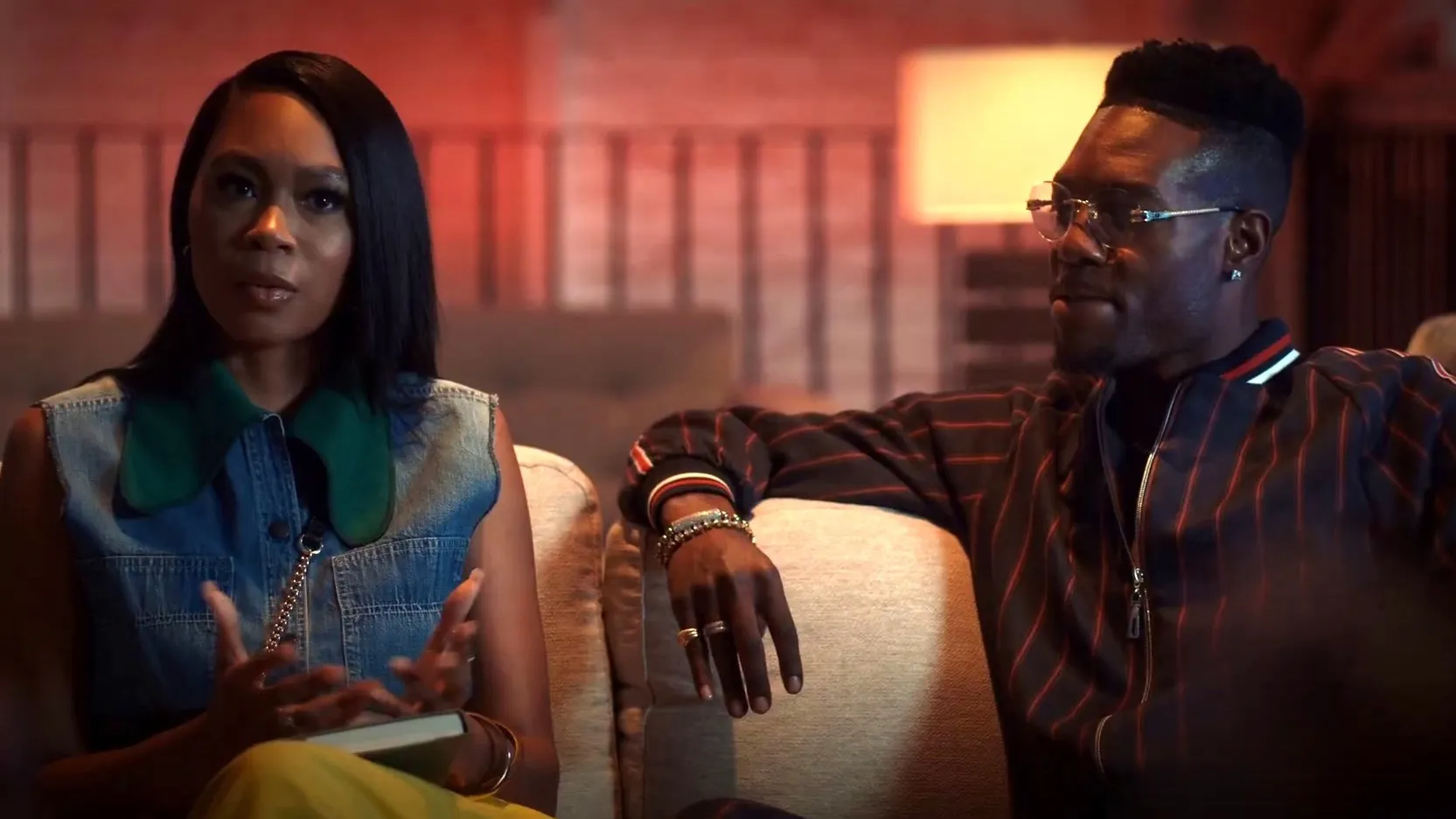
Tyree and J-Money, music executives manipulating Constance, symbolize the industry’s shadowy underbelly. Their sparse backstories prevent them from becoming multidimensional antagonists. Darla, a former artist turned addict who attempts to warn Constance, represents another underdeveloped character. Her tragic history, intended as a warning, feels disconnected—her cautionary message lacks emotional weight due to limited character development.

The interaction between Constance and Tyree provides glimpses of compelling dramatic potential. Their relationship, charged with professional ambition and romantic tension, hints at deeper narrative possibilities. Regrettably, this dynamic remains superficial—similar to Constance’s connection with V Shaw, which could have offere

Themes and Social Commentary

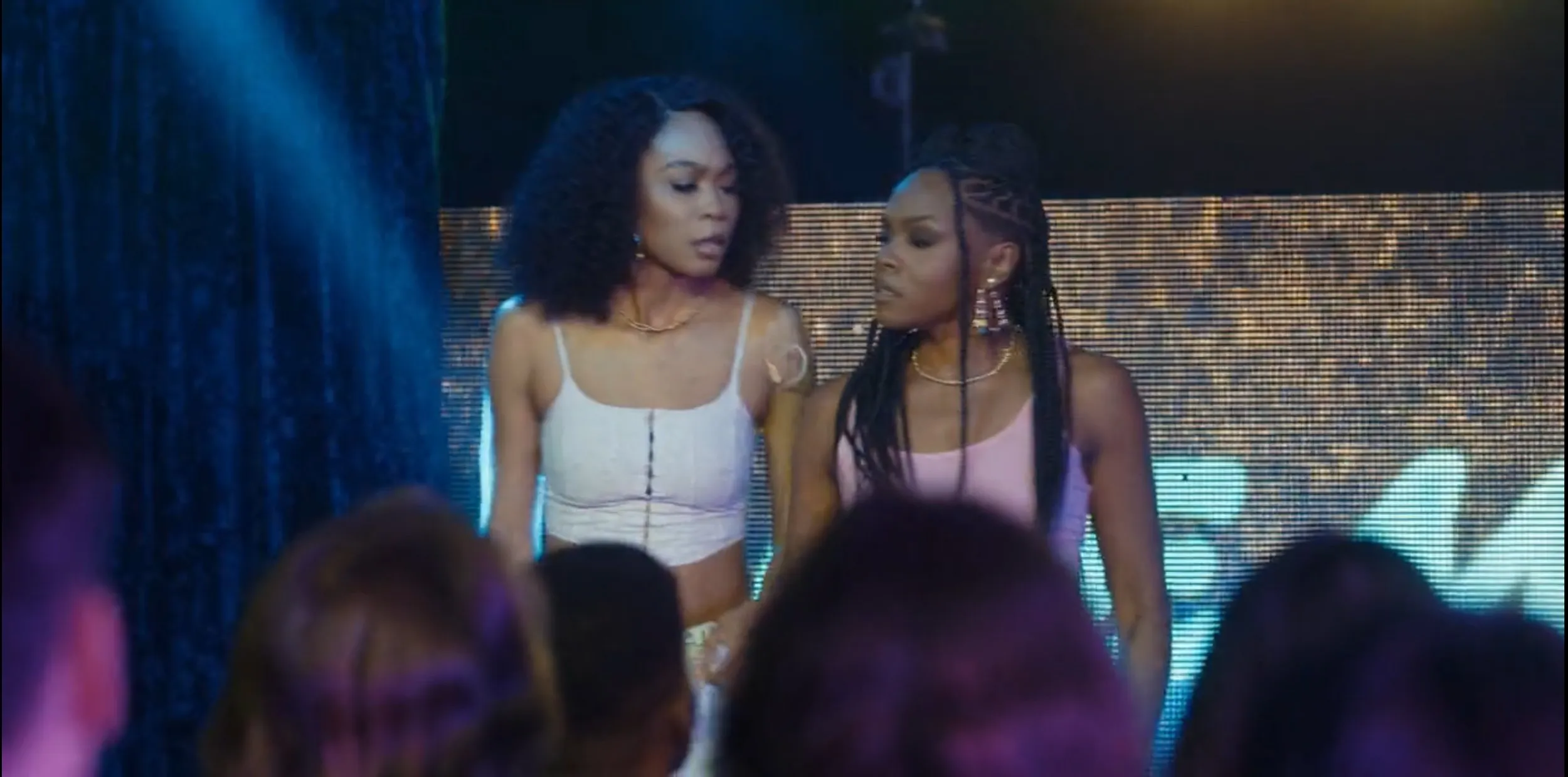
Toxic Harmony explores the treacherous landscape of artistic ambition and industry manipulation. Constance’s path to recognition happens quickly, carrying a significant emotional toll.
Toxic Harmony Review

She sacrifices her artistic vision for momentary fame, revealing the music industry’s predatory mechanisms. The narrative exposes the challenging environment for female artists, connecting to broader discussions about power structures and exploitation.

The film’s underlying themes echo recent cultural conversations about systemic misconduct. Music executives Tyree and J-Money represent manipulative forces, mirroring real-world scandals exposed by activist movements.

Their interactions with Constance reflect patterns of control and abuse prevalent in entertainment circles. While the film references broader social issues, its treatment remains somewhat generic, stopping short of deep analytical insights.

Darla, a former artist struggling with addiction, appears as a potential warning symbol. Her character offers glimpses into the industry’s destructive patterns.

Regrettably, her narrative remains incomplete—her backstory and significance are barely touched, leaving her role feeling peripheral and underdeveloped. The film gestures toward critical commentary without fully excavating the systemic challenges facing young artists.

Direction and Cinematography

Kevin Arbouet’s direction of Toxic Harmony feels serviceable but uninspired. The film struggles to generate meaningful suspense or dramatic intensity.
Toxic Harmony Review

Arbouet follows standard genre conventions without introducing creative elements that might energize the narrative. His approach remains conservative, missing opportunities to explore the psychological landscape of the music industry’s darker side.

Specific moments reveal glimpses of directorial potential. A time-lapse sequence showing Constance collapsing onto a couch captures her emotional and physical deterioration with striking visual language. This brief scene stands out as a rare moment of creative risk-taking, using visual technique to communicate character experience beyond traditional storytelling methods.

The film’s visual approach ultimately feels pedestrian. Cinematography and lighting remain functional without adding emotional depth or atmospheric complexity. Despite the inherently dramatic world of the music business, the visual style remains muted and conventional. Opportunities to contrast external glamour with internal corruption go unexplored, leaving the film’s visual language as unremarkable as its narrative approach.

Music and Sound Design

Music in Toxic Harmony attempts to establish the film’s industrial backdrop, yet falls short of creating meaningful atmosphere. The soundtrack emerges as a generic collection of forgettable tracks that fail to capture the music world’s complexity.
Toxic Harmony Review

Pop songs play without purpose, serving as background noise rather than narrative support. These selections lack depth, representing the industry’s superficial nature without genuine artistic exploration.

Musical performances featuring Constance appear stilted and artificial. Excessive audio manipulation through autotune strips away her character’s emotional authenticity.

The processed vocals create emotional distance, undermining the story’s core themes of artistic integrity and personal struggle. What could have been raw, powerful moments become sterile and manufactured representations of musical expression.

Sound design remains passive throughout the film. Sonic elements miss opportunities to build tension or communicate psychological nuance.

The audio landscape feels perfunctory—technical without creativity, functional without feeling. Potential to explore the music industry’s intricate emotional terrain goes unexplored, leaving the film’s sensory experience flat and unengaging.

Tone and Genre

Toxic Harmony struggles to establish itself within the thriller genre. The film introduces dark themes of music industry exploitation but fails to generate meaningful narrative tension.
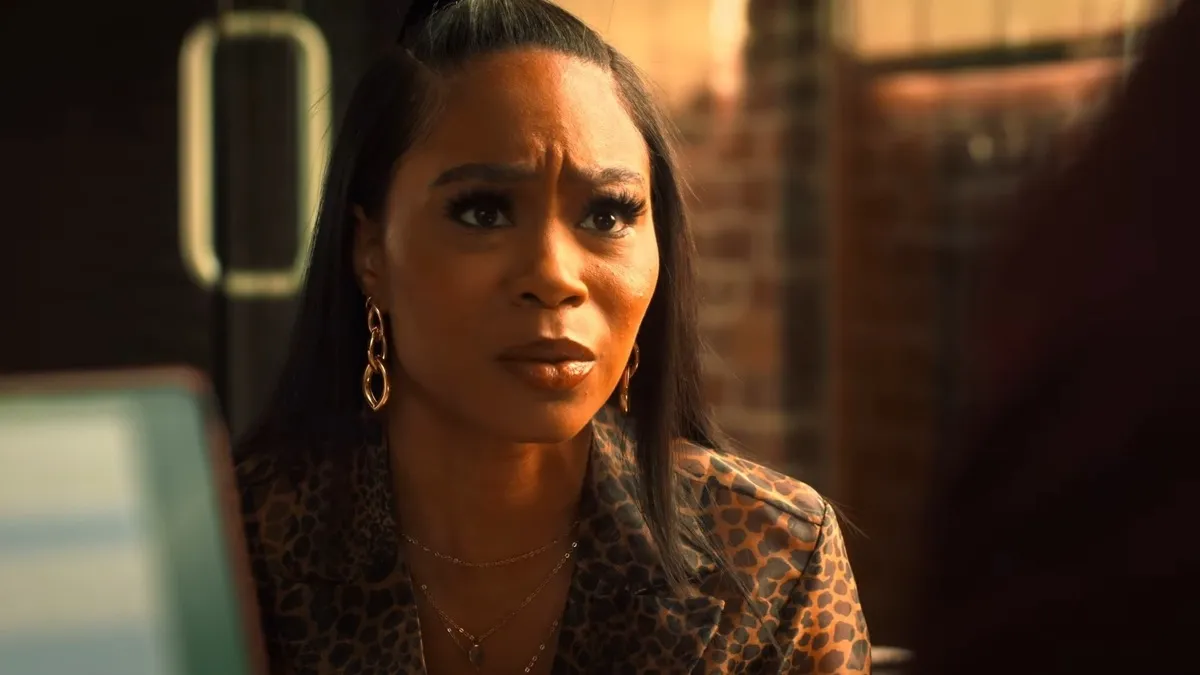
Toxic Harmony Review

Plot developments feel predictable, stripping away potential emotional impact. Each scene moves without creating genuine suspense or psychological depth.

Dramatic elements appear superficial and unconvincing. The story attempts to explore systemic manipulation of female artists, yet melodramatic approaches undermine serious subject matter. Tonal shifts between serious commentary and dramatic storytelling create an unbalanced narrative experience. The film’s exploration of industry corruption remains shallow and unconvincing.

Compared to similar genre films, Toxic Harmony lacks distinctive qualities. The narrative misses opportunities to shock or emotionally engage viewers. Without clear artistic vision, the film feels forgettable—a generic exploration of music industry challenges that fails to leave a lasting impression.

Pacing and Editing

Toxic Harmony suffers from severe pacing problems. The initial segments crawl, filled with unnecessary scenes that drain narrative energy.
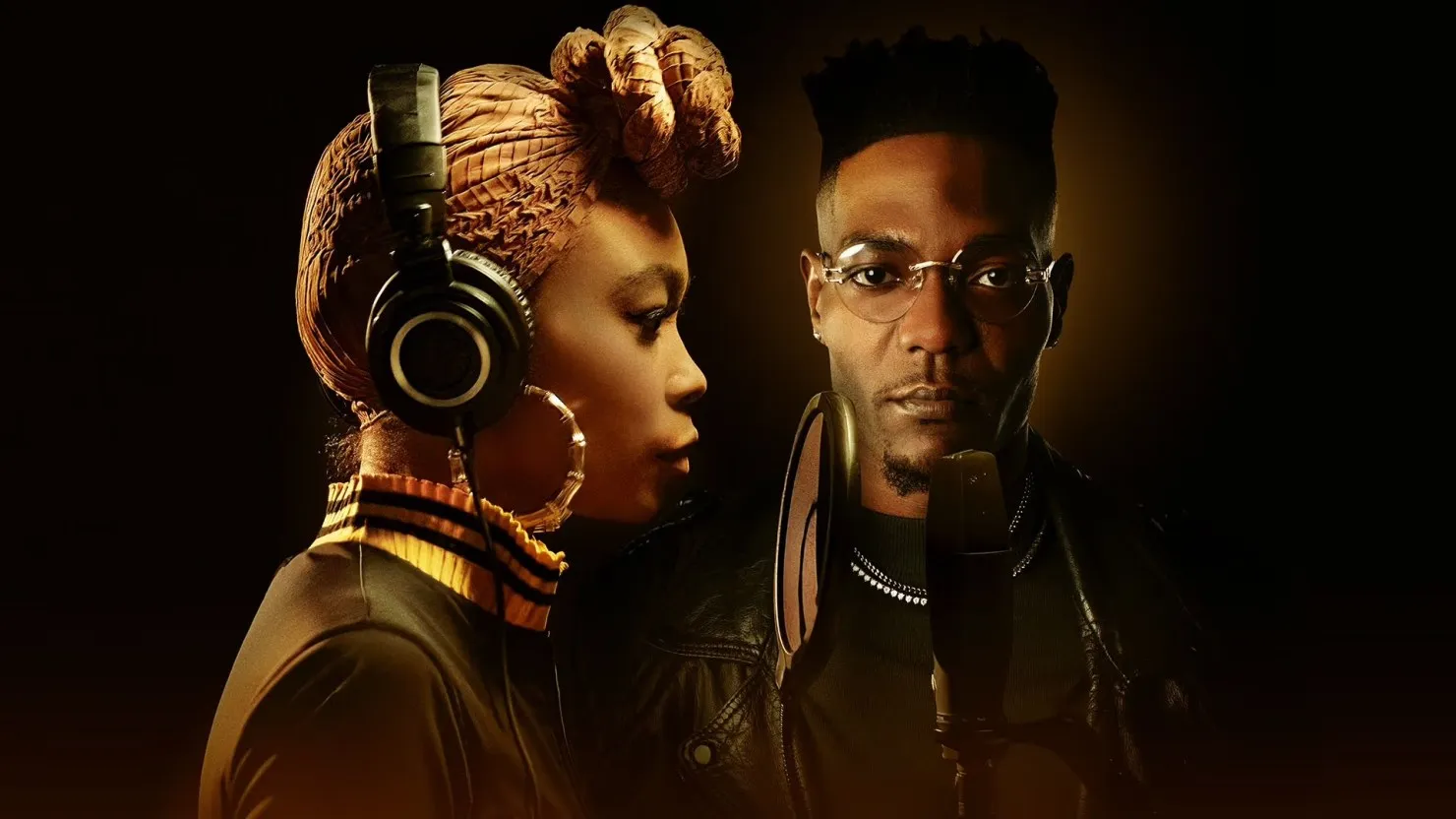
Toxic Harmony Review

Constance’s trajectory through the music industry lacks tension or engagement. Moments that could explore psychological impacts of artistic manipulation remain underdeveloped, replaced by tedious storytelling that struggles to maintain viewer interest.

The film’s climax arrives abruptly and without impact. Shocking events—multiple murders—happen in rapid succession, devoid of emotional context. These plot twists feel manufactured, failing to generate genuine dramatic weight. Narrative threads collapse under weak storytelling, leaving audiences disconnected from character experiences.

Editing compounds the film’s structural weaknesses. Scene transitions appear chaotic and disjointed, interrupting narrative flow. Sudden shifts between plot points prevent meaningful audience connection. The visual storytelling feels fragmented, creating a disorienting viewing experience that undermines any potential dramatic momentum.

The Review

Toxic Harmony

4 Score

Toxic Harmony struggles to deliver on its thriller premise, faltering in both pacing and narrative depth. While the film touches on relevant themes of exploitation and ambition, it fails to execute them in a way that resonates or creates tension. The performances are solid, but the lack of a compelling plot and the rushed climax make it difficult to fully engage with the story. Ultimately, Toxic Harmony falls short of its potential, feeling more like a missed opportunity than a memorable thriller.

PROS

  • Solid performances, particularly from Ashley Love-Mills as Constance.

CONS

  • Slow pacing and a rushed, unsatisfying climax.
  • Sloppy editing and transitions that disrupt the narrative flow.
  • Missed opportunity for deeper exploration of its themes.
  • Lack of suspense and a predictable plot.

Review Breakdown

  • Overall 0
Tags: Autumn Paige CowanBlacknileDonovan W. CarterFeaturedKevin ArbouetMiah BlakeMusicSavoy BaileyToxic Harmony
Previous Post

Defender’s Quest 2: Mists of Ruin Review – Polished Gameplay Meets Engaging Characters

Next Post

Resynator Review: Rediscovering the Past Through Music and Memory

This Week's Top Reads

  • Is This Seat Taken? Review

    Is This Seat Taken? Review: A Satisfying Mental Workout

    1287 shares
    Share 0 Tweet 0
  • Peter Farrelly’s “I Play Rocky” Scores TIFF Standing Ovation, Eyes Oscar Run

    0 shares
    Share 0 Tweet 0
  • Fauda Season 5 Review: Revenge Crosses the Mediterranean

    1 shares
    Share 0 Tweet 0
  • Agatha Christie’s Tommy & Tuppence Review: Two Great Detectives Need Sharper Mysteries

    0 shares
    Share 0 Tweet 0
  • The Perfect Lie Review: The Dinner Club Knows How to Keep a Secret

    0 shares
    Share 0 Tweet 0
  • Tom Pelphrey Wins First Emmy, Dedicates It to Pregnant Kaley Cuoco

    0 shares
    Share 0 Tweet 0
  • Trust Review: Squandered Potential and an Incoherent Plot

    6 shares
    Share 0 Tweet 0

Must Read Articles

Gandhari Review
Movies

Gandhari Review: A Rich Mythology Trapped Inside a Familiar Thriller

8 hours ago
Lovesick Review
TV Shows

Lovesick Review: Revolution Outside, Restriction at Home

12 hours ago
Daniel and the Fiery Furnace Review
Movies

Daniel and the Fiery Furnace Review: Its Quietest Moments Burn Brightest

13 hours ago
Youth Review
TV Shows

Youth Review: Growing Up Does Not End at 50

13 hours ago
City of Blood Review
TV Shows

City of Blood Review: Too Many Stories Fighting for the Same Screen

15 hours ago
Loading poll ...
Coming Soon
Which of Alfred Hitchcock's 1960s thrillers is your all-time favorite?

Gazettely is your go-to destination for all things gaming, movies, and TV. With fresh reviews, trending articles, and editor picks, we help you stay informed and entertained.

© 2021-2026 All Rights Reserved for Gazettely

What’s Inside

  • Movie & TV Reviews
  • Game Reviews
  • Featured Articles
  • Latest News
  • Editorial Picks

Quick Links

  • Home
  • About US
  • Contact Us
  • Advertise with Us
  • Review Guidelines

Follow Us

Facebook X-twitter Youtube Instagram
No Result
View All Result
  • Gazettely | Movie, TV & Game Reviews, News, and Rankings
  • Movies
  • Entertainment News
  • Movie and TV Reviews
  • TV Shows
  • Game News
  • Game Reviews
  • Contact Us

© 2024 All Rights Reserved for Gazettely