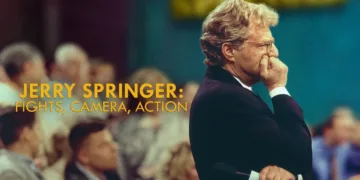



















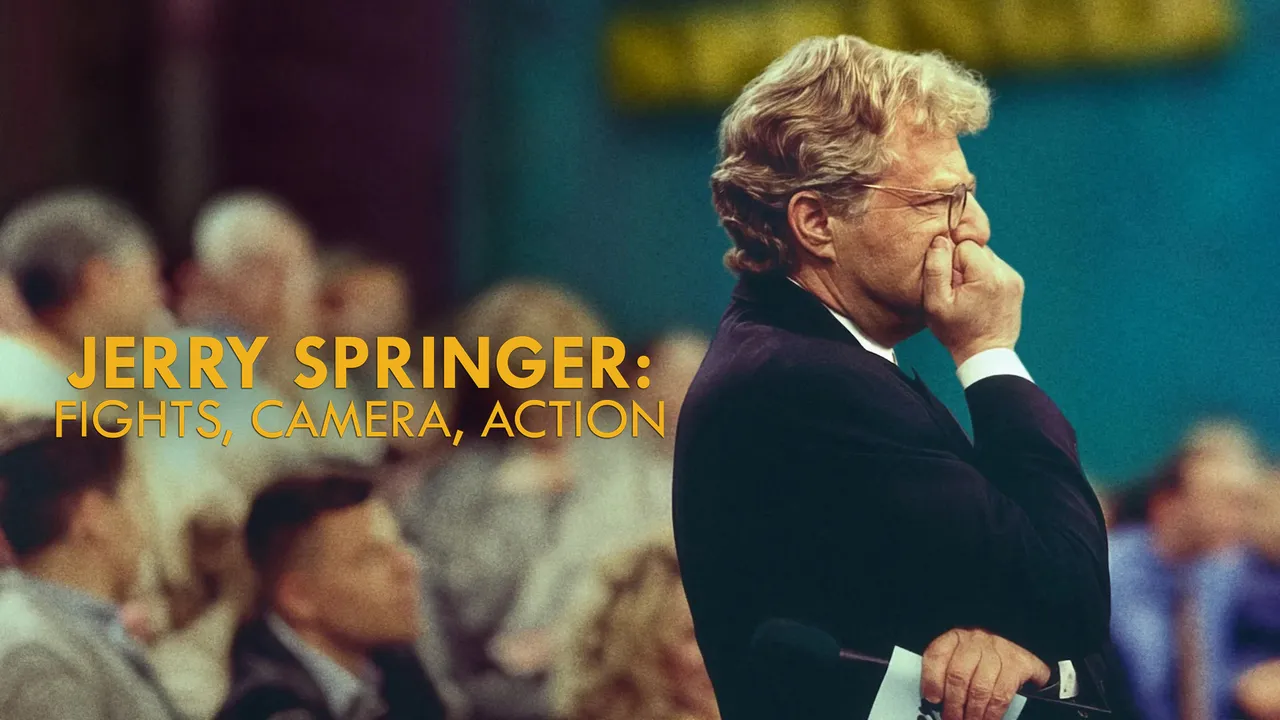

“Jerry Springer: Fights, Camera, Action” unfolds in two segments that examine the notorious talk show’s transformation over time. The series adopts a reflective lens, using behind-the-scenes material and archival recordings to track how a conventional talk show gradually morphed into a stage for wild confrontations. The presentation interlaces historical recollections with practical insights into production decisions that shaped its evolution.
The series takes on the task of mapping the progression from a moderated discussion format to a live spectacle where tension and chaos dominated. It draws attention to the methods used by producers to orchestrate staged conflicts, and the ethical questions arising from the manipulation of guests caught in dramatic circumstances.
The narrative invites viewers to consider the impact of these production choices on both the audience and the participants, setting a frame for broader discussions about responsibility in television production.
This opening section outlines the review’s approach: assessing historical context, examining production processes, and scrutinizing controversial moments that marked the show’s journey. The focus is on understanding how the series reflects shifts in media practices and the portrayal of social issues, along with its role in signaling changes in storytelling on streaming platforms.
Foundations and Early Transformations
Jerry Springer began his career as a respected news anchor, politician, and former mayor of Cincinnati, a role that once earned him public trust and civic admiration. His early work in journalism and public service portrayed him as a serious figure committed to reporting local issues with accuracy and integrity.
In those formative years, his approach was measured and grounded in community values. His work on local broadcasts focused on addressing societal concerns and facilitating debates that mattered to the public.
The television program that would later bear his name emerged in the early 1990s, initially designed as a forum for airing everyday social disputes and local controversies. In its original form, the show presented discussions that centered on family conflicts, community disputes, and regional issues.
It suffered from low viewership and was scheduled during off-peak hours, which limited its influence. Despite these challenges, the show maintained a tone of earnest conversation, a far cry from the sensational format it would eventually adopt.
A shift occurred as the need to attract a larger audience spurred significant changes in the show’s format. The program transitioned from a venue for thoughtful dialogue into a display characterized by heightened drama and provocative content.
Production decisions steered the series toward orchestrated confrontations and staged scenes intended to capture viewer attention on streaming platforms. This transformation marked a clear departure from the host’s earlier, dignified broadcast style, highlighting a significant change in the presentation of media that continues to affect television production practices today.
Transformation Under Richard Dominick
Richard Dominick’s entrance marked a turning point for the talk show. With a career rooted in provocative media, he brought an eye for creating buzz and a talent for turning everyday television into a stage for dramatic spectacles.
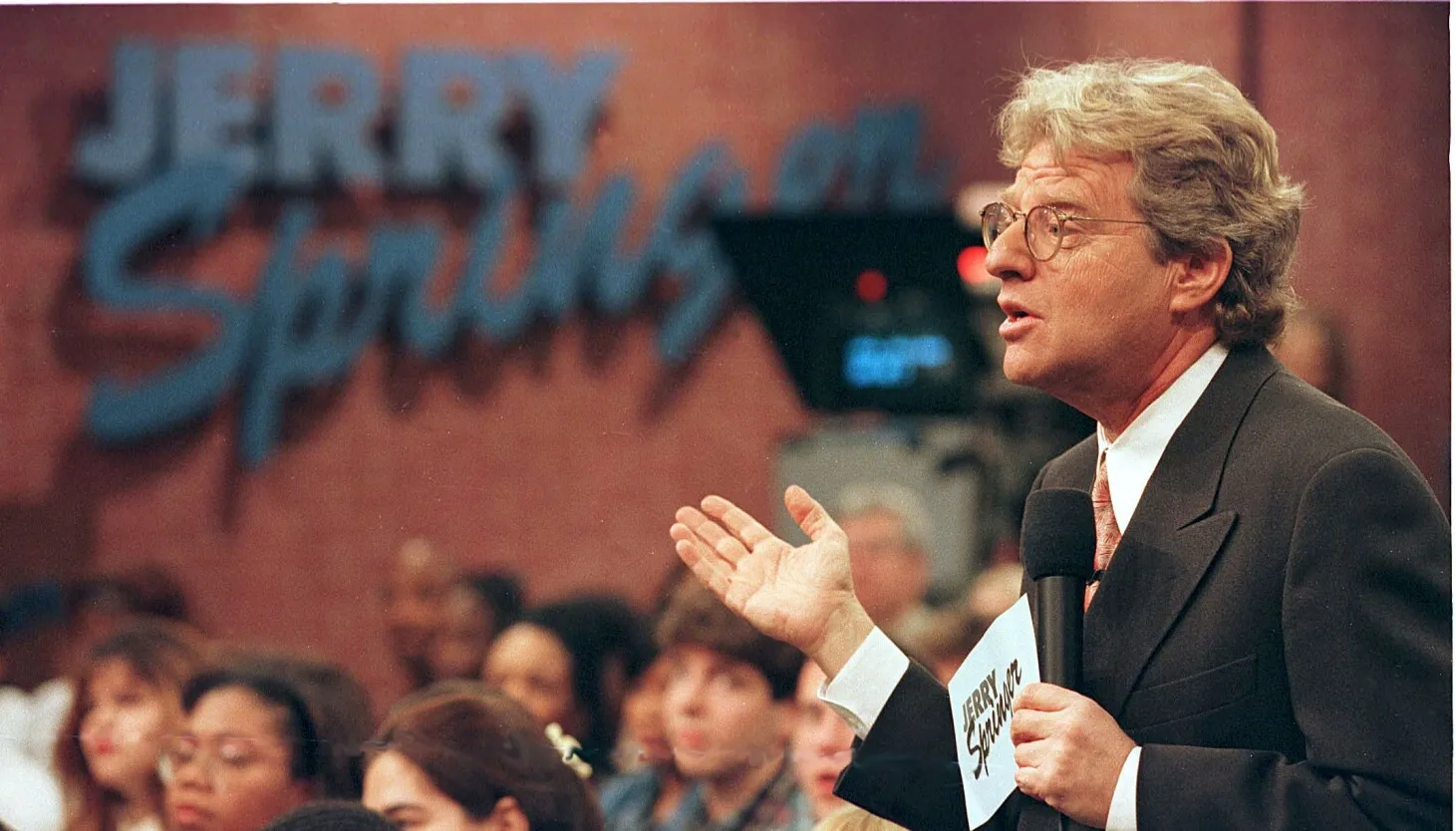
His experience in crafting headlines through shock value gave him the tools to change the show’s direction. Once he took the reins, the focus shifted from measured discussions to a format that thrived on unpredictable events and charged energy.
Under his guidance, the production team embraced tactics that encouraged the studio audience to become an active participant. The enthusiastic chant of “Jerry! Jerry! Jerry!” reverberated through the set, transforming the viewing experience into an event filled with palpable excitement.
The decision to stage confrontations and orchestrate physical altercations altered the pace and texture of each episode. This move shifted the show from a platform for community debates into one where conflicts were amplified, creating moments that kept viewers glued to their screens.
The change in approach was reflected in the immediate boost in viewership. Ratings experienced a significant lift as audiences tuned in for the unexpected intensity that now defined the program.
This surge of interest not only reshaped the reputation of daytime television but also set a fresh benchmark for how shows could capture the public’s attention. The revamped format influenced how stories are told on streaming platforms, hinting at future programming that prizes kinetic, unrestrained content over traditional, measured narratives.
Behind-the-Scenes Production Insights
Producers, bookers, and crew members formed a tightly knit unit responsible for orchestrating the show’s notorious appeal. Their efforts resembled that of stage directors in a live performance, where every reaction, every expression, and every sound was carefully timed to provoke a response.
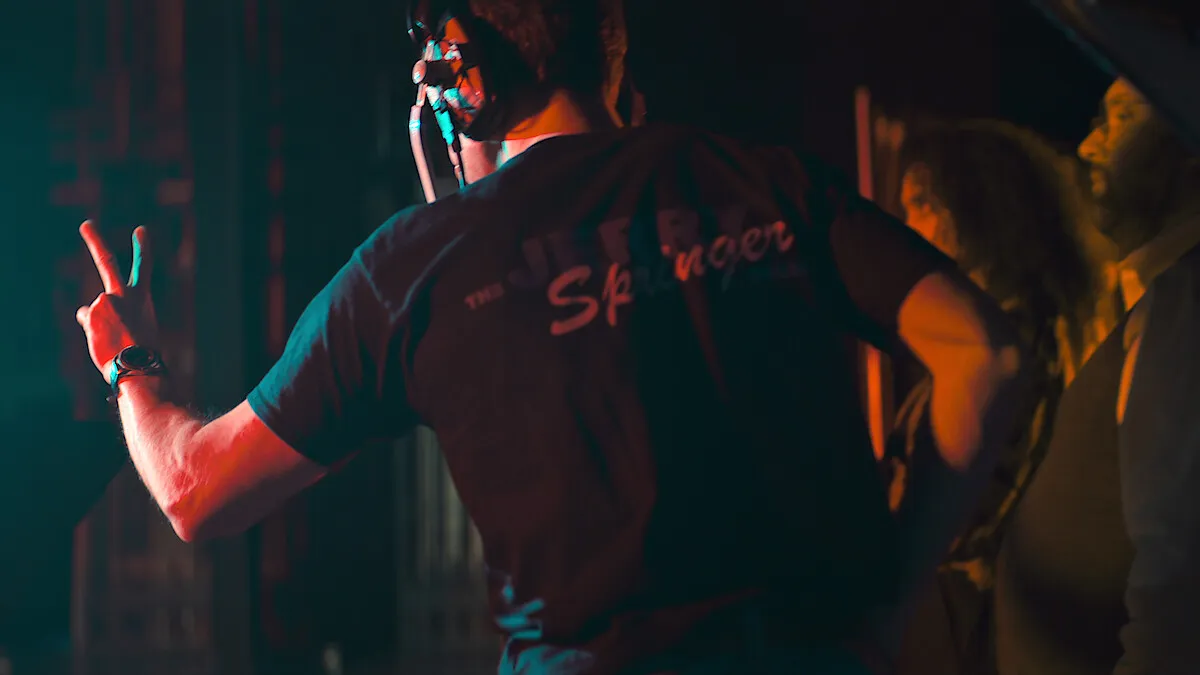
Staff were tasked with managing not just the flow of events, but also the atmosphere, ensuring that each confrontation felt both spontaneous and meticulously planned. The producers took charge of guiding guests through an experience that blurred the line between genuine emotion and constructed drama, molding every segment to capture peak viewer interest.
Guest recruitment involved offering tangible benefits—complimentary travel, accommodations, and other perks—creating a system that raised important questions about personal agency and exploitation. This approach created a working environment where participants received incentives that could be seen as both generous and manipulative.
The process demanded a fine balance, as the production team sought to secure engaging content without overstepping ethical lines. The choices made in guest management reveal a complex interplay between profit and responsibility, spotlighting the tensions inherent in presenting real-life struggles for public consumption.
Behind the scenes, the operational demands were intense. Anecdotes from the set depict a schedule marked by exhaustive hours and relentless pressure. Crew members managed unexpected challenges with a mix of calm efficiency and a touch of wry humor, as they coached guests and rehearsed on-air confrontations to ensure that every moment was both impactful and controlled.
This highly choreographed chaos transformed the production environment into a living case study on modern television practices, where calculated risk meets raw human emotion, offering a glimpse into how current media trends are shaping the future of televised storytelling.
Notable Episodes and Controversial Moments
The series presents episodes that have become emblematic of the show’s evolution into an arena of shock and spectacle. Titles such as “Wives Battle Mistresses!”, “I’m Pregnant by Your Man”, and “I Married a Horse” are not merely attention-grabbing; they serve as markers of a dramatic shift.
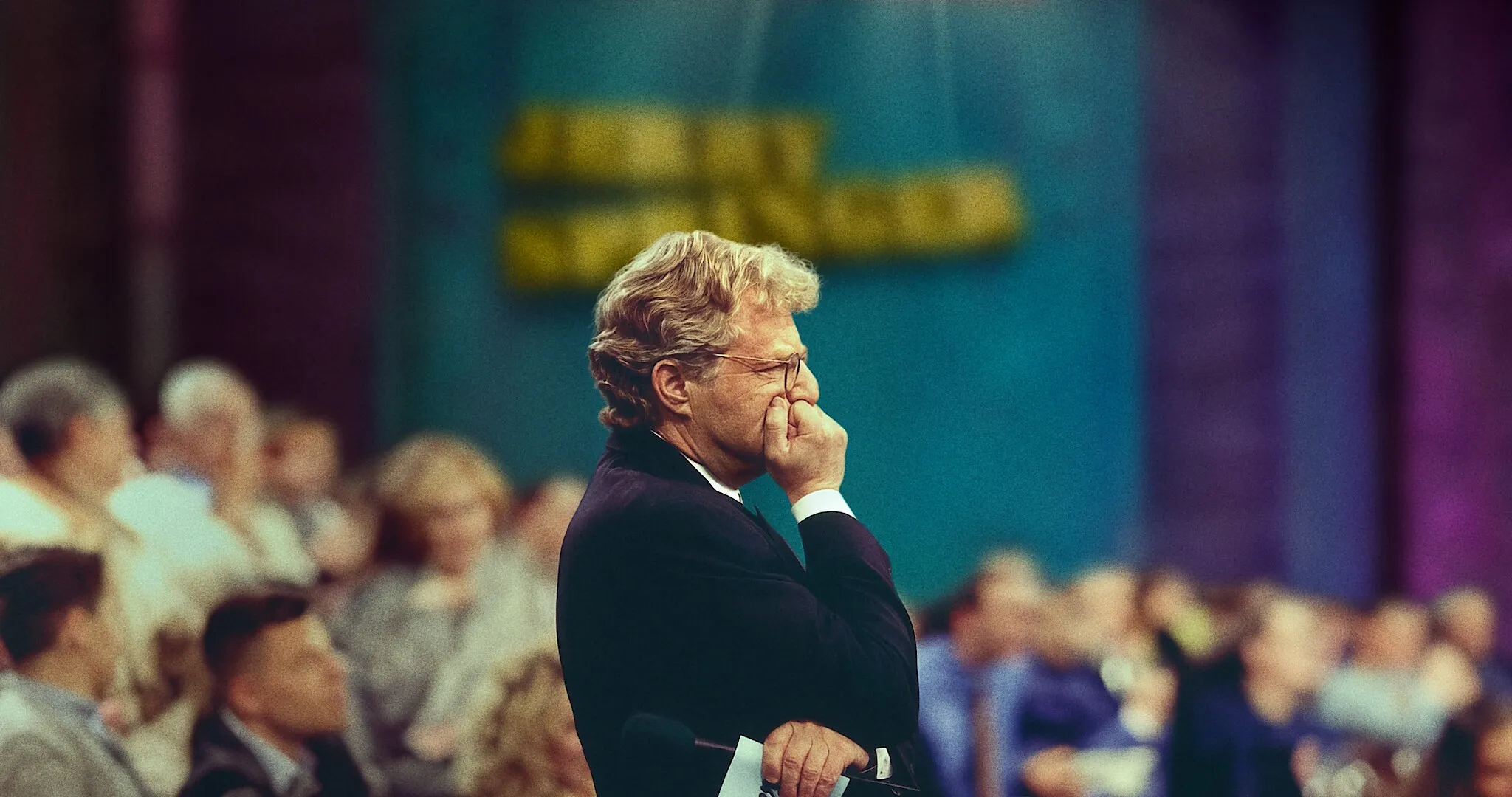
Each episode is constructed as a high-stakes performance designed to provoke intense viewer reactions. The deliberate choice of outlandish scenarios underlines a strategy to keep audiences fixated by tapping into raw human emotions.
The narrative takes a darker turn with incidents that extend beyond television theatrics. One of the most disturbing episodes involves Nancy Campbell-Panitz, whose appearance on the show coincided with a tragic event that shook public perceptions.
The fallout from this incident reveals a stark disparity between staged entertainment and its real-world implications. Other cases, where the production process manipulated guests into extreme behavior, have left a trail of unintended harm. These examples highlight a disquieting reality: the production team sometimes prioritized ratings over the welfare of the participants.
Within the studio, the ethical dilemmas were not mere theoretical debates but active challenges. The producers crafted moments that were engineered to spark conflict, while behind-the-scenes efforts to manage guest behavior were often at odds with the increasing demands of a curious public.
The practices adopted for guest preparation—ranging from providing travel incentives to offering luxurious accommodations—illustrate a calculated attempt to blur the line between genuine personal crises and orchestrated drama.
Such decisions expose a tension where audience appetites for sensationalism collide with the responsibility that television production holds towards its contributors.
Cultural Impact and Legacy
The transformation seen under this series set new standards for television formats that now dominate unscripted programming. Its shift toward spectacle influenced subsequent productions in reality and talk show genres.
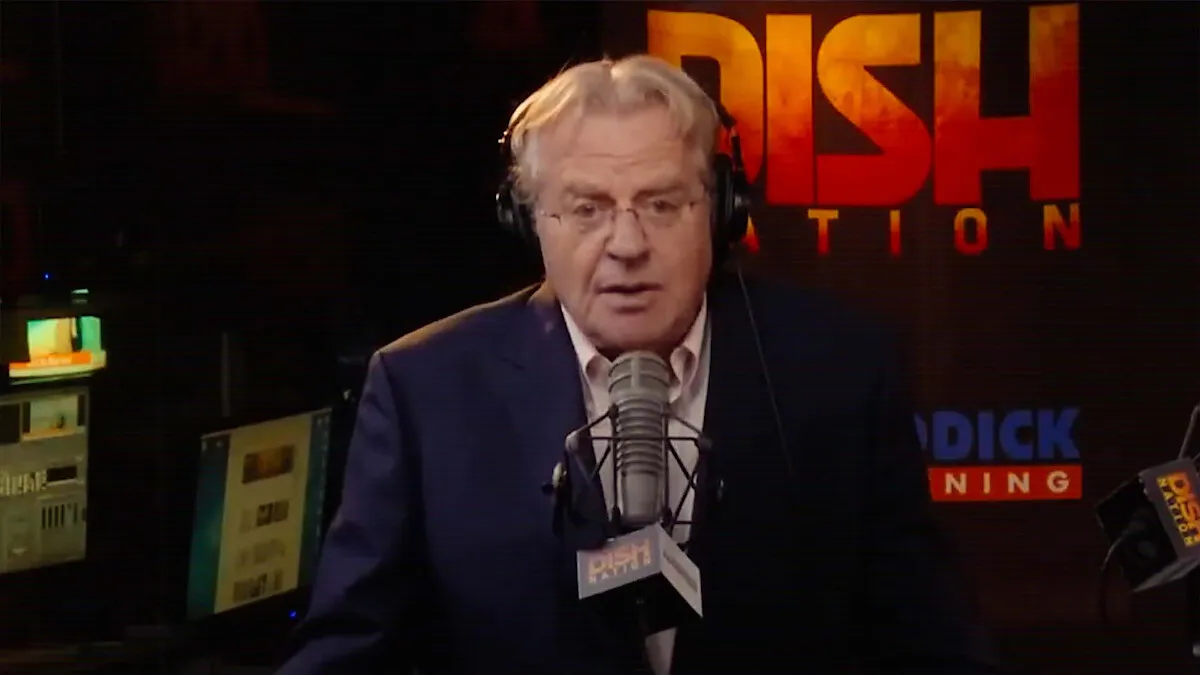
The methods used to provoke strong reactions and engage audiences altered the course of live television, changing audience expectations and inspiring production teams to pursue heightened dramatic effects. This shift served as a point of reference for later efforts to blend raw human emotion with orchestrated scenarios on streaming services.
The show presents a mirror to societal attitudes, reflecting aspects of media that emphasize shock and controversy. Its deliberate portrayal of sensational scenarios sparked debates over the ethics of staging personal crises for entertainment.
The approach taken by the production team, particularly in choosing subjects and arranging confrontations, has left a noticeable mark on how sensitive topics are presented. These choices stirred conversations about the responsibility media holds when it portrays personal struggles and sensational events, prompting viewers and critics alike to reassess the role of television in shaping social discourse.
Years after its peak, the imprint left by this program continues to influence current entertainment practices. The legacy of its format persists in modern television narratives that feature amplified conflict and bold visuals.
Its operational model, which married audience engagement with calculated production strategies, remains a reference point for creators exploring new storytelling methods on digital platforms.
The repercussions of its tactics in blending entertainment with personal drama offer a case study on the evolving nature of televised content and how production decisions impact public perception and cultural values.
Final Reflections and Overall Analysis
The documentary traces a shift from an earnest local broadcast to a platform marked by deliberate shock and exploitation. Early on, the host appeared as a serious civic figure, but later production choices transformed the show into an arena of orchestrated conflict. Production decisions not only altered the pace and presentation but also redefined the relationship between television and its audience.
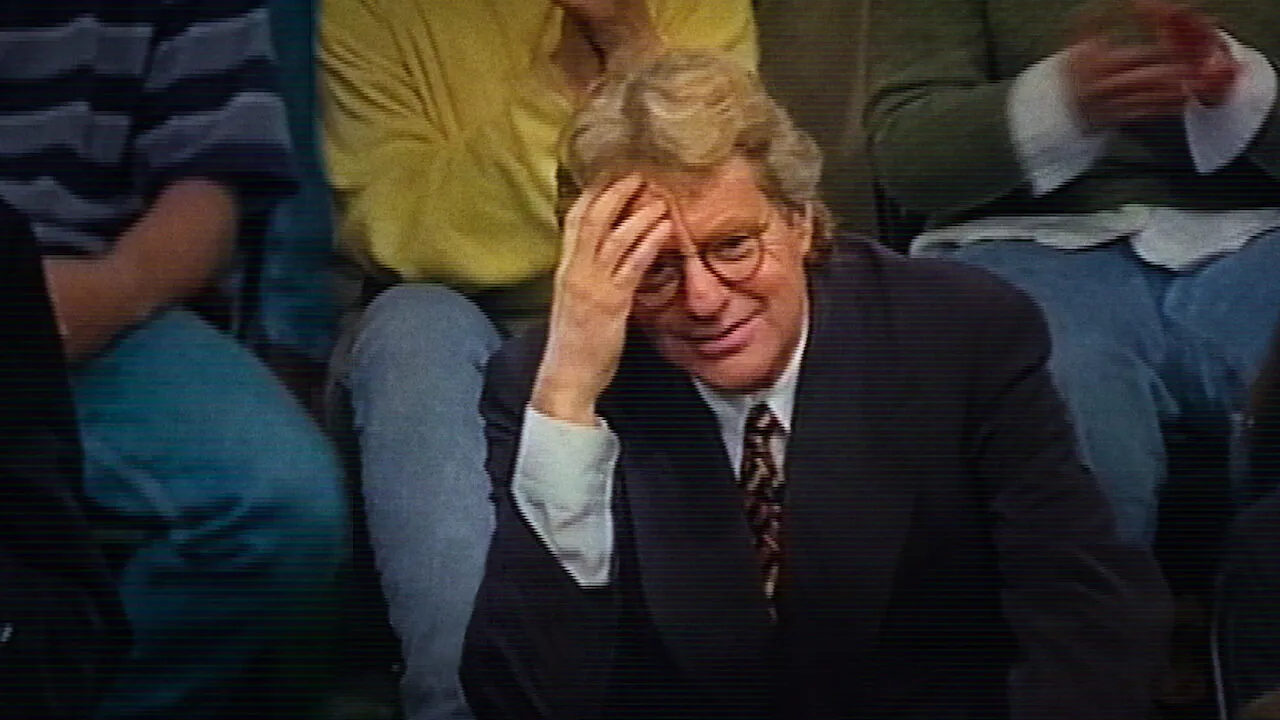
There exists a tension between the show’s undeniable ability to capture attention and the ethical questions it raises. The entertainment on display drew viewers in with bold, provocative scenes, yet it raised issues regarding the treatment of participants.
The series presents a scenario where creative decisions to boost ratings created consequences for those involved. The portrayal of personal crises as on-air drama invites a debate on the responsibility of creators toward individuals who become the focus of national attention.
The narrative remains engaging today due to its role in changing unscripted television and its ongoing influence on current content. Its style and production methods have influenced new formats on streaming platforms, and its impact on the television landscape is still apparent.
The account of this transformation, marked by intense behind-the-scenes maneuvers and ethical compromises, offers material for further reflection on shifts in audience tastes and the future of unscripted programming.
The Review
Jerry Springer: Fights, Camera, Action Season 1
Jerry Springer: Fights, Camera, Action offers a clear look at the evolution of televised spectacle and its impact on modern storytelling. The documentary presents archival insights and behind-the-scenes details that illuminate ethical dilemmas in unscripted programming, prompting viewers to weigh the appeal of provocative content against its human cost. It serves as a thoughtful exploration of shifting media practices and cultural transformations that continue to influence today's television landscape.
PROS
- Offers unique behind-the-scenes insights
- Provokes thought on media ethics and cultural shifts
- Engaging archival footage and firsthand accounts
CONS
- Ethical dilemmas can be unsettling for some viewers
- Focus on sensationalism may not suit all tastes