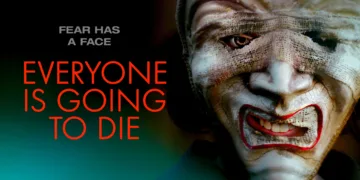


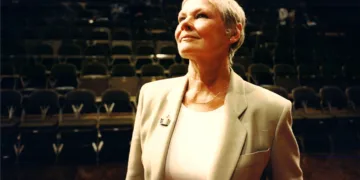



















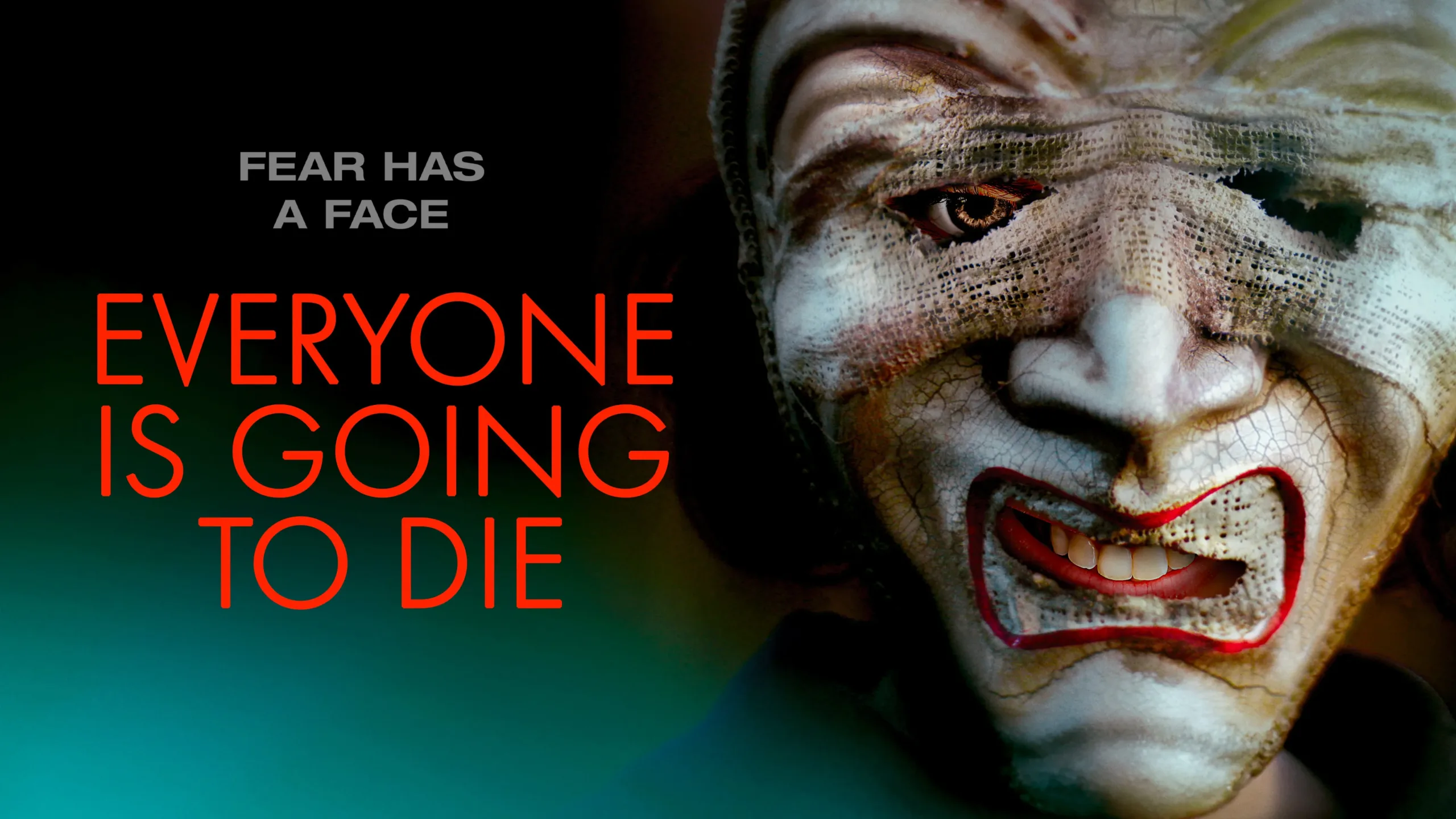

Craig Tuohy’s feature debut, Everyone Is Going to Die, unfolds in a spare 82-minute runtime that refuses any escape routes. Released on VOD and in select theaters on February 21, 2025, this indie horror-thriller plants itself firmly within a single ultramodern country house. Tuohy wears both writer’s and director’s hats, guiding each frame toward a cohesion that recalls the tight storytelling of early French New Wave experiments.
Daniel (Brad Moore) greets his estranged daughter Imogen (Gledisa Arthur) for her 16th birthday, eager to mend their fractured bond. His sleek mansion—complete with floor-to-ceiling windows and sparse décor—becomes a crucible when two masked women, Comedy (Jaime Winstone) and Tragedy (Chiara D’Anna), crash what should have been a family reunion. Forced into a series of sadistic “games,” father and daughter discover that every ritual holds a deeper sting.
Composer Si Begg’s low-frequency drone settles in like a pulse, while editor Andy Edwards paces each cut with patience, building tension that ripples beneath the surface. Bloodshed stays minimal; the real violence is emotional, a reflection of unchecked privilege and blurred responsibilities. When a late twist snaps the story into sharp relief, earlier moments snap into place, revealing how familiar patterns of behavior can harbor devastating consequences.
Improvised Rhythm: Narrative Structure & Pacing
The film opens on an unnerving close-up of an eye, paired with a direct voiceover challenge—an invitation to watch without flinching that calls to mind Godard’s playful rupture of cinematic convention. We then meet Daniel in the aftermath of a wine-and-cocaine-tinged party, cleaning up broken glass and hastily removing a bound partner from his bedpost.
That sequence, cut with sharp precision by editor Andy Edwards, introduces Daniel’s privilege and careless charm. Soon we glimpse Imogen’s own wounds—an angry bruise peeking from under her sleeve, a recent suspension at school—presented through tight framing that captures her brittle defiance. In roughly thirteen minutes, Tuohy sketches their fractured bond and sets the stage for the slow coil of dread that follows.
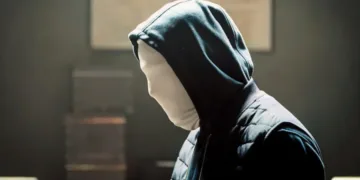
When Comedy and Tragedy appear—masks modeled on ancient theatre and a shotgun revealed with daunting stillness—the power balance upends. Early on, Tuohy uses long takes to let the air thicken; then he intercuts jolts of violence that land like sudden cymbal crashes in a jazz solo.
The pair’s humiliating rituals—forcing Daniel to recount business betrayals, shaming Imogen before her father—feel choreographed yet unpredictable. At moments, the narrative strays into underexplained territory: key plot points flicker past like whispered secrets, leaving viewers to puzzle through head-scratching gaps. That looseness undercuts suspense in places, but it also mimics how memory skips when trauma takes hold.
Just as the tension seems at its peak, a final twist arrives that reassigns heroism and villainy. Information withheld until now snaps prior scenes into new relief, inviting a second viewing to catch subtle clues embedded in hushed dialogue and frame composition. The emotional payoff hinges on that reframe—suddenly we reassess who wears the mask of victimhood. Most important is how this shift alters Daniel and Imogen’s bond: a relationship once defined by neglect now hangs on shared survival, restructured by truth and shared trauma.
Embodied Tension: Character & Performance
Moore opens as a suave entrepreneur whose polished veneer cracks under stress. His Daniel carries himself with frat-boy swagger—cocaine-flecked wit and eyebrow-arched sarcasm—yet micro-tremors in his voice betray deep regret.

There’s a sincerity to his attempts at mending the father-daughter bond, evident in a hesitant reach for Imogen’s hand, that reminds me of a Baumbach protagonist trying to reconcile privilege with vulnerability. As the intruders tighten their grip, Moore’s arc becomes a study in accountability: each forced confession peels back layers of casual sexism until he must face the fallout of his own impulses.
Arthur anchors her Imogen in wounded resilience. She braces against camera close-ups with a slight flinch, eyes darting as if gauging the next cut—an echo of Anna Karina’s restless energy in Godard’s youth dramas. Beneath teenage defiance, Arthur’s posture slackens when her father falters, conveying more through silence than any scripted outburst. Witnessing Daniel’s unraveling propels her from passive observer to reluctant ally, a shift Arthur sells in a single beat of lingering eye contact.
Winstone treats Comedy like a jazz riff—dry humor one moment, brutal rage the next—her masked façade slipping as easily as a saxophonist’s tune. When she doffs the theatre-style mask, vulnerability shines through her steely glare, revealing that her performance is both spectacle and confession. That oscillation between theatrical flourish and raw anger gives each scene unexpected syncopation.
D’Anna’s Tragedy communicates threat through stillness. Her rare gestures—a snap of scissors, a poised stance—feel ritualistic, underscoring each calculated act of violence. In contrast to Comedy’s rapid patter, Tragedy’s silence becomes its own vocabulary, inviting viewers to lean in.
A fleeting glance at Tamsin Dean’s unseen bondage partner hints at Daniel’s past transgressions, while the house’s echoing corridors stand as silent witnesses. The emptiness of each room sharpens the actors’ performances, turning every glance into a spotlight on character.
Violence, Trust, and Theatrical Reckoning
Tuohy positions Everyone Is Going to Die as a mirror to everyday brutality, where Daniel’s frat-boy habits mask a deeper disconnect. His wealth and public image—an ultramodern mansion, high-stakes real-estate deals—stand in stark relief against private harms: casual sexism, emotional neglect, even self-destructive substance use. This tension echoes current conversations about “banal” misogyny: when comments tossed off over wine can inflict wounds as sharp as any blade.

At its core lies a ruptured family bond. Imogen’s sixteenth birthday should signal rites of passage—cake, gifts, Dad’s proud smile—but instead becomes a trial by fire. The daughter’s brittle defiance meets her father’s desperate outreach, captured in lingering close-ups that recall Rohmer’s humanist gaze. As the intruders force Daniel to confront his failures, the film reframes a birthday celebration into a crucible of trust.
Revenge wears the masks of Comedy and Tragedy, borrowing from Greek drama while shattering theatrical distance. Comedy’s rapid-fire taunts and Tragedy’s silent menace turn “games” into moral interrogations. Are these women avengers or new oppressors? Their careful choreography—livid monologues, calculated silences—asks us where true justice might lie. That ambiguity channels Baumbach’s knack for moral puzzles: pain met with more pain leaves no easy answers.
Tuohy breaks the fourth wall early with a direct voiceover—“You are the audience”—so we feel complicit in each humiliation. That invitation echoes Godard’s playful provocation in Breathless, but here it cuts sharper, reminding us how willing we are to spectate violence. Beneath Si Begg’s low drone, we sense our own appetite for horror, a curiosity that binds us to Daniel’s discomfort.
Through Comedy and Tragedy’s inverted masks, Tuohy fuses classical ritual with indie-film grit. Each staged wound and whispered confession becomes a spotlight on accountability: no spectator escapes unscathed. In that arena, Everyone Is Going to Die speaks as urgently as any contemporary manifesto on power, violence, and the rehearsals we stage to reckon with our own failures.
Inside the Frame: Visual and Aural Craft
Tuohy’s choice to confine the action to a single ultramodern house turns each hallway into a pressure chamber. Long takes permit the camera to drift languidly—almost like a saxophone solo—before snapping to a tight close-up that traps characters in the frame. This approach recalls Truffaut’s knack for holding shots just long enough to heighten emotional resonance, yet here it serves dread rather than romance.
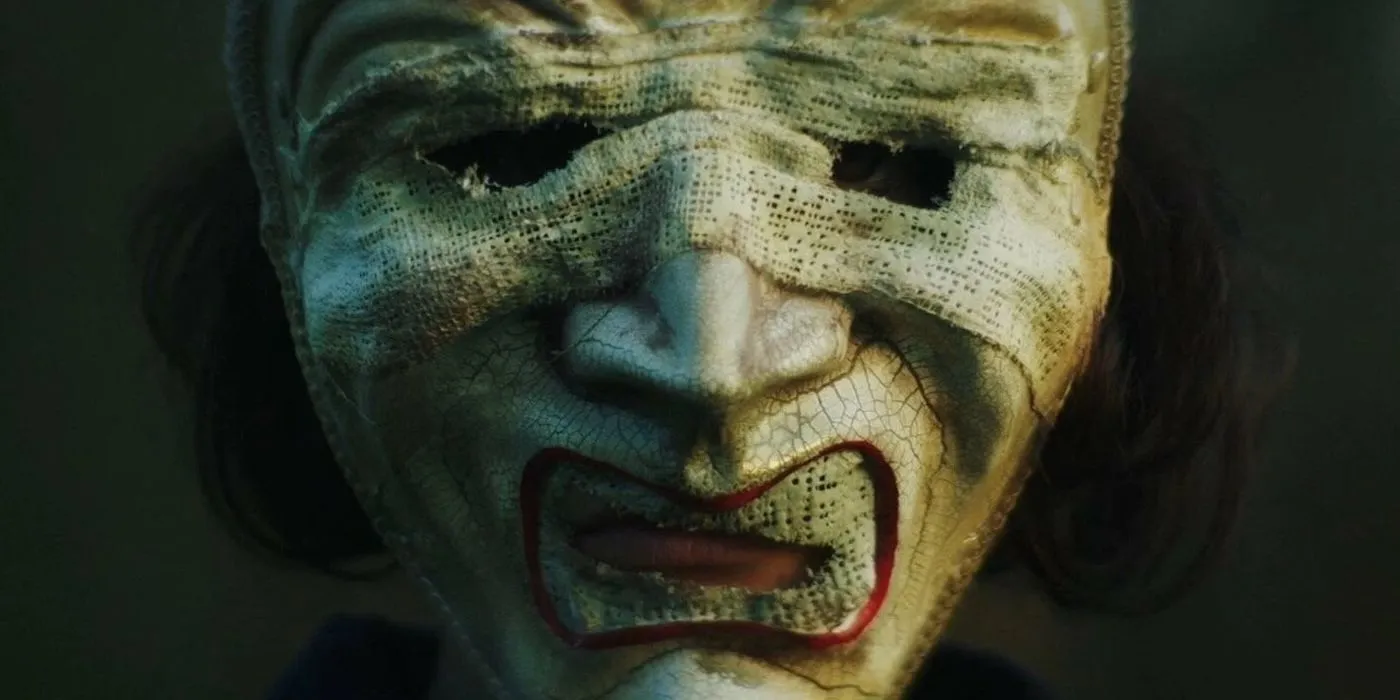
Cinematographer Jess Hall drapes interiors in low-contrast shadows, letting pale daylight through floor-to-ceiling windows feel both liberating and ominous. That tension between light and darkness echoes French New Wave chiaroscuro, where every ray becomes a narrative device. In moments of silence, Hall’s close-ups catch the slightest tremor—a flinch, a darting glance—turning micro-expressions into the film’s most potent currency.
Editor Andy Edwards crafts a slow-burn rhythm, using patient cuts that let unease simmer. A lingering shot of an empty room reads like a long rest in a jazz composition, building expectation before a burst of terror. Yet the second act briefly sags—an intentional lull that mirrors how trauma fragments time—before picking up pace for the film’s final, recontextualizing thriller crescendo.
Si Begg’s low-frequency drone underpins every scene with a subterranean hum, like a double bass vibrating beneath a melody. Silence becomes its own instrument: breaths, footsteps, even a scuffed shoe echo unnaturally loud. The opening voiceover’s direct address—“You are the audience”—breaks the fourth wall with playful severity, much as Godard once upended expectations in Breathless.
The house itself feels alive, its sterile surfaces and minimal furnishings echoing Daniel’s emotional isolation. Props gain symbolic heft: a shotgun laid on a cake-box altar, scissors twirled like a conductor’s baton. Each object choreographs the characters’ ordeals, transforming everyday items into instruments of ritual and menace.
Operating on a lean budget, the film proves how limited resources can sharpen focus. By eschewing gore, Tuohy channels attention toward psychological stakes, much as breakthrough indies once did in the ’90s. The result feels like a small-scale chamber piece with the emotional impact of a major studio thriller.
Resonant Unease and Viewer Immersion
At first, Everyone Is Going to Die feels like a familiar home-invasion thriller—Daniel’s lofty estate, masked intruders, ticking clock—but it quickly unspools into something far more unsettling. That early promise of conventional scares gives way to simmering dread, as each long take and whispered threat layers tension like a slow piano riff. Just when you brace for gore, the film pivots toward emotional violence, undercutting jump scares with questions that linger.
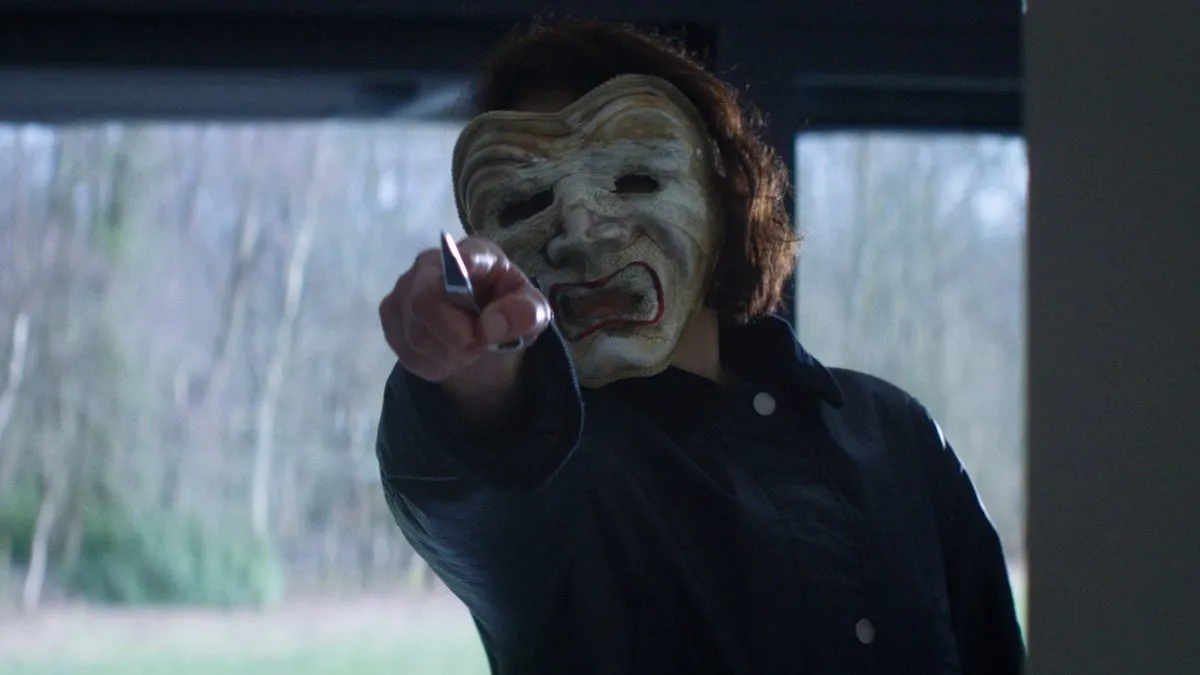
Comedy’s sardonic quips crack the tension with a jolt of dark humor—think of the way Jacques Demy might slip irony into tragedy—while brief exchanges between Daniel and Imogen pulse with genuine warmth. Those moments feel earned: a shared glance over birthday cake crumbs carries more weight than any shotgun blast.
Viewer readiness matters here. The film doesn’t dwell in graphic bloodletting, yet its exploration of psychological torment and implied sexual trauma can hit hard. Isolated bruises and hushed revelations demand care; a heads-up for self-harm themes and coercion is wise for anyone sensitive to those issues.
Afterward, you’ll find yourself rewinding scenes to catch subtle foreshadowing—tiny reflections in glass or offhand comments that signal the late twist. And when you discuss the film, debates flare over who truly meets their end: physical bodies, youthful innocence, or the soul’s last flicker. That lingering question proves the movie’s power to haunt long after the credits roll.
Full Credits
Director: Craig Tuohy
Writer: Craig Tuohy
Producers: Tim Le Breton, Vinod Malgewar
Executive Producers: Airell Anthony Hayles, Dovile Kirvelaityte, Pratik Shelar
Cast: Jaime Winstone, Chiara D’Anna, Lila Lasso, Richard Cotton, Brad Moore, Marina Lazaris, Gledisa Arthur, Tamsin Dean
Editor: Andy Edwards
Composer: Si Begg
The Review
Everyone Is Going to Die
Craig Tuohy’s debut marries chamber-thriller intensity with thematic ambition, using sparse setting and creeping dread to unearth casual misogyny and fractured trust. Brad Moore and Gledisa Arthur ground a brutal narrative twist in emotional truth, while Jess Hall’s lighting and Si Begg’s drone evoke a claustrophobic stage for ritualized reckoning. Though pacing dips briefly, the final revelation reshapes everything that came before, inviting a second look. By blending indie restraint with mainstream tension, Everyone Is Going to Die lingers in the mind long after the credits roll.
PROS
- Strong, nuanced performances by Brad Moore and Gledisa Arthur
- Jess Hall’s cinematography turns a single location into a character
- Si Begg’s low-frequency score and sound design amplify unease
- Subversive narrative twist that reshapes earlier scenes
- Emphasis on emotional violence rather than shock value
CONS
- Second act slows as it sets up the final reveal
- Certain plot threads remain underexplained
- Minimal gore may frustrate fans seeking visceral thrills