





























Each episode unfolds like a new planting season, mirroring the eleven stages of Ayta’s life. Opening with a vibrant spring‑themed chapter at her grandmother’s cottage, the show sets a rhythmic pace: winter’s muted palette gives way to summer’s lush interiors, then cool autumn hues, before returning to cozy beginnings. This chapter‑based approach borrows from level design in puzzle games, inviting viewers to anticipate fresh challenges and emotional beats with every shift in season.
Rooms act as living characters. The grandmother’s home brims with heirloom pottery and bright floral accents; Ayta’s first solo flat, by contrast, spreads empty corners waiting for greenery and personal touches. Each piece of furniture, every pot and draping fern signals not only the year of her journey but her evolving confidence in shaping space—and self.
Plant arrangements serve as visual markers of inner transformation. Sparse seedlings in early scenes symbolise tentative steps away from family; by mid‑series, towering Monstera and Bird of Paradise clusters reflect her growing self‑assurance. Careful framing shows leaves unfurling just as Ayta settles into new relationships and careers.
Cultural detail deepens authenticity. Ysyakh festival rites—vibrant textiles, traditional step dances, wicker baskets of fresh sprouts—remind us that Ayta’s passion for plants springs from ancestral roots. Layers of seasonal melodies and regional cuisine reinforce a sense of place, anchoring her story in real traditions rather than abstract motifs.
Characters in Bloom: When Mechanics Support Story
Ayta’s emotional journey—from homesickness to self‑assurance—unfolds in lockstep with the game’s unlockable-plant system. Each new species added to her diary mirrors her growing confidence in navigating life’s transitions. Sparse voice work gives way to expressive animations: her posture straightens as placement puzzles click, conveying character growth without heavy exposition. This design echoes Unpacking’s environmental storytelling but replaces boxes with botanical puzzles, granting Ayta’s arc a distinctly organic texture.
Early chapters double as gentle tutorials, introducing light and humidity mechanics through grandmother’s guiding words. Rather than a detached quest marker, she shares folklore about each plant, weaving game systems into family tradition. This blend of instruction and warmth feels akin to RPG elders teaching combat basics—except the lessons here nurture rather than protect, rooting mechanics in emotional resonance.
Choices around mother and brother side‑tasks carry small narrative weight. Opting out of a sibling‑rivalry quest taxes your coin supply but also skips a brief cutscene revealing buried tensions. These trade‑offs offer more than arbitrary point quests—they invite reflection on which relationships matter most. Though subtler than the branching repercussions in deep RPGs, they avoid binary “good/bad” tropes and feel more personal.
Romantic moments unlock once you reach specific point thresholds—planting rare orchids at a craft fair triggers a shared scene. This mechanic ties progression to story milestones neatly, but lacks the open‑ended romance systems found in indie gems like Garden Story. Still, it strikes a balance: accessible to casual decorators while rewarding completionists.
Rufus the cat is both companion and scoring device. A simple petting interaction grants a small bonus, punctuating stressful chapters with an emotional breather. That micro‑reward loop reinforces narrative comfort and appeals to both relaxed and perfection‑driven playstyles—proof that meaningful mechanics needn’t be complex to resonate.
Seasons of Growth—How Story and Systems Sprout Together
Urban Jungle’s three-act design mirrors the life stages of a classic RPG quest: the Roots phase plants the seed of Ayta’s childhood in her grandmother’s home, teaching light‑and‑humidity mechanics alongside early story beats; the Branching act challenges her as she moves into college and early career, unlocking rarer plant species as her confidence grows; the Bloom finale sees mature gameplay systems—combo bonuses for companion plants, environmental modifiers—align with Ayta’s self‑realization. Key pivots, like her first solo flat move unlocking Creative Mode or placing a rare orchid to trigger a romantic cutscene, feel earned because the systems rewarded her growth in both mechanics and character.

Home and belonging emerge through tangible choices: placing a Monstera in a dim corner not only nets fewer points but visually reinforces her homesickness, whereas clustering sun‑loving succulents by a window marks her acceptance of new environments.
This echoes Stardew Valley’s farm‑layout storytelling, but here the room itself becomes the dialogue. The tension between a secure office job and her artistic passion plays out in side‑objectives: smashing level goals for coins to buy decorative clutter may undercut efficiency, yet it deepens narrative investment—hardly a binary path, but a spectrum of playstyles that both casual decorators and completionists can appreciate.
Environments shift color and clutter without a word: muted blues and sparse furniture during family conflicts give way to warm pastels and overgrown greenery as Ayta reconnects with her roots. Lighting cues—dimmer bulbs signaling moments of doubt, soft golden rays in scenes of triumph—remind me of environmental storytelling in What Remains of Edith Finch, where settings speak volumes.
Symbolic motifs weave through recurring items: the grandmother’s tattered watering can appears in flashbacks and active levels, underlining legacy; voiceover diary excerpts punctuate quieter moments, offering just enough context to ground each puzzle without halting the flow. In Urban Jungle, mechanics don’t just support the narrative—they are the narrative, turning each placement puzzle into a chapter of personal growth.
A Living Canvas—Visual Style & Production Design
Cinematography leans into the game’s isometric roots, with overhead shots that showcase every nook of Ayta’s rooms. Slow, deliberate pans follow a cluster of ferns or a single potted cactus, letting viewers absorb how each arrangement shifts the mood. These camera moves echo the satisfaction of placing pieces in a puzzle game, turning set exploration into a visual reward.
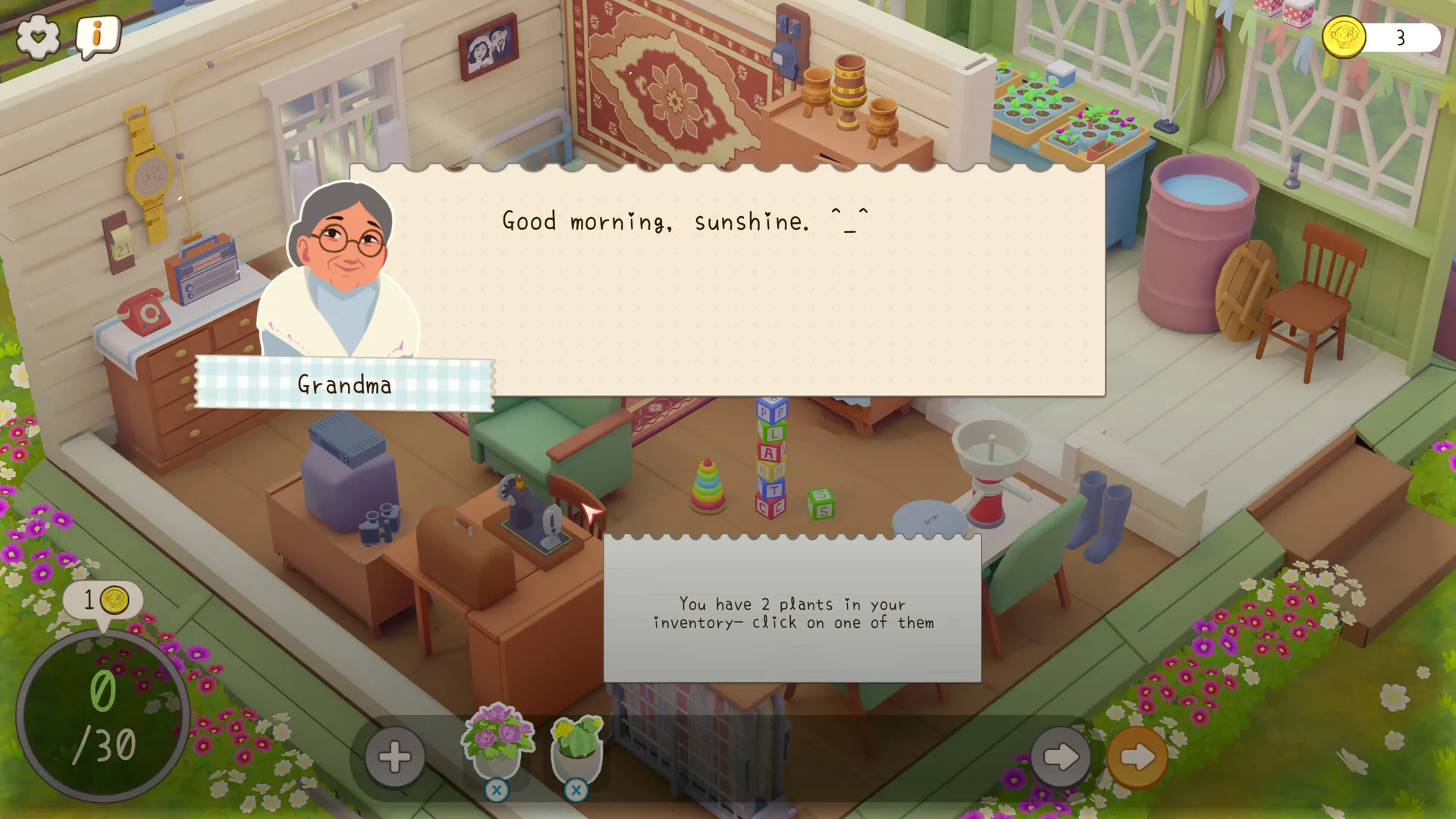
Set decoration blends mid-century modern tables and chairs with organic elements—wicker planters, driftwood shelves—so each environment feels lived‑in and personal. Early scenes in Grandma’s cottage brim with vintage pottery and handwoven textiles; later flats swap heirloom clutter for sleek decor as Ayta’s taste evolves alongside her confidence.
Color and lighting guide emotional beats. Soft pastel walls give way to deeper greens and warm earth tones as Ayta grows into her own. Natural sunlight streaming through windows contrasts with the glow of lamps and humidifier rings, signaling when plants thrive and subtly reinforcing the room’s “care zones.”
Costumes shift in tandem: Ayta’s wardrobe starts with simple jeans and knit sweaters, then layers in botanical prints and earthy accessories—leaf‑patterned scarves, minimal plant-themed jewelry—that mirror her blossoming identity. Makeup remains understated, with warmer tones highlighting her changing mood across stages.
Visual effects stay grounded—real plants and practical props dominate—but occasional time‑lapse bursts of rapid growth mirror key milestones, offering a poetic nod to her personal journey without distracting from the tangible world around her.
Audio Roots—Soundtrack & Sound Design
Urban Jungle’s musical bed drifts between mellow lofi loops and soft ambient pads that evolve as Ayta moves from her grandmother’s cottage to her first solo flat. Memorable motifs punctuate key relationships—warm guitar strains accompany scenes with Grandma, while gentle piano callbacks surface when you unlock rare plant placements—much like Stardew Valley’s seasonal melodies, but tailored for indoor sanctuaries.

Diegetic cues bolster both immersion and feedback. Every pot placement emits a satisfying “plop,” water pours hiss with precision, and Rufus’s contented purrs register as micro‑rewards during delicate placement puzzles. Outside, distant traffic hums and muted city chatter remind you these green refuges exist within a bustling metropolis.
Sound mixing strikes a careful balance, keeping dialogue crystal‑clear above background tracks. In emotional beats, moments of near‑silence let subtle production details take center stage. Transition stings—think a soft watering‐can splash—link chapters with playful continuity, while the opening theme weaves together principal motifs into a simple, lingering melody.
To prevent loop fatigue over eleven chapters, new instruments gradually enter the mix—muted strings in adolescence, sparse synth accents in adulthood—echoing Ayta’s personal growth. This thoughtful layering of sound ensures that each mechanical milestone—from meeting a humidity threshold to triggering a cutscene—resonates both tactically and thematically.
Rhythms of Growth—Maintaining Momentum
Urban Jungle paces its eleven chapters much like a well‑tended greenhouse: measured, deliberate, and open to moments of quiet reflection. Early episodes lean into gentle tutorials—placing sun‑loving succulents under lamp “zones”—before ramping up in the mid‑series with multi‑objective levels that demand strategic use of lamps, humidifiers, and companion‑plant pairings. While a brief lull can occur once the core mechanics feel familiar, climactic chapters reintroduce rare species and environmental modifiers just as tension around Ayta’s career crossroads peaks.
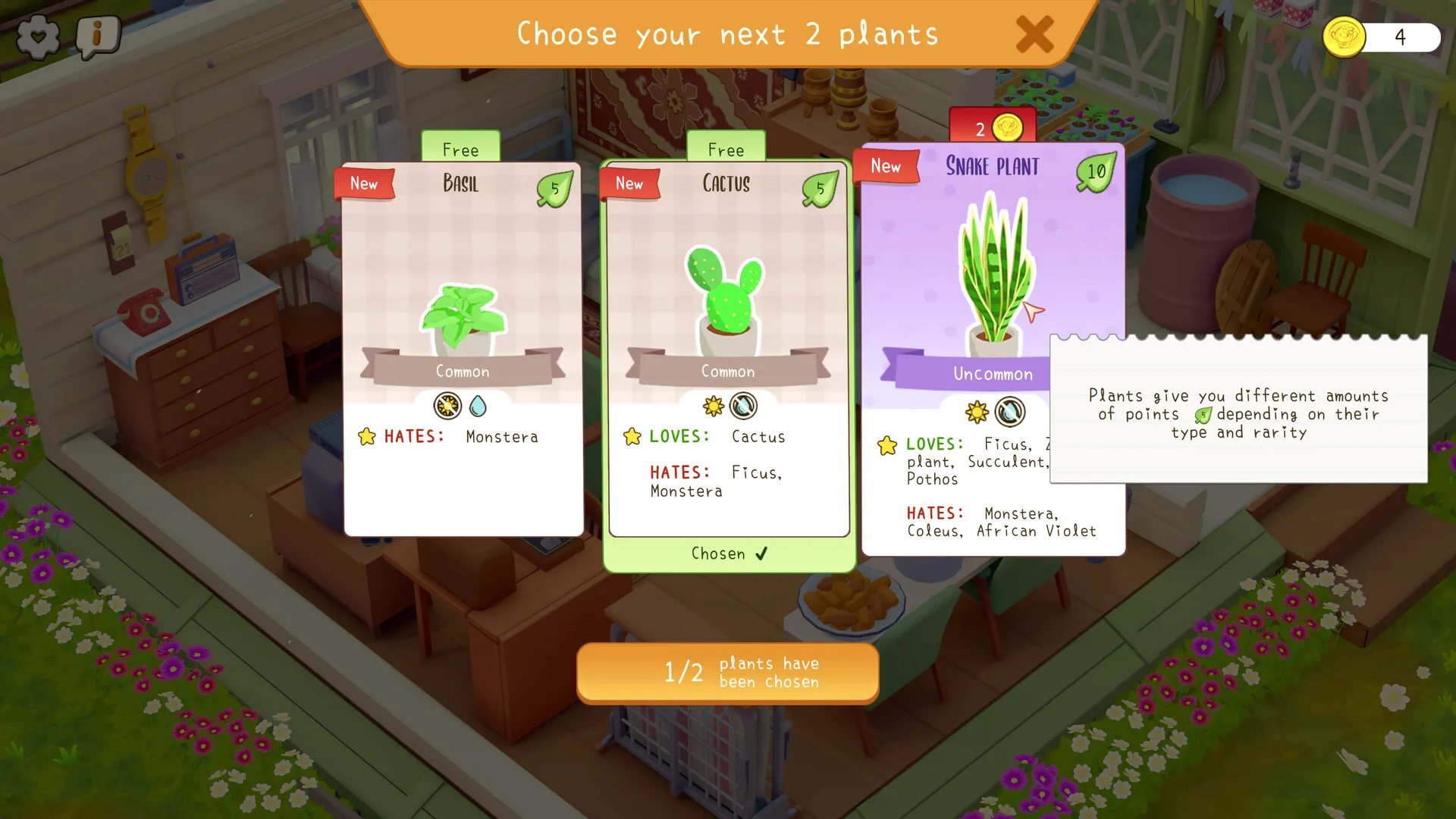
Emotional peaks are woven into gameplay loops. A grandmother flashback unlocks a decorative heirloom planter, offering a burst of mechanical variety alongside heartfelt voiceover. Minor setbacks—like failing a humidity target—trigger a small dialogue beat about homesickness, reminding players that every misplaced fern carries narrative weight.
The show’s visual and systems depth invite multiple viewings. Solo episodes function as standalone “plant puzzles,” while the Creative Mode’s free‑form layouts reward both casual decorators and perfectionists chasing 100% diary completion. Yet relying too heavily on plant‑as‑metaphor risks moments of narrative thinness, and repeated apartment layouts can grow visually familiar without fresh decor or emotional stakes.
For viewers who appreciate quiet, system‑driven storytelling, Urban Jungle asks for patience—much like waiting for a seed to sprout—but offers a quietly satisfying payoff for anyone drawn to its reflective rhythms.
The Review
Urban Jungle
Urban Jungle offers a relaxing puzzle framework that grows alongside Ayta’s story. Its mechanics reward creativity and reflection, the narrative scenes carry genuine warmth, and the art style bathes each chapter in inviting color. Though some levels repeat familiar beats, its emotional design and visual charm make for a memorable, cozy adventure.
PROS
- Intuitive mechanics that tie plant‑placement puzzles directly to Ayta’s emotional journey
- Charming, cohesive art direction with evolving color palettes
- Gentle learning curve balanced for both casual and completionist players
- Creative Mode adds replay value and open‑ended design freedom
CONS
- Relatively short main campaign (~4 hours)
- Core puzzles can feel repetitive across later chapters
- Narrative occasionally leans too heavily on metaphor over concrete events
- Soundtrack loops may wear on players during extended sessions