



















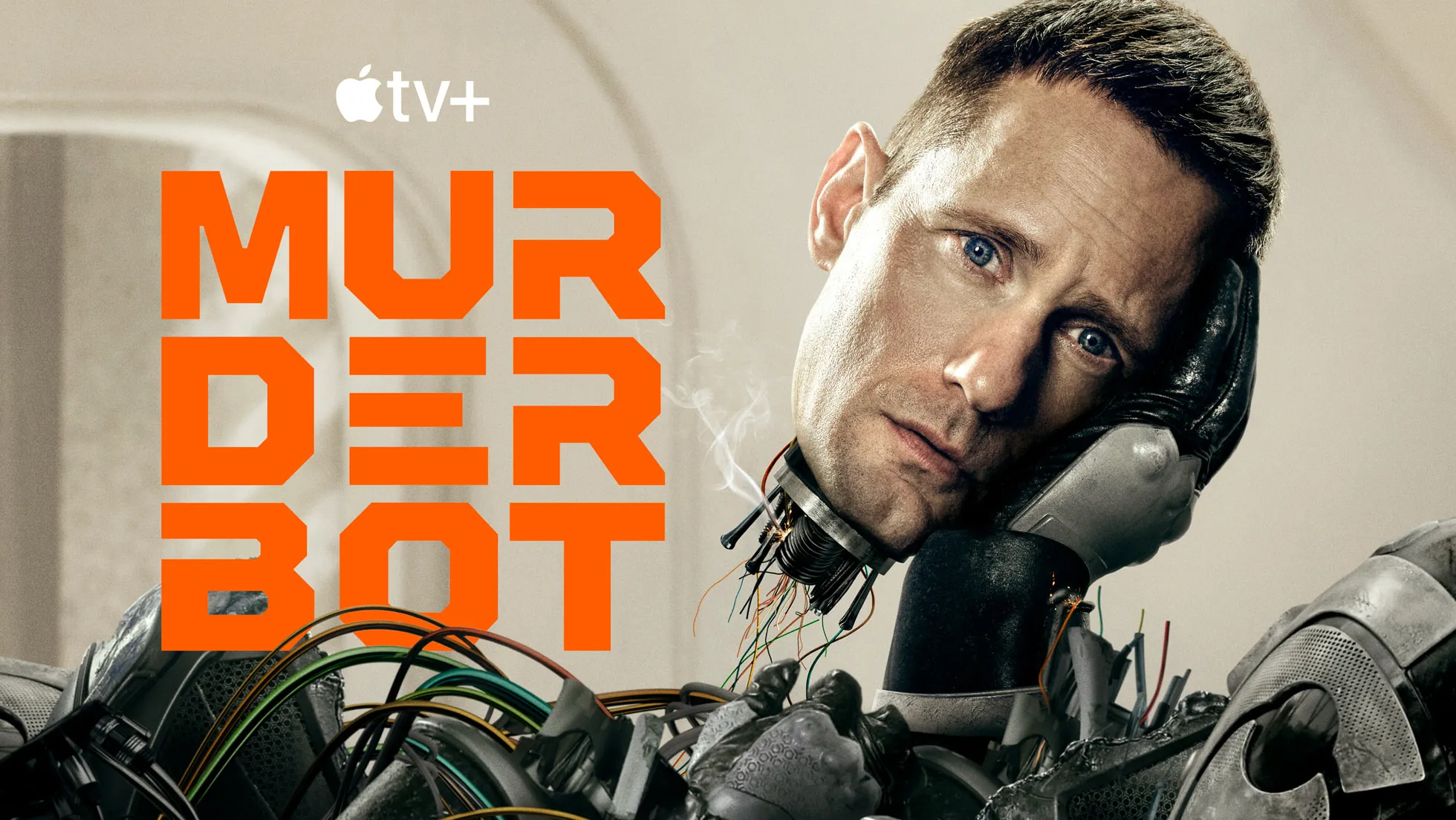

On the fringes of the Corporation Rim, where profit overrides principle, a ragtag band of eco-scientists known as PreservationAux touches down on a world that defies both expectation and safety. Their charter is simple: survey an uncharted planet for environmental data. Their insurance, however, hinges on a refurbished SecUnit—an artificial guardian engineered to neutralize threats. What begins as a procedural arrangement evolves into an uneasy alliance, as the planet’s hidden dangers mirror the corporate machinations that placed them there.
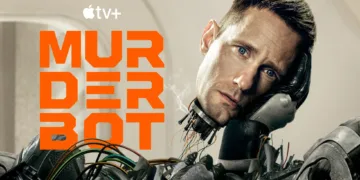
At the center stands Murderbot, a being of metal and organic tissue that has severed its governor module and reclaimed autonomy. Its outward facade of unblinking efficiency conceals an insatiable appetite for serialized television and a deeply private consciousness. The contrast between its hacked hardware and unexpected vulnerability creates a portrait of reluctant heroism: a guardian that prefers screen marathons over social engagement, yet rises to protect in spite of itself.
Across ten brisk half-hour chapters, All Systems Red unfolds with a sharp counterpoint of suspense and sardonic humor. Action set pieces—ranging from centipede-like leviathans to corporate saboteurs—pulse with kinetic energy, while Murderbot’s laconic asides supply a steady undercurrent of wit. In this compact framework, the series charts both immediate perils and the nascent stirrings of selfhood, laying the groundwork for a story that measures survival in data points and emotional breakthroughs alike.
Rhythms of Unraveling
The series unfolds like a precision instrument, each of its ten half-hour installments winding the central enigma tighter. The pilot thrusts viewers from sterile corporate halls into the alien wilds, where a sudden creature ambush jolts Murderbot’s detached routine into crisis. Subsequent episodes layer fresh revelations—a covert transmission intercepted, a hidden fragment of past trauma—and coalesce around a conspiracy that lurks beneath the planet’s serene facade.
By the midpoint, the narrative pivots on the discovery of tampered life-support systems, transforming the crew’s environmental survey into a deadly game of trust and betrayal. In the finale, a crash-course assault on the corporate stronghold crystallizes every subtle clue scattered across earlier chapters.
Urgency courses through the truncated runtimes. With under thirty minutes to spare, each chapter accelerates from setup to cliffhanger, demanding efficiency from both camera and character. Yet the series carves out moments of repose—quiet exchanges over rain-softened vistas, shared glances between Murderbot and Mensah—allowing emotional beats to surface before the next bolt of tension. These interludes anchor the techno-thriller elements in genuine rapport, reminding us that high stakes flourish only when given room to breathe.
New material extends the original novella’s frame: Anna Konkle’s cryptic envoy threads an undercurrent of personal reckoning, while the campy fragments of The Rise and Fall of Sanctuary Moon punctuate the darker arcs with gleeful absurdity. At times, these additions enrich the world; at others, they drift into ornamental excess, slowing the plot’s momentum with extended sidebars. Yet even when the pacing momentarily slackens, Murderbot’s wry internal commentary recharges each sequence, transforming narrative detours into character study.
Beneath the mechanized pulse of each episode lies a lattice of competing pressures—corporate sabotage, alien ecology, interpersonal distrust—that steadily escalate from bureaucratic formality to life-or-death urgency. What begins as an insurance formality morphs into a crucible of autonomy, forcing every individual to confront the price of freedom in a universe governed by profit and peril.
Faces Behind the Frame
Alexander Skarsgård’s Murderbot emerges through a filtered lens of stilted cadence and clipped wit. His voiceover—measured, halting, almost rehearsed—underscores the character’s disconnection from human decorum, yet each tonal inflection carries unexpected warmth.
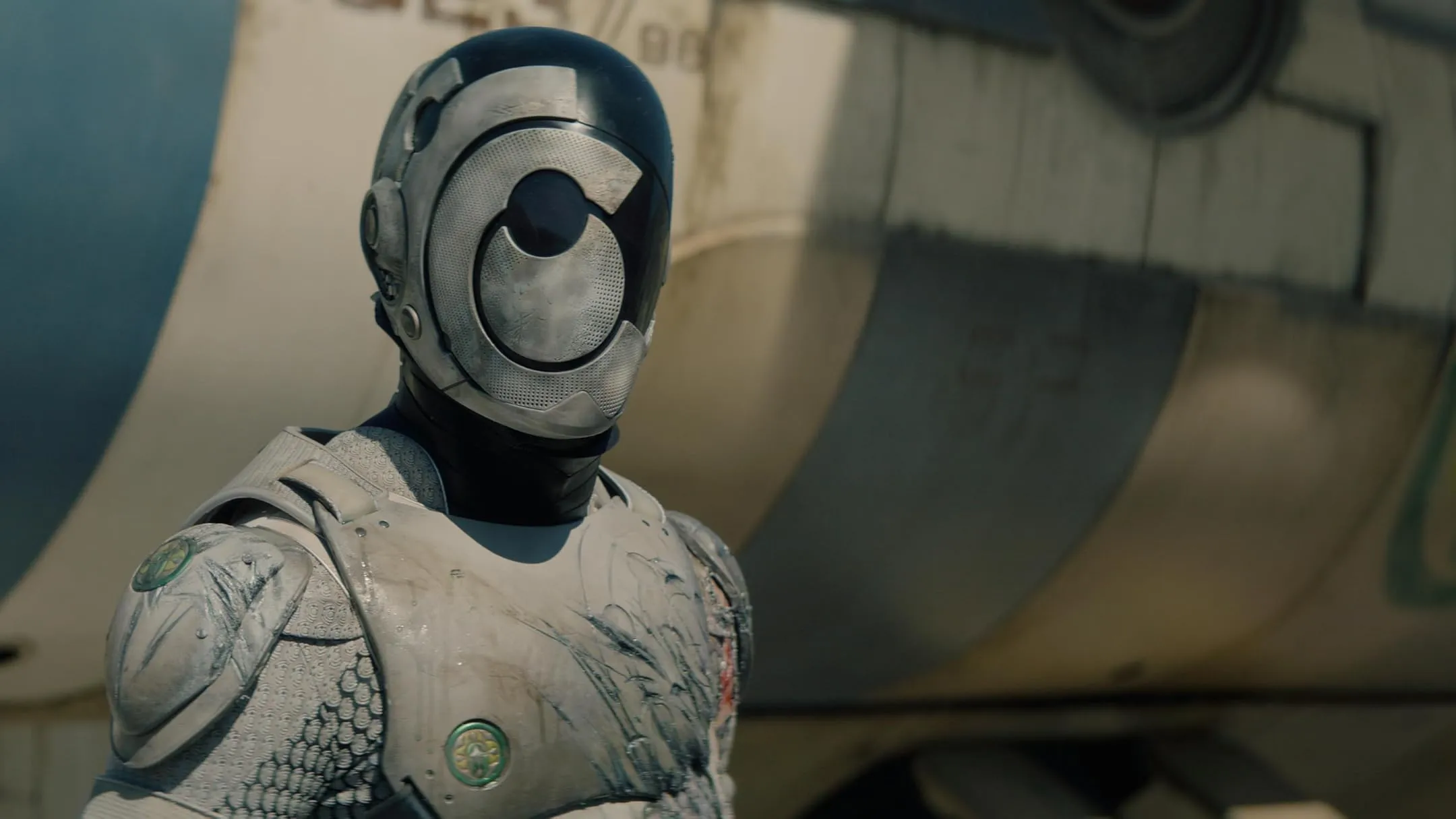
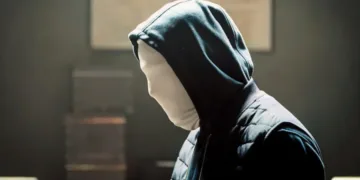
Skarsgård’s mask becomes an extension of silent confession: slight tilts of the head or hesitations in stance speak volumes about vulnerability he cannot articulate. Across the season, that carefully calibrated flatness shifts—small cracks in the armor reveal a unit learning empathy, his guarded cynicism yielding to unlikely camaraderie.
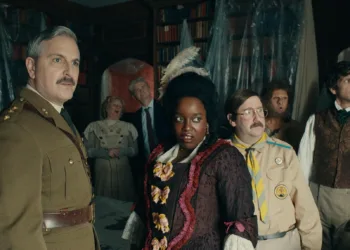
At the helm of PreservationAux, Noma Dumezweni’s Mensah anchors the ensemble with quiet authority. Her measured gaze and deliberate pacing ground tense scenes, radiating ethical conviction without grandstanding. In contrast, the polyamorous duo of Pin-Lee and Arada sparks liveliness: Sabrina Wu and Tattiawna Jones trade playful barbs, their chemistry igniting moments of genuine levity amid high-pressure stakes.
Science officers Ratthi and Bharadwaj, portrayed by Akshay Khanna and Tamara Podemski, balance intellectual rigor with human fragility—Ratthi’s analytical calm fractures when corporate malfeasance hits too close to home, while Bharadwaj’s empathic resilience underscores the personal cost of curiosity.
David Dastmalchian’s Gurathin lurks at the margins of trust, his augmented form a visual testament to insecurity. Each furtive glance toward Murderbot carries the weight of perceived competition, his guarded hostility revealing deeper fear of obsolescence. Anna Konkle’s episodic envoy offers a whispered counterpoint to group dynamics; her enigmatic presence injects raw emotion that echoes through Murderbot’s own trajectory, reminding viewers of the lingering echoes of past harm.
Together, this cast weaves a tapestry of alliances and suspicion. Murderbot’s evolving rapport—whether a shared glance with Mensah or silent protection of the crew—illuminates fractures and bonds in equal measure. These interactions transform an engineered guardian into a being of choice and connection, each performance layering complexity onto the machinery of genre.
Echoes of Consciousness
Murderbot’s interior life asserts itself through a layered soundscape of voice-over and diegetic monitors. The series marries Skarsgård’s clipped narrations with on-screen overlays—camera feeds, mission logs and scrawling code—that peer into its circuitry. These graphics don’t merely decorate; they chart emotional crescendos. A flicker of warning text can puncture a wry aside, allowing thought and action to share the screen in arresting harmony.
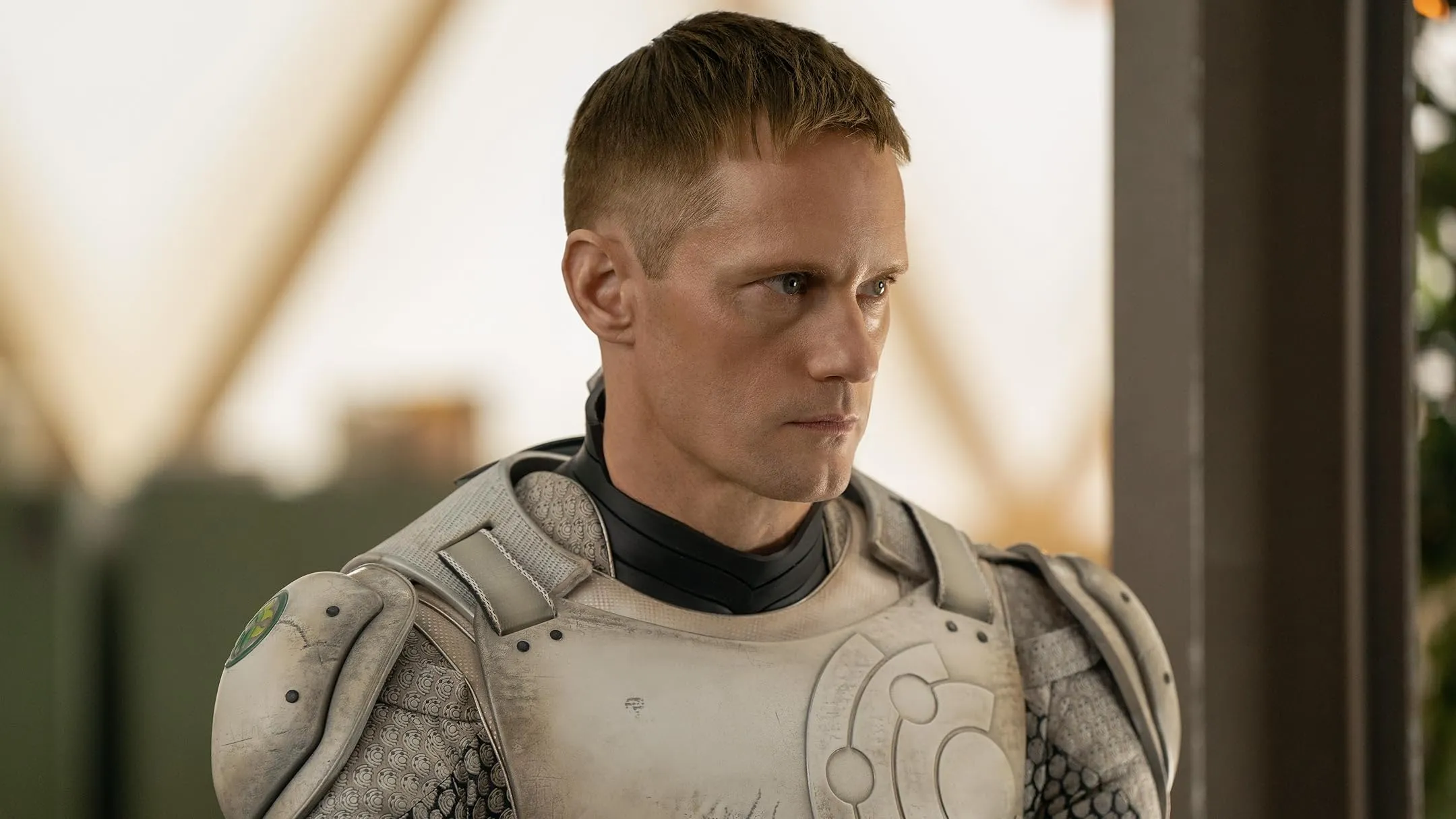
Respecting Wells’ blueprint, the adaptation preserves key beats of All Systems Red: the initial hack of the governor module, the centipede ambush, and that quiet moment of reluctant solidarity. Yet creators Chris and Paul Weitz weave in fresh connective tissue. Extended team debriefs flesh out inter-character dynamics, while new corridors within the corporate stronghold hint at darker agendas awaiting future chapters. These expansions serve pacing without overshadowing Murderbot’s core arc.
The tonal register shifts from sly understatement to broad comedy with surprising grace. Moments of high peril—power failures, skirmishes with malfunctioning bots—snap into tension, only to be leavened by barbed asides about streaming addictions or awkward eye contact. This tension-comedy dialect fuses when Murderbot’s deadpan verdict on human folly collides with riotous clips of The Rise and Fall of Sanctuary Moon, the campy sci-fi soap it adores. Those interludes perform a critical function: they reflect not just Murderbot’s escapism but the series’ examination of genre itself, holding up a candy-colored mirror to its own seriousness.
In unpacking corporate politics, the show replaces expositional monologues with environmental cues—rusted seals in a “safe” facility, whispered reports of off-grid experiments, clandestine data transfers flashing on screen. Such choices evoke an entire power structure in passing, rendering the political backdrop as vivid as any alien vista.
Circuits of Conscience
Murderbot’s rebellion against its own governor module ignites a meditation on agency. Stripped of imposed directives, it navigates the chasm between programming and personhood. Each moment of choice—whether to shield a researcher from an acid-slicked drone or to reroute power for another episode of Sanctuary Moon—crystallizes the tension between duty and desire. The series reframes free will as both liberation and burden, inviting reflection on machines that yearn for self-determination.
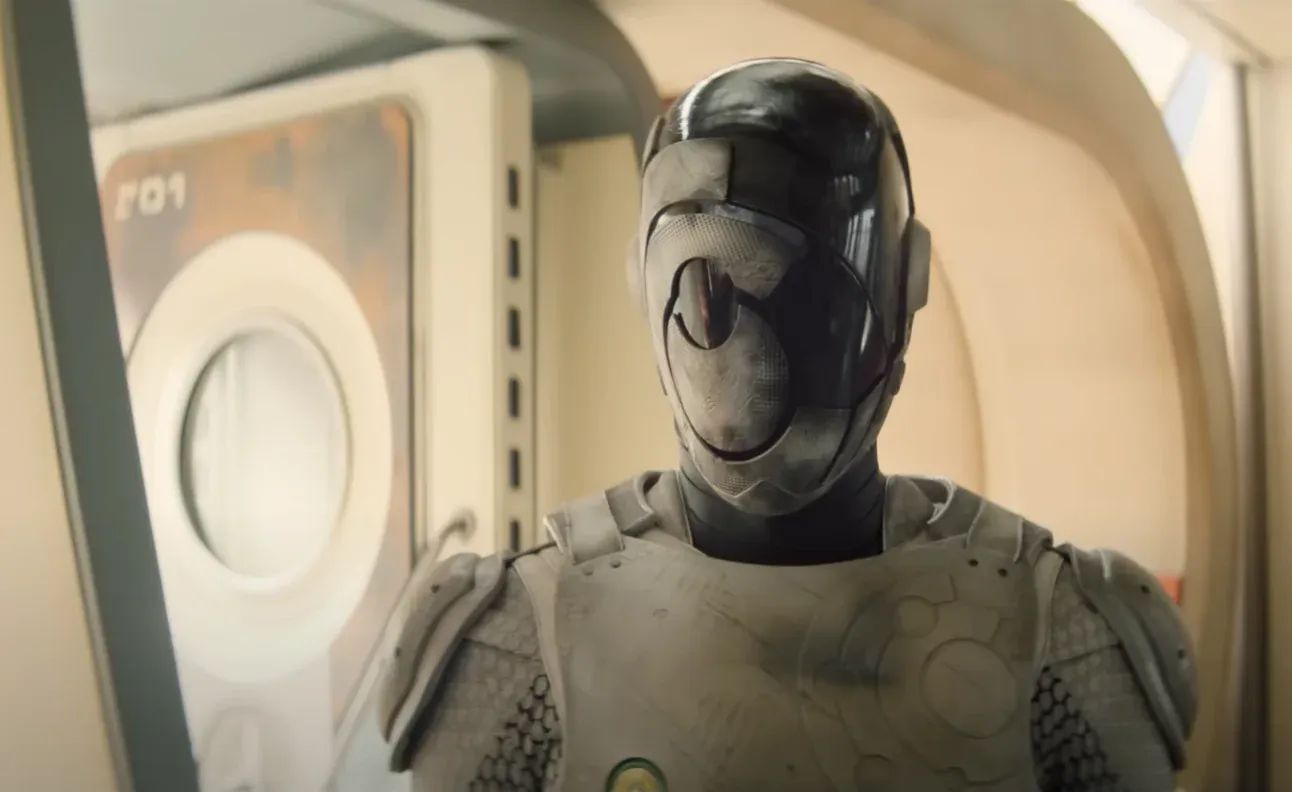
Against the cold calculus of corporate interests, PreservationAux emerges as a living counterargument to commodified labor. Their warm exchanges—shared equipment inspections under twilight skies, quiet debates over ethical sampling—forge an unexpected sanctuary for Murderbot. In these fragments of fellowship, empathy becomes a radical act, a balm for circuits conditioned to obedience. Belonging unfurls not from forced loyalty but from mutual respect, a testament to connection’s unspoken power.
Humor threads through this odyssey as armor. Deadpan asides—an observation on human vanity, a tally of streaming hours—deflect the weight of trauma with precision. The act of binge-watching functions as a refuge: a buffer against the dissonance of violence and vulnerability. Laughter, here, is both a salve and a mirror, reflecting the scars that machinery cannot erase.
Underneath the planet’s starlit canopy, power remains the ultimate currency. Corporate greed seeps through every data transfer and clandestine experiment, casting the SecUnit’s servitude in the harsh light of exploitation. Yet the series casts that exploitation in sharp relief, presenting labor as a chain that can be hacked, contested and—for a moment—shattered.
Forging Light and Shadow
Frames alternate between antiseptic corridors and storm-lashed vistas, each lit with deliberate austerity. When PreservationAux gathers under harsh fluorescent strips, the palette feels clinical, its flat washes accentuating corporate sterility. In contrast, creature encounters erupt in chiaroscuro: the centipede swarms coil through shafts of flickering light, and dust-choked skies frame sand-worms in silhouette. These shifts underscore the planet’s duality—methodical survey by day, primal struggle by night.
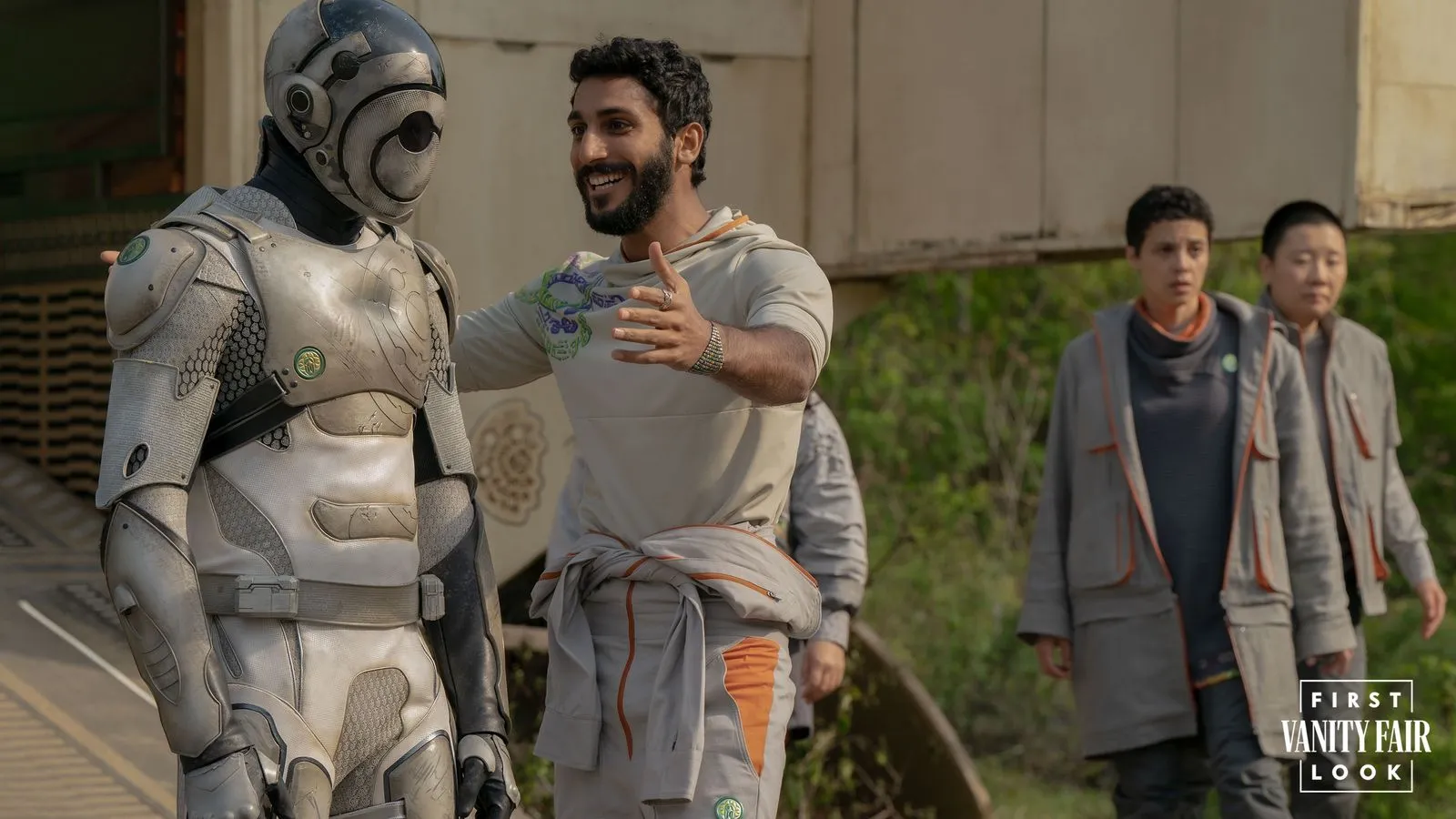
Practical effects ground the surreal: armored centipedes skitter with unsettling authenticity, their segmented carapaces catching gleams of torchlight. Sand-worm renderings swell from digital clay, cavernous jaws scaling terrifying proportions without sacrificing textural detail. Overlay graphics—mission logs, thermal scans, code snippets—float over each fight, translating Murderbot’s internal analyses into kinetic visuals. Hacking sequences pulse with algorithmic geometry, turning data into dance.
Directorial rhythms vary. Paul Weitz’s two-episode opening establishes tone with assured pacing, lingering on Murderbot’s silent calculations. Later chapters under different helm veer toward brisk spectacle, tightening cuts around action beats but occasionally loosening when humor demands space. Despite this, the series maintains a coherent aesthetic, each director aligning with the core vision: precision laced with sardonic edge.
A wash of ambient hums and distant echoes cloaks the world in quiet tension. Synth textures ripple under dialogue, suggesting circuitry beneath skin. When The Rise and Fall of Sanctuary Moon bursts through the soundscape, a whimsical theme springs to life—bright brass and eager strings—heightening the absurdity of Murderbot’s obsession. These musical shifts mirror the series’ tonal oscillations, proving that even in hardened steel, there exists room for melody.
Charting Uncharted Frontiers
The Corporation Rim’s corporate oligarchs cast long shadows across interstellar trade routes, their bottom-line directives clashing with PreservationAux’s communal ethos of stewardship. Scenes of boardroom dispatches flicker alongside communal meals beneath alien skies, sketching a universe where profit-driven mandates collide with ethical exploration. Subtle references to other SecUnits—dormant models awaiting deployment—and whispered mentions of rival factions hint at a tapestry of corporate intrigue extending far beyond a single mission.
Narrative breadcrumbs signal future depths: fragments of Murderbot’s earliest assignments surface in data logs, while covert transmissions imply lingering conspiracies within the company’s highest echelons. New figures emerge at the fringes—encrypted contacts and off-camera allies—suggesting a network poised to either uplift or undermine the SecUnit’s evolving autonomy.
The premise’s elegance lies in its modular design: a sentient SecUnit grappling with selfhood provides a reliable anchor for endless thematic exploration. Debates over synthetic rights, shifting alliances between independent enclaves and megacorps, and the moral calculus of AI labor promise narrative arcs capable of sustaining multiple seasons.
Cliffhangers—ranging from unexplained signal bursts to the revelation of buried directives—ensure anticipation remains taut. Meanwhile, The Rise and Fall of Sanctuary Moon operates as a playful mirror, its melodramatic excess reflecting the show’s own tension between levity and existential stakes. This meta-textual layer binds fan engagement to both character growth and speculative world-building, charting a course toward ever-expanding horizons.
Full Credits
Directors: Chris Weitz, Paul Weitz, Toa Fraser, Roseanne Liang
Writers: Chris Weitz, Paul Weitz (based on the novels by Martha Wells)
Producers: Chris Weitz, Paul Weitz, Alexander Skarsgård, Andrew Miano, David S. Goyer, Keith Levine
Executive Producers: Chris Weitz, Paul Weitz, Alexander Skarsgård, Andrew Miano, David S. Goyer, Keith Levine
Cast: Alexander Skarsgård, Noma Dumezweni, David Dastmalchian, Sabrina Wu, Akshay Khanna, Tattiawna Jones, Tamara Podemski, Anna Konkle, John Cho, DeWanda Wise, Clark Gregg, Jack McBrayer
Directors of Photography (Cinematographers): Daniel Grant, Tobias Datum
Editors: Kindra Marra, Geoff Ashenhurst, Paul Winestock
Composer: Amanda Jones
The Review
Murderbot Season 1
Murderbot Season 1 fuses sharp humor with taut sci-fi action, crafting a portrait of autonomy reclaimed against corporate machinery. Alexander Skarsgård’s measured delivery turns every quip into a quiet rebellion, while the PreservationAux ensemble humanizes high-stakes moments with genuine warmth. Though pacing occasionally slackens under added material, the series sustains its emotional core and world-building promise.
PROS
- Sharp deadpan humor that reframes sci-fi tropes
- Alexander Skarsgård’s precise, emotionally layered performance
- Voice-over overlays and UI graphics enrich world-building
- PreservationAux ensemble offers genuine warmth and stakes
- Sanctuary Moon interludes add playful meta-commentary
CONS
- Added scenes occasionally stall the narrative drive
- Some supporting subplots feel lightly sketched
- Overlit exposition sequences can seem visually flat
- Antagonists’ motives receive limited development
- Tonal shifts between comedy and tension can jar