

















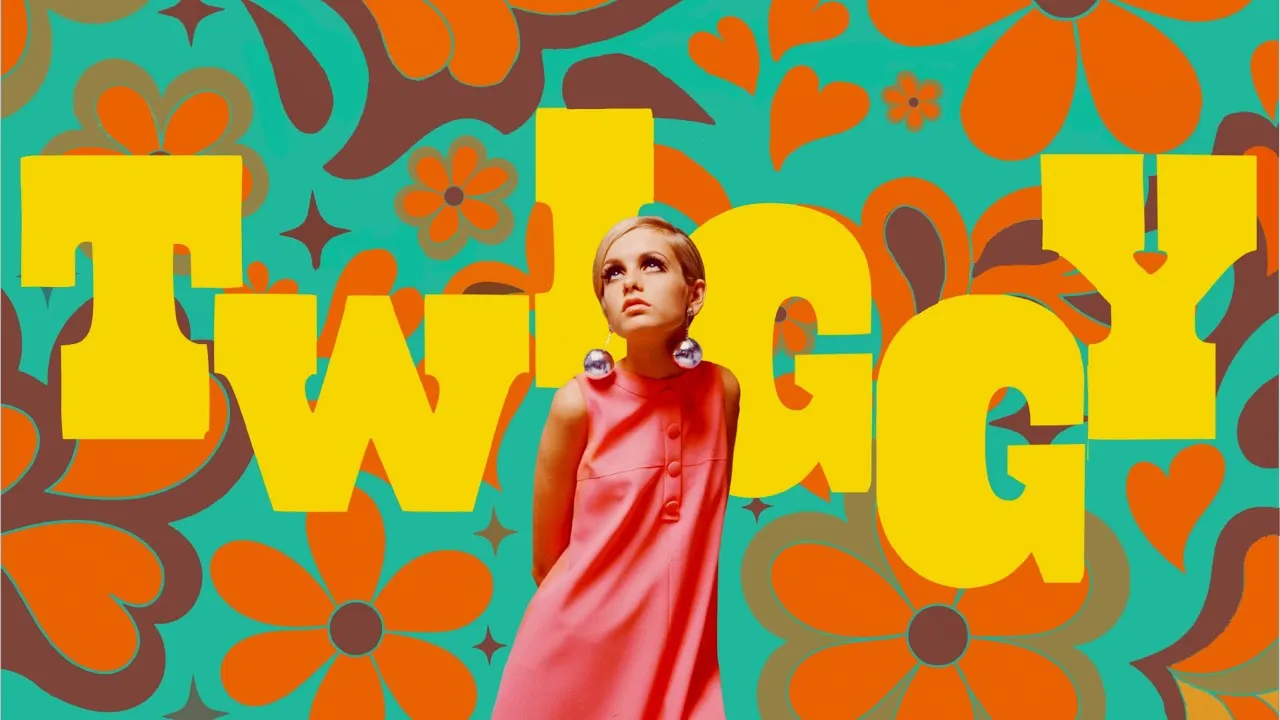

Sadie Frost’s documentary Twiggy charts the remarkable life of Lesley Lawson, who rose from a Neasden teenager to the world’s first supermodel and then forged careers in film, television and Broadway. Frost traces Lesley “Twiggy” Hornby’s transformation through a tapestry of restored fashion shoots, candid interviews and rare home movies.
The film opens with the 1966 Daily Express cover that anointed Twiggy “The Face of ’66,” and moves swiftly through her meteoric rise in London’s mod scene, her New York triumphs and her unexpected pivot into acting. Archival gems—such as Melvin Sokolsky’s Warhol‑esque images of Twiggy amid masked admirers—and fresh reflections from Twiggy herself bring texture to each era.
Interview segments intercut with sequences of Twiggy interacting with industry legends, offering a sense of how those dizzying years felt behind the scenes. Frost balances quick‑cut montages of catwalks and pool parties with measured conversations about personal losses: a controlling first manager, the sudden death of her husband Michael Witney. The result is a vivid portrait of 1960s youth culture and its ripples through subsequent decades.
As fashion and memory collide on screen, one is left pondering how a teenager from North London reshaped ideals of beauty and the meaning of reinvention.
When Neasden Met the Swinging Sixties
Mid‑1960s Britain still hummed with post‑war austerity, but youth culture crackled with new energy. London’s streets transformed into runways for mods in tailored suits and bold patterns, each step echoing a desire to break from the grey uniformity of the previous decade. Carnaby Street boutiques spilled neon onto narrow lanes, and bands like The Who and Small Faces supplied the soundtrack for a generation hungry for self‑definition.
Against that backdrop, Lesley Hornby’s working‑class upbringing in Neasden felt unexpectedly fertile. Weekends spent at a local salon led to an impulsive seven‑hour haircut inspired by a childhood rag doll. A Saturday job at a hairdresser’s counter introduced her to Justin de Villeneuve, who saw a spark in her elfin face and snapped test shots that would soon hang in Leonard of Mayfair. That blend of chance encounter and raw authenticity set her apart from the polished academy‑trained models of the era.
The Daily Express dubbed her “The Face of ’66” at just 16, and those inked pages announced a shift from curated elegance to gamine freshness. Suddenly, Vogue editors and photographers in Tokyo were chasing a silhouette defined by wide eyes, boyish frames and spontaneous smiles. Twiggy’s rise became a global youthquake—her pixie cut and slender proportions reframed female beauty ideals from London to New York and beyond.
Frost’s film captures this cultural rupture through pulsating photo montages and on‑screen reflections that underscore how an unassuming teenager ignited an international style revolt. Viewers can sense the tension between small‑town roots and the dizzying stakes of world‑stage fame—and wonder how those forces still shape how we see style and identity today.
Shifting Rhythms: Charting Twiggy’s Arc
Frost arranges Twiggy’s life into clear phases, much like a well‑paced narrative title sequence in an indie game such as Firewatch, where past and present inform each other through scattered notes and recordings. It begins with Justin de Villeneuve’s chance salon discovery, sweeps through Twiggy’s explosive London and New York modelling stardom, then moves into her Golden Globe wins and Broadway turn, before returning her to fashion’s spotlight and national honours. Each milestone feels earned, unfolding without awkward leaps or information dumps.
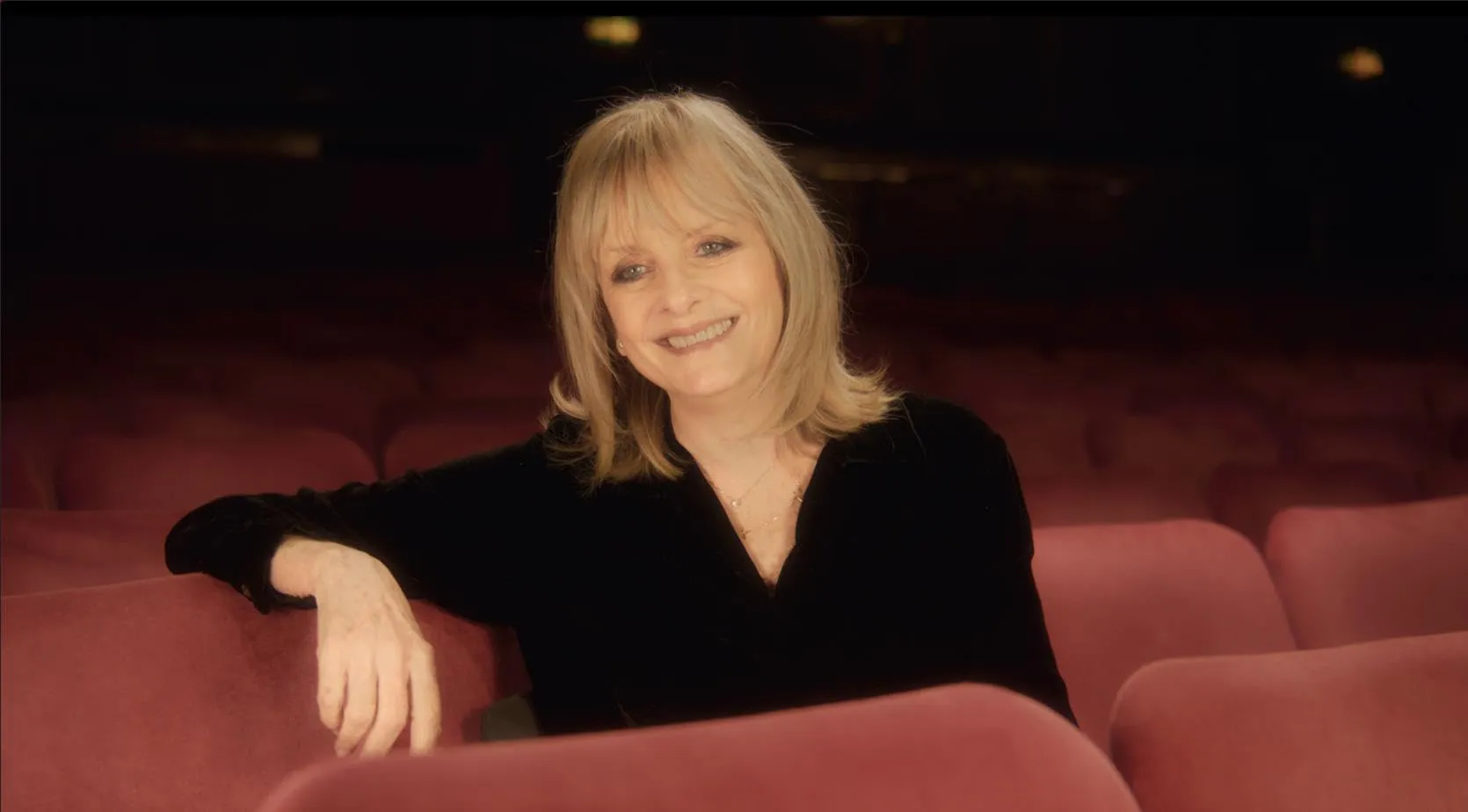
Archive fashion shoots—Melvin Sokolsky’s New York mask‑crowd tableau chief among them—are intercut with candid home‑movie fragments and magazine spreads. These glimpses carry a tactile weight, as if one could reach through the screen and touch that era’s fabric and film grain. When the montage slows, present‑day interviews offer emotional punctuation: Twiggy’s quiet smile as she recalls walking into a Vogue office, or her steady gaze recalling Woody Allen’s off‑hand cruelty.
Pacing shifts with purpose. High‑energy montages of Carnaby Street showcase fast cuts aligned to swinging ’60s beats, generating exhilaration akin to combat sequences in a narrative RPG. Later sections adopt longer takes—gentle dissolves over family photographs or lingering close‑ups on Twiggy’s reflective expressions. That contrast deepens viewers’ empathy, inviting them to inhabit moments of triumph and grief equally.
By blending archive and contemporary testimony with deliberate shifts in tempo, Frost creates a structural rhythm that keeps emotional stakes in focus—and leaves us pondering how the style revolutions of one teenager still ripple through how stories are told on screen today.
Visions in Motion: Archival Flair and Rhythmic Cuts
Frost treats her archives like levels in a narrative game, each segment polished with distinct visual rules. Restoration work brings 1960s catwalk footage into vivid color, while intimate home movies retain a softer grain in monochrome. That contrast feels deliberate—color scenes convey the era’s exuberance, while muted tones underscore more private moments.
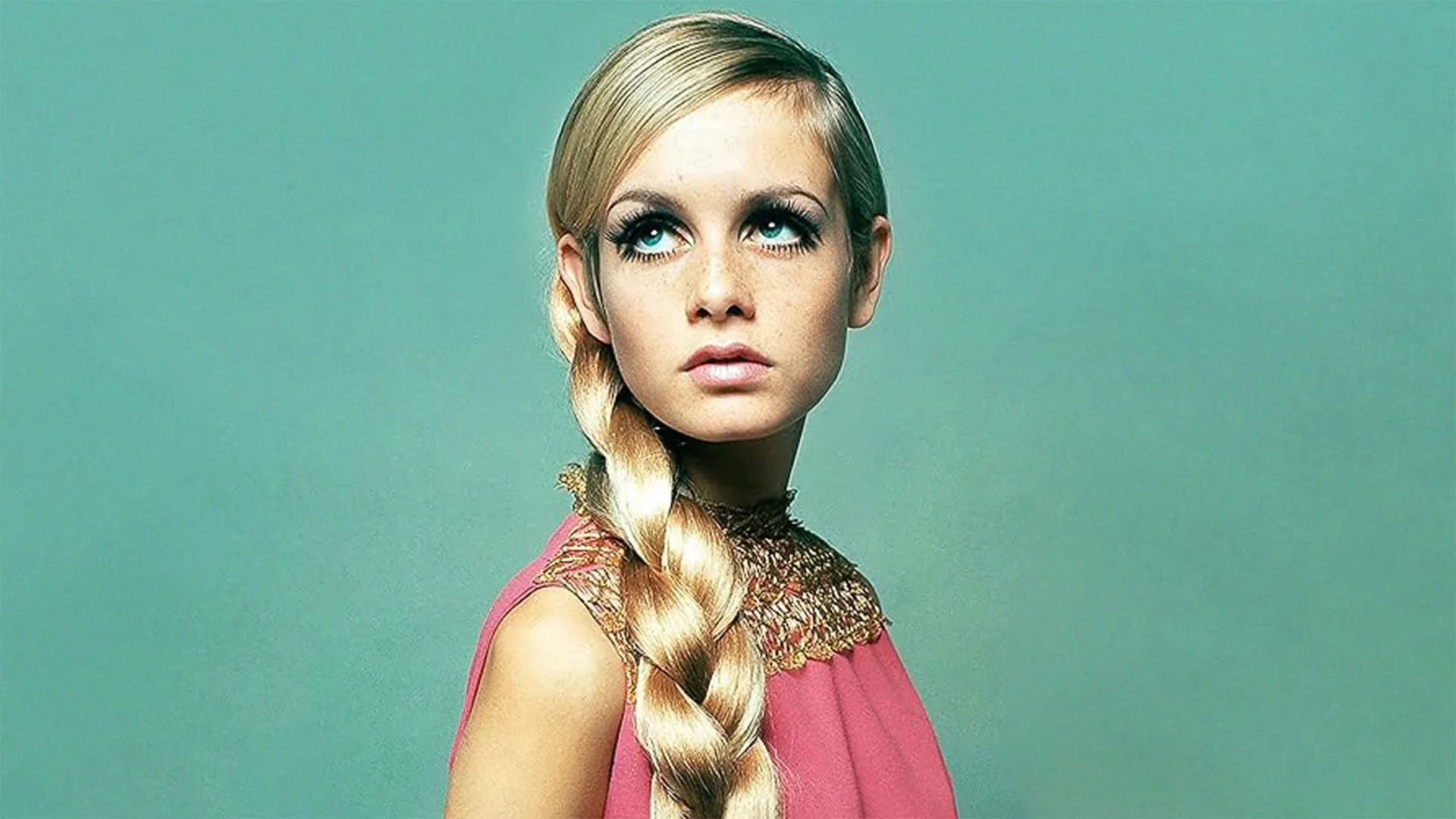
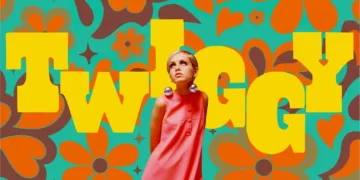
Animated timelines and stylized title cards appear between chapters, their pop‑art fonts and Warhol‑inspired palettes recalling the very magazine spreads that launched Twiggy’s fame. These graphic overlays serve as signposts, orienting viewers to dates and locations without resorting to clunky exposition. They function much like a game’s HUD, delivering key context while letting the story flow.
Editing choices drive emotional peaks and lulls. Runway montages sprint past in rapid‑fire succession, synced to upbeat jazz riffs, evoking the thrill of first discovery. Interview takes dwell longer: Frost lets close‑up shots of Twiggy’s face linger, giving space for unguarded expressions and audible pauses. That shift in tempo deepens our sense of her resilience amid the spectacle.
Production design details reinforce period authenticity. In‑frame elements—vintage rotary phones, mid‑century wallpaper, and mid‑tone wood paneling—anchor present‑day interviews in a 1960s sensibility. Interview backdrops echo mod patterns seen in archive stills, subtly bridging past and present.
By weaving archive restoration, graphic inserts, dynamic cutting rhythms and carefully chosen set pieces, Frost creates a visual score that pulses with style and sincerity—prompting us to ponder how form and function align when crafting a portrait of cultural revolution.
Echoes of Influence: Primary Voices in Twiggy
Twiggy steers the documentary’s emotional center with candid moments that feel unscripted. Her laughter cracks through recollections of late‑night photo calls, and her steady gaze when recalling Woody Allen’s dismissive question conveys resilience without self‑pity. Those unsparing pauses—when she simply looks off‑camera—speak volumes, granting viewers direct access to her unvarnished persona.
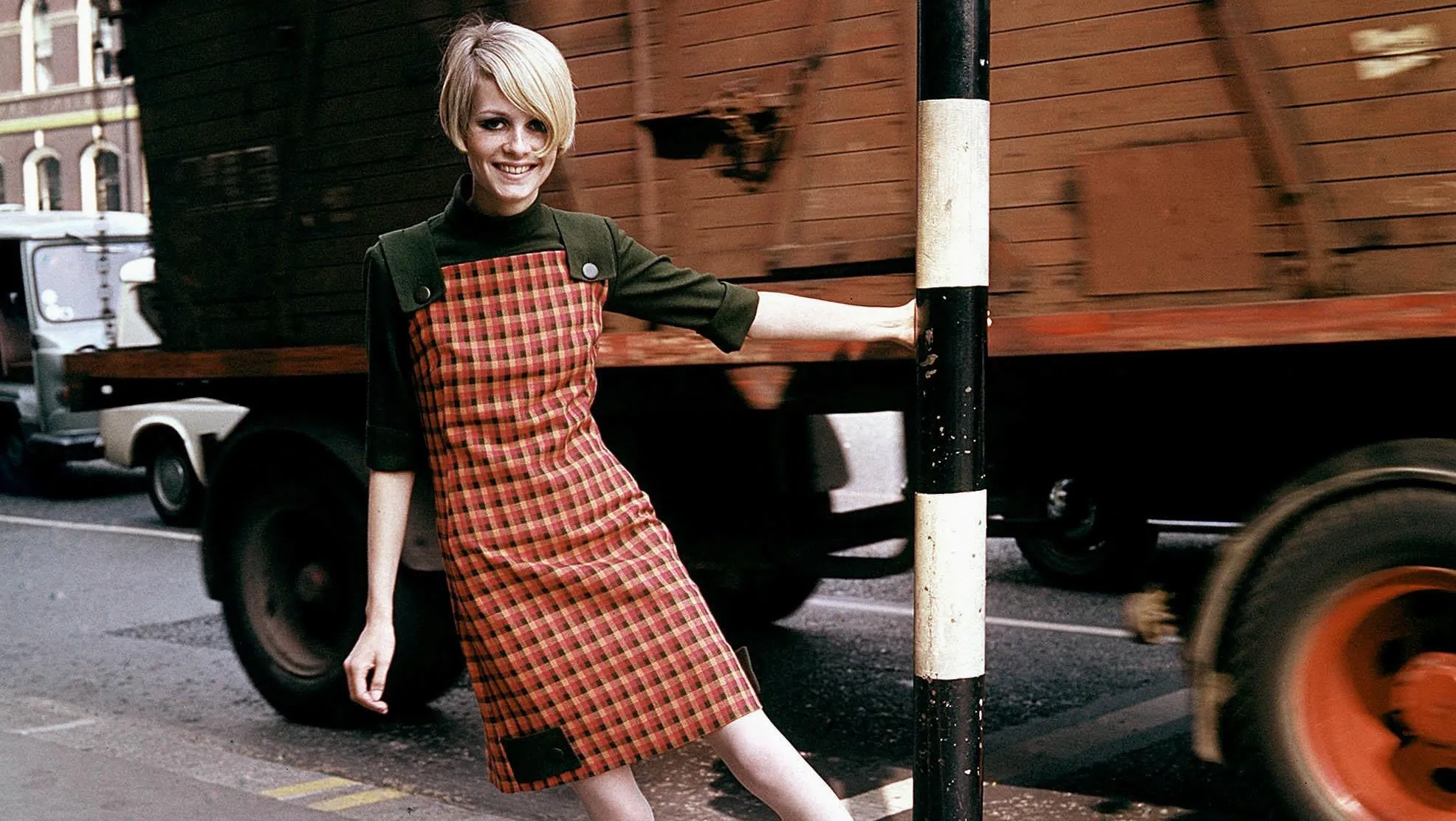
Industry voices lend context without overwhelming her narrative. Suzy Menkes outlines how Twiggy’s proportions rewrote fashion rules, while Edward Enninful highlights her ripples across magazine pages and casting rooms. These reflections ground her cultural impact in concrete shifts—edit pages she graced, design houses she inspired—reminding us that influence can be measured not just in gallery walls but in everyday wardrobes.
Celebrity testimonials arrive like side quests that enrich the main storyline. Joanna Lumley’s playful admiration conjures warm memories of mutual mod‑era escapades, whereas Paul McCartney contextualizes her as a symbol of London’s creative surge—much as game directors salute indie pioneers who reshape design conventions. Dustin Hoffman and Sienna Miller trade anecdotes laced with affection and dry wit, their varied tones mirroring the layering of NPC dialogue in narrative‑driven games: personal, informative, occasionally surprising.
Notably missing is Justin de Villeneuve’s first‑hand account. His silence casts a subtle shadow, prompting speculation about whose story is told and whose remains half‑hidden. That choice shifts narrative control fully to Twiggy and her admirers, inviting viewers to read between edits—much like piecing together journal entries in an underappreciated indie adventure. Which voices matter most when constructing a life‑story on screen—and what happens when key chapters go unheard?
Sonic Threads: Weaving Emotion Through Sound”
Frost peppers Twiggy with ’60s period tracks—Dusty Springfield’s soulful croon under a montage of pool‑party sequences, The Kinks’ jaunty riffs as Twiggy’s first test shots surface—so that each beat doubles as emotional punctuation. Those familiar melodies anchor us in the era’s optimism, even as they play against the tension of flashing cameras and surging crowds.
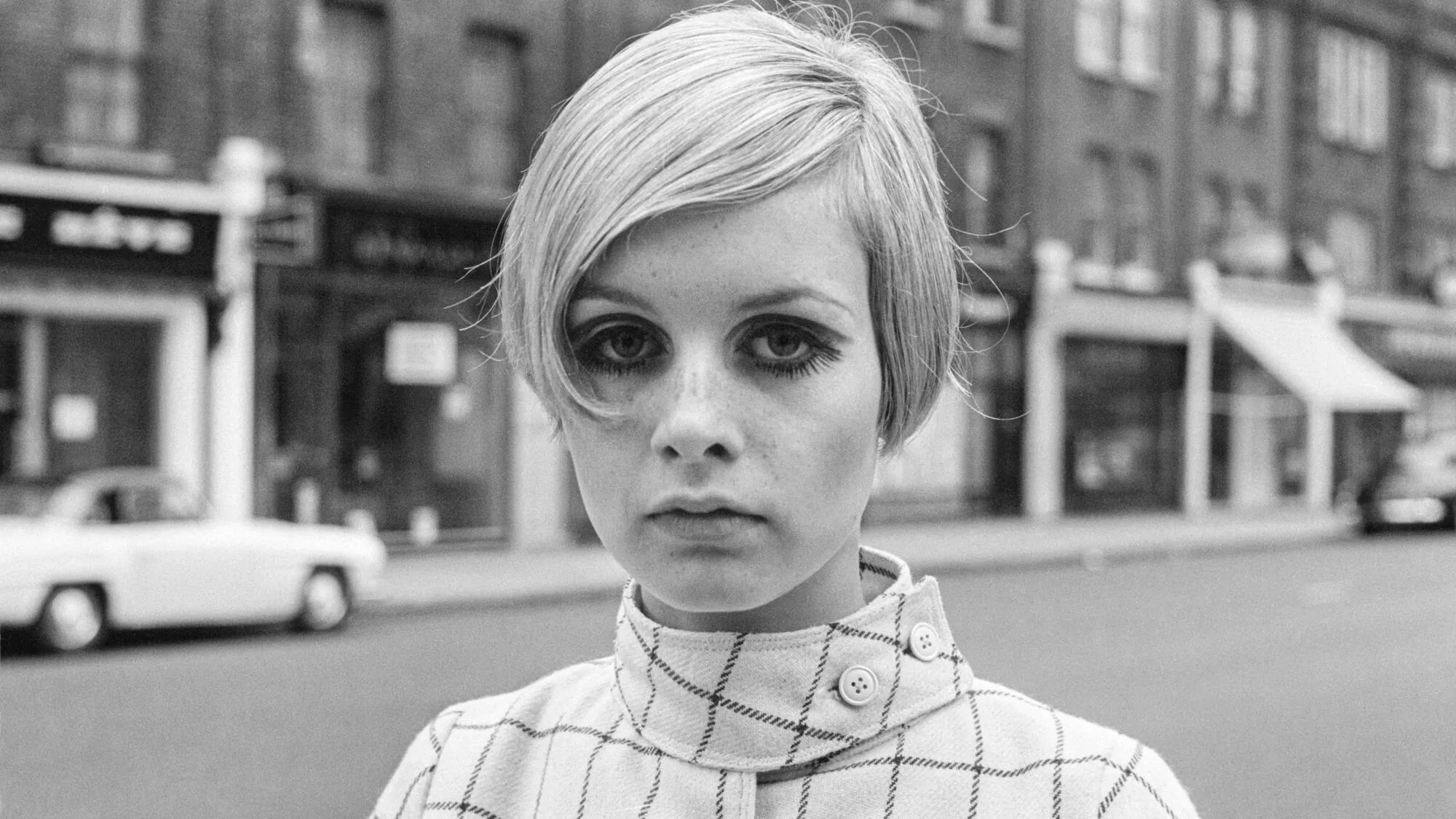
Original score cues appear sparingly but with precision. Soft piano motifs glide in when Twiggy reflects on personal loss, then give way to sprightly strings as she steps onto a Broadway stage. These shifts in instrumentation function like level transitions in a narrative game, signifying a move from one chapter of her life to the next without jarring the viewer’s immersion.
Interview sound design stays unobtrusive. Ambient room tones thread between clips, and cross‑fades layer Twiggy’s present‑day voice over archival footage—much as an indie game might overlay voice logs atop environmental sound to underscore memory. Occasional voice‑over layering, for instance during the Woody Allen anecdote, heightens the impact of her unease without resorting to dramatic orchestration.
By mixing iconic tracks, tailored scoring and subtle audio transitions, Frost crafts an aural landscape that amplifies both nostalgia and introspection—prompting us to ask how much of a life’s story is carried by its soundtrack, and how those sonic choices shape the way we remember a legend.
Shifting Facades: Identity, Image and Endurance
Twiggy’s arc embodies self‑invention at its most literal. Frost structures her narrative so that moments of transformation—Lesley Hornby’s first test shots, her christening as “Twiggy” in print—aren’t just anecdotes but pivot points in a cinematic storyline. By juxtaposing her childhood home videos with glossy magazine spreads, the film asks how authenticity survives when a persona is deliberately crafted. That tension recalls narrative games like Florence, where player choices reveal fragmented selves beneath charming façades.
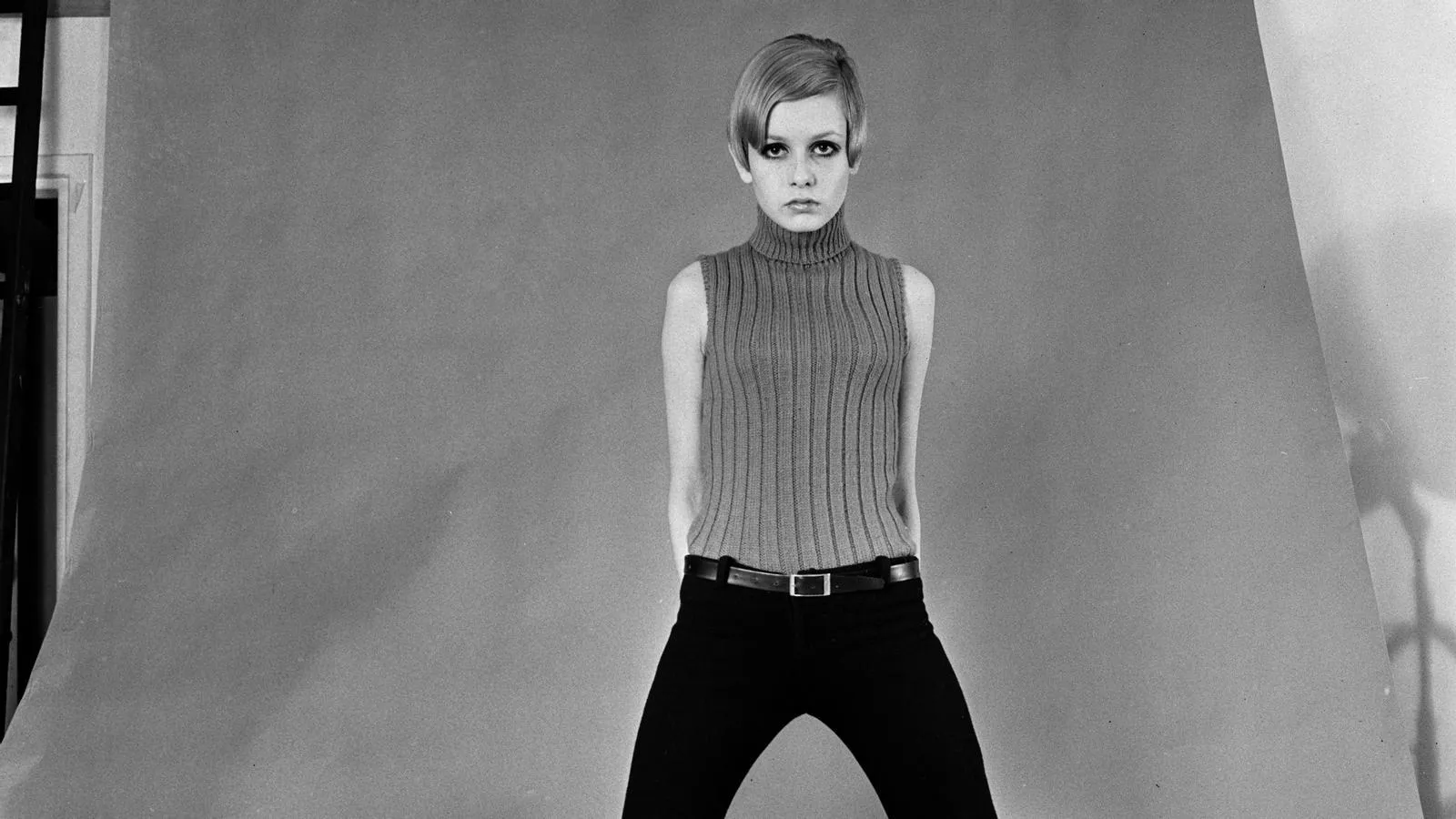
Her “elfin” look redefined body ideals, challenging the classical proportions beloved by haute couture houses. Frost highlights this through lingering close‑ups of Twiggy’s eyes and slender frame, then cuts to commentary on the pressures she faced under sexist camera lenses. In doing so, the documentary mirrors the pacing of a game’s tutorial levels: initial wonder gives way to darker revelations about how image can both empower and objectify.
Class underpins her relatability. Working‑class roots in Neasden emerge in anecdotes about her factory‑worker mother and Saturday salon gig. That grounding creates emotional resonance when Twiggy mines her own story for humor rather than glamour. It’s akin to how indie titles such as Night in the Woods channel everyday life to foster genuine empathy—reminding us that a subject’s origin story can be as compelling as her spotlight moments.
Moments of scrutiny—Woody Allen’s patronizing question, the hush after her husband’s sudden death—play out with deliberate pacing. Frost stretches those sequences, letting ambient silence hang before scoring resumes, so viewers grasp the weight of each setback. That measured rhythm turns personal tragedy into a shared experience, showcasing how pacing can transform archival fragments into emotional beats.
Twiggy’s legacy pulses through modern fashion revivals, her damehood and M&S campaigns. Yet Frost leaves us considering how fame’s glow dims while a genuine personality endures. If her story reads like a well‑crafted narrative, what does that suggest about the stories we tell ourselves—and how might we recognize our own reflections in hers?
Full Credits
Director: Sadie Frost
Producers: Sadie Frost, Nick Hamson, Simon Jones
Executive Producers: Ronni Ancona, Sharon Brittan, George de Pass, Andrew Green, Chris Greenhill, Rory Kindlon, Aisling O’Connor
Cast: Twiggy, Dustin Hoffman, Joanna Lumley, Paul McCartney, Stella McCartney, Sienna Miller, Tommy Tune, Brooke Shields, Robert Powell, Pattie Boyd, Joy Crookes, Poppy Delevingne, Fran Drescher, Edward Enninful, Mindy Grossman, Tim Hutton, Leigh Lawson, Lulu, James MacMillan, Tony McGee
Director of Photography (Cinematographer): Diana Olifirova, Lucas Tucknott
Editors: Liz Deegan, Kristina Hetherington
Composer: Mara Carlyle
The Review
Twiggy
Twiggy delivers a rich portrait of its subject, weaving restored fashion footage with candid reflections. Frost balances glamour and vulnerability, allowing her personality to emerge through archival sequences and contemporary interviews. The film charts the rise of a working‑class teen turned style pioneer, capturing her adaptability and quiet strength.
PROS
- Richly restored fashion footage that immerses viewers in the Swinging Sixties
- Candid interviews reveal Twiggy’s wit and resilience
- Pacing shifts deftly between energetic montages and reflective moments
- Soundtrack and score reinforce emotional highs and lows
CONS
- Limited insight into the influence of early management on her career
- Later career phases receive relatively brief attention
- Cultural critiques of the era are touched on but not unpacked fully
- Some celebrity testimonials repeat similar anecdotes