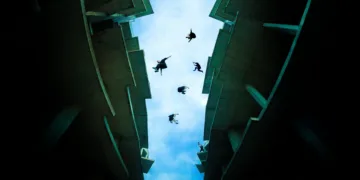



























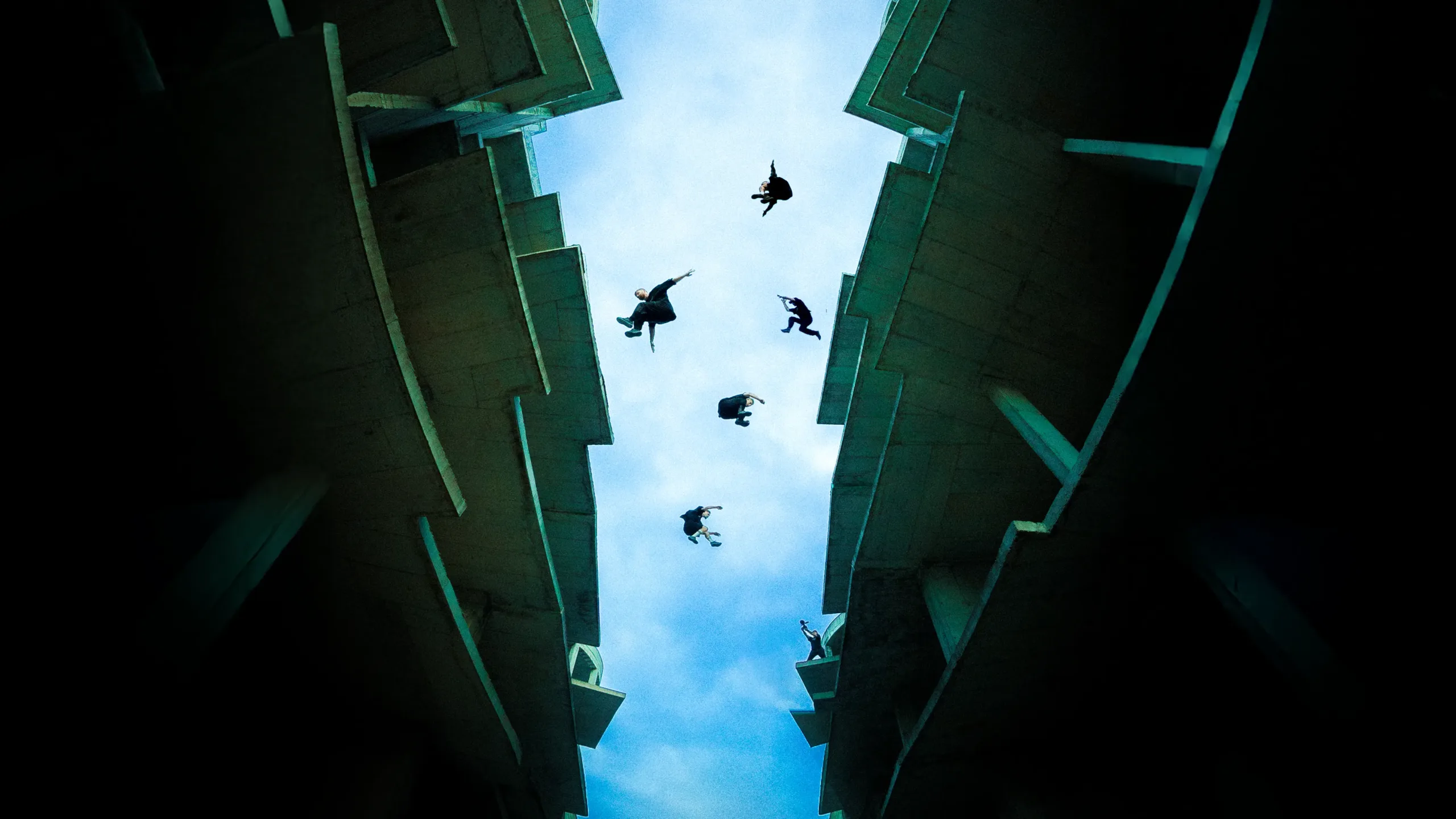

Michael Bay’s first venture into nonfiction cinema turns the camera on a tight‑knit crew of seven British free‑runners who have spent the last decade transforming everyday rooftops into spectacles of human flight. We Are Storror follows Max and Ben Cave, Callum and Sacha Powell, Josh Burnett‑Blake, Drew Taylor, and Toby Seglar as they leap from Sussex backyards to the dizzying heights of Hong Kong skyscrapers, zigzag down Portugal’s sand‑blasted quarry stairs, improvise choreography in an abandoned Bulgarian resort, and sprint across Malta’s narrow ledges.
What began as childhood play—clambering over fences and vaulting park benches—has ballooned into a YouTube phenomenon boasting over ten million subscribers. Bay himself never set foot on the edge of these buildings; legal considerations kept him in a remote edit suite. His direction emerges in judicious cuts, pacing the action to alternate between heart‑stopping slow‑motion and pulse‑pounding montages, while home‑movie flashbacks root each boundary‑pushing stunt in youthful wonder.
Right from the warning placard—“Don’t attempt anything you see here”—the film promises raw energy, genuine brotherhood, and occasional bone‑crunching failure. It asks viewers to feel the breath‑catch of mid‑air suspension and to wonder how long this high‑stakes play can last before gravity—and time—insist on an answer.
Parkour’s Pulse: Mechanics, Momentum, and Danger
Parkour begins with a simple rule: move through any environment by running, climbing, or leaping as efficiently as possible. It borrows its name from a French training method and has branched into both urban and natural settings—think vaulting over concrete barriers one moment, then scrambling up rocky terrain the next. In cinematic terms, each stunt becomes a playable level, where the athlete’s body is the controller and the cityscape is a sprawling open world ripe for exploration.
– In Hong Kong, first‑person GoPro footage drops you onto rooftops fifty stories high. The visceral dizziness recalls the edge‑of‑your‑seat thrill in a game like Mirror’s Edge, where every jump tests your grip on momentum.
– Portugal’s sand‑quarry staircase challenge plays out as a multi‑stage boss battle: the first scripted zig‑zag attempt ends in a bone‑shattering wipeout, then cuts to a triumphant retry that rewards patience and precision.
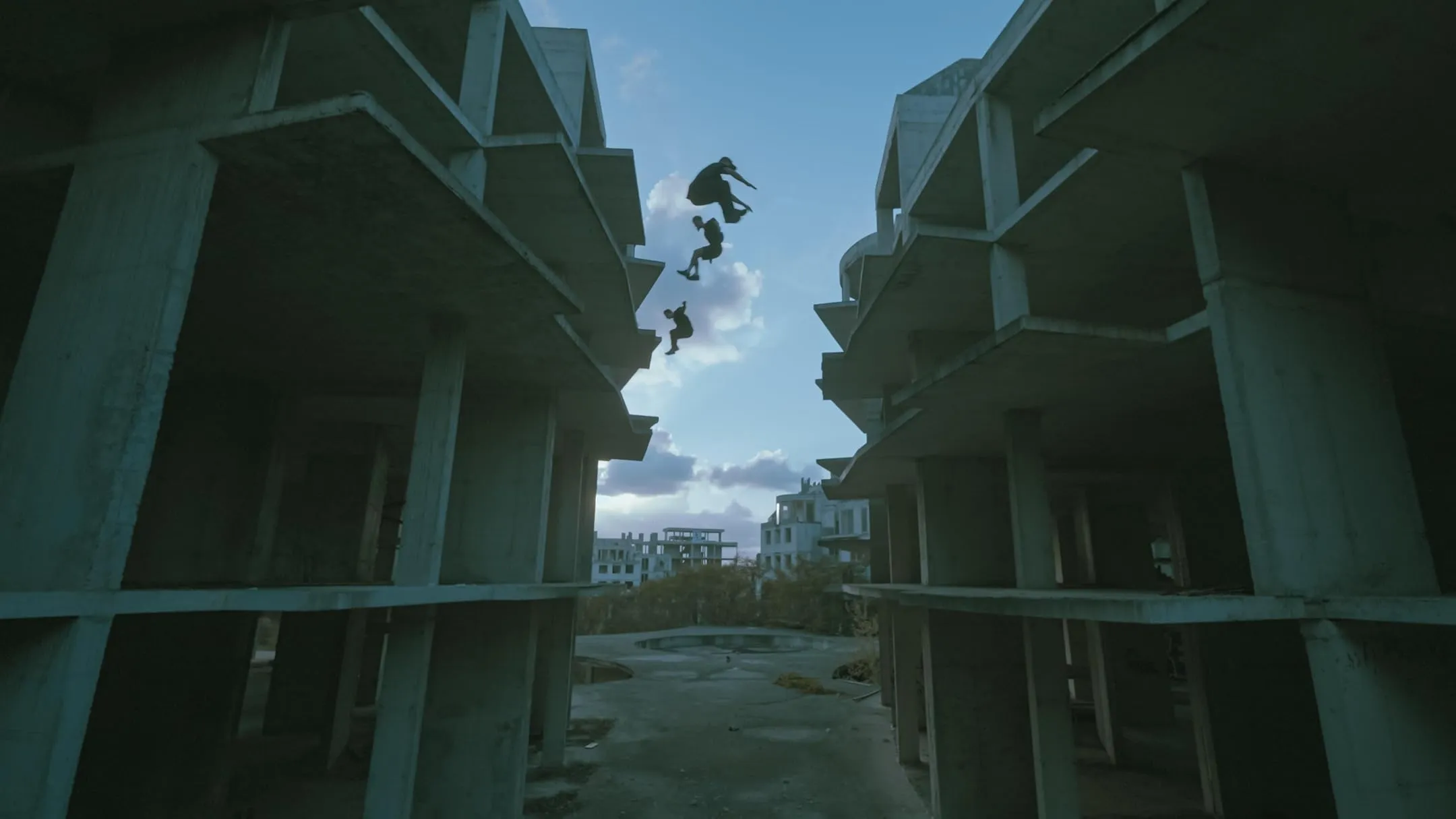
– At an abandoned Bulgarian resort, the crew treats crumbling hallways like branching corridors, choreographing group moves that feel part stealth mission, part ballet.
– On the Varosa Dam handrail sprint, they slide and vault in a single fluid motion—no checkpoints, no respawns, just the risk of one misstep.
An early title card hammers home the cost of error: “Don’t attempt anything you see here.” When the film follows up with slow‑motion replays of snapped ankles and ER visits, the tension spikes. You sense the same emotional weight you get when a beloved character in a narrative‑driven game faces permanent consequences.
We watch the team sand down ledges, clear hidden nails, and mark jump points in chalk. These sequences mirror a game tutorial’s measured pacing, breaking down complex moves into learnable steps. It creates a bond: you understand each risk before you feel the rush.
From feral childhood hurdles to billion‑view YouTube stunts, Storror’s escalation mimics a finely tuned difficulty curve. When demonetization forces them to chase higher thrills and their bodies start to protest, you glimpse an unresolved tension—how long can they keep pressing forward before the system or their own limits demand a new strategy?
Cinematic Mechanics: How We Are Storror Moves You
Bay arms the film with a two‑tier camera setup that feels like mixing first‑person gameplay and a cinematic overwatch. Drones hover above cityscapes, tracing synchronized group runs like a strategy camera in a real‑time tactics game. These sweeping aerials frame each member’s path as part of a larger level design. GoPros and handheld rigs drop you into the athlete’s shoes, evoking that vertigo in Mirror’s Edge when you’re teetering on a narrow beam with no safety net.
The editing and pacing mimic the ebb and flow of a well‑balanced game. Rapid‑cut montages thrust you through one rooftop sprint after another, then slow‑motion sequences puncture the rush, giving you space to register every flexed muscle and dust‑laden footfall. Black‑and‑white inserts interrupt the color onslaught, like a quick pause menu that shifts tone before sending you back into the action.
Sound acts like an adaptive soundtrack in a stealth sequence, blending Lorne Balfe–style electronic pulses with heartbeat‑like rhythms. When wind whips past a GoPro or concrete slaps against a palm, those raw audio bites heighten immersion—much as environmental cues in indie titles signal an unseen threat or reward.
Visually, the film leans on flight metaphors: fleeting hang‑time echoes a spring‑loaded jump in Prince of Persia, and silhouetted leaps against stormy skies recall comic‑book panels from Frank Miller’s Dark Knight Returns. The contrast of rigid architecture and fluid human movement underlines a theme of freedom versus structure.
Bay’s choice to bookend the documentary with the Portuguese staircase frames the experience as a single gauntlet, while childhood home‑video clips drop in like origin‑story flashbacks in an RPG. These framing moves keep you aware that every high‑octane stunt traces back to playful beginnings—and that each leap carries the weight of both past and future. How do these cinematic choices shape your bond with the performers, and what do they ask you to risk alongside them?
Brotherhood in Motion: Inside Storror’s Dynamics
The film introduces seven athletes in their early‑ to mid‑30s, grouped into two sets of brothers—Max and Ben Cave, Callum and Sacha Powell—and three lifelong friends: Josh Burnett‑Blake, Drew Taylor, and Toby Seglar. Their shared origins in Sussex link suburban rooftops to global cityscapes, creating a sense of collective origin story.
Adrenaline, artistry, and income all compete for center stage in their motivations. One member asks, “Why risk your life for one second in the air?”—a question that frames their leaps as both existential thrill‑seeking and performance art. Another mantra, “To live is to die,” suggests they chase that millisecond of weightlessness to feel vividly alive.
Their chemistry unfolds like a co‑op campaign free of PvP drama. No heated feuds crop up; instead, you sense genuine concern when someone hesitates mid‑jump or lands awkwardly. There’s a road‑trip bro‑comedy vibe in their banter—one teases a teammate’s new choreography, another cracks up over a silly prank—yet the laughter tightens the emotional stakes when the next stunt could break bones.
Individual arcs emerge through quiet moments. Burnett‑Blake wears caution more heavily with each broken bone, confessing his thrill meter is dipping. Sacha Powell balances physical daring with his film‑school background, often sketching shot lists on-site. A fleeting reference to a long‑distance romance gone awry hints at the collateral cost of perpetual travel.
Underlying every stunt is a ticking clock: “Our bodies will let us down,” one admits. That collective anxiety—what happens if they can’t land the next jump, or if YouTube’s algorithms cut off their livelihood—hangs over each rooftop dash. As they forge ahead, you’re left wondering how far loyalty will carry them when the margin for error shrinks so perilously small.
Edge of Existence: Risk, Aging & Identity
Parkour’s heartbeat is danger. Storror’s members chase that split‑second rush—the “thrill of victory, agony of defeat” made literal when a mistimed leap can end in broken bones. That liminal moment, suspended between takeoff and landing, becomes an emotional high‑score screen: they vault not just for spectacle but to feel utterly alive, the way a well‑timed combo in an action game delivers both challenge and reward.
Bay peppers the film with a mantra—“To avoid death is to avoid living”—casting each rooftop dash as a philosophical trial. Parkour here isn’t mere stunts; it’s a metaphor for life’s obstacles. Every wall they clear or gate they flip over becomes an allegory for overcoming fear, much like narrative‑driven games where environmental puzzles mirror internal struggles.
But bodies betray time. Interviews reveal their inner conflict: preserve youth or accept shifting priorities? As stress fractures accumulate, you sense the same bittersweet tension found in Journey: early freedom gives way to an inevitable end, leaving you to savor each moment’s beauty before it fades.
Storror blurs art and athletics. Their synchronized runs read like contemporary dance set to cityscapes, yet demonetization pressures push them into ever-riskier choreography. It’s the commercialization tightrope that indie creators know too well—find balance between creative vision and algorithmic demands.
Their illicit leaps reclaim public architecture as shared playgrounds, a form of playful dissent against privatized spaces. And within that rebellion lies a deeper refuge: brotherhood forged at the edge. In an era when so much feels transient, Storror’s bond asks us to consider where we find our own sanctuary—and what we’re willing to risk to keep it.
Behind the Lens: Bay’s Documentary Blueprint
Michael Bay steps into nonfiction with all the hallmarks of his blockbuster career—rapid editing, epic set pieces, and a flair for high‑octane visuals. Here, though, he’s not choreographing explosions but shaping hours of parkour footage into a coherent ride. His maximalist instincts surface in every cut, turning rooftop leaps into cathartic crescendos much like a boss battle finale in an action game.
For legal reasons, Bay never climbed alongside his subjects. Instead, he handed Storror instructions to “shoot everything,” then sifted through GoPro, drone, and handheld clips. That hands‑off approach feels akin to a designer play‑testing a level by watching others navigate it—Bay tweaks pacing and perspective from afar, crafting tension without ever risking a tumble himself.
The film blends archival self‑made reels (think early DIY stunts in SuperTramps: Thailand or Roof Culture Asia) with newly funded sequences staged under Bay’s banner. These old vs. new juxtapositions offer a layered origin story, yet you can sense the production budget’s imprint when a shot gains extra drone polish or a slow‑motion flourish.
Bay tries to mix personal moments—relationship woes, team doubts—into the stunt parade. Some of those beats land, but a scene of long‑distance heartbreak can feel like a tutorial pop‑up interrupting an immersive run. It raises the same design question as forced dialogue in an open‑world game: when does storytelling bolster the thrill, and when does it yank you out of flow?
Seen alongside his work in 6 Underground, this documentary underscores Bay’s commitment to childlike awe. He treats cityscapes as playground levels, inviting us to leap alongside Storror. Yet it leaves you wondering if his blockbuster toolkit can capture the quieter fear that makes each jump matter.
After the Leap: Impact & Horizons
We Are Storror’s strongest pull lies in its visceral thrills and immersive camerawork—drone sweeps that map every rooftop run, GoPro angles that pinch your stomach mid‑air, and slow‑motion replays that let you savor each flexed muscle. Coupled with authentic bonds among the seven athletes, the film captures parkour’s raw emotional spike in a way few extreme‑sports documentaries manage.
Yet it occasionally stumbles in character depth. Moments of personal drama—long‑distance romance, mid‑life doubts—can feel tacked‑on, breaking the adrenaline flow like a poorly placed dialogue box in an otherwise seamless level. Those narrative detours risk diluting the core spectacle fans came to see.
Culturally, Bay’s film does something rare: it elevates parkour from online subculture to cinematic art, inviting viewers unfamiliar with the sport to appreciate its choreographic beauty and philosophical edge. On a big screen—or better yet, IMAX—you feel the full scale of each jump; small‑screen viewings risk flattening what makes Storror’s feats so electrifying. And fair warning: faint hearts will flinch along with every miscalculated landing.
Looking ahead, We Are Storror could set a new bar for extreme‑sports docs, inspiring indie filmmakers to blend high production values with genuine subcultural storytelling. Will future creators match Bay’s visual bravado while digging deeper into the psychology behind each leap, or will parkour’s next chapter remain a daring footnote in documentary history?
Full Credits
Director: Michael Bay
Writer: Rich Eckersley
Producers: Michael Bay, Angus Wall, Paris Kassidokostas-Latsis, Terry Dougas, Drew Taylor
Cast: Josh Burnett-Blake, Benj Cave, Max Cave, Callum Powell, Sacha Powell, Toby Segar, Drew Taylor
Director of Photography: Storror
Editors: Michael Engelken, Jan Supa
Composer: Lorne Balfe
The Review
We Are Storror
We Are Storror packs breathtaking stunts with immersive camerawork and genuine team spirit, even if its personal stories occasionally stall the momentum. It delivers a front‑row seat to parkour’s artistry and raw emotion, making adrenaline junkies cheer and newcomers lean in. Though character‑driven beats sometimes interrupt the flow, the film’s visual and emotional highs linger long after the final jump.
PROS
- Stunning drone and GoPro cinematography that plunges you into each stunt
- Genuine camaraderie adds emotional weight to the action
- Pacing of sequences balances high‑octane bursts with slower, reflective moments
- Global locations showcase parkour’s versatility and creativity
- Authentic depiction of preparation rituals highlights the discipline behind the thrills
CONS
- Personal backstories occasionally interrupt the momentum
- Some character beats feel underdeveloped
- Narrative filler can dilute the core spectacle
- Reliance on familiar stunt tropes risks predictability







