
























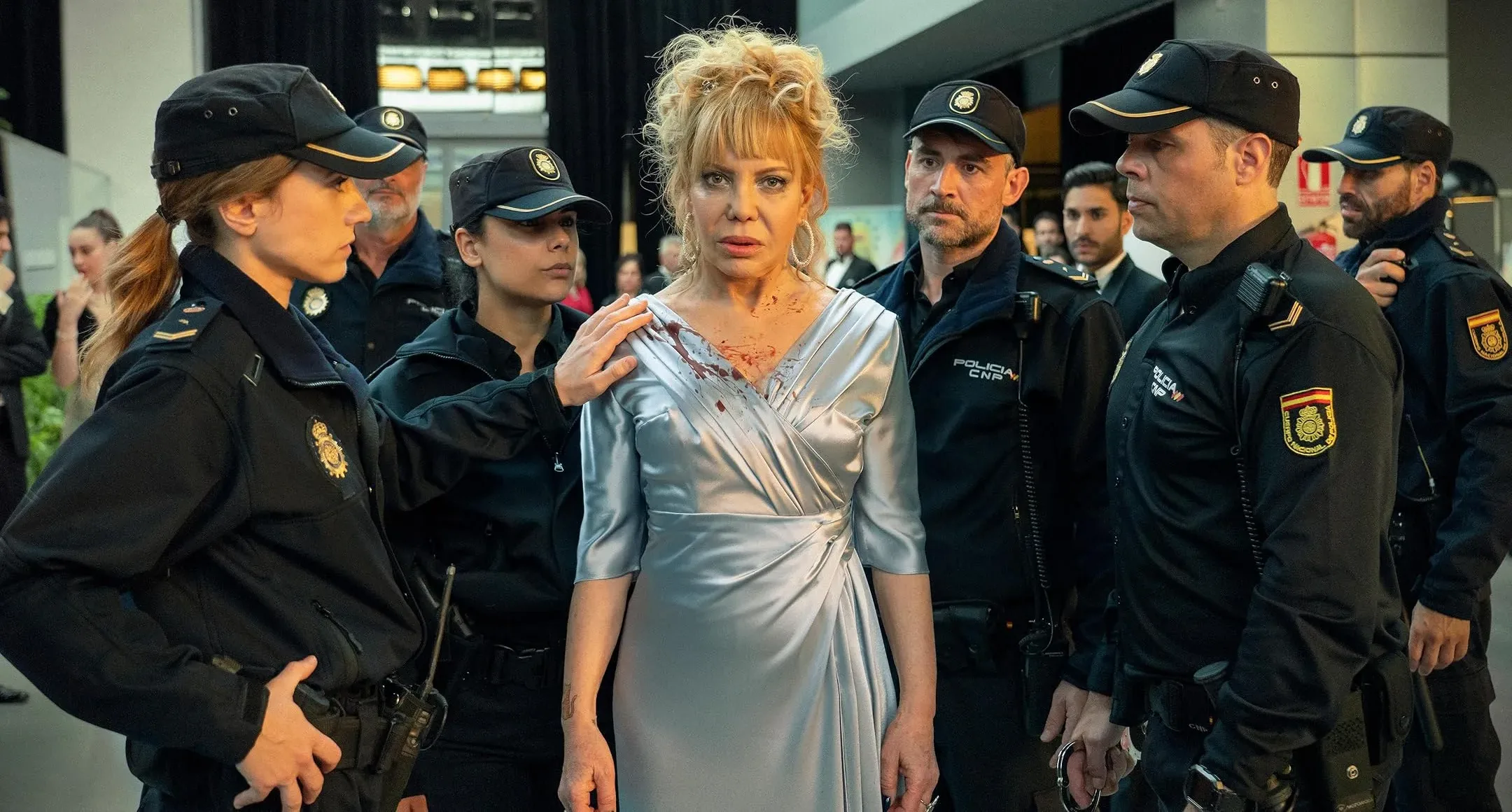

In the ever-expanding universe of streaming content, a new Spanish series arrives not with a whisper but a shriek. “Rage” sets its stage in a hyper-modern Madrid, yet its concerns are timeless, distilled into a potent, high-octane dark comedy. The central idea is simple: what happens when women, pushed past their breaking point by a thousand daily indignities, finally push back?
The show presents an ensemble of female characters whose lives are beginning to fray from the pressures of deceit, professional obsolescence, and profound disrespect. Their deep-seated frustrations erupt in ways that are as shocking as they are bitterly funny.
This is a story about revenge, but one served with such explosive energy and unpredictable consequences that it feels less like a calculated plot and more like a necessary, chaotic exorcism. It captures a distinctly contemporary feeling of being utterly fed up.
The Five Faces of Vengeance
The series presents its argument through the interconnected lives of five women, each a potent symbol of female exasperation. There is Marga (Carmen Machi), a flamboyant artist whose wealthy existence is shattered by the discovery of her husband’s affair with their housekeeper; her proficiency with firearms suggests her response will not be quiet.
We meet Nat (Candela Peña), a loyal employee at a luxury boutique, whose thirty years of service are erased when she is passed over for a promotion in favor of young social media influencers. Her fury is that of the suddenly irrelevant. Adela (Nathalie Poza) confronts a more primal fear: an unemployed woman facing eviction while caring for her difficult mother, she represents economic desperation pushed to the edge.
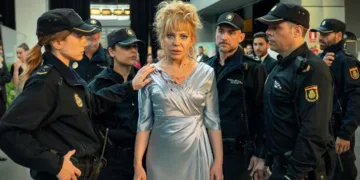
Elsewhere, Vera (Pilar Castro), a celebrity chef, finds her professional life under attack by a malicious critic and resorts to extreme, physical retaliation. Finally, there is Victoria (Cecilia Roth), an actress from a bygone cinematic era, who suffers the acute humiliation of learning that a lifetime achievement award is nothing but a cynical marketing ploy. These are not separate tales of sorrow; their paths cross and their actions ripple outwards, creating a shared geography of indignation across the city.
A World Bathed in Color and Chaos
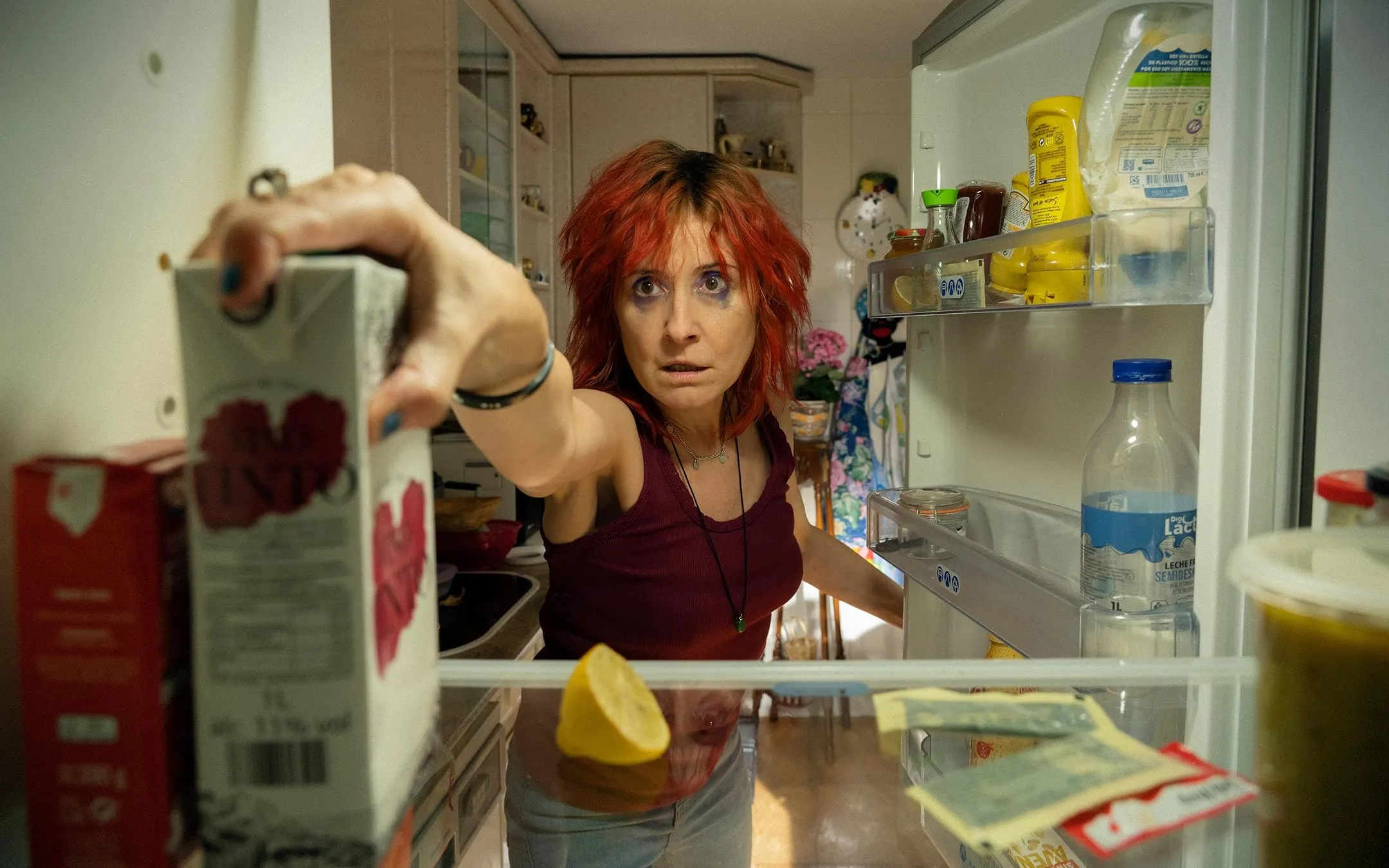
The series distinguishes itself with a visual style that is as loud as its characters’ emotions. The aesthetic, a hallmark of director Félix Sabroso, is anything but subtle. The screen is drenched in intensely saturated colors, with popping greens, sinister reds, and meticulously styled backdrops that mirror the characters’ outfits and turbulent inner states.
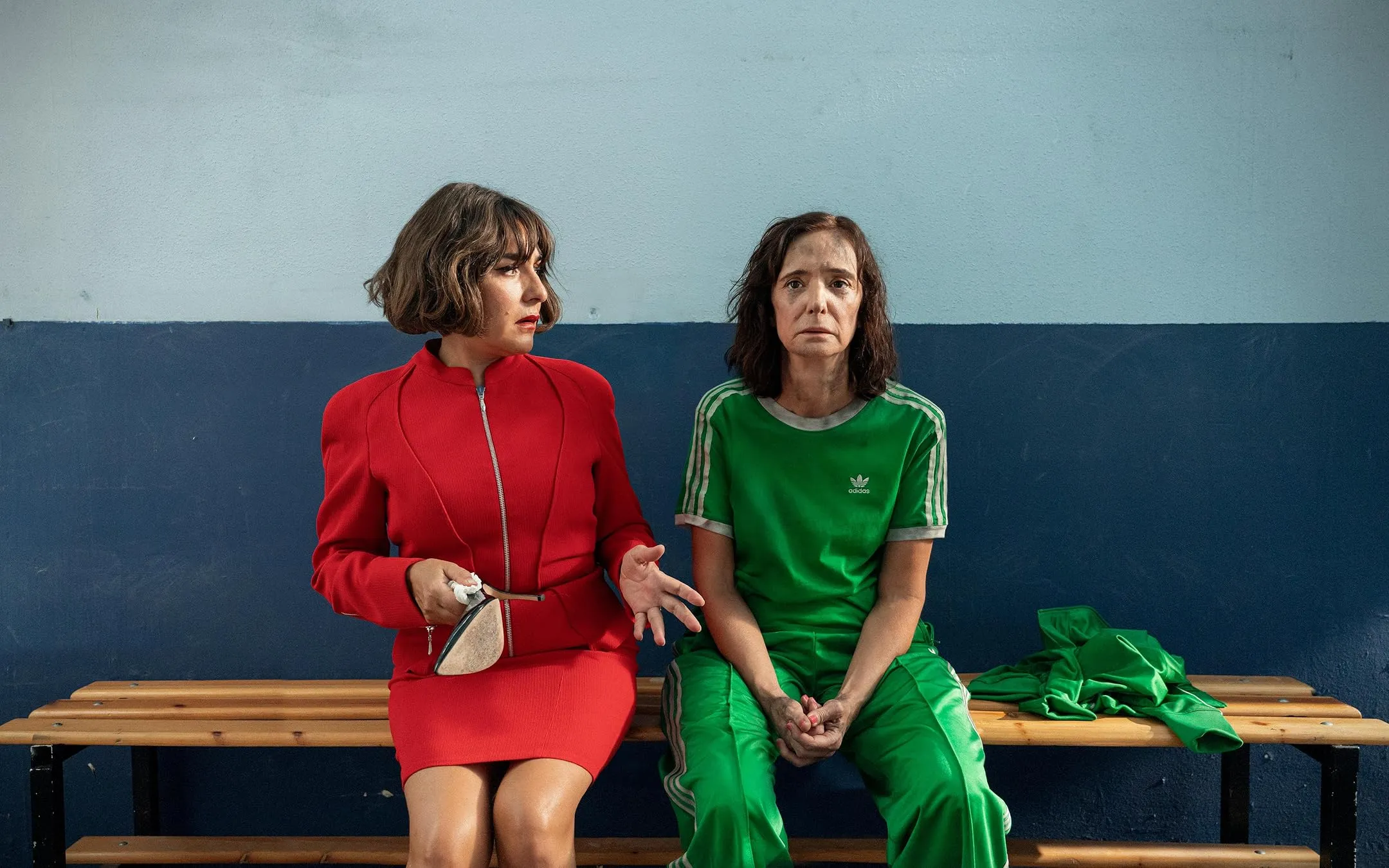
This is not mere set dressing; it is a visual grammar that externalizes the psychological pressure, making the world on screen feel as heightened and on edge as the women themselves. This stylistic choice is matched by the show’s rapid, escalating pace. Minor frustrations spiral quickly into acts of incredible extremity.
The direction cultivates a specific tone, one that expertly balances sharp, acidic humor with a foundation of genuine grief and despair. The ability to make audiences laugh at bright, surprising acts of mayhem, while never losing sight of the pain that fuels them, is the show’s most significant formal achievement.
The Humanity Within the Havoc
Beneath the anarchic surface, the series offers a sharp critique of modern social ailments. The characters’ explosive actions are born from very real anxieties surrounding ageism, infidelity, and the corrosive nature of a society fixated on digital clout.
It intelligently explores what it means to feel discarded, whether by a partner, an employer, or culture itself. What gives the show its depth is its refusal to paint its world in simple moral strokes. It resists the urge to create one-note heroes and villains. The social media influencers who displace Nat are eventually afforded their own vulnerabilities, and even Marga’s cheating husband is shown to be more than a simple caricature of male arrogance.
This narrative complexity prevents the story from becoming a straightforward power fantasy. Instead, it offers something far more resonant: a cathartic, sometimes uncomfortable, look at what happens when the pressure becomes too much to bear. It gives a powerful voice to repressed anger and examines the messy, complicated, and sometimes liberating results of finally letting it out.
“Rage” (Spanish: “Furia”) is a Spanish black comedy television series that premiered globally on HBO Max on July 11, 2025.
Full Credits
Director: Félix Sabroso, Jau Fornés
Writers: Félix Sabroso
Producers: Santi Botello, Tedy Villalba Jr.
Executive Producers: Alberto Carullo, Antonio Trashorras, David Ocaña, José María Caro, Santi Botello, Tedy Villalba Jr.
Cast: Carmen Machi, Nathalie Poza, Candela Peña, Pilar Castro, Cecilia Roth, Claudia Salas, Alberto San Juan, Ana Torrent
Director of Photography (Cinematographer): Carlos Cebrián
The Review
Rage
"Rage" is a visually stunning and intelligently crafted series that uses its explosive, darkly comedic premise to deliver a potent critique of contemporary society. Anchored by powerful performances, its true strength lies in its refusal of easy answers, offering a nuanced look at female anger that is both cathartic and unsettling. It’s a stylish, sharp, and essential piece of television that captures the chaotic spirit of our times with unapologetic force.
PROS
- A striking and deliberate visual style rich with saturated color.
- Excellent performances from a strong ensemble cast.
- Sharp, timely commentary on ageism, infidelity, and societal pressures.
- Complex character development that avoids simple stereotypes.
CONS
- The relentlessly escalating tone may be too intense for some viewers.
- Its blend of extreme violence and dark humor could be off-putting.
- The interconnected story format can occasionally feel fragmented.