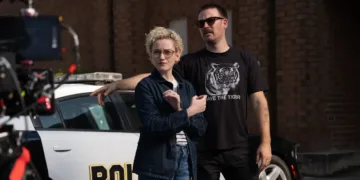






























Zach Cregger says he has a fresh idea set in the world of his new film Weapons, but any follow-up would wait while he turns to a planned Resident Evil feature. In a new interview, the filmmaker also revealed that David Fincher quietly advised him on Weapons, a contribution acknowledged in the end credits.
Cregger said Fincher “was available to me during prep, and then he was very available during the post process,” describing the veteran director’s input as practical guidance rather than creative oversight. Cregger added that he does have another story in mind for a potential return to the setting of Weapons, though he does not expect to tackle it immediately.
The update arrives as Weapons expands in theaters following its August rollout. The multi-perspective horror drama tracks the aftermath of a small-town crisis and was written during a period of personal grief for Cregger, a theme he has discussed while promoting the film. Fincher’s behind-the-scenes role has prompted speculation about deeper involvement, but Cregger has framed the relationship as mentorship: Fincher offered notes while the director was preparing and later cutting the movie, and was thanked on screen for that support.
Asked about timing for another installment, Cregger indicated any sequel would be a long way off. He said his next priority is Resident Evil, a new take on Capcom’s survival-horror franchise that he has described as faithful to the games’ spirit while telling a different story rather than retracing a familiar protagonist’s path. He has also suggested the film will strive to feel like the experience of playing, even if it avoids a strict, game-by-game retelling.
Cregger’s renewed interest in expanding the world of Weapons follows sustained attention to the film’s structure, influences and elliptical ending. Discussions of its narrative devices, from the fragmented viewpoints to the eerie end credits thank-you, have highlighted how the project blends personal themes with genre mechanics. Fincher’s involvement, limited to informal counsel, helps explain that credit while keeping authorship squarely with Cregger.