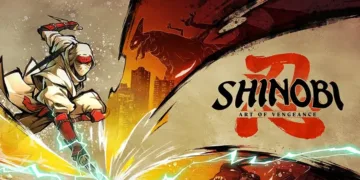

























Joe Musashi is back. After more than a decade in the shadows, Sega’s iconic ninja returns in a modern revival from developer Lizardcube. Shinobi: Art of Vengeance resurrects the classic franchise with a sharp blade and a clear vision. The game quickly establishes its straightforward purpose.
The nefarious paramilitary group ENE Corp, commanded by the menacing Lord Ruse, has destroyed Musashi’s village and scattered the Oboro Clan. This act sets the stage for a simple, direct quest for revenge that sends the player on a fast-paced hunt across the globe.
Art of Vengeance defines itself as a 2D action platformer, one that demands precision and rewards aggression. The experience is built on a foundation of stylish, high-speed combat and exceptionally fluid movement.
From the opening moments, the game communicates its energetic tone through challenging, reflex-based encounters that require mastery of a deep set of ninja skills. It is a return to form that respects the series’ roots while building a sophisticated new identity.
Vengeance in Watercolor
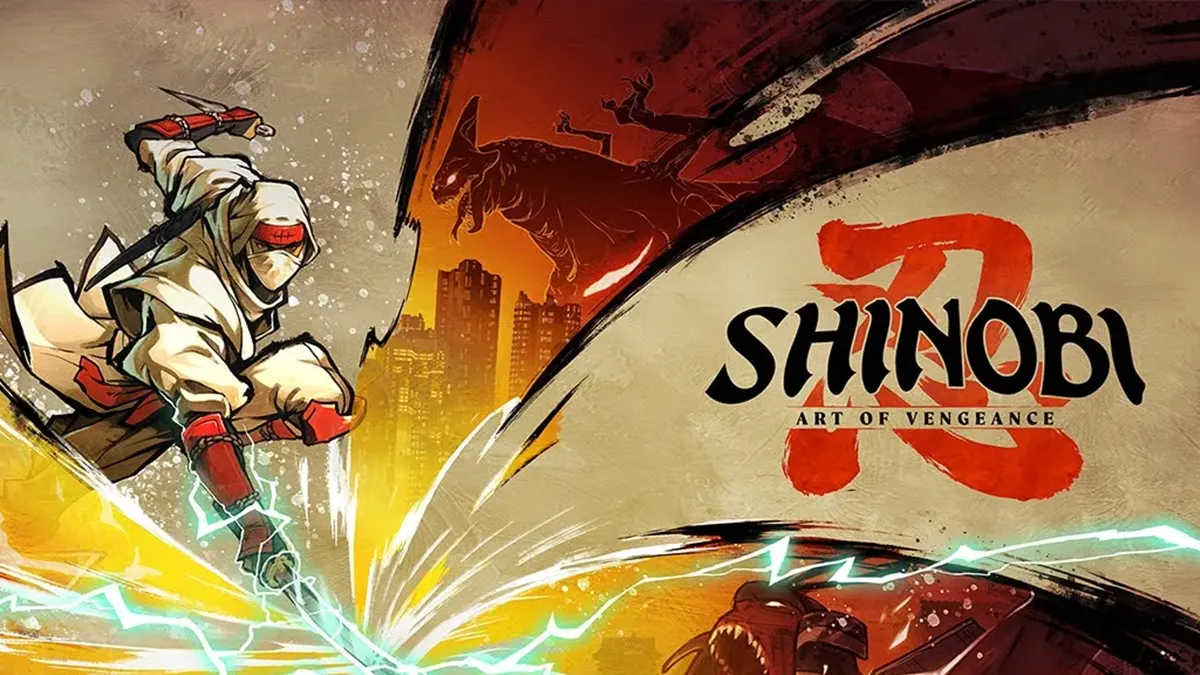
Lizardcube’s signature visual presentation is immediately apparent, establishing a powerful aesthetic that permeates every part of the game. The developer employs a striking, hand-drawn art style with a painterly quality that looks less like a videogame and more like high-end animation brought to life. Expressive brushstroke textures give characters and environments a tangible, crafted feel. Every frame is filled with meticulous detail.
Joe Musashi moves with an incredible fluidity that makes even basic traversal a visual treat; his scarf whips behind him during a dash, and the weight of each sword swing is communicated through careful posing and follow-through. Enemy and boss designs are similarly impressive, ranging from agile rival ninjas to hulking, monstrous beasts, each with animations that clearly signal their intended attacks. This commitment to visual excellence gives the game a timeless quality.
The world itself is a canvas for this impressive artistry, offering fantastic variety across its 14 levels. You will dash through lush bamboo forests where light filters through the leaves, leap across the rain-slicked rooftops of a neon-drenched cityscape with reflections shimmering in puddles, and fight through a sprawling industrial shipyard under the shadow of colossal container ships. Some stages are even more imaginative, taking you inside the bizarre, organic guts of a giant Kaiju or through a scorching desert littered with the sun-bleached bones of ancient beasts.
The background art is used to create a powerful sense of scale, making each location feel like a real, expansive place. The story remains a simple, ’80s-arcade style affair, providing a clear motivation without getting in the way of the action. Musashi’s status as a mostly silent protagonist reinforces this old-school approach. A pulsing, energetic soundtrack drives the combat forward, while sharp, distinct sound effects complete the presentation, effectively punctuating every sword slash, explosion, and perfectly timed block.
A Symphony of Steel
The combat system in Art of Vengeance is its greatest achievement, a deep and expressive toolset for creative destruction. The gameplay feels like a platform-based brawler, emphasizing a fast and frenetic loop of combos built from light attacks, heavy strikes, and kunai throws. The rhythm of combat is about finding openings, juggling enemies in the air, and knowing when to dash out of danger. Enemies have different types of health bars that dictate your approach.
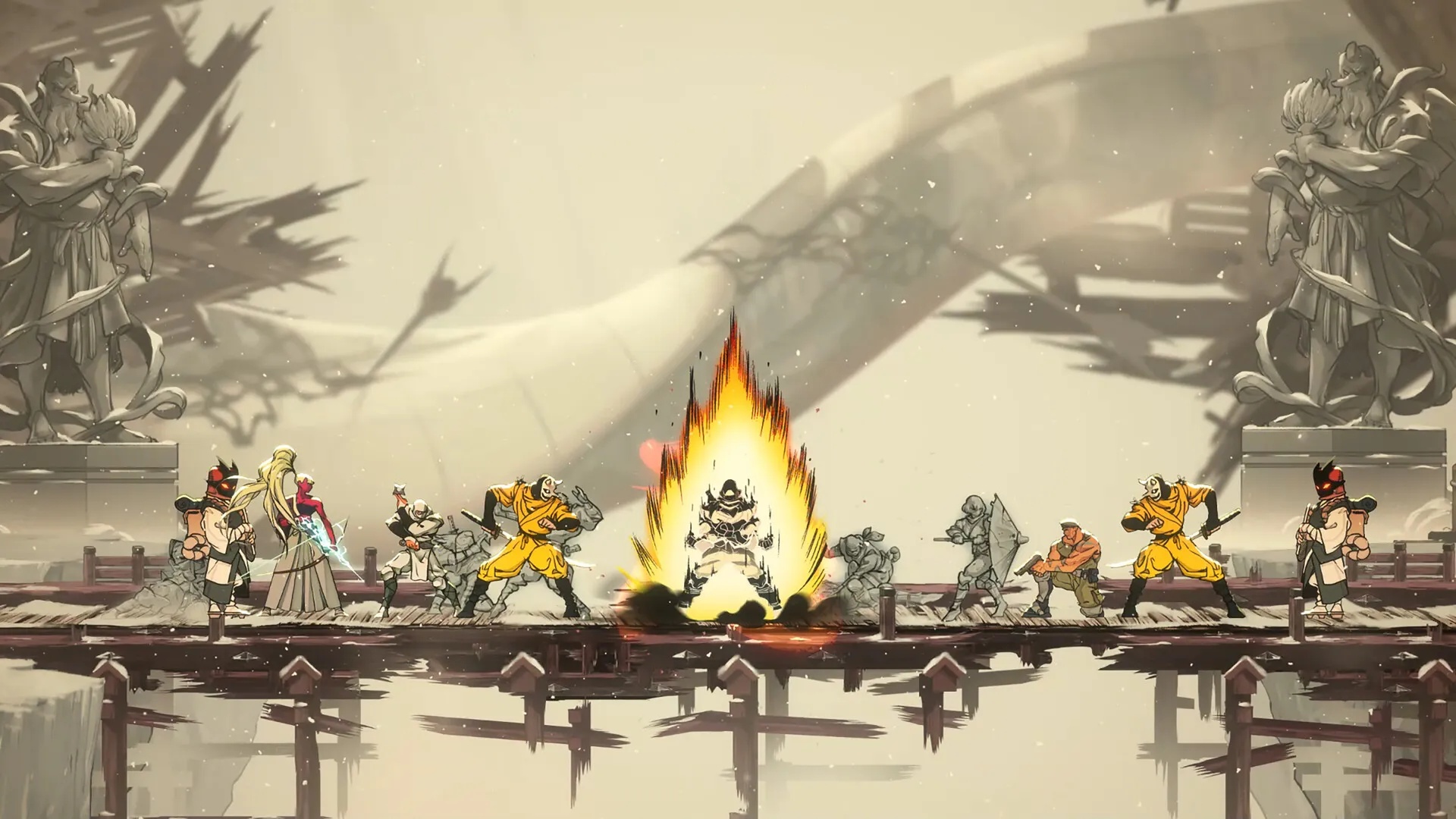
Standard foes have simple red bars, but tougher opponents are protected by yellow armor that must be broken with heavy attacks or chipped away with kunai. Sustained assaults fill a white execution gauge, allowing you to trigger a cinematic finishing move. Activating an execution slows down time and unleashes a flurry of strikes, ending with a satisfying explosion of coins and health orbs.
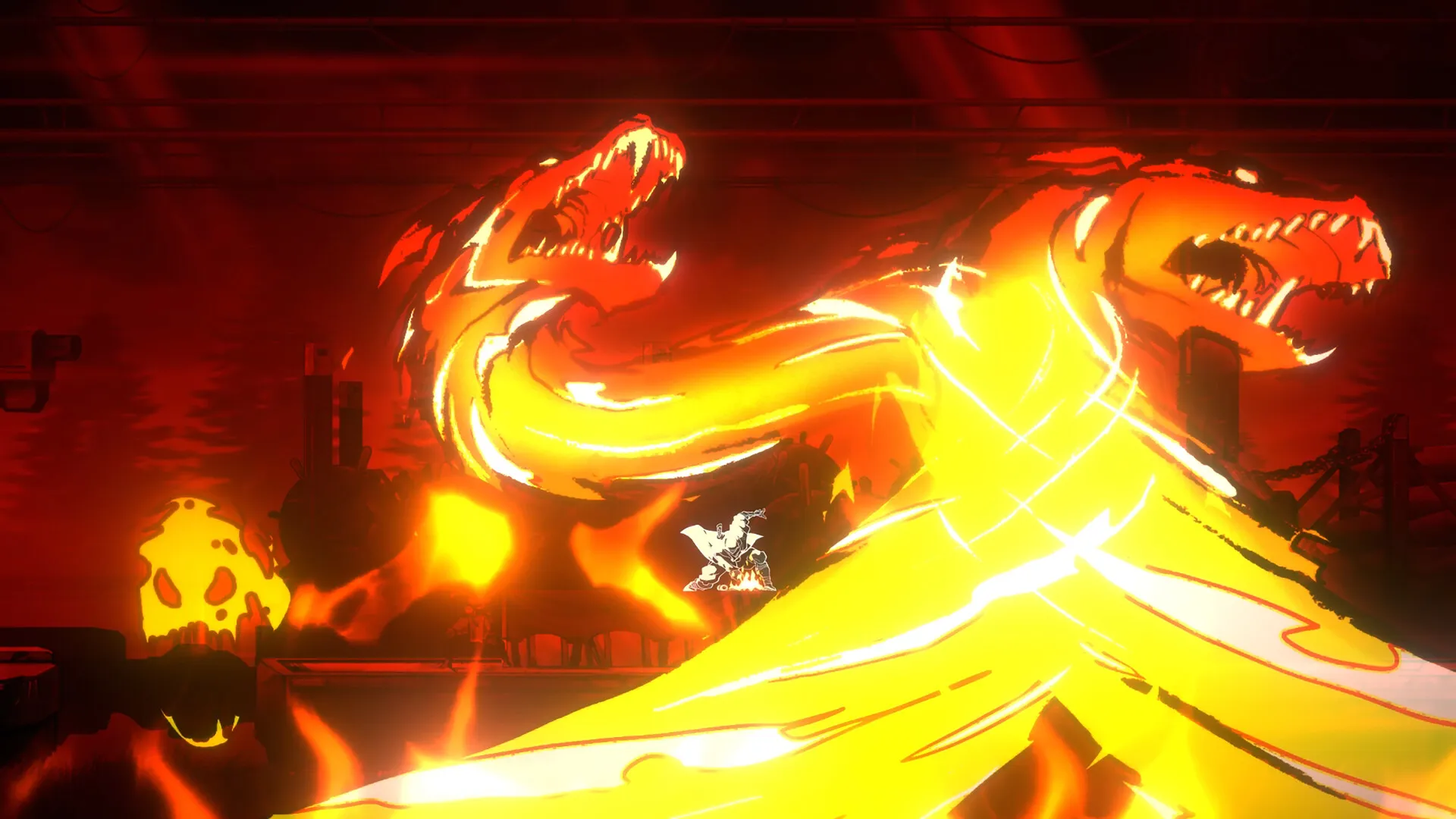
Special abilities provide another tactical dimension. Ninpo Arts are magic skills tied to a gauge that fills as you land attacks. You can equip four different Ninpo at a time, giving you access to powers like a powerful fire-breathing attack for crowd control or a thrown bomb useful for staggering armored foes.
A defensive Ninpo can create a water shield that parries an incoming attack, a high-risk tool that rewards precise timing. Ninjutsu Arts are ultimate abilities fueled by a separate Rage gauge, which fills when you take damage or collect specific orbs. These moves are slow to charge but can completely change the outcome of a difficult fight. One Ninjutsu might unleash a screen-clearing blast of fire, while another can fully restore Musashi’s health in an emergency.
Player expression is deepened through a two-slot Amulet system. These items grant passive buffs and allow for distinct builds. One player might create a “vampire” style, combining an amulet that leeches health from enemies with another that increases defense, creating a durable fighter. Another could opt for a high-risk setup, using amulets that boost damage at low health or reward extremely long combos with extra currency. New attack chains and abilities are unlocked at a merchant using currency found in levels, creating a steady and rewarding sense of power progression as your arsenal of moves expands.
Graceful Steps, Awkward Stumbles
Movement through the game’s perilous world is mostly a joy, with level design that often complements the fluid traversal mechanics. The levels are structured as distinct, self-contained stages instead of a single interconnected map. This design choice allows for exceptional variety in objectives and environments.
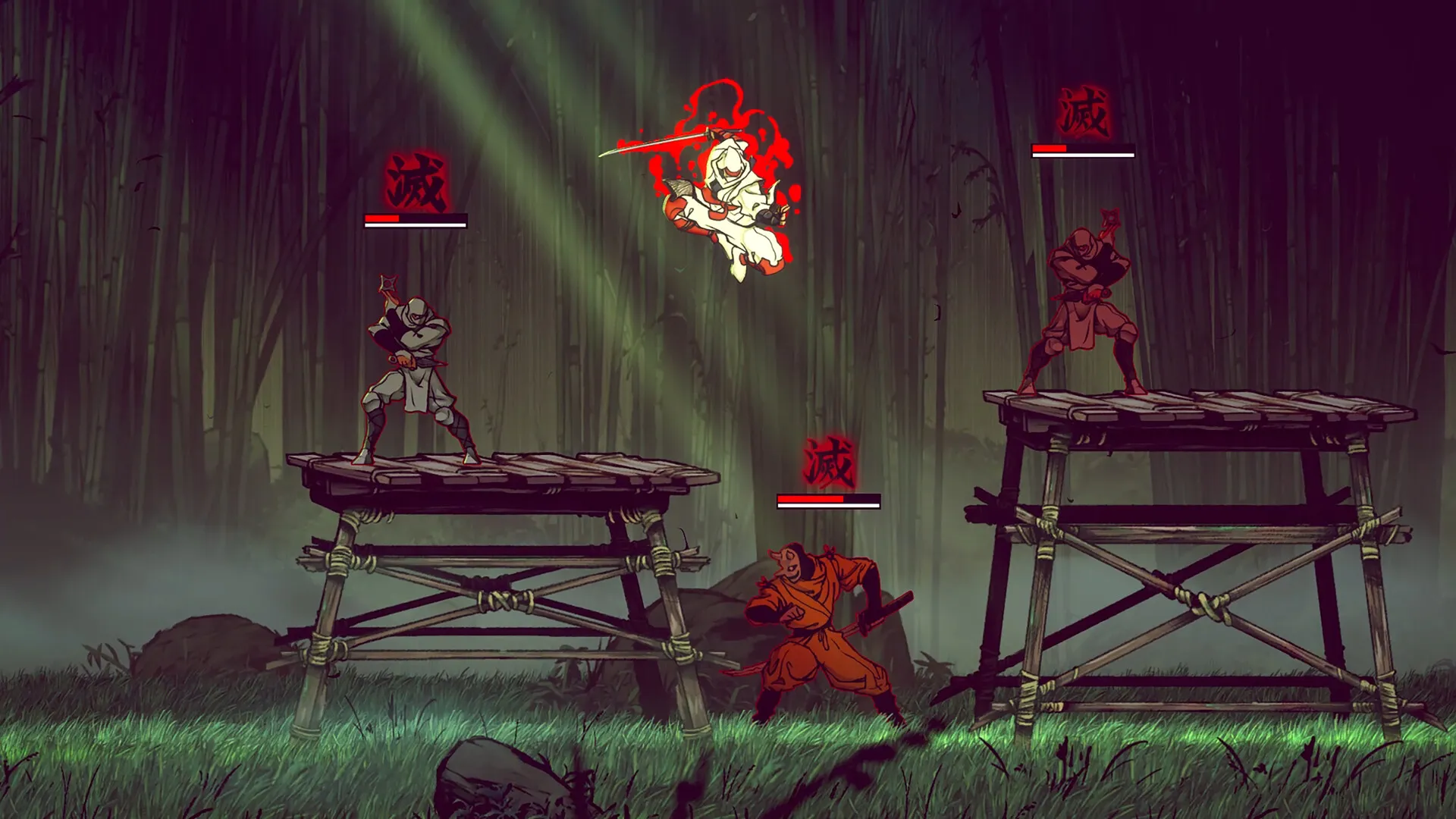
One mission will have you battling across the top of a speeding train, where the sense of velocity and the confined space create a unique challenge. Another stage is a hostage rescue operation in a multi-layered city, requiring careful vertical exploration of its neon-lit streets and rooftops. These missions are broken up with environmental puzzles and thrilling chase sequences that keep the pacing sharp.
Joe’s traversal abilities expand throughout the adventure. You begin with a double jump and an air dash, but soon unlock ninja claws to scale specific walls, a glider to ride updrafts, a grappling hook for quick repositioning, and a powerful punch to shatter barriers. This growing moveset makes basic movement feel wonderfully fluid. These tools also connect traversal with the game’s combat flow; the grappling hook can be used to pull yourself toward an airborne enemy to continue a combo or to quickly escape a powerful ground attack.
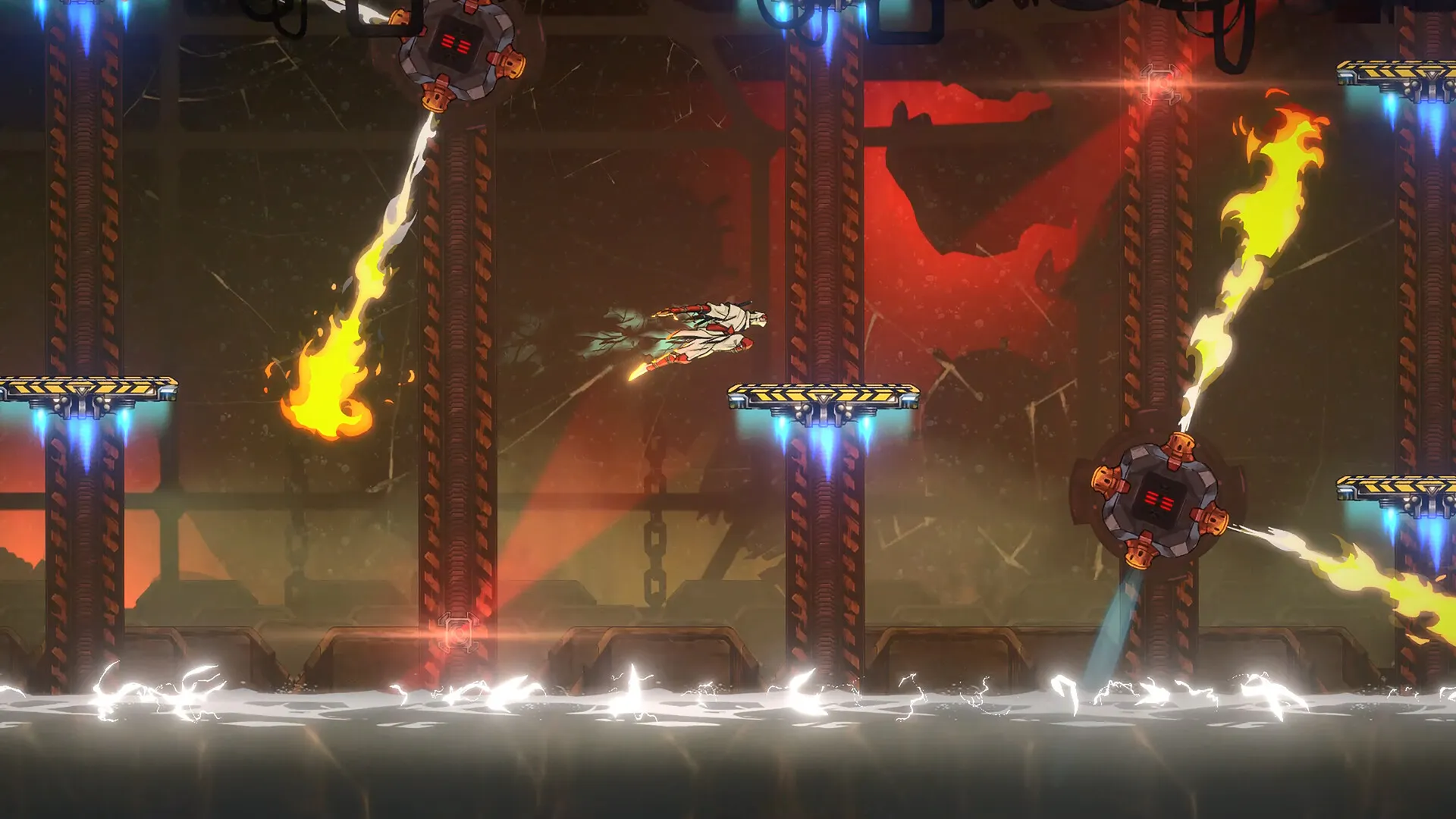
The primary fault appears in the game’s optional, high-difficulty platforming sections. In these “rift challenges,” the controls can feel imprecise and unreliable. Imagine a 90-second sequence of wall jumps and air dashes over a pit of spikes. After 85 seconds of perfect execution, a final jump towards a climbable wall might fail to register the grab, sending Joe back to the very beginning.
This transforms a test of skill into a frustrating game of chance with the controls. Minor annoyances like the instant respawning of off-screen enemies during exploration and a map that fails to distinguish safe drops from fatal pits also detract from the otherwise polished design, leading to unnecessary fights and cheap deaths.
Secrets in the Shadows
Art of Vengeance offers many reasons to continue playing after the main story is complete, with a progression system that rewards curiosity. The gradual unlocking of new traversal abilities provides a strong incentive to revisit earlier levels. Returning to a stage with the grappling hook or wall claws opens up previously inaccessible routes, rewarding thorough exploration with a host of secrets and collectibles.
Players can hunt for currency to spend at the shop, cosmetic costume colors for Joe, and special Oboro Clan Relics. These relics are especially valuable, as they expand the merchant’s inventory with game-changing new moves, amulets, and Ninpo abilities. The pacing of these unlocks feels natural, steadily broadening your capabilities without overwhelming you.
Each level contains optional content for players seeking a greater challenge. Elite Encounters seal you into a small arena, throwing waves of the game’s toughest foes at you at once. These encounters test your combat endurance and strategic use of your full moveset, with victory granting powerful new amulets. Rift Challenges are the opposite, stripping away combat to present pure, brutal platforming puzzles that demand flawless timing and execution of every traversal skill you possess.
The main campaign takes around 15 hours to finish, but finding every secret can easily double that time. For those who want more, finishing the game unlocks a Boss Rush mode, which tests your knowledge of attack patterns under pressure, and a timer-based Arcade Mode, which adds a score-attack element for speedrunners. Numerous accessibility options are also available, allowing players to tailor the game’s difficulty to their preference.
Final Thoughts
Shinobi: Art of Vengeance is a triumphant return for a classic series. Its greatest successes are its deep, fluid, and satisfying combat system and its absolutely breathtaking hand-drawn visual style. These two pillars of the experience are executed with such skill that they stand among the best in the genre. They are the core reasons to play this game, offering a loop of visually spectacular and mechanically rewarding action that is consistently engaging.
The experience is let down by its primary weakness, which is the frustrating and imprecise platforming found in its most difficult optional sections. This inconsistency can be a source of real annoyance for completionists. The straightforward story serves its purpose as a functional vehicle for the spectacular action without attempting to be more.
Art of Vengeance is an exceptional 2D action game. Its phenomenal strengths in combat and presentation heavily outweigh its flaws. It is a highly recommended title for fans of the genre and anyone seeking a stylish, challenging, and deeply rewarding adventure. It sets a high standard for how to revive a dormant franchise, identifying the core appeal of the original and building sophisticated, modern systems around it.
The Review
Shinobi: Art of Vengeance
Shinobi: Art of Vengeance is a masterful revival, pairing a deep, fluid combat system with a breathtaking hand-drawn art style. These phenomenal strengths create a consistently thrilling action experience that defines the game. This excellence is held back only by imprecise controls in its most demanding optional platforming sections, which can introduce moments of intense frustration. It is a spectacular and highly recommended action game, despite its few stumbles.
PROS
- Deep, fluid, and exceptionally satisfying combat system.
- Stunning hand-drawn art style and fluid animation.
- Excellent level variety and imaginative world design.
- Extensive character customization and rewarding progression.
- High replay value with lots of optional content and unlockables.
CONS
- Frustratingly imprecise platforming controls in difficult optional areas.
- The story is simple and serves only as a basic motivator.
- Minor annoyances like instant enemy respawns.