




















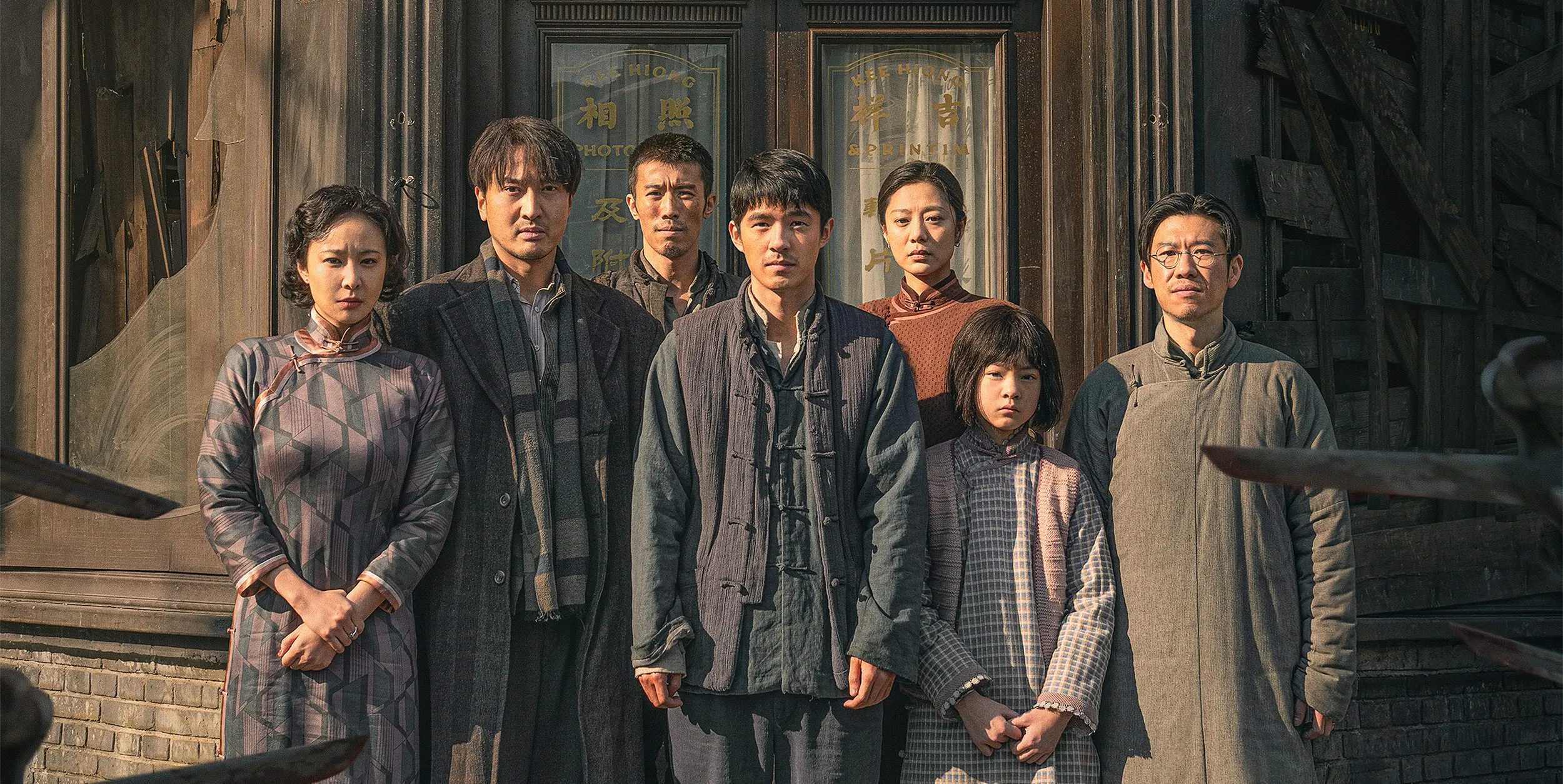

China has selected Dead to Rights as its submission for the Academy Award for best international feature, positioning the summer box-office hit as the country’s standard-bearer in a crowded field. Directed by Shen Ao and released domestically on July 25, the 137-minute drama is set during the 1937–38 Nanjing Massacre and follows civilians sheltering inside a photo studio who discover evidence of atrocities while developing film for occupying soldiers. The film has traveled abroad with limited runs and a North American rollout, extending its profile ahead of the awards calendar.
Headlined by Liu Haoran with key roles for Wang Chuanjun and Gao Ye, Dead to Rights dramatizes a documented strand of wartime history tied to real photographic negatives that surfaced in early 1938. Trade reports describe it as a character-driven siege piece that gradually shifts into an ethical thriller once the characters decide the images must be preserved as testimony. Festival and critical materials note the film’s emphasis on cramped interiors, photo-chemical process work, and the moral hazards of surviving under surveillance.
China’s pick lands as official submissions mount worldwide for the 98th Oscars, with the category typically drawing 90-plus entries. Industry tallies list Dead to Rights among the early contenders after a commercially robust run at home and positive early viewer scores in limited overseas play. China has fielded dozens of entries since the award’s inception yet has never won; recent cycles have seen stronger campaigns from East Asia overall, intensifying competition for shortlist spots.
Beyond awards positioning, the release chronology suggests a coordinated strategy: a summer bow in China, festival and international dates in August and September, and continued publicity as fall voting previews approach. Coverage highlights Cao Yu’s cinematography and a cast anchored by younger stars recognizable to domestic audiences, while synopsis materials stress that the English title refers to “caught with conclusive proof,” aligning the narrative with its evidentiary throughline. With ballots opening in the winter, the campaign will likely lean on historical resonance, craft credentials, and a box-office platform that signals broad reach at home.