














![Kingdom Hearts Collection [I-III] Review](https://gazettely.com/wp-content/uploads/2026/10/Kingdom-Hearts-Collection-I-III-1-360x180.webp "Kingdom Hearts Collection [I-III] Review: KHII Holds Steady as Newer Entries Fluctuate 37")



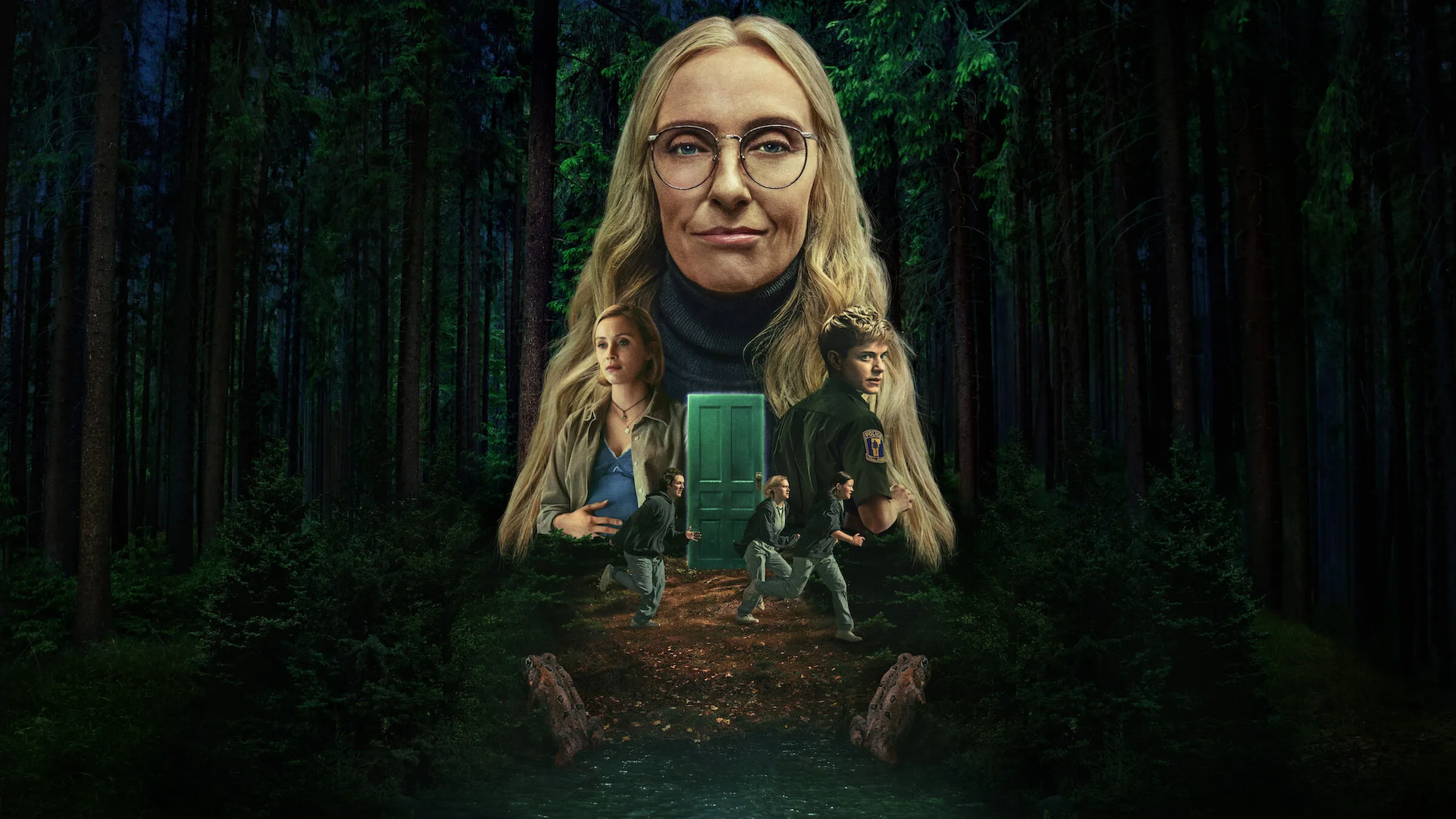

The town of Tall Pines, Vermont, presents itself as a haven, a picturesque postcard of progressive rural life. At its center sits Tall Pines Academy, a prestigious institution promising to solve the “problem of adolescence.” It is a place that offers salvation for troubled youth, a clean slate wrapped in lush forests and community spirit. This idyllic facade, however, conceals a deeply sinister reality.
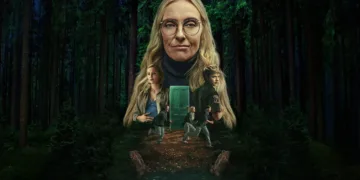
The school’s methods are the brainchild of Evelyn Wade, its charismatic leader played by Toni Collette. She is a figure of immense gravity, projecting a maternal warmth that feels both genuine and profoundly suspicious. Her approach inspires devotion from the parents who surrender their children to her care. The primary tension of Wayward ignites with the arrival of police officer Alex Dempsey, creator Mae Martin in a lead role.
Alex moves to the town with his pregnant wife, an academy graduate, seeking a fresh start. His outsider’s skepticism immediately clashes with the town’s insulated culture, launching an inquiry into the school’s secrets. The series asks what happens when the place you escape to becomes a trap of its own making.
A Tale of Two Realities: The Fractured Narrative
The story of Wayward unfolds along two separate, unequal tracks, a structural choice that feels endemic to the streaming era’s demand for sprawling narratives. The first follows Alex Dempsey’s external investigation. He is the audience’s entry point into Tall Pines, a man looking for domestic peace who instead finds a web of secrets.
His work as a cop brings him into contact with a terrified boy fleeing the woods, and he encounters quiet, benevolent obstruction from a police force beholden to Evelyn. His partner offers folksy wisdom while gently steering him away from the truth. His wife Laura’s placid insistence that all is well adds to his growing paranoia. This storyline grounds the mystery in familiar police-procedural conventions, yet its deliberate pacing feels at odds with the urgency of the situation.
The audience is already privy to the academy’s horrors through its visceral opening, so watching Alex slowly piece together clues we already possess drains the story of suspense. His discoveries consistently lag behind the viewer’s awareness, creating a structural drag that prioritizes running time over narrative efficiency. This approach turns what could be a taut thriller into a slow-burn investigation where the fire is already visible to everyone except the protagonist.
The show’s vital signs, its true narrative heartbeat, are found in its second storyline: the internal nightmare of the academy itself. Through the experiences of new students and best friends Abbie and Leila, we witness the school’s dehumanizing process firsthand. Individuality is systematically erased. The teens are stripped of their possessions and given drab, identical uniforms.
Staff members are known only by animal names like “Rabbit” and “Mule,” a detail that reduces them to functional roles. Physical comfort between students is strictly forbidden, severing the bonds of peer support. A culture of snitching is rewarded, turning the student body against itself. The psychological horror of Evelyn’s therapy sessions forms the true core of the show’s tension.
In these gatherings, teens are encouraged to tear one another apart with vicious judgments, recalling past traumas and current insecurities under the approving gaze of their teacher. She weaponizes adolescent anxiety and uses public shaming as her primary tool for rehabilitation. These sequences are suffocating, powerful, and deeply effective.
The series structure, however, insists on pulling away from this potent material at regular intervals. The two plotlines run parallel with minimal intersection, a decision that weakens the whole. The compelling, emotionally raw story of the teenagers is constantly interrupted by the less immediate external mystery, and the series ends without a satisfying convergence of its two worlds.
The Cult of Personality: Performances That Command Attention
The magnetic pull of Wayward comes from its cast, particularly the performance at its center. Toni Collette’s portrayal of Evelyn Wade is a masterful study in manipulative charisma, building on her cultural cachet as a matriarch of modern horror.

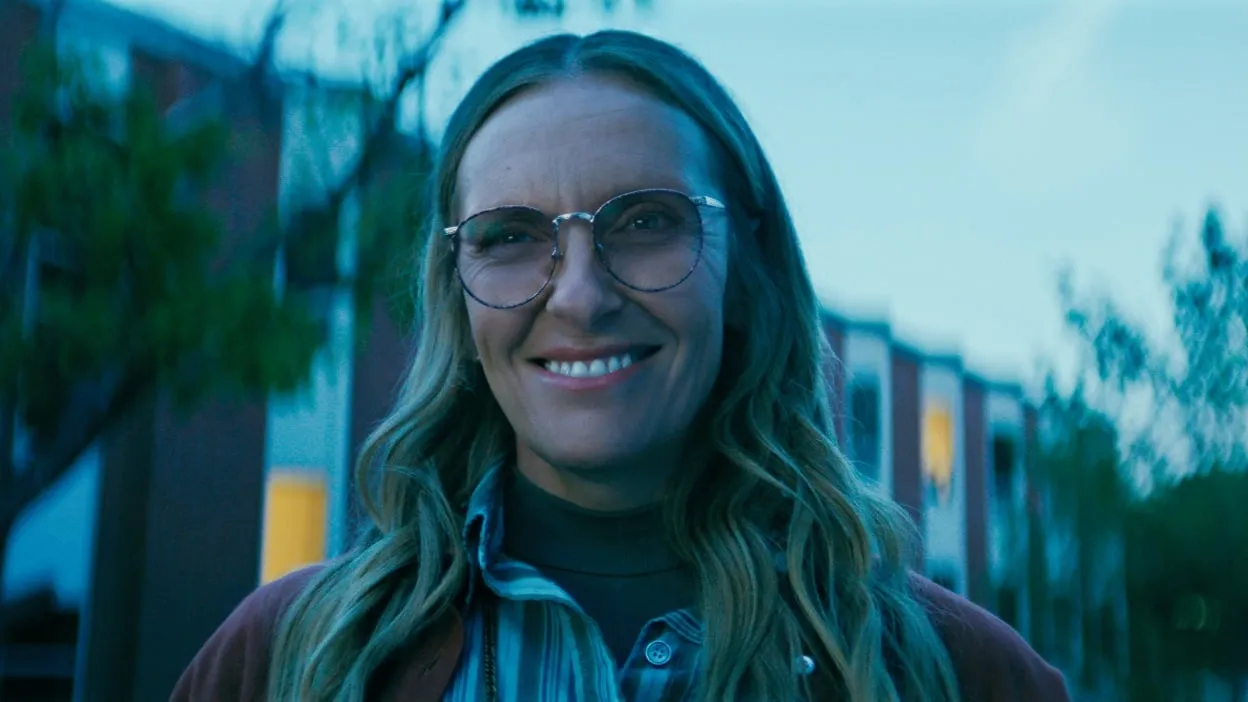
She is the series’ chilling, beguiling antagonist, capable of shifting from a nurturing guide to a cold despot in the space of a single sentence. Her serene demeanor during acts of psychological cruelty is unnerving; she watches a teenager break down with the placid interest of a botanist observing a specimen. Every welcoming smile seems to carry the faint glint of a warning, her teeth a pristine picket fence around a dangerous territory.
Collette gives the show its gravitas, grounding the horror in a figure who is terrifying because she is so recognizably human. Her power feels earned, her influence plausible, making the submission of those around her all the more disturbing. The audience waits for a single, explosive monologue, a moment of unmasking, but Collette delivers the character’s menace through a thousand smaller cuts.
Mae Martin, serving as both creator and lead, takes on the role of Alex Dempsey. The casting of a non-binary creator as a trans man protagonist is a significant step, shaping the show’s perspective even when the script hesitates. Their performance captures the bewilderment and determination of a person caught between protecting his growing family and pursuing a dangerous truth.
Alex’s personal story, including his eagerness for fatherhood, provides a necessary emotional anchor against the cold mechanics of the academy. His quiet struggle to understand his wife’s past gives his investigation personal stakes. The young cast inside the school’s walls is equally strong. Alyvia Alyn Lind as the defiant Leila and Sydney Topliffe as her friend Abbie create an authentic portrait of a teenage friendship tested by extreme circumstances.
Their chaotic chemistry, shifting between childish affection and sharp-edged frustration, feels real. Lind in particular shines as she goes head-to-head with Evelyn’s oppressive system, her resistance forming a crucial narrative backbone. The broader ensemble of students moves beyond simple clichés, populating the academy with a gleeful snitch, a volatile bad boy, and a chronic liar with a good heart, creating a complex social ecosystem under duress.
Systemic Control and Fractured Identity
Beneath its thriller surface, Wayward functions as a sharp critique of the billion-dollar “troubled teen” industry. Arriving amidst a wave of documentaries and exposés on institutional abuse, the series taps into a potent contemporary anxiety. The academy is a microcosm of systemic power, a place where conformity is the highest virtue and individuality is a sickness to be cured.

It explores how systems of control are built on the promise of healing, using therapeutic language to justify the stripping away of personal identity. The narrative draws a subtle but clear line to historical precedents of forced assimilation, reframing a dark chapter of North American history in a modern, privatized context.
The show’s setting offers a sophisticated update to the small-town horror genre. Tall Pines is not a backwater of conservative prejudice; it is a racially diverse, queer-friendly, progressive enclave where no one misgenders Alex or questions his marriage.
The horror here stems from a different kind of insularity. It is the danger of a well-meaning liberal community so convinced of its own virtue that it becomes blind to the authoritarianism in its midst. The town’s collective faith in Evelyn’s project, its smug satisfaction in its own enlightened isolation, is the true monster.
This makes the show’s handling of its own representational politics somewhat puzzling. Alex is a trans man, and the script acknowledges the surprising number of queer people living in this rural town. The series gestures toward a meaningful exploration of identity, respect, and acceptance, even staging fake-out controversies that are quickly dismissed to show how tolerant the town is.
These threads, however, are introduced only to be left dangling. Alex’s gender identity rarely informs the plot or his interactions in a substantial way, feeling more like a character trait than a lived experience integrated into the narrative. It feels like a missed opportunity, a bit of narrative tentativeness from a show that is otherwise direct in its social commentary.
This reflects a broader industry trend of signaling inclusivity through casting while avoiding the more complex work of writing those identities into the fabric of the story. Wayward seems to have something important to say about identity but refrains from weaving it fully into its central conflict.
An Eerie Tone Undermined by an Ambiguous End
The series excels at building a suffocating atmosphere. From its opening frames, Wayward cultivates a potent sense of dread and paranoia, using its muted color palette and unsettling sound design to create a world that feels perpetually off-kilter. The mood is one of its greatest strengths, drawing the viewer into its creepy, claustrophobic reality with patient, confident filmmaking.
This carefully crafted tone, however, is sometimes disrupted by moments of baffling inconsistency. A few jarring needle drops, featuring upbeat pop songs over scenes of rebellion, feel displaced, as if they were lifted from a different, more commercially minded show.
These choices create a tonal whiplash, pulling the viewer out of the immersive dread. They feel less like organic artistic expressions and more like the product of a corporate note, an attempt to replicate the playlist-friendly success of other Netflix hits at the expense of thematic coherence.
The show’s most significant failing is its resolution. The final episode sidesteps any sense of narrative or emotional payoff, opting for an ambiguity that feels less like a bold artistic choice and more like a failure of nerve. Key character arcs are left unresolved, and the central questions about Evelyn’s methods and their ultimate effect remain unanswered.
This lack of commitment feels like a symptom of modern streaming culture, a story designed to leave the door open for a second season at the expense of providing a satisfying ending. This practice of “season-baiting,” especially in a show billed as a limited series, can feel disrespectful to the viewer’s emotional investment.
It prioritizes the platform’s need for subscriber retention over the story’s need for a definitive conclusion. The result is a finale that diminishes the power of the journey, leaving a lingering sense of narrative insecurity and unanswered questions that feel less like intriguing mysteries and more like simple incompletion.
The series is scheduled to be released on September 25, 2025. It will be available for viewing on the streaming service Netflix.
Full Credits
Director: Mae Martin, Ryan Scott
Writers: Mae Martin, Ryan Scott, Evangeline Ordaz, Mohamad El Masri, Kim Steele, Kayla Lorette, Alex Eldridge, Misha Osherovich
Producers and Executive Producers: Mae Martin, Ryan Scott, Ben Farrell, Hannah Mackay, Jennifer Kawaja, Bruno Dubé, Euros Lyn
Cast: Mae Martin, Brandon Jay McLaren, Sarah Gadon, Patrick J. Adams, Alyvia Alyn Lind, Patrick Gallagher, Sydney Topliffe, Joshua Close, Toni Collette
The Review
Wayward
Wayward is a frustrating series, elevated by a commanding central performance from Toni Collette and a genuinely chilling atmosphere. Its intelligent social critique and the authentic work from its young cast are constantly undermined by a fractured narrative that divides its focus. The story’s momentum is crippled by a slow-moving external investigation and an ambiguous ending that offers no satisfying resolution. What remains is a show with moments of potent horror that unfortunately fails to cohere into a satisfying whole, feeling more like two separate, unequal series stitched together.
PROS
- Toni Collette delivers a masterful and chilling performance as the charismatic cult leader.
- The young cast, particularly Alyvia Alyn Lind and Sydney Topliffe, provides authentic and strong portrayals.
- The series successfully builds a consistently creepy and suffocating atmosphere.
- It offers a sharp critique of the "troubled teen" industry and the insularity of progressive communities.
CONS
- A fractured, dual-storyline structure severely weakens narrative tension and pacing.
- The external police investigation storyline feels slow and less engaging.
- The ambiguous and emotionally unfulfilling ending feels like a narrative cop-out.
- Important themes of identity and representation are introduced but remain underdeveloped.