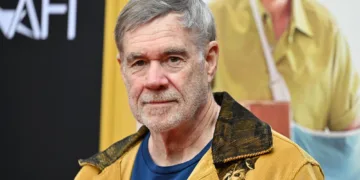




















Gus Van Sant is using the rollout of his new feature Dead Man’s Wire to revisit the legacy of his late collaborator River Phoenix, saying the actor’s sensibility still informs how he approaches stories of damaged idealists and public spectacle. The film dramatizes the 1977 Indianapolis hostage crisis involving Tony Kiritsis and his mortgage broker, events that drew live coverage and exposed the volatility of a man who felt cornered by debt. It premiered on the fall festival circuit with a cast that includes Bill Skarsgård, Dacre Montgomery, Al Pacino, Colman Domingo and Myha’la, and has prompted fresh discussion of Van Sant’s thematic through-line from My Own Private Idaho to his present-day work.
Early reaction has been divided, with some critics praising the director’s stylized framing of a media-saturated standoff and others arguing the film’s cool tone blunts its emotional force. The premiere also renewed interest in Kiritsis’ live, on-air phone calls with radio and TV stations, a reminder of how the mechanics of broadcast attention shaped the original crisis and now shape the film’s depiction of it. Festival write-ups point to Pacino’s veteran presence opposite younger leads and note Van Sant’s continued interest in characters whose acts are inseparable from the way they are watched.
In recent interviews tied to awards coverage, Van Sant has connected Dead Man’s Wire to a broader career arc, name-checking Phoenix as a touchstone for performance choices and moral ambiguity. He has also discussed the practical realities of casting and the appeal of Skarsgård’s physical stillness for a role that spends long stretches under siege. The renewed attention arrives after a several-year gap between features and after the director reconsidered past opportunities he didn’t take, underscoring how long-gestating projects can coalesce around timely material.
Background pieces situate Dead Man’s Wire within a lineage of American crime dramas that interrogate celebrity, surveillance and the ethics of spectatorship. Coverage from the festival circuit highlights how Van Sant stages confined spaces and time-pressured negotiations, while anchoring the film in performances designed to feel both heightened and weary. That framing, along with the cast list and the revived conversation about Phoenix’s influence, has positioned the movie as a late-career provocation rather than a straightforward procedural.