





























The American true-crime documentary often functions as a modern ghost story, a cultural ritual where society confronts the specters of its own failed ideals. At the center of this tradition is the myth of suburban safety, an idea violently dismantled by the figure of the serial killer hiding in plain sight. My Father, the BTK Killer enters this well-trodden landscape but chooses a different path. It is less concerned with the ghost than with those left to haunt the house.
The film centers on Kerri Rawson, daughter of the infamous Dennis Rader, and documents her attempt to navigate the ruins of her life. Her struggle is to reconcile the father she knew, a pillar of his Wichita, Kansas community, with the sadistic predator who terrorized it for decades. The film immediately establishes its focus not on the anatomy of a monster, but on the psychological schism he left behind.
The Unwanted Inheritance
The documentary’s primary strength is its structural decision to sideline the killer and place his daughter at the absolute narrative center. This is a deliberate subversion of the genre’s tendency to lionize the perpetrator. The film offers a firsthand account of the emotional and social fallout for a family marked by an evil they did not choose.
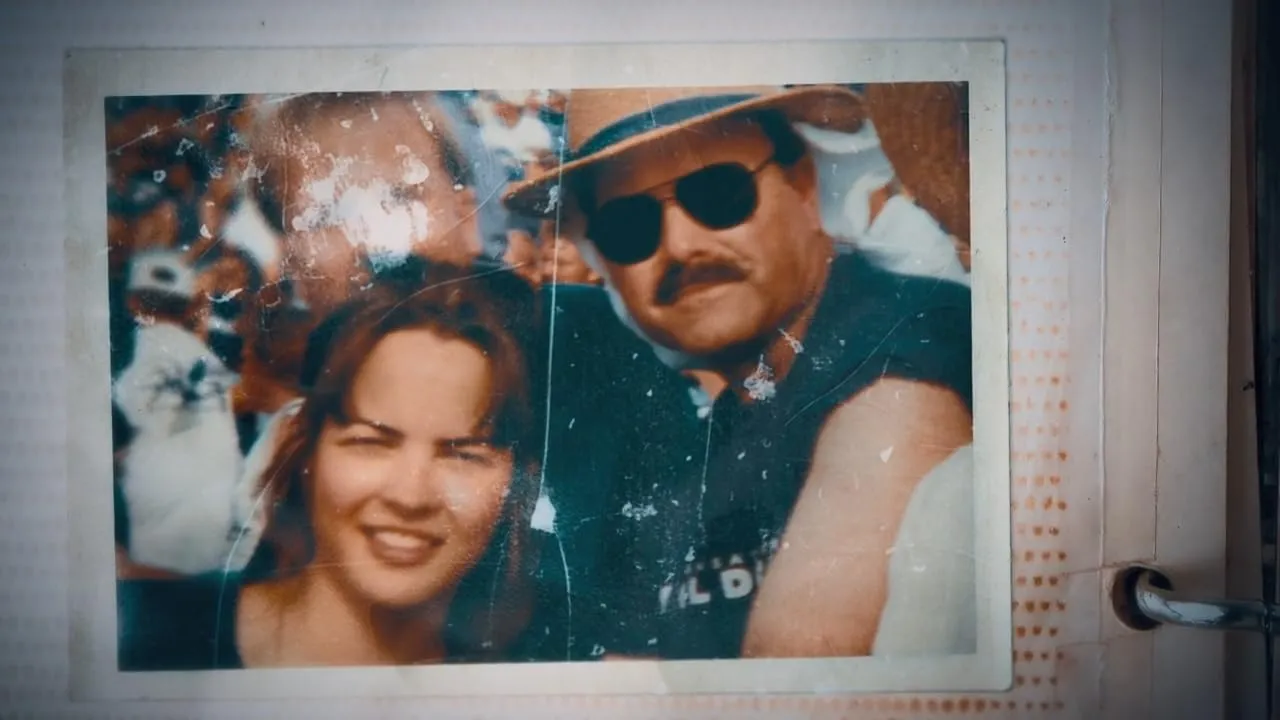
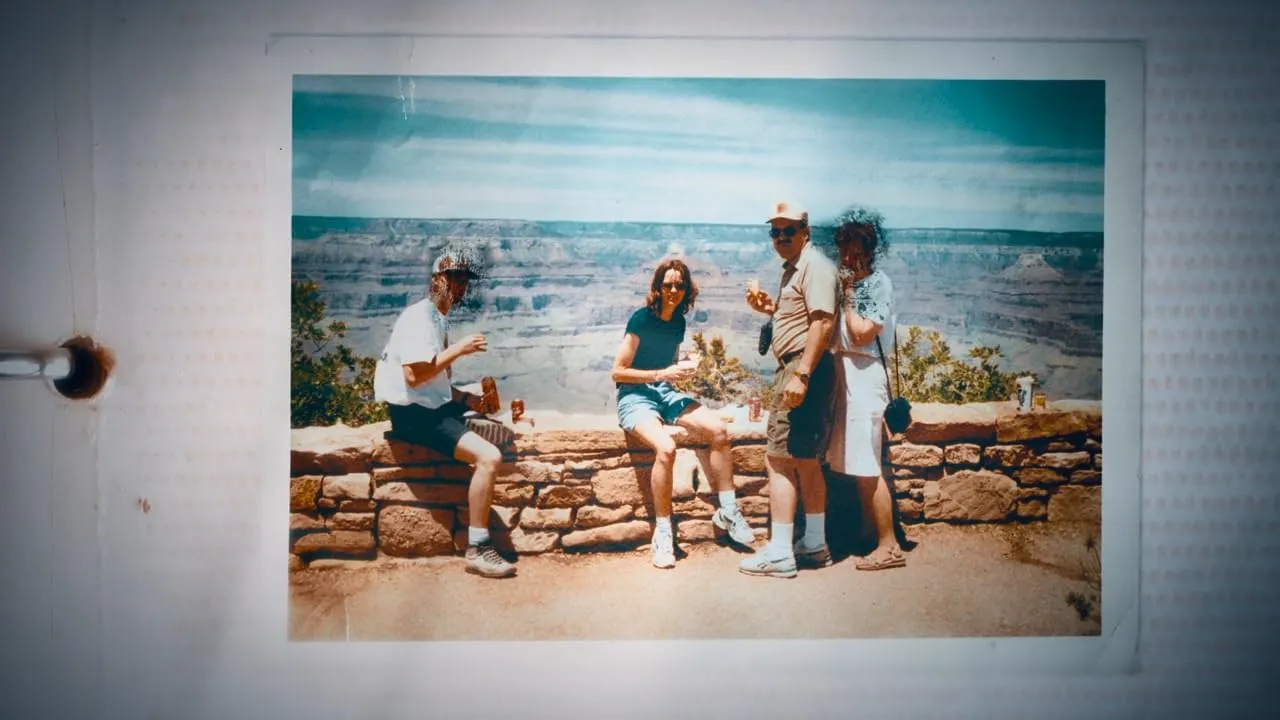
Director Skye Borgman constructs a chilling dialogue between past and present, skillfully juxtaposing Kerri’s recollections of a normal American childhood with the cold, hard facts of the BTK murder timeline. We see home video footage of a smiling father and hear Kerri share mundane memories of him teaching her to ride a bike. These intimate moments are then cut against news reports or police chronologies that place these memories within a horrific context.
This technique effectively weaponizes nostalgia, transforming cherished memories into artifacts of a grand deception. The film thereby expands the very definition of victimhood. It presents Kerri and her family as a form of collateral damage, left to grapple with public condemnation and an inherited shame for acts they knew nothing about.
Kerri’s testimony is the film’s anchor. Her honesty is unflinching, never simplifying her feelings into pure hatred or lingering affection. Her account becomes a complex portrait of grief for a man who never really existed and horror at the man who did. It is a study in the difficult, lifelong process of untangling love from monstrosity.
A Mask of Midwestern Normalcy
Dennis Rader’s public persona was a masterclass in camouflage. He meticulously crafted an identity as a church congregation president, a Boy Scout leader, a local compliance officer, and a father. This image of unremarkable, God-fearing Midwestern life was his greatest weapon, making his eventual discovery a profound shock to his community.
The documentary provides the necessary context on the BTK moniker, which stands for Bind, Torture, Kill, and his known murders between 1974 and 1991. It details his long dormant period and the fatal hubris that led to his capture in 2005. After years of silence, his need for recognition drove him to resume taunting the media, a miscalculation that led him to send a floppy disk that police could trace. The film’s most unsettling exploration is of the psychological capacity for compartmentalization.
It portrays Rader not as a Jekyll-and-Hyde figure who transformed between two personalities, but as a single, integrated person who moved seamlessly between his roles. He could be a caring father in the morning and a brutal killer by night. This portrayal of evil as a mundane, scheduled part of life is far more disturbing than any depiction of monstrous transformation. It taps into a deep-seated American anxiety about the darkness that can lurk behind a neighbor’s perfectly maintained facade.
The Grammar of Trauma
Director Skye Borgman’s established presence in the true-crime genre is felt through her patient and methodical style. The film’s power comes from a quiet, steady gaze, not from frantic pacing or dramatic, manufactured reveals. Her approach is a deliberate rejection of sensationalism. The documentary avoids the exploitative tropes that often mar the genre.
There are no graphic reenactments of the murders. The musical score is minimal, refusing to emotionally manipulate the audience with artificial tension. The horror is generated organically, sourced from archival news footage, benign family photographs, and the immense emotional weight of Kerri Rawson’s testimony.
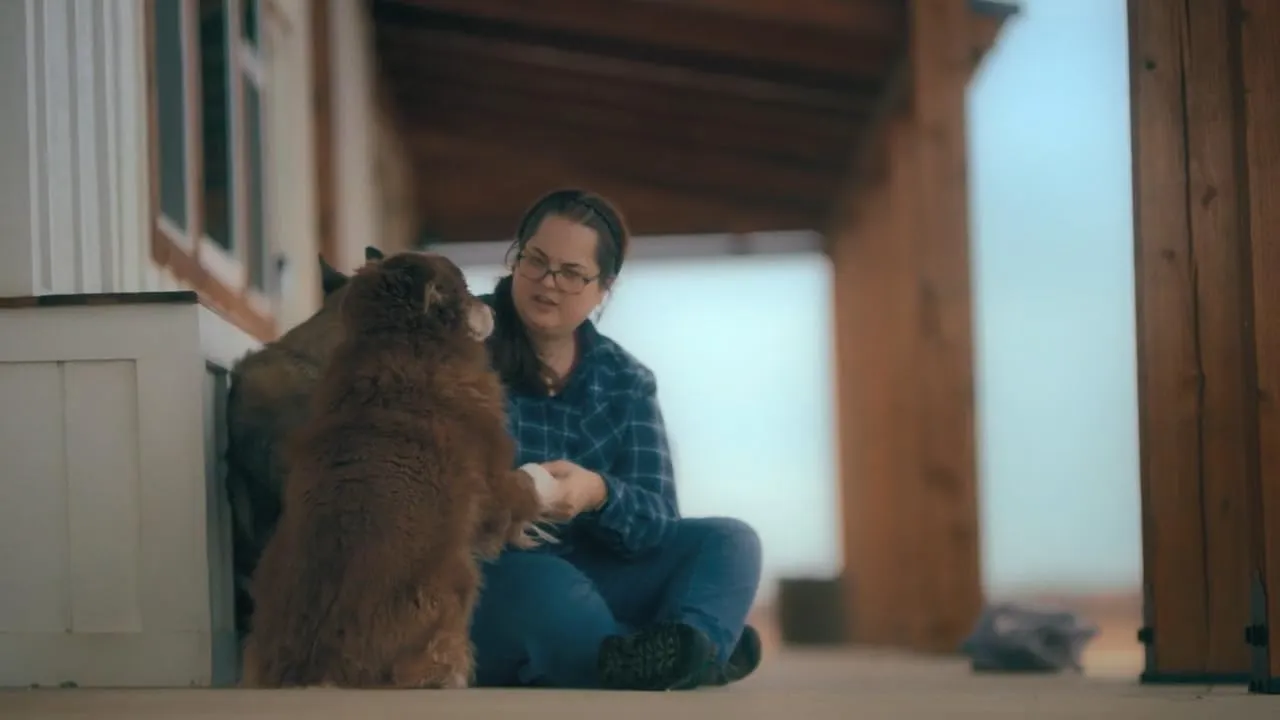
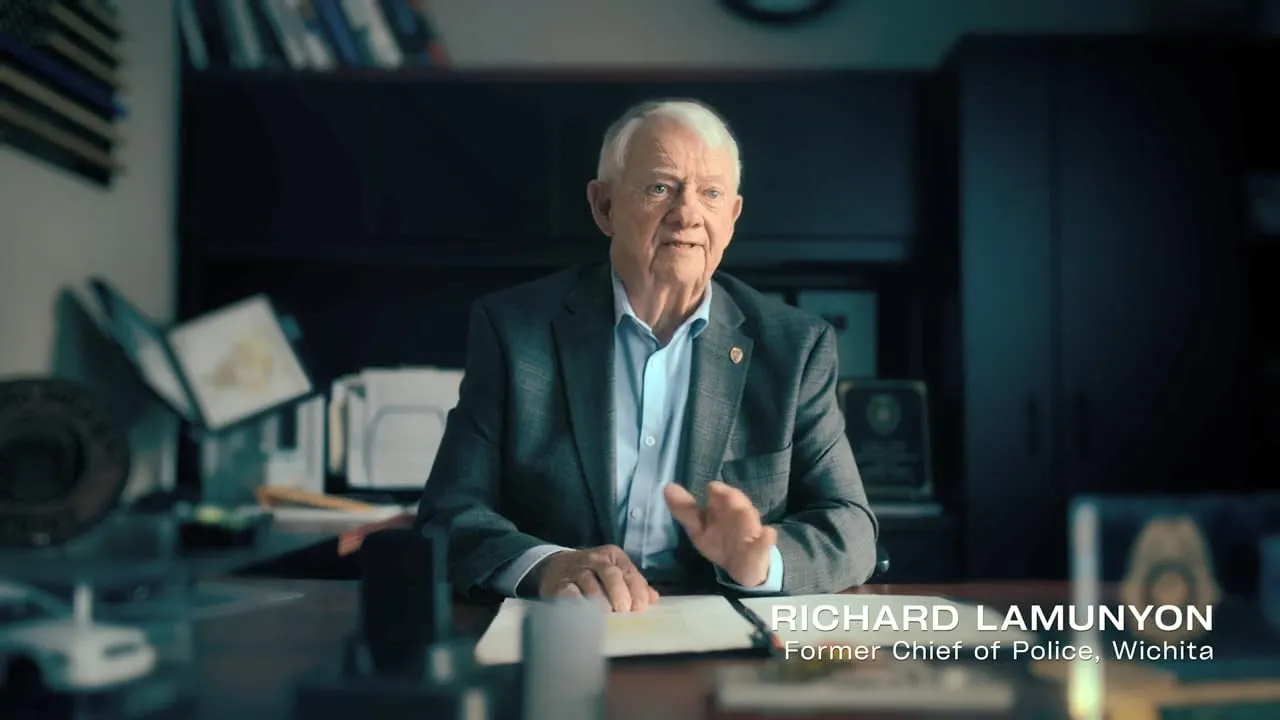
The film’s structure relies almost entirely on these direct-to-camera interviews. Borgman’s direction shows a profound respect for her subject, allowing for long, uncomfortable pauses and moments of quiet reflection.
These silences are not empty; they are filled with unspoken anguish and bewilderment, conveying the story’s emotional depth more effectively than words could. The editing is precise and purposeful, ensuring that every piece of archival material serves to enhance or contrast with Kerri’s personal narrative. This restrained aesthetic gives the film a stark authenticity, positioning it closer to journalism than to entertainment.
Echoes in an Empty Room
Ultimately, the film leaves the viewer with a deeply unsettling question that resonates beyond this specific case: how well can we ever truly know the people closest to us? It uses Kerri’s experience as a harrowing case study for this universal fear, making the story about the fragility of trust itself.
The documentary’s closing theme is one of difficult, ongoing survival. Kerri is not presented as a “healed” individual who has found closure, but as a person who must permanently carry the psychological and social weight of her father’s actions. She grapples with unanswerable questions, including the horrifying possibility that her father might have posed a threat to his own family.
The film wisely leaves this point unresolved, creating a final, lingering layer of discomfort. This work stands as a significant contribution to its genre, shifting the focus from the procedural “howdunit” of crime to the profound human cost of evil. It is a story about the complete destruction of a family’s identity and one woman’s courageous, unending attempt to build a new one from the wreckage.
The documentary My Father, the BTK Killer is a chilling true crime feature that explores the trauma and aftermath experienced by Kerri Rawson, the daughter of notorious serial killer Dennis Rader, also known as the BTK (Bind, Torture, Kill) Killer. Directed by Skye Borgman and produced by Campfire Studios, the film recounts how Rawson’s life was shattered in 2005 upon discovering that her seemingly normal father, a church council president and Cub Scout leader, was a mass murderer who terrorized the Wichita, Kansas area for decades. The documentary premiered on October 10, 2025, and is available to watch exclusively on the streaming platform Netflix.
Full Credits
Director: Skye Borgman
Writers: Skye Borgman
Producers and Executive Producers: Ross M. Dinerstein, Rebecca Evans, Skye Borgman, Ross Girard, Elena Sorre
Cast: Kerri Rawson, Dennis Rader, Darian Rawson, Paula Dietz
Director of Photography (Cinematographer): Bryan Donnell
Editors: Cy Christiansen, Fernanda Tornaghi
Composer: Jimmy Stofer
The Review
My Father, the BTK Killer
Skye Borgman’s documentary is a masterclass in restraint, turning the true-crime genre inward to explore the profound psychological wreckage left in a killer’s wake. By centering Kerri Rawson’s story, the film becomes a haunting and deeply human study of inherited trauma and the struggle to reconcile love with an unthinkable evil. It forgoes cheap thrills for a quiet, gut-wrenching examination of survival. This is an essential, if difficult, watch that redefines the focus of its genre.
PROS
- Shifts focus from the perpetrator to the family, offering a fresh and necessary angle in a saturated genre.
- The restrained, non-sensationalist approach respects the subject matter and its participants.
- Kerri Rawson’s honest and vulnerable account provides a compelling emotional anchor.
- Effectively explores complex themes of trauma, memory, and the fragmentation of identity.
CONS
- The methodical and patient style may feel slow for viewers accustomed to faster-paced crime procedurals.
- The film offers little new information for those seeking a deep dive into the BTK case itself.
- Its heavy subject matter and unflinching look at suffering make it an intensely difficult watch.







