




























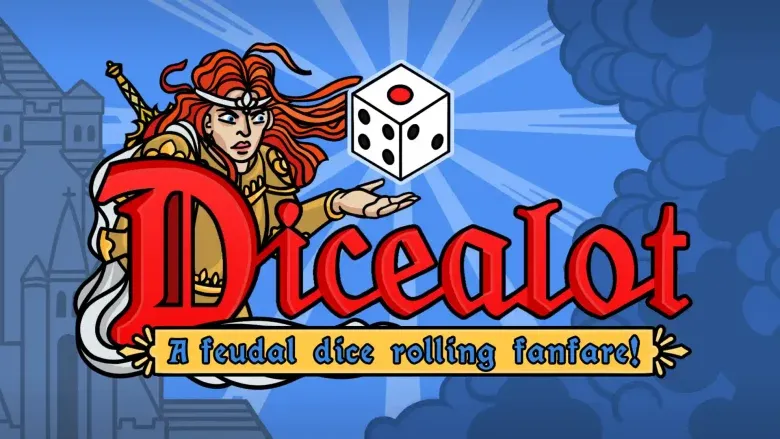

Dicealot, from goodviewgames and Yogscast, strips away narrative pretense to focus entirely on what matters: the satisfying clack of dice hitting the table. You play as a warrior traversing a fantasy realm filled with thugs and griffins, but don’t expect sweeping story arcs or character development. A few lines of flavor text during campaign selection provide the only context you’ll receive.
This minimalist approach works in the game’s favor. By channeling Yahtzee’s scoring mechanics into a roguelike framework, Dicealot creates something that feels instantly familiar yet demands strategic thinking. The game welcomes newcomers with straightforward rules while hiding considerable complexity beneath its surface. Each run presents dozens of micro-decisions that separate lucky victories from skillful domination.
The Mechanics of Risk and Reward
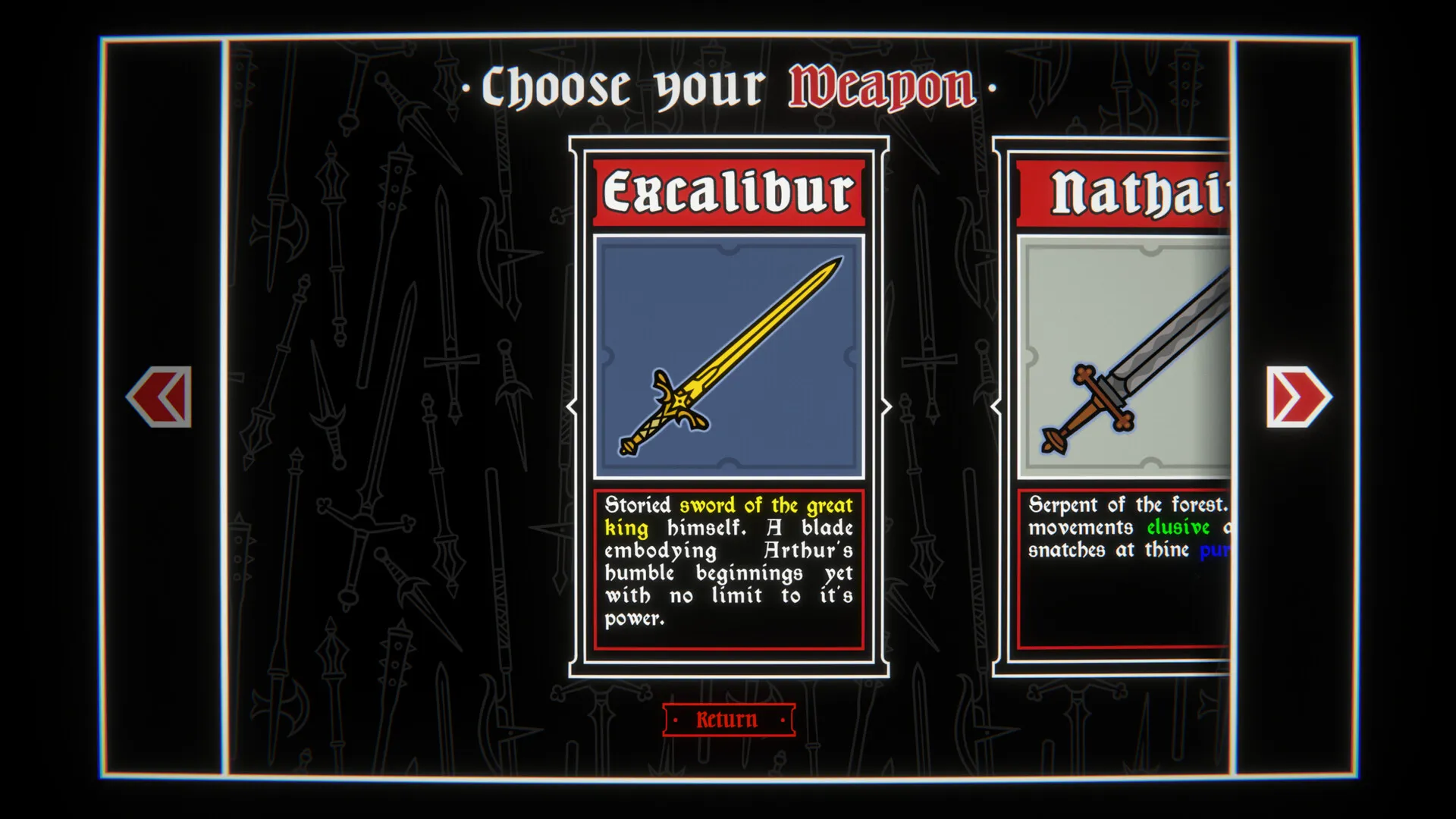
Combat revolves around six standard dice rolled simultaneously at the start of each turn. Your goal is simple: create scoring combinations that translate directly into damage against your opponent. The scoring hierarchy ranges from powerful hands like landing all six dice on the same number (maximum damage) or rolling a straight from one to six, down to more common combinations like three of a kind or three pairs. The most accessible option involves rolling ones or fives, which always score but deal minimal damage.
After your initial roll, you lock scoring dice at the bottom of the screen and face a critical decision: attack now with your banked points, or roll your remaining dice to build a bigger score. This is where Farkle enters the equation. If you reroll and none of your dice produce valid combinations, you lose everything you’ve banked and your turn ends with zero damage dealt. The mechanic perfectly captures gambling’s emotional rollercoaster as you push your luck one roll too far.
The system rewards perfection through rollovers. When all six dice contribute to scoring combinations, you earn an additional turn before your opponent can act. Chain these together successfully and you’ll demolish enemies without giving them a chance to respond. This mechanic transforms Dicealot from a simple dice game into something approaching a puzzle. You’re constantly calculating whether your remaining dice have enough potential to complete that three-of-a-kind or if you should bank your modest score and live to roll another turn.
Rerolls add another strategic layer. Each round grants you a limited number of chances to change individual dice results. Do you gamble everything on rerolling that single die to complete a devastating combo, or play it safe by converting scattered ones and fives into guaranteed damage? These decisions occur multiple times per battle, and your success depends on reading probabilities while managing limited resources.
Enemy turns operate differently. They roll their own dice with predetermined effects that deal damage and apply status conditions. You can’t interrupt these actions or avoid them through clever play (outside of specific defensive mechanics). This asymmetry feels deliberate but occasionally frustrating, since enemies dish out punishment with mechanical certainty while you’re still at the mercy of probability.
Building Your Arsenal
Quest Dice fundamentally alter how each run plays out. You equip six of these special dice that roll once at the start of every battle, providing buffs that persist throughout the encounter. Some boost damage when you roll specific numbers. Others grant evasion percentages that might let you dodge incoming attacks. Still others multiply your final score by staggering amounts. The key to success lies in finding Quest Dice that synergize with each other and your combat style.
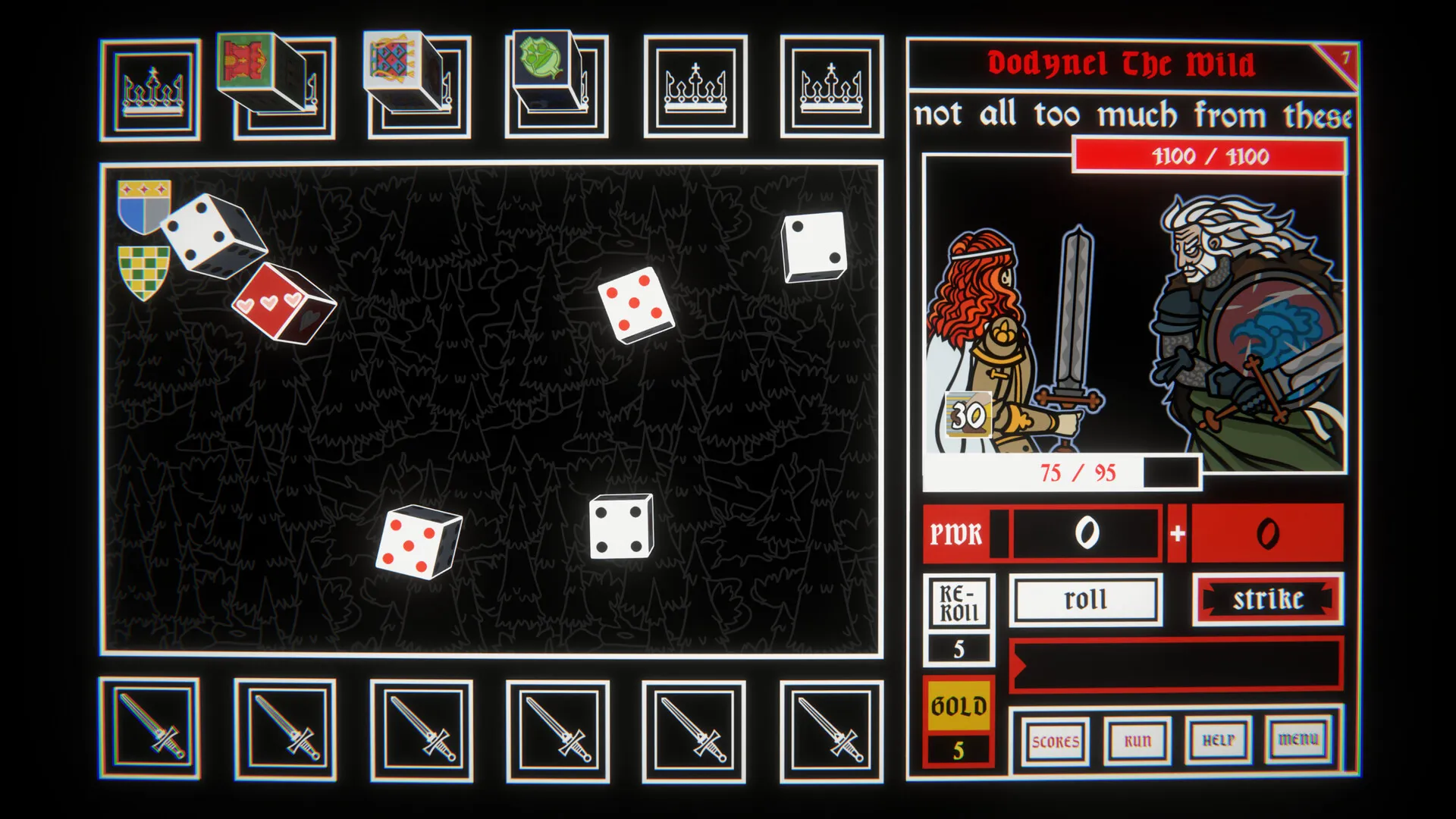
Between battles, you choose your reward: either a lump sum of gold or a smaller amount paired with a healing boost. Then you visit one of several shop types, each selling different items. PWR dice replace your standard combat dice with versions featuring custom number arrangements. A die loaded with fives makes certain combinations trivial to achieve but complicates others. Vassals provide passive bonuses that are modest individually but meaningful when stacked.
The shopping system creates interesting tension. Gold accumulates slowly, you can only visit one shop type per encounter, and inventory is randomized. Maybe you’re building toward an evasion-focused defense but the shops only offer offensive Quest Dice. These constraints force adaptation and prevent every run from following the same optimal path.
Armor and Evasion represent your primary defensive options. Armor reduces incoming damage by flat amounts while Evasion provides a percentage chance to avoid attacks entirely. Building defensively requires significant gold investment that leaves your offense underdeveloped. Since enemies seem to scale faster than your damage output, defensive builds often struggle to finish fights before running out of health.
Weapons function as starting loadouts, modifying your dice pool, reroll count, and other parameters. With 11 weapons to unlock through boss defeats, there’s meaningful variety in how you approach early game. Route selection between Acts lets you choose which enemies and bosses you’ll face, though the differences feel less impactful than the weapon choice. Seven difficulty levels provide scalability for players seeking greater challenge, and the boss encounters themselves feature unique dice with dangerous effects that require adjusted tactics.
Polish and Frustration in Equal Measure
Dicealot’s medieval tapestry aesthetic gives it a distinctive visual identity. The art style is simple and functional, creating a comically Arthurian atmosphere that matches the game’s lighthearted approach to fantasy tropes. The sound design reinforces this storybook quality with appropriate audio cues that sell the experience.
The visuals create one significant problem: they lack impact during crucial moments. Landing a perfect rollover or suffering a devastating Farkle should feel momentous, but the game’s restrained presentation doesn’t provide that emotional payoff. Victories and defeats blend together in a way that mutes the highs and lows that make roguelikes addictive.
Dice physics present a more serious issue. The dice themselves feel unnaturally bouncy, frequently appearing to settle on one number before awkwardly tumbling to another face. This behavior makes the randomness feel suspicious rather than genuinely chaotic. When you’re already frustrated by bad luck, watching dice behave in ways that seem physically impossible breeds distrust in the system.
Early progression suffers from limited build variety. Until you unlock more weapons and understand which Quest Dice combinations work effectively, your first several runs feel samey and constrained. The shop system exacerbates this when it refuses to stock items that match your intended build direction.
Acts blend together with minimal variety beyond the shop visits and combat encounters. Enemy scaling creates frustration when paired with limited defensive options and randomized shop inventory. Some runs simply die to circumstances beyond your control, and these moments don’t feel like learning experiences or skill checks.
Yet the core loop remains dangerously compelling. The risk-reward calculation that defines every turn is finely tuned enough that one more run always feels achievable. The moment-to-moment gameplay is satisfying even when the meta-progression feels shallow. Dicealot is easy to learn but challenging to master.
Unlocking all weapons and difficulty modes provides dozens of hours of content for players who connect with the formula. Whether this game possesses the long-term staying power of genre standouts remains uncertain, but it delivers strong short-to-medium term engagement. If you’re seeking a new roguelike obsession and can tolerate some rough edges, Dicealot offers enough substance to warrant attention.
The Review
Dicealot
Dicealot succeeds through its finely-tuned risk-reward mechanics and accessible-yet-deep gameplay loop. The Yahtzee-inspired combat system creates addictive moment-to-moment decisions, while Quest Dice and weapon variety provide genuine build diversity. However, questionable dice physics, muted visual feedback, and occasional RNG frustration hold it back from greatness. Early progression feels limited, and Acts can blur together. Still, for players craving a compact roguelike experience with strong mechanical foundations, Dicealot delivers enough substance to justify repeated runs.
PROS
- Compelling risk-reward combat system with satisfying depth
- Quest Dice create meaningful build variety and synergies
- Easy to learn, challenging to master
- 11 weapons and 7 difficulty levels offer replayability
- Charming medieval tapestry aesthetic
CONS
- Dice physics feel untrustworthy and overly bouncy
- Lack of visual impact during crucial moments
- Limited build variety early in progression
- Enemy scaling can outpace player power
- Acts feel repetitive with minimal variety
- RNG can determine outcomes too frequently