



























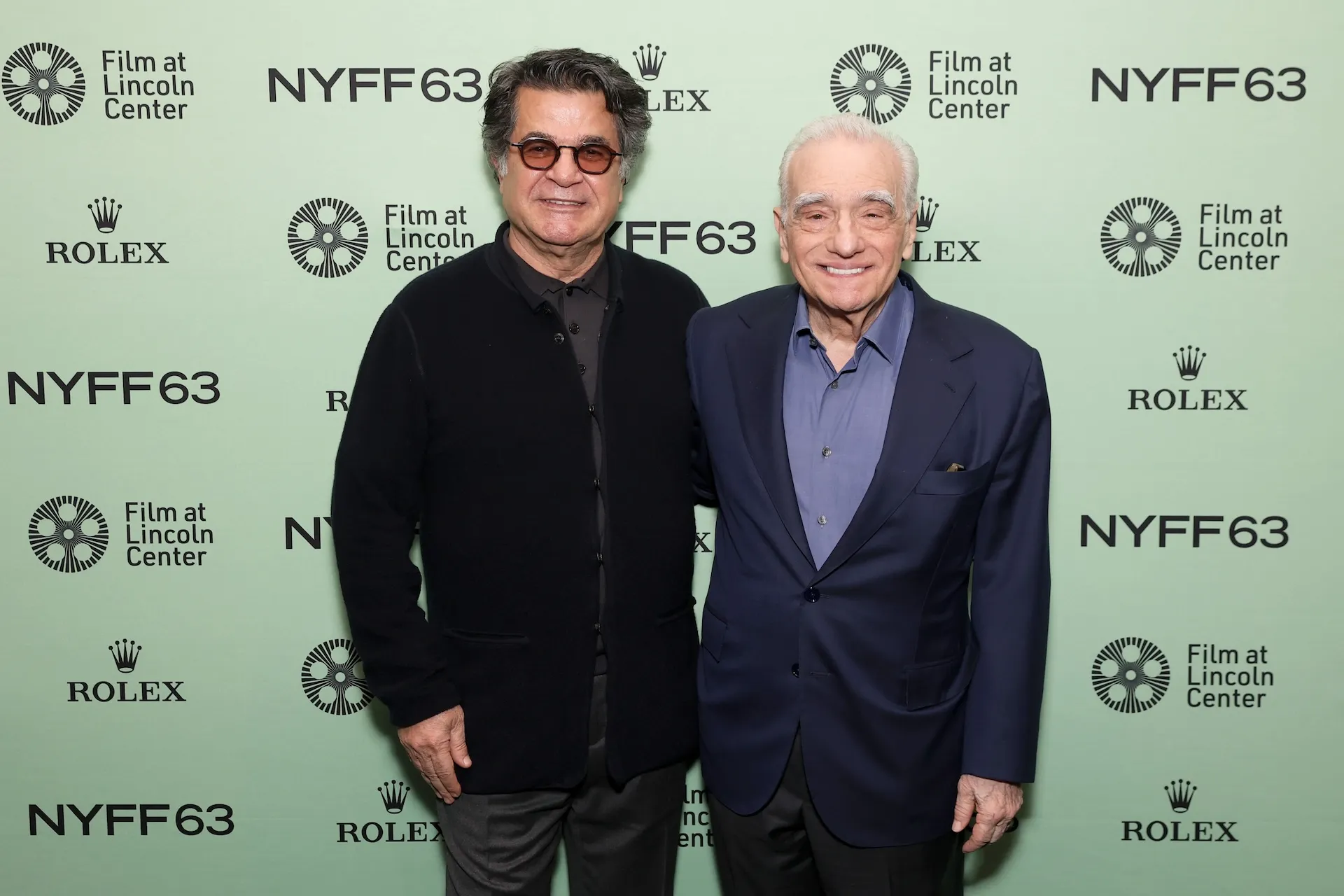

Martin Scorsese used a wide-ranging New York conversation with Jafar Panahi to urge major streaming platforms to give sustained, visible support to Iranian filmmakers, arguing that broader access and consistent curation are essential for work produced under censorship and economic strain. Panahi, whose films have navigated bans, arrests, and distribution hurdles, spoke about the practical limits Iranian artists face and the need to keep working with whatever tools are available, echoing a decades-long dialogue between advocacy and artistry around his filmography.
The exchange comes as Panahi’s latest feature continues its festival run and as his international travel remains complicated by administrative delays. A recent U.S. government shutdown disrupted visa processing, preventing him from appearing at several events and illustrating how geopolitical factors can derail even high-profile cultural engagements. Scorsese’s call for streamers to step up—through acquisitions, discoverability, and marketing muscle—was framed as a practical response to those constraints, shifting the emphasis from symbolic support to audience reach.
Panahi described how working conditions inside Iran force filmmakers to devise new production strategies and to accept that stories may travel farther than their makers can. While he has been able to leave the country at times since restrictions were eased in 2023, uncertainty around permits and paperwork continues to shape the public life of his films. The conversation highlighted how streaming can bridge that gap, placing Iranian titles in front of viewers who might not encounter them theatrically while preserving the specificity of the culture that produced them.
Scorsese, a longtime advocate for film preservation and global cinema, positioned Iranian filmmaking as a vital source of personal storytelling and formal invention that deserves clearer labeling, editorial support, and continuity on platforms. Panahi, for his part, emphasized persistence over pessimism, noting that the future of Iranian cinema will be built by artists who keep making work under pressure—and by distributors with the willingness to meet that work halfway.