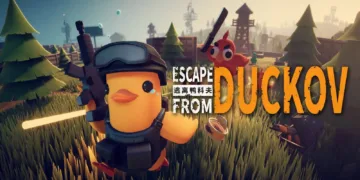



























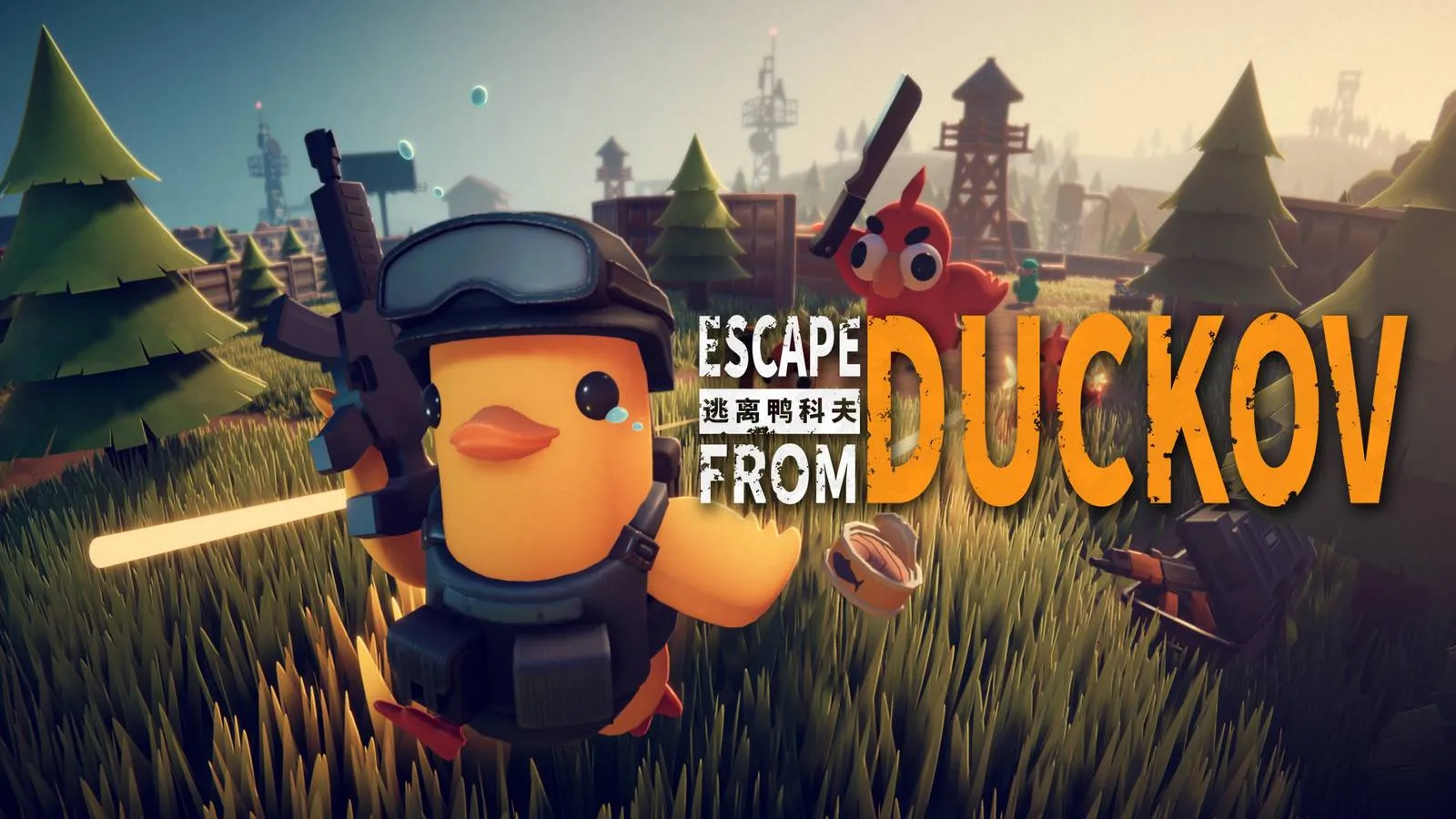

Team Soda’s Escape from Duckov arrives with a premise that sounds like a punchline: take Escape from Tarkov’s brutal extraction shooter formula and replace hardened mercenaries with adorable waterfowl. Published by bilibili, this top-down single-player adventure trades military simulation for cartoon aesthetics while keeping the genre’s punishing core intact.
You play as a customizable duck (complete with options for shotgun shell eyes and chicken tails) trapped on Planet Duckov during an apocalyptic storm crisis. After breaking out of prison, your goal is straightforward: raid the hostile surface, scavenge materials, fight AI enemies ranging from other armed ducks to robotic spiders, and eventually gather enough resources to build a rocket and escape.
The extraction loop mirrors its inspiration closely. You gear up in your underground bunker, venture topside to loot containers and engage in firefights, then extract back to safety with your haul. Death means dropping everything at your corpse, recoverable only if you survive a return trip.
This is a story-driven experience with a definite ending rather than an endless competitive grind, clocking in between 40 and 80 hours depending on your approach. The tension between its whimsical presentation and legitimately demanding tactical gameplay creates an identity crisis the game never fully resolves.
Combat and Mechanical Systems
The extraction shooter formula translates surprisingly well to the isometric perspective. Each raid follows a predictable rhythm: load in, navigate through enemy-infested zones, fill your inventory with weapons and supplies, then reach an extraction point before something kills you. The game restricts your vision to a cone emanating from your duck, leaving everything else shrouded in fog of war.
This limitation forces you to rely heavily on audio cues, and the sound design delivers. Scavenger ducks waddle with light footsteps while mercenary types stomp heavily across the terrain. Each enemy class has distinct quacking patterns, giving you precious seconds to identify threats before they appear on screen.
Combat feels competent within these constraints. Headshots produce satisfying results, and the AI shows enough intelligence to seek cover rather than absorb bullets in the open. Firefights lasting longer than a minute generate real tension, particularly when aggressive mercenaries with high-tier weapons can shred your armor in seconds. Melee attackers flash before striking, giving you a dodge window that feels fair without trivializing the threat. The day-night cycle introduces robotic spider enemies after dark, and randomized weather keeps each raid feeling slightly different.
The death system borrows from Gray Zone Warfare rather than Tarkov’s harsher approach. On Balanced difficulty, dying drops your inventory in a recoverable box. You can return with backup gear from the donation box (which spawns random basic items like pistols and medical supplies) to retrieve your lost equipment. Fail twice and everything vanishes permanently.
The game offers difficulty customization ranging from casual mode (no death penalties) to extreme permadeath, but this gentler default reduces the stakes that make extraction shooters compelling. A pet system provides additional insurance through a secure slot that survives death, expandable to hold a full backpack of items.
The Storm event represents the game’s attempt at escalation. Every 210 in-game hours (about 3.5 real hours), a devastating storm sweeps across Duckov. Venturing outside during these periods without proper gear results in near-instant death, but the exclusive high-end loot tempts prepared players.
Progression and Customization Depth
Your bunker functions as both safe haven and progression hub. Between raids, you’ll organize storage, turn in completed quests, and construct crafting stations for weapons, medical supplies, and equipment modifications. Building each station requires specific items looted from the surface: syringes for the medical center, particular junk components for storage expansion, random materials for the weapons workbench.
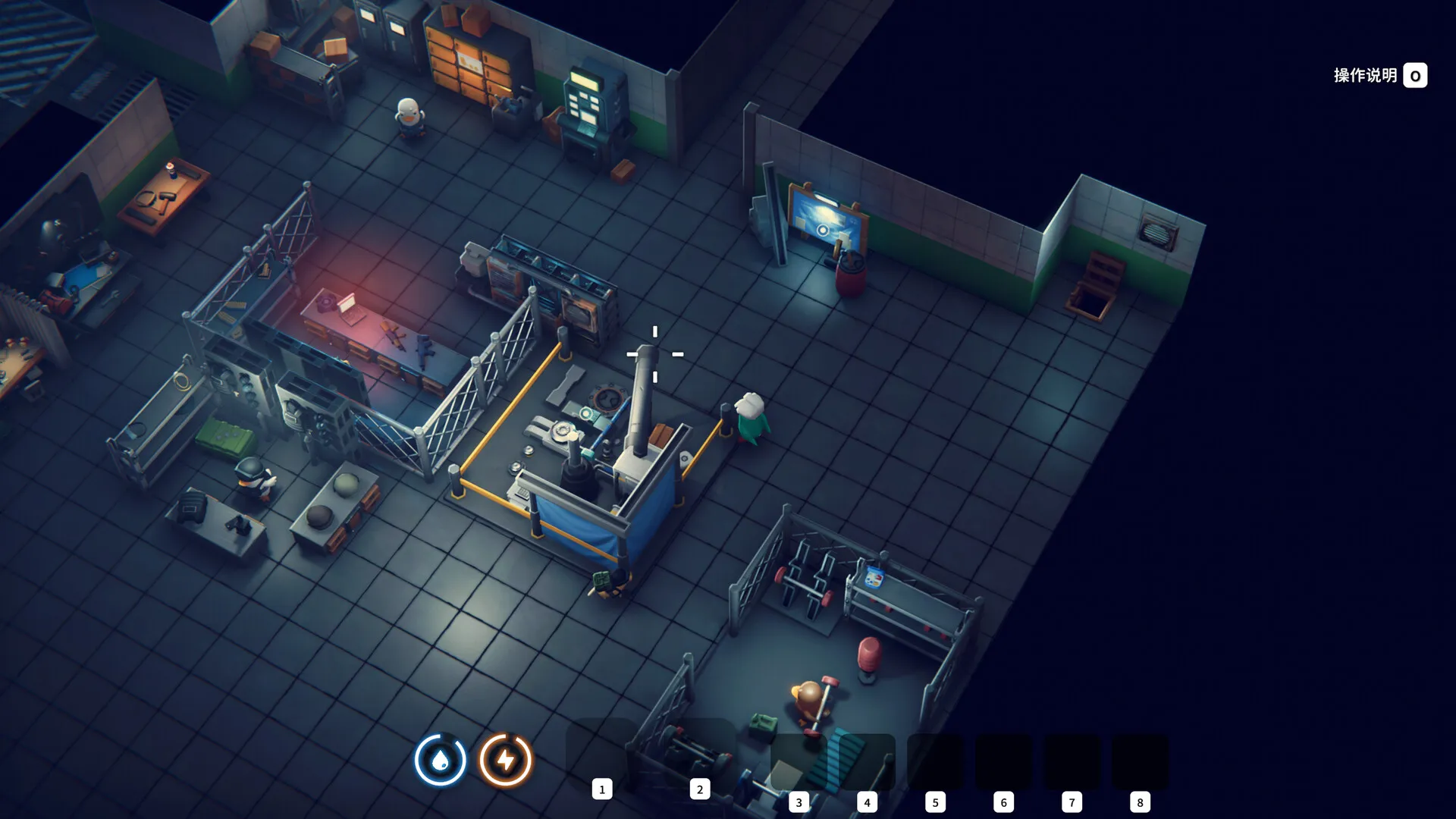
Character upgrades provide incremental improvements to vision range, recoil control, reload speed, and stamina. These small numerical boosts create noticeable differences in how your duck performs. A talent system unlocks through quest completion, layering additional perks onto your capabilities.
The teleporter network simplifies traversal once you activate corresponding beacons scattered across maps. NPC allies gradually join your bunker, each offering unique quests or storefronts that expand available items and equipment. The smooth jazz soundtrack playing from your gramophone provides the only music in the game, creating a relaxing contrast to the silent tension of surface exploration.
Weapon customization strikes a reasonable balance between depth and accessibility. The attachment selection stays limited compared to full military simulators, but you’ll find enough scopes, grips, stocks, and suppressors to build personalized loadouts. Recreating specific configurations is possible and rewarding. The cosmetic gear system lets you dress your duck in various tactical outfits, adding personality without affecting performance.
Here’s where the system fractures: random loot generation controls your progression speed. Quests frequently demand specific items (plastic barrels, medical equipment, particular junk components) that spawn unpredictably across raid locations. You might spend hours searching containers for that final syringe needed to build a crafting station, finding everything except what you need.
This randomness creates frustrating inventory management puzzles. You’ll discard “useless” junk to make room for seemingly important items, only to receive a new quest requiring exactly what you threw away. The cycle repeats endlessly, punishing players for not hoarding every piece of trash while simultaneously limiting storage space.
Map Design and Quest Philosophy
Five maps comprise Duckov’s surface world, each with distinct visual identities but familiar structural DNA. Ground Zero serves as your starting area, sharing its name with Tarkov’s map while resembling Customs in actual design. Farm Town requires ferry tickets for access, gating progression behind resource collection. The maps feature well-crafted points of interest connected by trails and corridors that funnel movement. Navigation feels constrained rather than open, with empty spaces between meaningful locations filled by scattered assets and occasional loot containers.
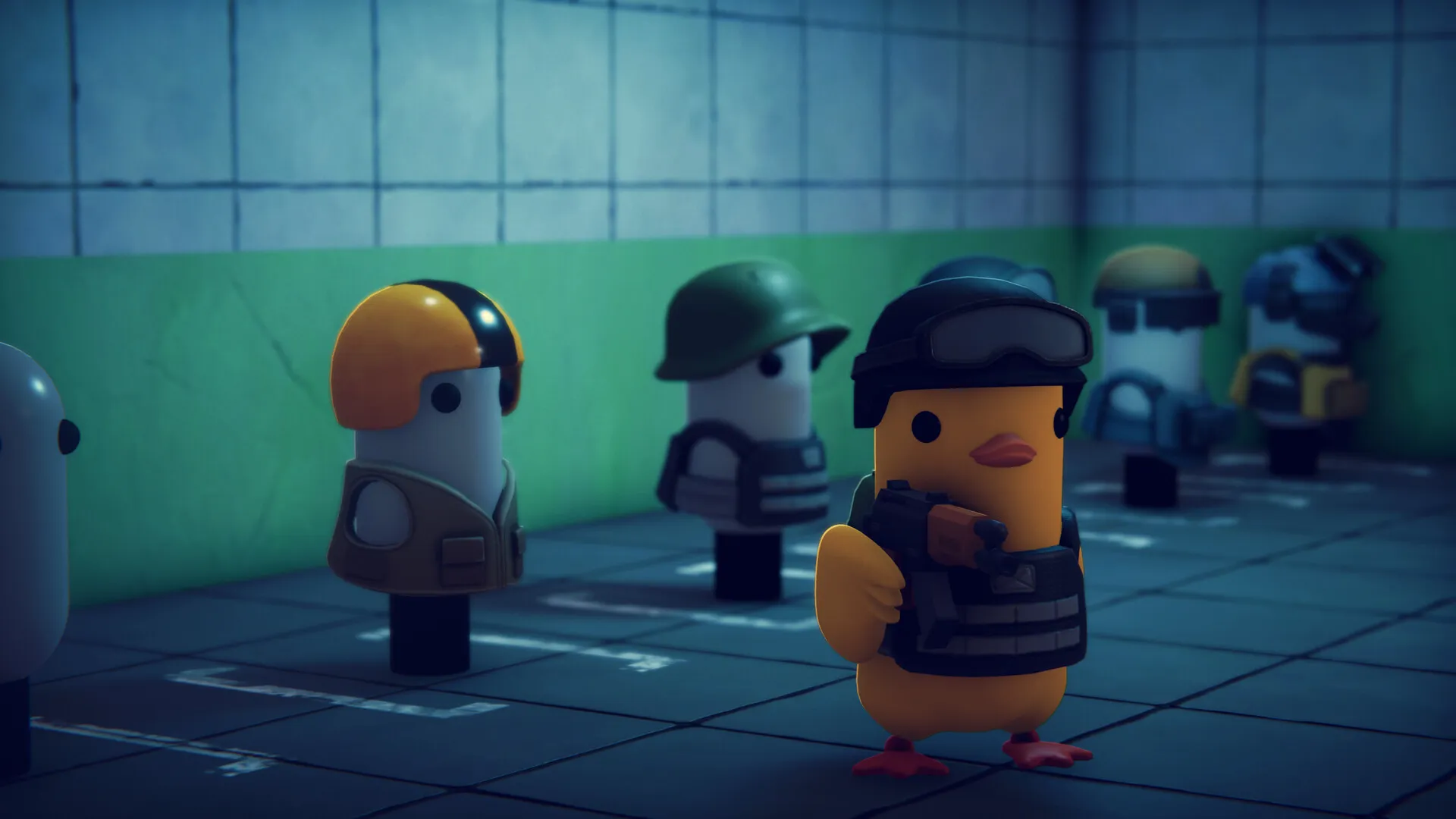
Environmental storytelling barely exists here. The game compensates with permanent shortcuts that reward exploration: bridges you can repair with collected wood, one-way gates that open from the opposite side, manhole covers revealing secret extraction routes, crumbling walls you can demolish with explosives. These quality-of-life improvements reduce frustration from repeated trips through identical terrain.
Quest design begins with sensible tutorials introducing core mechanics, then shifts toward exploration objectives and combat challenges. Problems emerge when the game copies Tarkov’s most arbitrary mission structures. You’ll encounter quests demanding you shoot seven enemies in the left leg from over 20 meters using a specific Kalashnikov variant with a stamped receiver.
These hyper-specific requirements feel like achievement criteria or weekly challenges rather than story-driving objectives. Fetch quests dependent on random loot spawns dominate the quest log, tying narrative progression to luck rather than skill.
The pacing collapses under its own weight. A focused playthrough requires 60 to 80 hours, with completionist runs estimated around 200 hours. Spending four hours just unlocking everything needed to leave the Ground Zero map reveals how severely the game stretches its content. You’ll revisit the same locations dozens of times, checking containers for item spawns that may or may not appear. The cone of vision system keeps you functionally blind even after skill upgrades.
The cute duck aesthetic cannot sustain this length. Without Tarkov’s oppressive atmosphere and genuine stakes, the core loop becomes monotonous. The game needed to be a tight 20-hour experience rather than an 80-hour grind. The novelty of tactical waterfowl combat wears thin long before the credits roll, leaving you mechanically clicking through the same actions in the same locations hoping random number generation finally grants the item you need.
Escape from Duckov commits fully to its extraction shooter identity while adding nothing substantial to the formula. The single-player focus removes competitive pressure, making this an accessible entry point for genre newcomers, but it also strips away the tension that justifies the repetitive structure. The parody premise suggests lighthearted fun, yet the game demands dozens of hours grinding the same content with minimal variation.
The Review
Escape from Duckov
Escape from Duckov executes its extraction shooter mechanics competently but drowns in unnecessary padding. The duck aesthetic charms initially, yet cannot mask fundamental design issues inherited from Tarkov's quest structure. Progression feels rewarding when systems cooperate, but random loot dependencies transform advancement into tedious grinding. What should have been a focused 20-hour romp stretches to 60-plus hours of repetitive container-checking across identical locations. The single-player approach makes the genre accessible, but removes the tension that justifies such demanding time investment.
PROS
- Excellent sound design for enemy identification
- Solid combat mechanics with satisfying gunplay
- Meaningful character progression and crafting systems
- Permanent shortcuts reduce backtracking frustration
- Smooth technical performance
CONS
- Random loot generation gates story progression
- Arbitrary quest objectives copied from Tarkov
- Severe pacing issues stretch content too thin
- Limited environmental storytelling
- Repetitive gameplay loop wears thin quickly