






















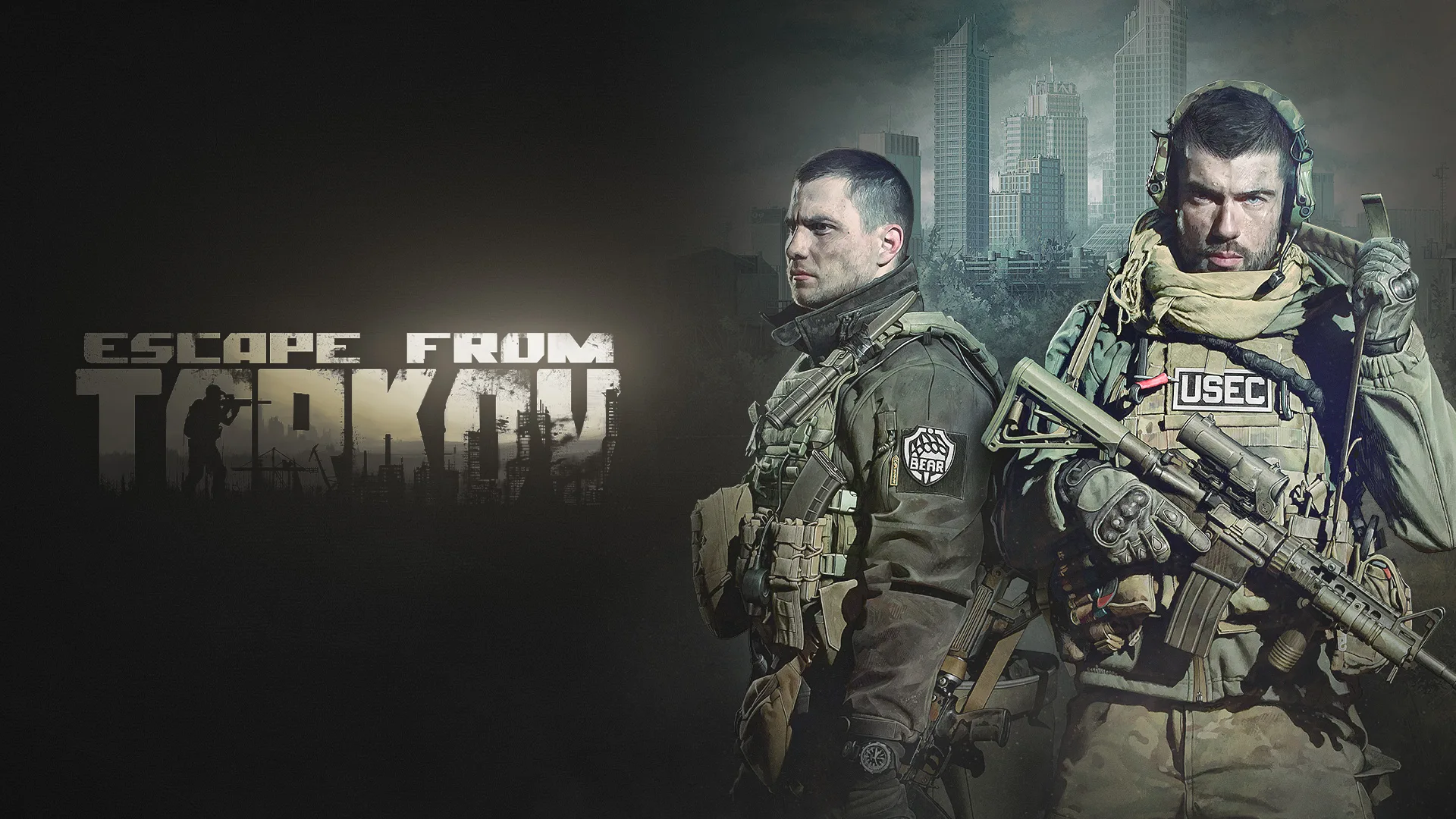

Escape From Tarkov arrives at its 1.0 release after nearly ten years of development, and the extraction shooter that launched a genre has finally graduated from early access. Battlestate Games’ vision remains as uncompromising as ever: you’re dropped into a fictional Russian city torn apart by conflict, forced to scavenge for supplies while hostile forces hunt you from every angle. The core premise is simple—gear up, enter a raid, collect loot, and extract before death claims everything you brought—yet the execution demands a commitment few games would dare ask of their players.
You’ll choose between two PMC factions (USEC or BEAR) as your main character, risking expensive loadouts each raid, or play as a disposable SCAV with random gear every twenty minutes. A PvE mode exists for those who’d rather face AI than deal with human opponents and the cheaters that plague them. This is a game built for players who view tutorials as insults and see punishing difficulty as the baseline for engagement.
Precision and Paranoia: Combat That Demands Respect
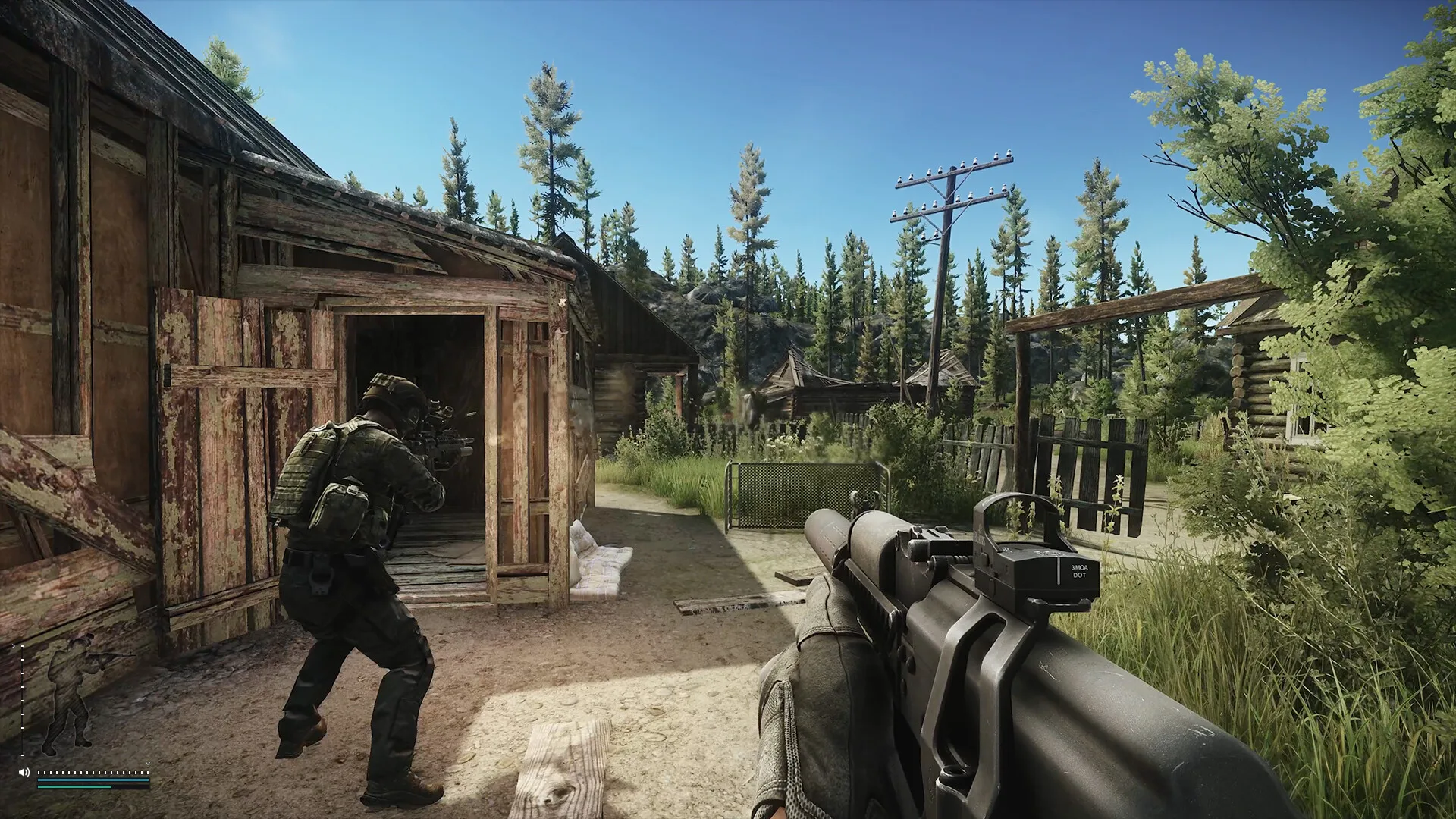
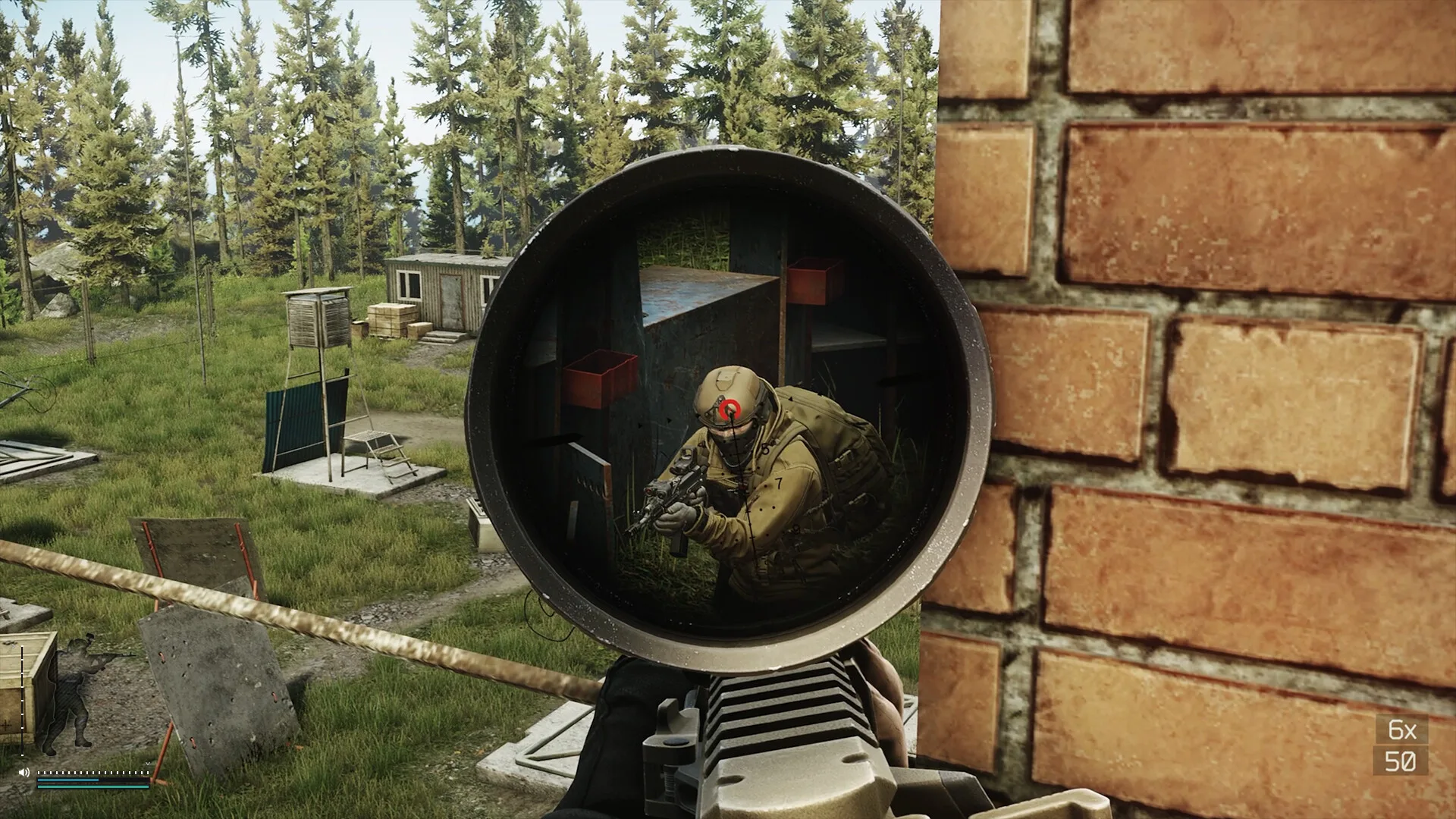
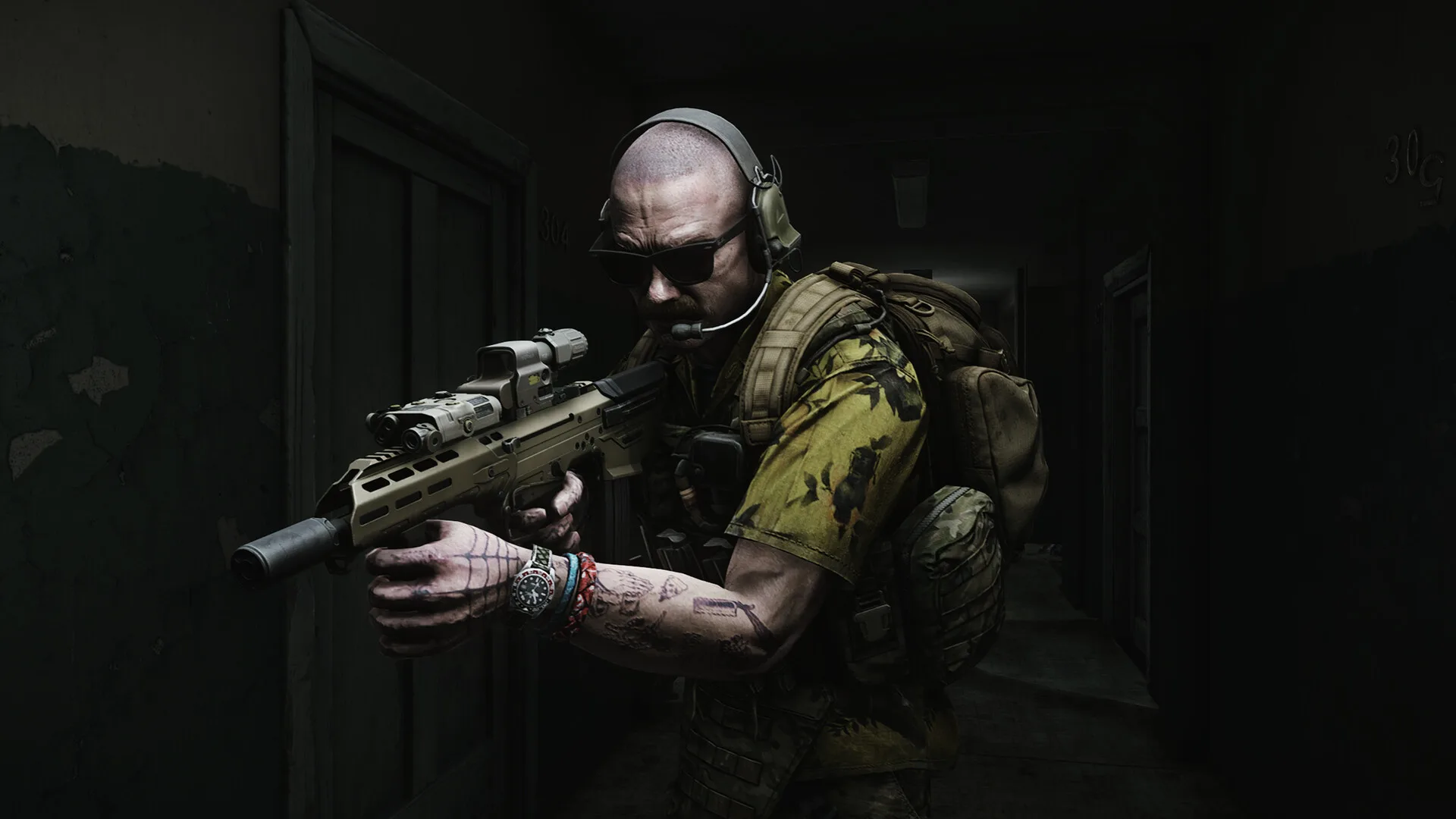
Tarkov’s combat system rejects every comfortable convention modern shooters have established. A single round can end your raid instantly, and the ballistics model ensures that ammunition type matters as much as aim. You’ll spend hours learning which rounds penetrate which armor classes, why your shots bounced harmlessly off an enemy’s chest plate, or how you dropped someone in a single hit. The game simulates individual body parts, tracks specific injuries, and forces you to understand the difference between a tourniquet and a splint when your leg gets shot out from under you.
Movement feels deliberately weighty. Your character doesn’t snap between positions—standing up from a crouch takes perceptible time as the game simulates getting off your knees. You can adjust walking speed with precision, lean around corners at multiple angles, or blindfire from cover. Weight affects everything: sprint duration, stamina drain, how quickly you can pivot. An injured leg doesn’t just reduce health; it transforms your tactical options by limiting mobility. These aren’t arbitrary limitations—they’re the foundation of a combat system that rewards preparation and punishes overconfidence.
Death arrives from everywhere. You might be crouched in a building when someone you never saw sends a bullet through your skull. After killing an enemy, looting their corpse becomes a calculated risk. Gunshots echo across the map, drawing scavengers to fresh kills like sharks to blood. I’ve learned to hide after engagements, watching the body from a corner, waiting for the inevitable footsteps. Patience gets rewarded. Greed gets punished. The audio design makes every crunch of gravel or distant crack of gunfire a threat assessment.
Nighttime raids transform the game into something closer to survival horror. Using a flashlight broadcasts your position to anyone nearby. Players with night vision goggles hunt in near-total darkness while you stumble blind, every sound magnified by paranoia. I’ve crouched motionless for minutes, straining to hear movement, only to have someone whisper “boo” before executing me. The psychological weight of these encounters lingers long after the death screen fades.
The AI enemies add unpredictability that keeps raids from becoming routine. Boss characters range from unhinged maniacs wielding sledgehammers to cowards protected by heavily armed bodyguards. Robed cultists stalk forest maps with poisoned blades, and their first appearance is genuinely terrifying. These encounters force adaptability—your careful plan for looting a building shatters when you round a corner into a boss and his entourage. Learning spawn patterns and patrol routes happens through repeated deaths, and each map has its own AI personality that you’ll internalize through painful experience.
Getting Lost Is Part of the Process
Tarkov includes eleven maps, each with its own identity and extraction mechanics. One features military bunkers and requires you to defend a position while an armored train arrives to extract you. Another sprawls through dense forest and airplane wreckage, forcing constant vigilance for snipers due to minimal cover. A keycard-locked facility promises incredible loot guarded by formidable enemies, while a shopping mall offers stores to ransack at your leisure. The variety is impressive, but learning these environments is brutal.
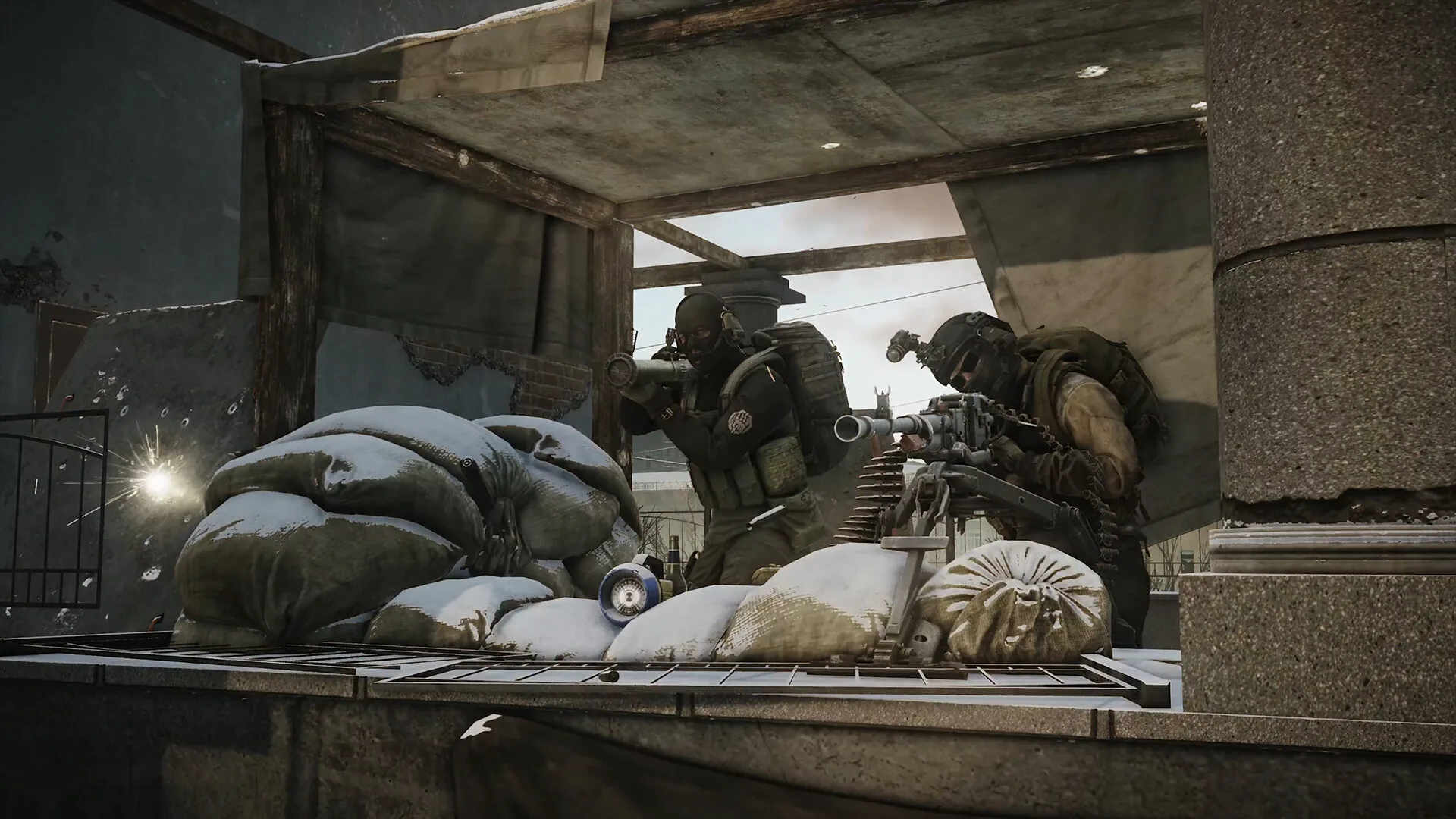
The game provides no in-game map. No minimap. No objective markers. No icons above teammate heads. You learn through death and memorization, investing ten or more hours per map to internalize extraction points, loot spawns, and safe routes. Map boundaries aren’t clearly defined—some areas have invisible snipers that gun you down without warning if you stray too far, while others are literal minefields. Quest objectives get described vaguely, forcing interpretation and experimentation. The community solution involves alt-tabbing to fan-made resources, which feels like an admission that some obscurity serves no purpose beyond artificial difficulty.
This design philosophy splits players. Some find the navigation challenges exhilarating, appreciating how mastery develops organically through hardship. I fall somewhere between appreciation and frustration. Memorizing armor penetration values and ammo types felt rewarding—a knowledge base earned through trial and error that made me genuinely better at the game. Spending twenty minutes lost looking for a vague objective location felt like time wasted, especially when the information exists online but Battlestate refuses to integrate it.
The SCAV system provides necessary relief from Tarkov’s relentless pressure. Every twenty minutes, you can deploy as a random street rat with borrowed equipment. Death costs nothing, success can be lucrative, and you’re allied with other SCAV players against geared PMCs. These low-stakes runs function as palate cleansers between intense PMC raids, offering opportunities to recoup losses without risking your hard-earned gear. The role reversal creates interesting dynamics—poorly equipped players banding together against those with superior loadouts adds tactical variety to the extraction formula.
A Progression System That Respects Your Time By Demanding All of It
Tarkov’s progression system is genuinely one of the best implementations of long-term goals in any shooter. The hideout upgrade tree alone represents thousands of hours of potential engagement. You’ll gather everything from toilet paper and screws to GPUs and rare electronics, feeding materials into crafting stations and facility upgrades. Some upgrades reduce healing time between raids, others expand your stash capacity or unlock weapon testing ranges. Each feels meaningful, though the resource requirements can be absurd—expect to hoard mountains of specific items for single upgrades.
The grind has rhythm. You’ll run raids focused purely on making money, selling everything to vendors and stuffing pockets with mundane items needed for crafting. The satisfaction comes from tangible progress toward specific goals, even when individual raids feel unsuccessful. This Sisyphean structure works because the rewards justify the investment. Better storage means keeping more gear. Faster healing means running raids more frequently. The loop feeds itself, and before long you’ve spent forty hours working toward a single facility upgrade because the benefit matters.
The quest system sprawls across daily tasks, weekly objectives, and extensive story missions. Objectives range from simple kill counts to elaborate setups like installing cameras throughout a warehouse to record your kills. Each completed task builds reputation with traders, which gates access to better equipment and supplies. The Russian-speaking vendors have minimal personality, and the story they tell never becomes compelling, but that hardly matters when the real narrative is your personal journey through Tarkov’s hostile landscape.
Quest variety keeps things fresh even if the storytelling doesn’t. Some tasks send you after specific loot items, others require kills in particular locations, and a few involve complex sequences across multiple raids. They serve as structured goals that push you into uncomfortable situations, forcing engagement with map areas or playstyles you might otherwise avoid. The reputation grind toward better vendor stock creates clear milestones that measure progress even when raids go poorly.
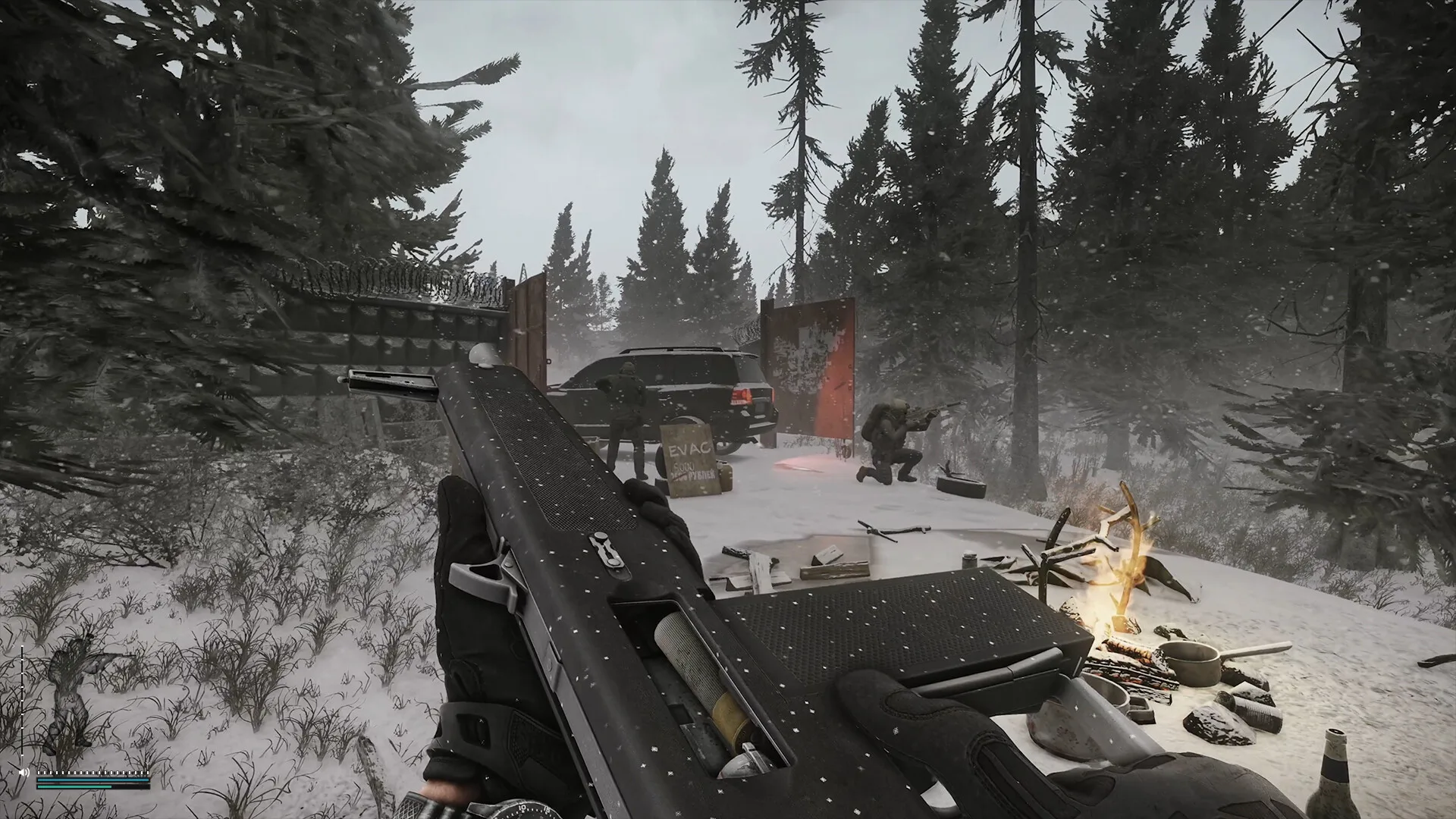
The inventory system is byzantine and deliberately obtuse. Stash space is perpetually insufficient, demanding constant organization and tough decisions about what to keep. Reloading weapons requires manual steps—unload the empty magazine, locate it in inventory, fill it with bullets, then reload. There’s no UI ammo counter. Inventory space is finite, measured in grid squares, turning packing for raids into Tetris. The flea market unlocks at level 15, enabling player trading and adding another layer of economic complexity.
This pedantic approach frustrates as often as it engages. Time spent managing inventory can rival actual playtime, and while some players revel in the spreadsheet-like depth, others will find it unnecessarily burdensome. I appreciate that the game respects its systems enough to make them consequential—weight matters, space matters, preparation matters—but there’s a difference between meaningful complexity and obstinate design for its own sake. Tarkov occasionally crosses that line.
Technical Rough Edges That Never Quite Smooth Out
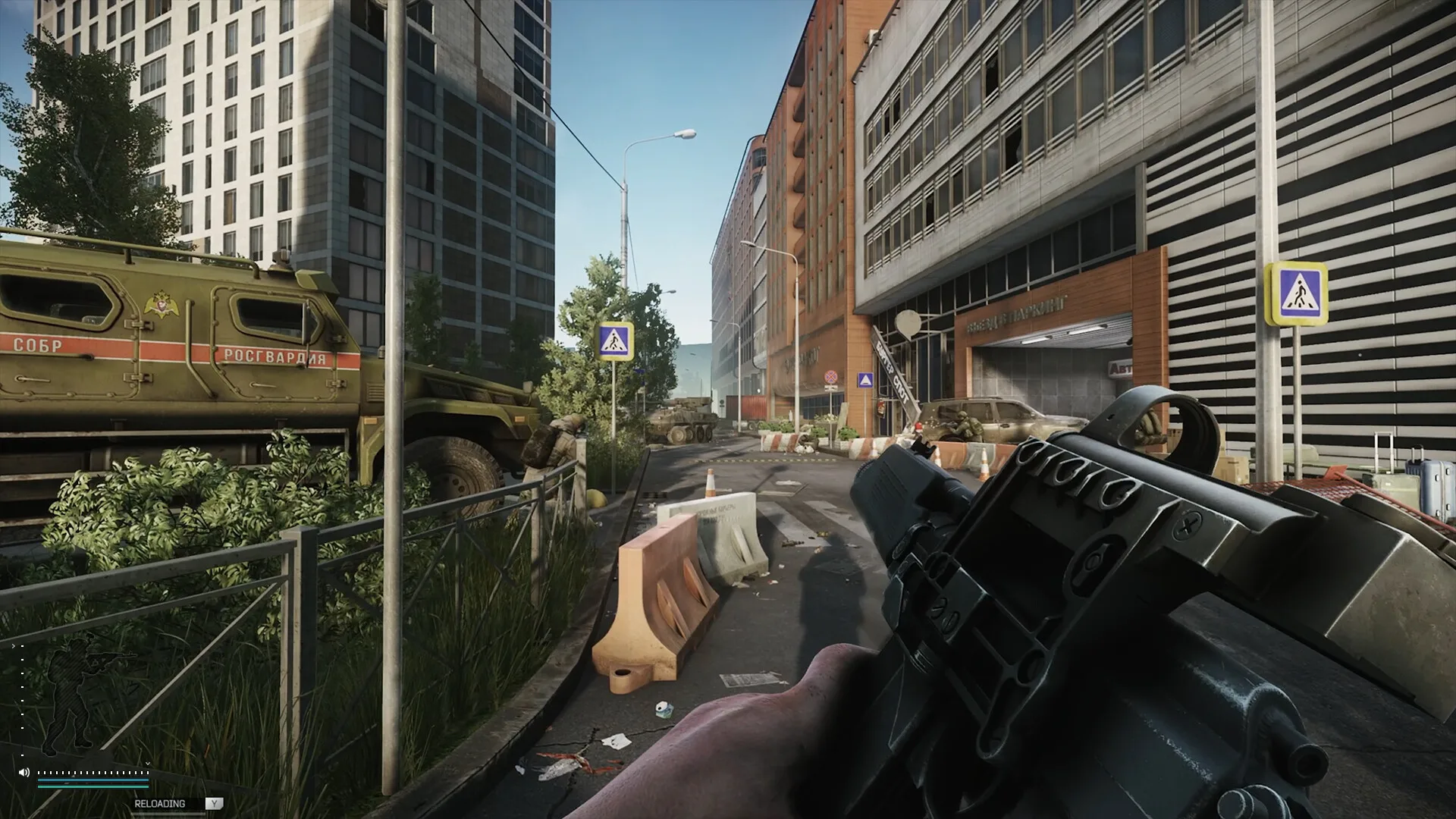
By 2025 standards, Tarkov looks dated. Environmental textures are blurry and low-resolution, character models recall much older games, and the visual presentation lacks the polish you’d expect from a 1.0 release. A powerful PC is necessary to run the game acceptably, yet even then the return on that hardware investment feels underwhelming. The game has moments of atmospheric beauty, particularly in how lighting and weather effects interact, but these highlights make the rough spots more noticeable by contrast.
Loading into matches can take five minutes, during which the menu locks and prevents any inventory management or preparation. Servers have persistent issues with desync and rubber-banding that affect hit registration—shots that should connect sometimes don’t, and deaths occasionally feel unearned because of network problems. Characters clip through walls, get caught on geometry, and occasionally behave unpredictably. Loot sometimes appears in the environment but can’t be picked up, visibly taunting you with inaccessible rewards.
These technical problems persist despite years of development. Some bugs are minor annoyances, others directly impact gameplay fairness. The 1.0 release brought hundreds of fixes and improvements, but calling this version “finished” feels generous when basic functionality still has issues. The audio design, when working properly, creates a sublime soundscape where every noise carries tactical information. Weather effects like rain can deafen you, snow crunches underfoot betraying your position, and distant gunfire warns of nearby danger. When audio bugs occur, they undermine the entire tactical foundation the game is built on.
Paying For Advantage in a Hardcore Shooter
Tarkov’s monetization structure is genuinely troubling. Four package tiers range from $50 to $250, and the differences aren’t cosmetic. Higher tiers include larger secure containers that keep items safe on death—up to 50% more capacity than standard editions. They unlock hideout upgrades automatically that would otherwise cost millions of in-game currency and rare materials. They boost vendor reputation, bypassing dozens of hours of grinding and providing earlier access to superior equipment.
These aren’t minor conveniences. They’re direct gameplay advantages that create an uneven playing field in a game supposedly built on harsh fairness. Playing with friends who bought standard editions while using premium benefits feels shameful. The advantages compound over time—better gear, more efficient progression, safer storage—creating a two-tier player ecosystem where wealth determines your baseline capabilities. For a game that prides itself on uncompromising difficulty, selling shortcuts undermines the entire philosophy.
The free healing for new players (first ten levels or thirty raids) is a sensible quality-of-life feature that reduces early punishment without compromising the core experience. This is the kind of new-player assistance that should exist. The edition advantages are pay-to-win elements dressed up as premium features, and they leave a bitter taste that no amount of otherwise excellent design can wash away.
Arena Mode and Community Toxicity
Tarkov includes Arena, a separate PvP mode featuring small-scale matches in claustrophobic environments. The problem is that Tarkov’s mechanics—sparse ammunition, detailed healing systems, methodical pacing—don’t translate effectively to fast-paced arena combat. What works during tense fifteen-minute raids feels wrong in quick deathmatch scenarios.
The community issues are worse. Limited time in Arena revealed some of the most toxic behavior I’ve encountered in competitive gaming. Lobby chat filled with slurs, teammates threatening performance demands before matches, players quitting after single rounds. Some main game quests direct you toward Arena, and rewards can transfer back to the primary mode, but the experience isn’t worth the stress. The integration attempts are appreciated, but the execution fails to justify the time investment.
Finding Your Place in Tarkov’s Harsh World
Escape From Tarkov is designed for a specific type of player, and you’ll know quickly whether you’re in that target audience. The game demands massive time investment—expect over one hundred hours just understanding the basics. Single raids can consume an hour when you factor in preparation and loading. You’ll experience emotional extremes: the ecstasy of successful extractions with valuable loot, the crushing despair of losing everything to an ambush near the exit. Some players find this rollercoaster thrilling. Others will find it exhausting.
The cheater problem remains severe enough that many players, myself included, shifted primarily to PvE mode for the bulk of this evaluation. For someone who typically prefers competitive PvP, abandoning the main mode feels like defeat, but the prevalence of wallhacks, aimbots, and speed exploits makes it the rational choice. Newer extraction shooters have emerged that offer similar experiences with better technical polish and friendlier onboarding. Arc Raiders and others provide accessible entry points to the genre Tarkov pioneered.
Yet Tarkov still offers something distinct. The refusal to explain itself, to provide maps or tutorials or guidance, creates a specific kind of mastery that feels earned rather than given. Players who crave challenge and reject hand-holding will find satisfaction here. Those who enjoy deep menu management and spreadsheet-like systems might consider this paradise. The game creates genuine physical reactions—heart racing, hands shaking—after intense firefights in ways few games can match. It makes you want to improve, to understand, to finally master its cruel systems.
The question is whether that journey is worth the cost. Tarkov demands patience for technical problems that should have been fixed years ago. It asks you to accept pay-to-win advantages in a supposedly skill-based game. It requires tolerance for design decisions that feel deliberately obtuse rather than meaningfully challenging. It needs you to ignore the cheaters and the toxicity and the performance issues and focus on the core experience buried underneath.
For some players, what’s underneath justifies everything else. The combat is genuinely exceptional when it works—tense, tactical, and viscerally satisfying. The progression system respects long-term goals and makes hundreds of hours feel purposeful. The maps, once learned, reveal tremendous depth. Tarkov created the extraction shooter blueprint, and there’s a reason the genre exploded in its wake.
But it’s 2025, and the competition has learned from Tarkov’s successes while avoiding many of its mistakes. The progenitor still holds power, still offers experiences you can’t quite get anywhere else. Whether that’s enough depends entirely on how much you’re willing to forgive in pursuit of what Tarkov does well. The game doesn’t compromise, doesn’t apologize, and won’t meet you halfway. That uncompromising vision is both its greatest strength and most limiting weakness.
Escape From Tarkov is a hardcore, tactical first-person shooter that pioneered the “extraction shooter” genre. The game is known for its highly detailed weapon customization, complex survival mechanics, and persistent inventory management, where players risk losing all their gear upon death during raids. It is set in the fictional Russian city of Tarkov, which has been sealed off by UN and Russian military forces amid a war between two private military contractors, BEAR and USEC. Developed and published by Battlestate Games, the game officially launched its full 1.0 version on November 15, 2025, after eight years in Closed Beta. It is available to play on Windows PC through both the developer’s official launcher and the Steam platform.
Full Credits
Director (Creative/Game Director): Nikita Buyanov
Writers (Lead Writer/Narrative Designer): Battlestate Games Development Team
Producers/Studio Leadership (Producers, Executive Producers, and Key Studio Heads): Nikita Buyanov, Battlestate Games Core Team
Lead Voice Cast: FortyOne, Nikita Buyanov, Various voice actors for BEAR and USEC PMCs
Art Director/Lead Artist: Nikita Buyanov
Key Engineering/Technical Leads: Battlestate Games Development Team, Unity Engine Specialists
Composer/Sound Director: Geneburn, Nikita Buyanov
Developer, Publisher: Battlestate Games, Battlestate Games
Release Date: November 15, 2025
The Review
Escape From Tarkov
Escape From Tarkov remains the extraction shooter benchmark, delivering unmatched tactical depth and a progression system that rewards hundreds of hours of commitment. The combat is exceptional, the maps are intricate, and the refusal to compromise its vision is admirable. However, decade-old technical problems, egregious pay-to-win monetization, and rampant cheaters severely damage the experience. What should be a masterpiece is undermined by issues that a 1.0 release should have resolved. It's still compelling for dedicated players, but harder to recommend when polished alternatives exist.
PROS
- Exceptional tactical combat with realistic ballistics and movement systems
- Deep progression system that meaningfully rewards long-term investment
- Eleven diverse maps with distinct identities and mechanics
- SCAV runs provide low-stakes relief between intense raids
CONS
- Severe pay-to-win advantages in premium editions
- Persistent cheater problem forces players to PvE mode
- Dated graphics and poor performance by 2025 standards
- Five-minute loading times with locked menus
- Deliberately obtuse systems cross line into frustrating design