
























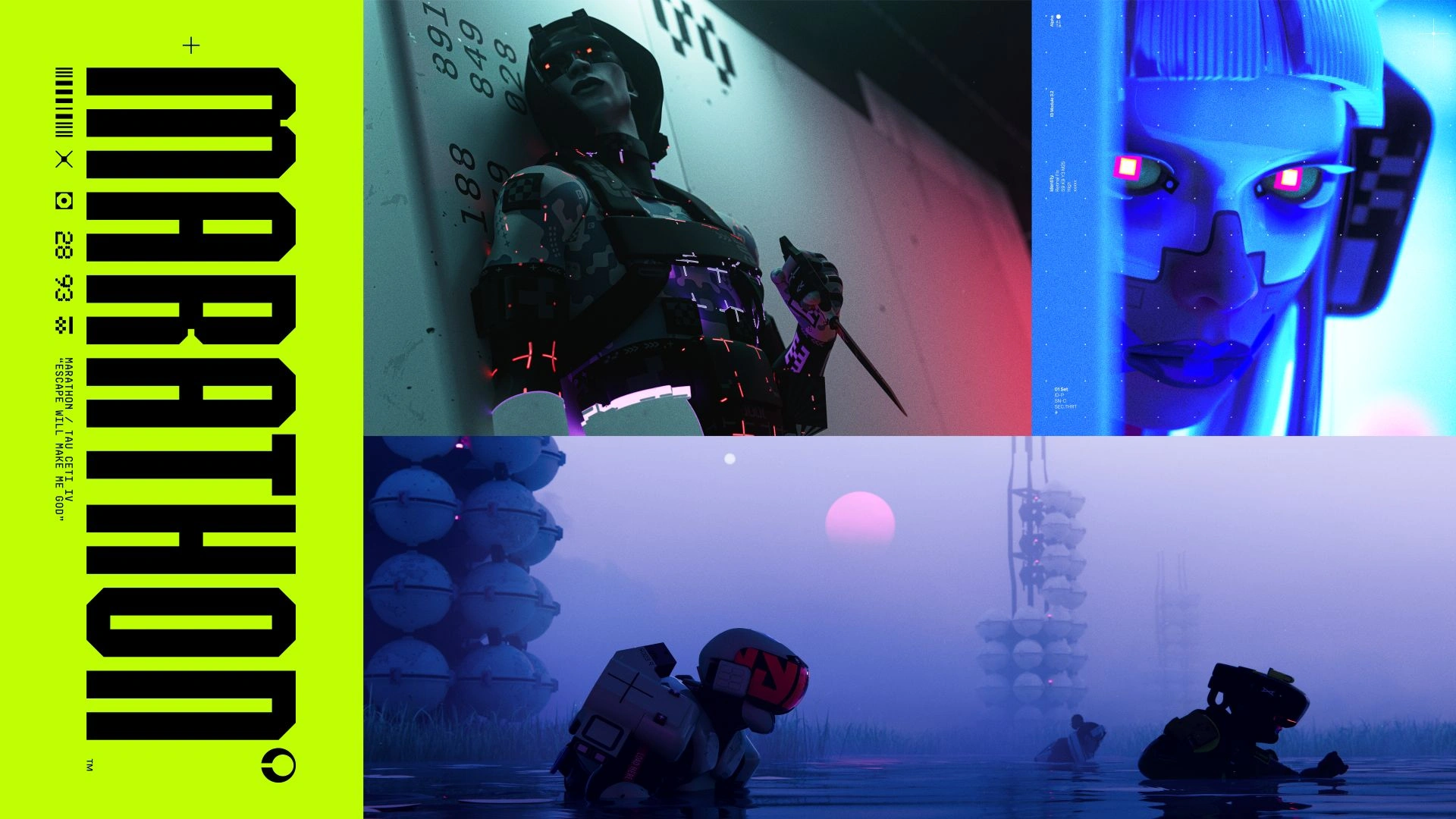

Marathon sends players to Tau Ceti IV, a dead record of human ambition orbiting a distant star. You play as a Runner, a disembodied consciousness loaded into synthetic Shells. Your labor serves rival corporations that want every remaining scrap of value from a failed colony.
The structure is pure extraction pressure. Each drop can erase everything you brought in. You enter with selected gear and weapons, then fight hostile robotic sentinels and rival Runners while hunting for loot. Escape requires reaching a matter transport beacon with your haul intact. Death destroys your Shell and strips away your equipment for good.
The world carries a cold, clinical mood through hard plastics, glowing circuitry, and a retro-future visual language. Its violence is driven by corporate appetite. You work as a freelancer in a system that treats human life as replaceable hardware. A successful run funds upgrades and better preparation. A failed run sends you back into a fresh Shell for another descent.
Synthetic Avatars and the Evolution of Archetypes
The split between player consciousness and physical body shapes the game’s main mechanical identity. You are a Runner, and you occupy a Shell. These Shells are bioprinted vessels tied to a process filled with moth-like imagery. Their look is artificial, delicate, and disposable. The familiar military-shooter class structure gives way to a hero-shooter setup. Each Shell grants active abilities, and those powers decide your tactical vocabulary during a raid.
The Vandal Shell suits players who want pressure and momentum. Its supercharged sprint and arm-mounted grenade launcher make it strong in direct fights. The Thief Shell plays from a quieter angle. It focuses on stealth, scouting, and resource theft. A traversal hook handles movement. An x-ray visor reveals valuable items. A robotic drone can steal loot from crates or from other players at range, giving the Thief a way to profit without committing to open combat.
The Assassin Shell uses invisibility and smoke grenades to reset positioning, turning a firefight into a tense hide-and-seek exchange. Support roles fill out the roster. The Triage Shell heals allies. The Destroyer works as a tank with deployable shields and rocket volleys. The Recon Shell specializes in reading threats before they collapse on you.
Solo players need to read these kits carefully. Some abilities lose much of their value without teammates. The Destroyer’s shield works better with allies behind it. The Triage Shell cannot bring back the player using it. Lone Runners tend to favor Recon or Assassin models because they help avoid bad fights and make extraction easier.
The Rook Shell is built for solo play and helps gear-poor players rebuild supplies. After several losses, it gives you a path back to profit. This choice layer resembles RPG class selection because the chosen Shell changes how you move through the environment, solve map problems, and judge risk.
High-Stakes Ballistics and Modular Warfare
Combat is fast, sharp, and punishing. The time to kill is extremely low, so a player with steady aim can end an encounter in seconds. Tension comes from that thin reaction window. Awareness matters as much as accuracy. Hearing an enemy before they see you can decide the fight. Shooting first gives a huge advantage. Shield quality changes your margin for error. Early shields leave little room to recover. Better gear gives a small cushion, yet invincibility never enters the equation.
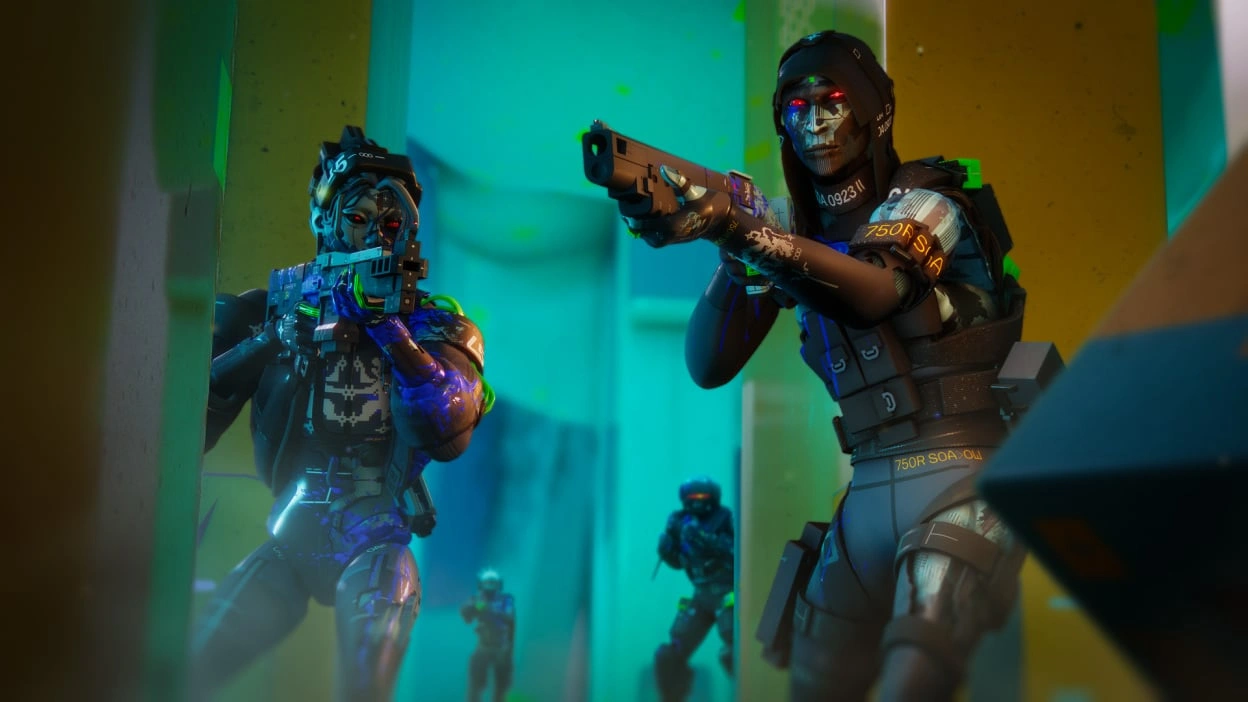
The arsenal has strong variety. A Bully SMG works for close encounters because it fires heavy rounds quickly. The V11 Punch energy pistol uses tracking rounds and can be charged for a high-damage shot. Shotguns are brutal in tight corridors. Weapon quality comes from modularity.
A gun gains rarity through the mods you install, which you can find during raids or buy outside them. The system supports deep customization while encouraging players to pick a base weapon they enjoy and improve it over time. The gunfeel is punchy, and breaking an enemy shield lands with clear physical satisfaction.
Gadgets and consumables matter too much to sit untouched in your inventory. A cardio kick or bubble shield earns its value through use. Flechette grenades can flip a desperate fight. Recon Shells use seeker bots to chase fleeing targets. These robotic spiders hunt enemies and explode. The survival lesson is direct: spend resources as you find them. Saving a buff for a later round can waste the chance to survive the current one.
The United Earth Space Council, or UESC, supplies a constant robotic threat. These AI soldiers guard points of interest and behave with enough player-like aggression to stay dangerous. They flank, throw grenades, and call out to one another to confuse you. Some can turn invisible.
Their role as a baseline hazard matters because they drain resources and create noise, which attracts other Runners. The threat curve rises from grunts to massive mech commanders. These enemies demand respect because they can kill a run as quickly as a human opponent.
The Motherboard Wilderness and Shifting Hazards
The visual style has a clear identity. It recalls Voodoo 2 box art from the nineties, with fluorescent colors, heavy decals, and environments that resemble giant computer motherboards. Buildings read like components. Tunnels and gantries feel like circuits. The look reinforces the idea of digital existence, where physical space and cyberspace sit close together. You feel like a ghost inside a machine, searching a dead world for whatever still has market value.
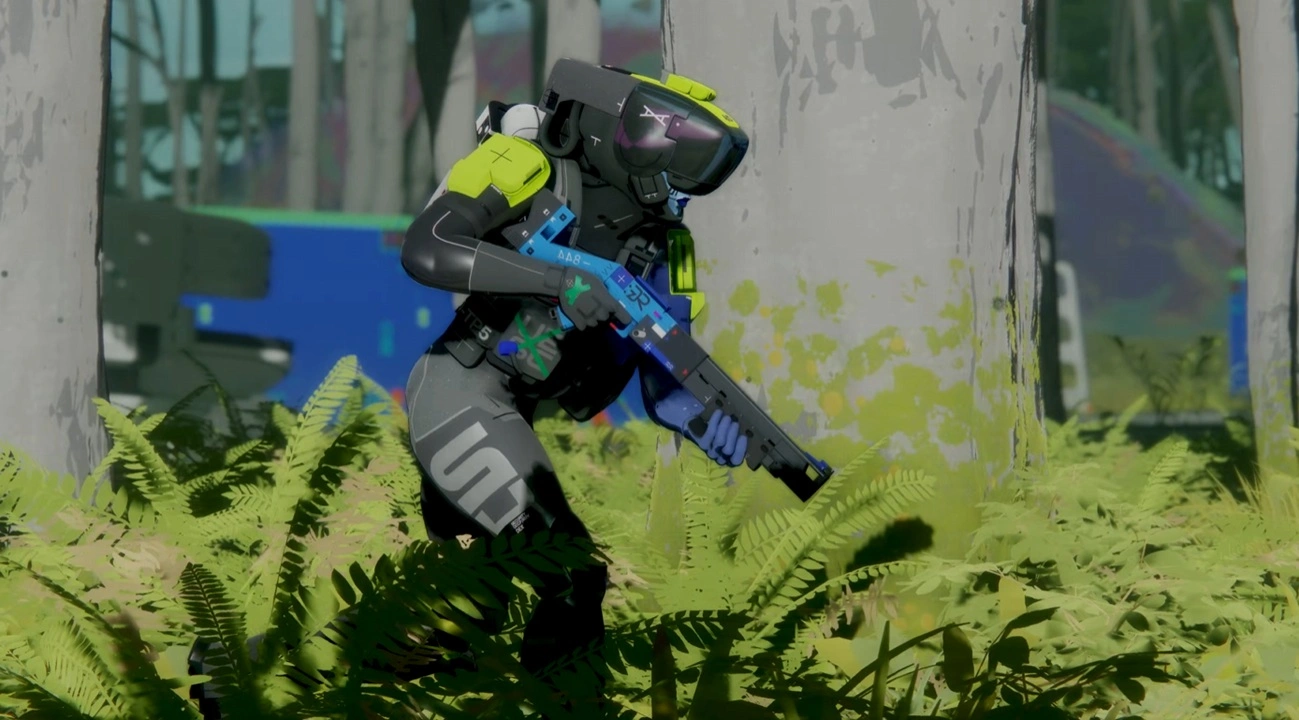
Difficulty rises as you move through the maps. Perimeter is the starting zone, and it is tight and claustrophobic. A giant Data Wall cuts through the map and funnels players into chokepoints, creating frequent early skirmishes. Dire Marsh opens the space with longer sightlines and a glowing anomaly in the middle. Its enemies are tougher, and the environment feels harsher. Outpost is a moody spaceport dominated by the Pinwheel Base. Moving through it rewards patience.
Environmental events keep extraction plans unstable. Lockdown events happen in Dire Marsh, where UESC ships appear to deliver high-value loot. Entering those cordoned zones requires specific consumables. Outpost features Heat Cascades that hammer outdoor areas with searing flames, forcing players indoors to survive. These systems disrupt clean routes and make you revise plans mid-run. A quiet extraction can turn into the fight you hoped to avoid.
The Cryo Archive serves as the endgame experience. It is an insertion shooter map that sends you into the UESC Marathon ship itself. The space works like a puzzle box with pieces drawn from complex raid design. You search for security clearances to open passages and gather batteries to power vault doors.
The halls form a maze of enemies and traps. Entry requires a high level and a valuable inventory. You must play in a team of three. The risk is severe, the rewards are the best in the game, and success demands coordination and skill.
The Bureaucracy of Extraction and Digital Factions
You work for powerful corporate factions. CyAc manages the AI systems. Arachne is a religious death cult focused on violence. SekGen manufactures the Shells. Each group has a distinct personality, and their AI representatives speak with cold, satirical detachment.
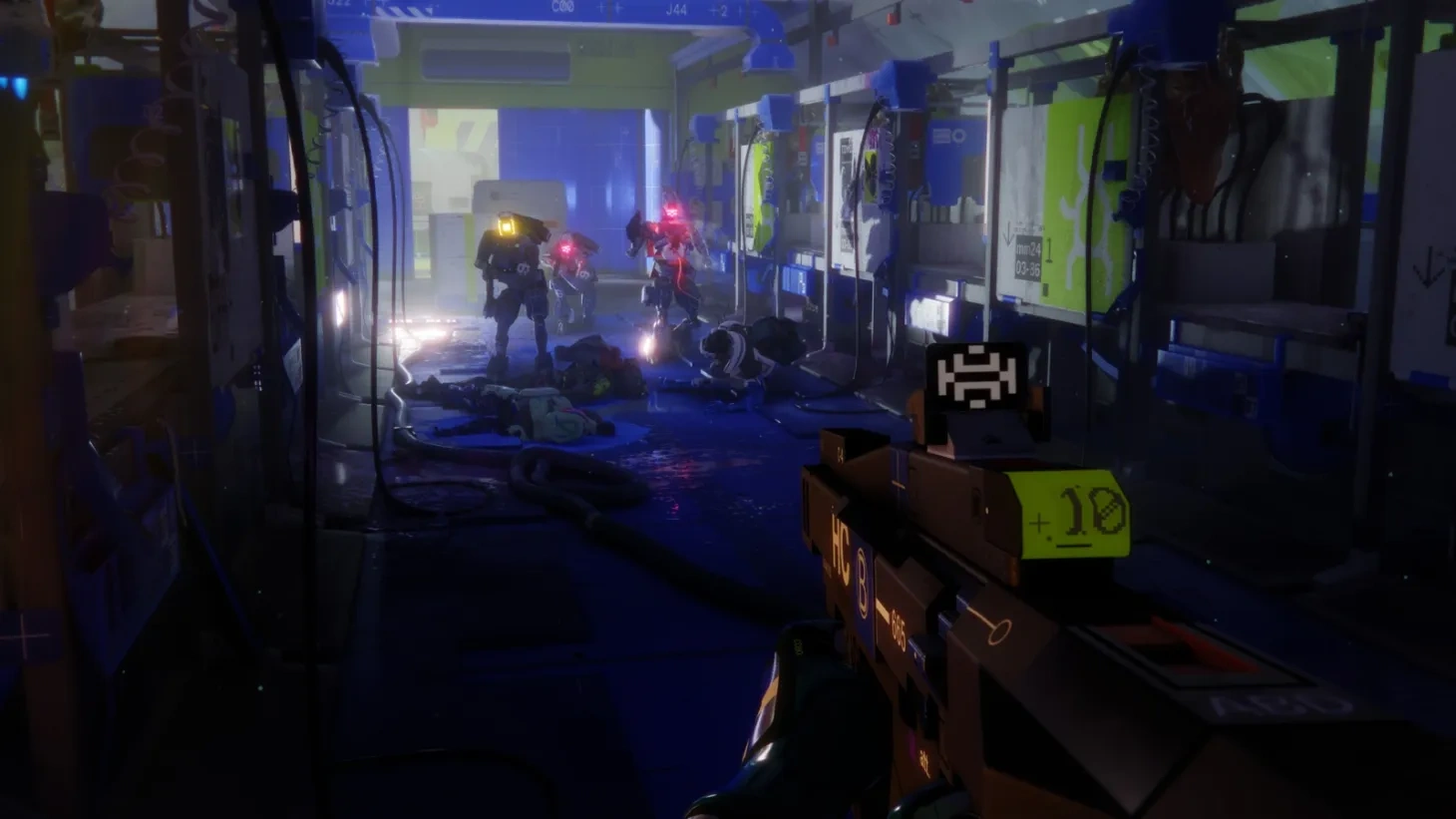
They treat you as a tool. Storytelling arrives through codex entries and faction contracts. Those contracts give you specific objectives and push you toward certain map areas while building the history of the failed colony.
Progression runs on reputation. Completing contracts unlocks nodes on upgrade trees. These trees grant passive buffs, letting you raise melee damage or improve fall resistance. Upgrades also add new shop items. Leveling a faction grants Care Packages filled with free gear and weapons. The system helps you recover from a losing streak because you can quickly assemble a new loadout. A wipe hurts, yet it does not freeze progression. You keep moving toward another upgrade or unlock.
The user interface carries a lot of weight. It is built from several layers of menus, with inventory, vault space, contracts, and upgrade trees all demanding attention. Moving through these screens can feel slow. Reading weapon mods during a raid is difficult because the information density is high. Some pieces feel inelegant. Automated item storage helps, and the generous vault space reduces the paperwork between matches.
Social dynamics shape the experience. Proximity voice chat lets you speak with rivals, negotiate truces, or form temporary alliances. Many players still shoot first. The competition is fierce. Duos mode gives smaller groups a cleaner way to handle the social pressure.
The setting presents a hyper-capitalist nightmare where you are a cog in a machine that makes money for machines. Human consciousness barely matters in the transaction. That theme runs through every system. You fight for scraps in a world that has already moved on. Success is counted in loot. Survival is the reward.
The Review
Marathon
Marathon is a sharp entry in the extraction genre. It succeeds through mechanical precision and a cold, corporate aesthetic. The tension of high stakes combat rewards tactical patience and situational awareness. The interface is dense. The solo experience is punishing. The depth of the Shell system and the modular weaponry provide a satisfying loop. It is a stylish, brutal examination of resource extraction. This is a formidable competitive shooter.
PROS
- Distinctive retro-future visual identity.
- Deeply customizable modular weapon system.
- Tense and satisfying gunplay.
- Strategic depth in Shell selection.
CONS
- Overwhelming and layered menu system.
- Unforgiving difficulty for solo participants.
- Steep learning curve for technical systems.