





























British Nigerian filmmaker Akinola Davies Jr has been named among 20 creatives selected for the 2025 BAFTA Breakthrough UK cohort, marking another milestone in a year that has already seen his debut feature My Father’s Shadow premiere at Cannes and dominate nominations at the British Independent Film Awards. The scheme, backed by Netflix, is designed to support emerging talent in film, games and television who are judged to be at a pivotal point in their careers.
BAFTA describes Breakthrough as its flagship new-talent programme, now in its 12th year, offering a year-round package of industry meetings, tailored career guidance, full voting membership and access to screenings and events in the UK and abroad. More than 330 creatives have taken part globally, with alumni going on to secure over 200 BAFTA nominations and more than 80 wins. BAFTA’s chief executive has framed the initiative as a way to help participants navigate what she calls the “often complex corridors” of the screen industries, while Netflix executives emphasise its role in building confidence and professional networks.
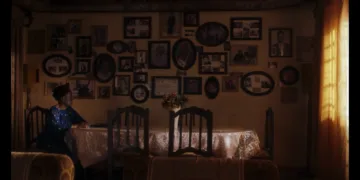
Davies enters the programme on the back of a rapid rise. My Father’s Shadow, co-written with his brother Wale, became the first Nigerian film selected for the Cannes official lineup, screening in Un Certain Regard and later leading the 2025 British Independent Film Awards with 12 nominations, including best film and best director. The British-Nigerian drama, set in Lagos on a pivotal day in 1993, has been praised for its intimate treatment of memory, grief and national identity, and is set for UK release in early 2026 after a Nigerian theatrical run.
According to his BAFTA profile, Davies’ breakthrough has been long in the making. He studied English Language and Media Studies at Brighton University, worked service jobs to fund early projects and spent years making shorts, documentaries and music videos that moved between Lagos and the UK. BAFTA notes that My Father’s Shadow has been selected as the UK’s official submission in the international feature race for next year’s Oscars, while Davies is also promoting a BBC-funded series about Black life outside London and developing a new feature with BBC Film. He describes Breakthrough recognition as an acknowledgement of “15 years” of graft that makes earlier sacrifices feel worthwhile and says he is “super-excited” about the access the scheme provides.
The 2025 cohort spans disciplines from costume design and casting to game development and documentary, reflecting BAFTA’s attempts to broaden who is seen as award-worthy talent. The programme also sits against a backdrop of scrutiny of the organisation’s record on diversity and social mobility: in recent years BAFTA has overhauled its rules after criticism of homogeneous nominee lists, while its chair has acknowledged there is still “a long way to go” on gender parity and access for working-class creatives. Advocates of Breakthrough argue that sustained mentoring and voting membership can help shift those patterns from within, even as wider industry structures remain under pressure.