





















Episode 5 of It: Welcome to Derry pushes Chris Chalk’s Dick Hallorann into the foreground as the HBO prequel finally unveils Bill Skarsgård’s Pennywise in full. The installment, “29 Neibolt Street,” aired on 23 November and interlocks the children’s storyline with the military operation hunting the creature beneath Derry, turning the hour into a key pivot for both Hallorann and the series.
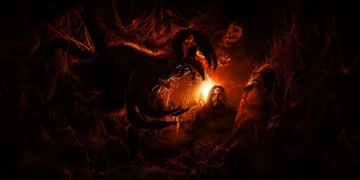
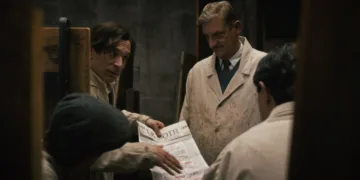
Showrunner Jason Fuchs has described the episode as the point where separate plotlines had to collide and where the threat from It needed to intensify. The story sends U.S. Air Force personnel and Hallorann into the tunnels at 29 Neibolt Street while the children are lured underground by a resurrected-seeming Matty Clements, who is revealed to be the entity in disguise before shifting into the familiar clown. In parallel, Pennywise manipulates Major Leroy Hanlon into nearly shooting his own son, a move Fuchs has framed as a deliberate attempt by the creature to weaponize familial bonds.
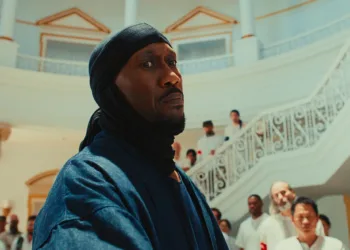
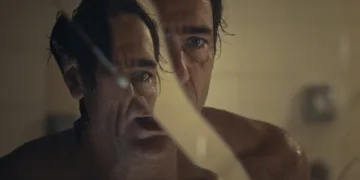
For Hallorann, the hour is defined by psychic collapse. Earlier episodes established this younger version as part of a secret Cold War project that tracks It, with his “shine” pressed into service for the military. Episode 5 breaks open the lockbox where he has hidden decades of horrifying visions, an idea borrowed from Doctor Sleep, turning his own mind into another battleground. Chalk has described the box as a place where his character has stuffed every terror he has witnessed, and says that once those memories spill out, the experience changes Hallorann permanently.
Chalk has also talked about starting from a harsher, more isolated Hallorann who is far away from the empathetic cook fans know from The Shining. He plays him as a man people “hate” at this stage, a figure hurting others, cut off from family, food and music, and only gradually moving toward the mentor figure audiences recognize. He has joked that he thinks of this season as “Dick Hallorann: The Unraveling,” a title that fits the character’s breakdown after the sewer mission.
In interviews, Chalk has linked the show’s supernatural horror to the real-world violence of the early 1960s, stressing that the production aims to be honest about racism, sexism and queerphobia without turning that history into spectacle. He sees Pennywise as a reflection of cycles of hate that societies refuse to confront, arguing that Derry stands in for a world that keeps repeating its worst habits. With three episodes left this season and two further periods in Derry’s history planned for future seasons, the creative team has signaled that Hallorann’s ordeal in “29 Neibolt Street” is only the beginning of a longer transformation.