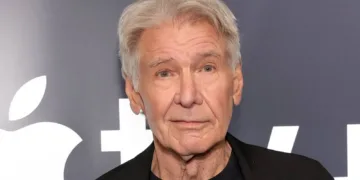





























Harrison Ford has intensified his long-running climate advocacy with sharp criticism of President Donald Trump’s environmental agenda, telling The Guardian that Trump’s “assault” on measures to address global heating “scares the s— out of me” and calling him among the worst criminals in history. Ford argued the administration governs by “whims,” accusing it of neglecting science while encouraging fossil fuel expansion. The remarks were highlighted by TheWrap after the interview published on October 31.
The comments arrive as the administration advances a series of reversals to federal climate policy. In January, officials framed a new push to “unleash” domestic energy production as a matter of prosperity and national security, emphasizing affordability and reliability. A Reuters account of the same day described plans to declare a national energy emergency and expand oil and gas output, steps environmental groups said they would challenge in court.
Subsequent moves have targeted regulations adopted in the prior administration, including a proposal to rescind limits on power plant emissions and to narrow the legal basis for federal greenhouse gas rules. Analysts warned the shift could slow emissions cuts from the electricity sector, though the policy is likely to face protracted litigation.
Ford’s intervention adds a high-profile voice to a broader debate over the direction of U.S. climate and energy policy in 2025. Supporters of the White House approach argue that prioritizing fossil fuel output lowers prices, strengthens the grid, and bolsters allies; critics say it weakens climate diplomacy and undercuts clean energy investment. Independent fact-checkers have noted the administration’s alignment with plans that seek expanded oil, gas, and coal production while scaling back federal support for green transition programs.
The actor, a longtime conservation campaigner, also struck a note of guarded optimism, saying he believes society can “buy time” through changed behavior and new technologies. Coverage of the interview underscores that Ford’s message pairs alarm over policy rollbacks with confidence that public pressure and innovation can still steer outcomes.