
























![Kingdom Hearts Collection [I-III] Review](https://gazettely.com/wp-content/uploads/2026/10/Kingdom-Hearts-Collection-I-III-1-360x180.webp "Kingdom Hearts Collection [I-III] Review: KHII Holds Steady as Newer Entries Fluctuate 37")



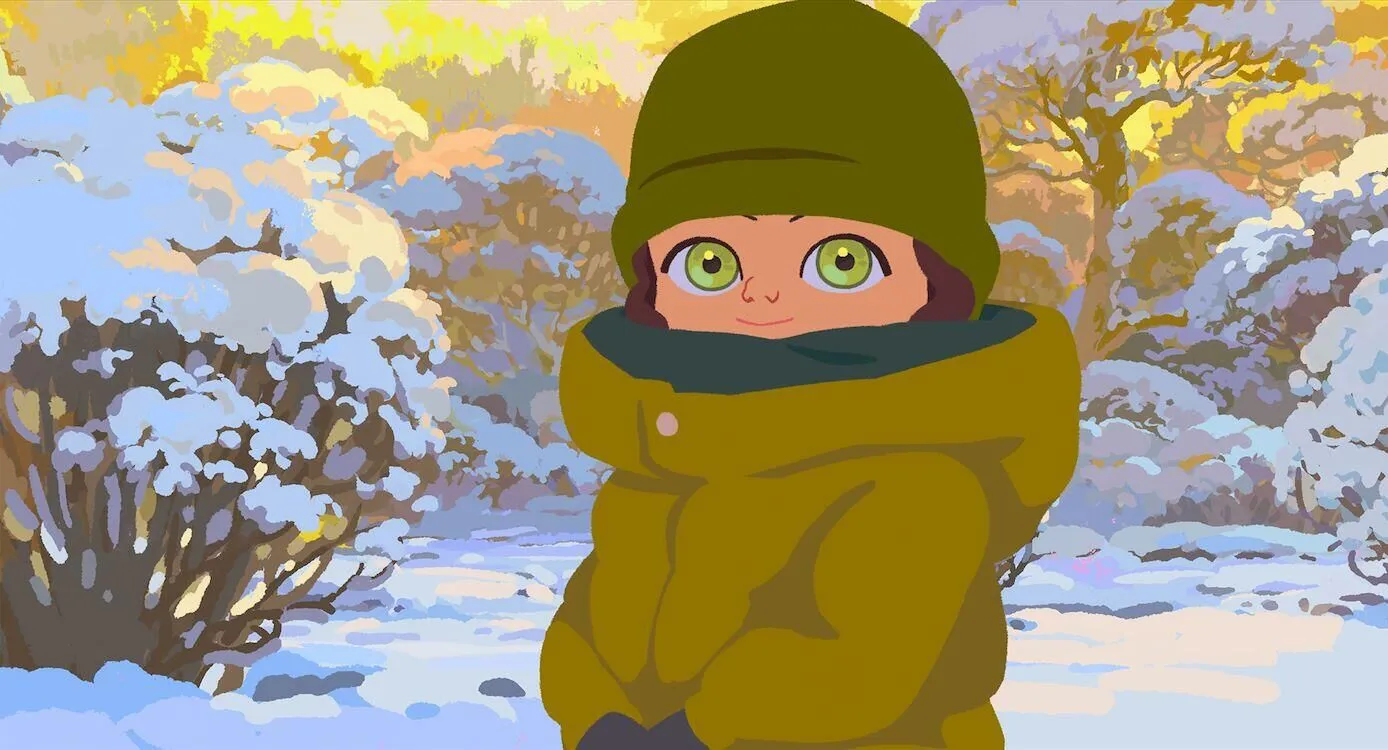

The filmmakers behind Little Amélie or the Character of Rain say their animated adaptation was built to honor a child’s way of seeing while trusting young audiences with difficult emotions. In a recent interview, directors Maïlys Vallade and Liane-Cho Han described crafting a hand-drawn 2D look inspired by sketchbook textures and quiet observation, mirroring the novel’s introspective tone. They said the story, drawn from Amélie Nothomb’s childhood in Japan, asked for scenes that move at a child’s rhythm and for moments that acknowledge fear, grief, and wonder without softening them.
The film premiered out of competition at Cannes in May and has since gathered momentum on the festival circuit, picking up the Audience Award at Annecy and the City of Donostia/San Sebastián Audience Award for Best European Film. Programmers cited its ability to balance meditative pacing with an accessible emotional arc. The filmmakers have said those responses encouraged them to resist brightening harsher beats, arguing that sincerity helps children process complex experience.
A U.S. rollout with an English dub has followed, paired with a limited theatrical release and a marketing push that highlights the film’s tactile aesthetic and music-driven mood. Public materials list a 77-minute running time and position the feature for family audiences willing to engage with a reflective coming-of-age perspective. Early U.S. coverage has emphasized the film’s emphasis on interiority rather than plot mechanics, and the distributors have leaned into word-of-mouth from festival screenings to broaden awareness.
The directors have pointed to specific craft decisions that shaped that reaction: a restrained color palette punctuated by sudden bursts of brightness, a camera that stays near the ground to keep scale aligned with a child’s height, and transitions that move by memory association rather than conventional cause-and-effect. In interviews, they framed these choices as central to translating Nothomb’s prose into visual language, with an aim to help viewers inhabit Amélie’s curiosity and her bond with Nishio-san. IndieWire’s conversation with the pair underlined how the adaptation balances fidelity to the book with a distinctly cinematic structure.







