

















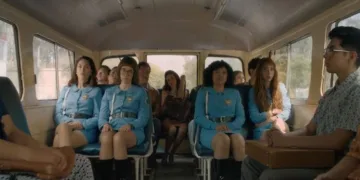











As Stranger Things rolls out its fifth and final season in three drops between Thanksgiving and New Year’s Eve — capped by a two-hour finale that will also screen in more than 350 theaters across the U.S. and Canada — Netflix is cashing in on a franchise that helped define its brand and now leaves a sizable gap to fill.
The 1980s-set sci-fi drama, rejected by several traditional studios before Netflix ordered it to series, grew from a risky bet on first-time showrunners Matt and Ross Duffer into a global hit. Season 4 drew 140.7 million views in its first three months and ranks among Netflix’s top English-language seasons.
Viewership has surged again ahead of the finale, with all four earlier seasons returning to the service’s Top 10 and logging more than 400 million hours watched in the first half of 2025, according to Netflix’s engagement data.
That audience translated into real money. Estimates from Parrot Analytics cited in Netflix’s own marketing materials peg Stranger Things at over $1 billion in global streaming revenue from 2020 through the second quarter of 2025 and roughly 2 million incremental subscriber sign-ups.
The show has also generated new business lines: a Broadway prequel, Stranger Things: The First Shadow; an upcoming animated series, Tales from ’85; touring “live experiences”; and permanent attractions planned for Netflix House locations.
Consumer products turned Hawkins into a lifestyle brand. Netflix-licensed Eggo breakfast items, Lego sets and apparel joined a flood of unofficial merch, while the series helped revive 1980s fashion trends and sent vintage tracks by Kate Bush and Metallica back up global charts. Netflix says the production has supported around 8,000 jobs in the U.S. and contributed roughly $1.4 billion to U.S. GDP, including about $500 million in California alone.
Also Read






Executives describe the series as a template for franchise building on streaming. Chief content officer Bela Bajaria has pointed to Stranger Things as proof that an original idea can grow into a major global franchise, while co-CEO Ted Sarandos has compared its cultural impact for Netflix to the role Star Wars played for movie studios. Industry analysts echo that framing, calling the show an “anchor series” that reliably boosts acquisition, retention and viewing whenever new episodes arrive.
The final season arrives at a pivotal moment for Netflix’s business. The company delivered record operating income and rising ad revenue in 2025, helped by price increases and steady engagement from flagship titles like Stranger Things, Wednesday and Squid Game. Some investors, however, have questioned how long that momentum can last as production costs climb and major series wrap.
Netflix is already trying to extend the Upside Down. A spinoff from the Duffer brothers is in development, and the company has tied Stranger Things into its broader retail and experiential push. At the same time, the Duffers have signed a four-year exclusive film and TV deal with Paramount, a reminder that Netflix must keep courting new creators even as it rides out one last visit to Hawkins.