
























![Kingdom Hearts Collection [I-III] Review](https://gazettely.com/wp-content/uploads/2026/10/Kingdom-Hearts-Collection-I-III-1-360x180.webp "Kingdom Hearts Collection [I-III] Review: KHII Holds Steady as Newer Entries Fluctuate 37")



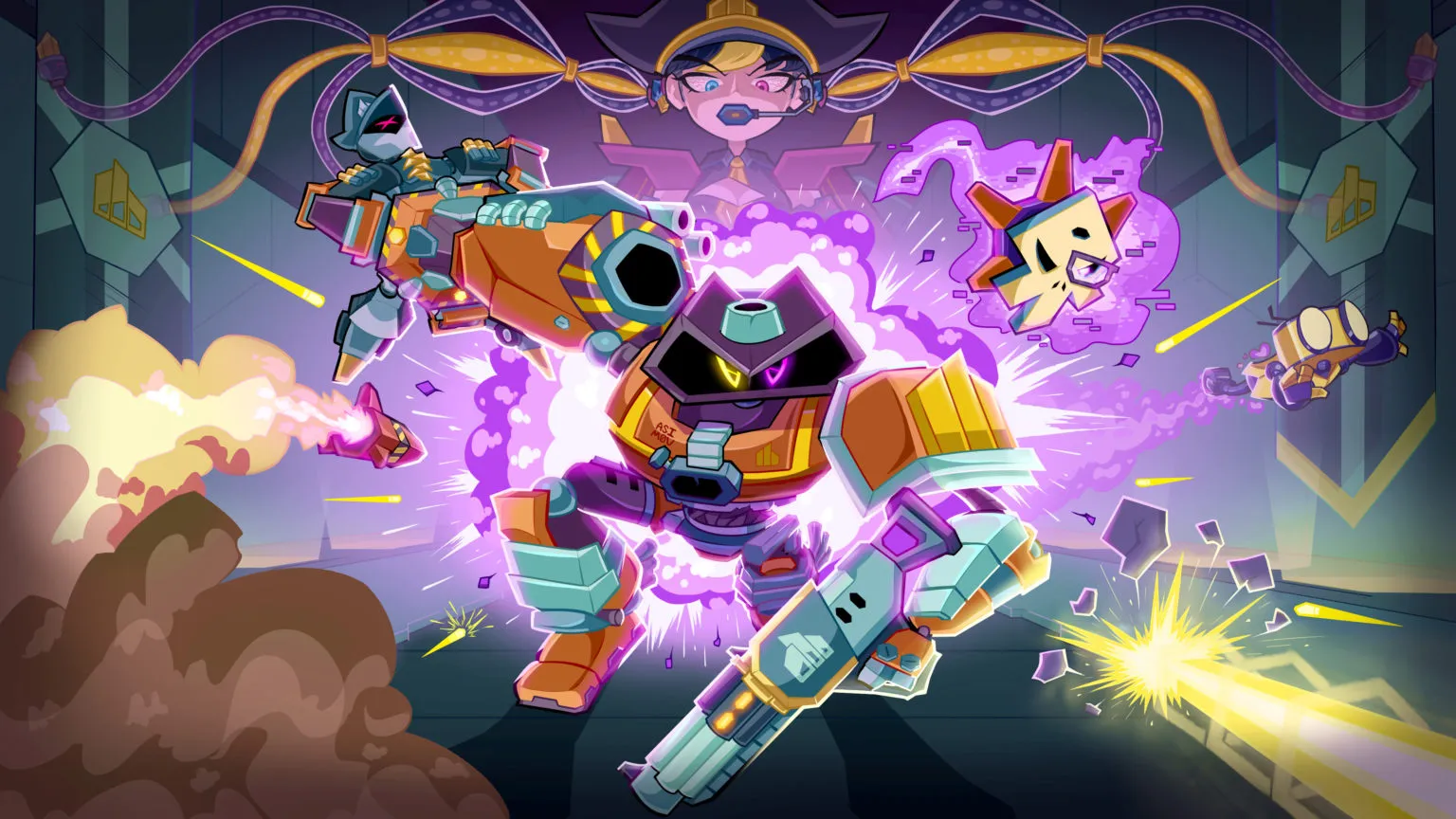

Rebel Engine frames a clear experiment in hybrid design. It splices the speed and aggression of a first-person boomer shooter with the precision and combo logic of character action systems. The premise reads like a design prompt: take Quake’s movement pace and pair it with Devil May Cry’s style tracking. That mechanical thesis sits inside Ultima City, a corporate state drawn in bold, comic inflections.
The plot follows Asimov, a robot forced into gladiatorial spectacle by the Concrete megacorporation. Freedom comes through a companion virus named Salvador, and the directive becomes revenge. Every obstacle between Asimov and the CEO, Entropy, turns into a target. The campaign climbs a corporate ladder across 8 to 10 distinct stages, a run of escalating firefights colored by a bright, acidic palette that gives the violence a striking look.
The Combo Crucible
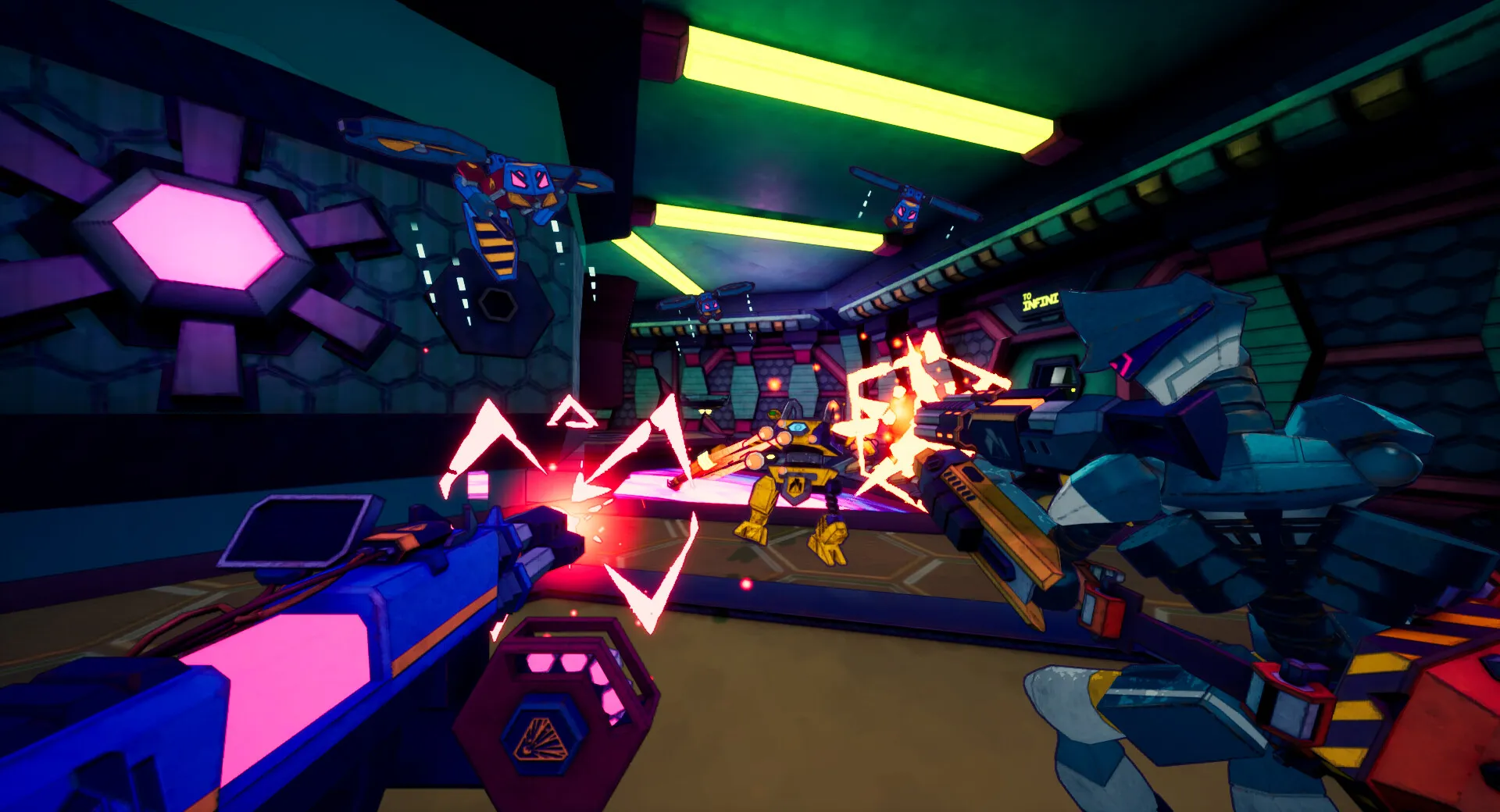
Combat expects decisive execution at high speed. Asimov carries a split toolkit: melee options such as parries, ground pounds, and uppercuts, and firearms like shotguns and railguns with limited reserves. Success depends on frequent swaps. Using one category restores resources for the other, so the loop rewards variety and forward pressure. The cadence encourages an intentional flow where the player rotates tools to sustain momentum.
That loop powers the Rebel Engine, the style meter that governs performance. The meter favors creativity. Repetition reduces returns and burns ammunition, while varied strings keep ranks climbing toward S and SSS. Those ranks matter because they trigger tangible perks. Passive regeneration of health and armor activates at higher ratings, a key survival factor under heavy damage. Consistent excellence also charges a Super that functions as a payoff for clean execution. The meter turns expression into defense and offense at once, which builds a risk and reward profile that invites mastery.
The match tempo rarely eases. Constant dashes, jumps, and a grappling hook form the positioning layer that sustains combos and keeps pressure on targets. The framework lands on demanding inputs and fast reads. Physical feedback, however, pulls against the intended impact. The soundscape hits with volume, yet contact often feels light. Melee strikes do not convey weight, and shotgun blasts rarely produce satisfying knockback. That shortfall softens the hit response that defines this style of action. The gap stands out during fights against armored enemies and bosses, where encounters drift into long attrition.
Enemy sets arrive with clear roles and weaknesses, which nudges loadout adjustment and ability choice. Presentation during boss sequences stands out, and the soundtrack sells the spectacle. Entropy’s theme is a high point. The same feedback gap still applies, though. A side effect of the systems appears during certain boss fights. Repeated melee pressure can overperform and reduce the need to rotate through the full kit, which undercuts the intended climax of a stylish duel. The separate R rank that appears in boss encounters helps. It removes the style threshold for health regeneration during those fights, which shifts focus toward pattern study and openings.
Narrative and Ergonomics
The script provides functional scaffolding for the set pieces. It frames a direct revenge arc against a corporate ruler. Character work steps up with delivery. The back and forth between Asimov and Salvador lands with timing and tone, adding a steady, grounded beat inside the chaos. Explorers can find secrets tucked through levels, and those fragments expand the setting with short world notes.
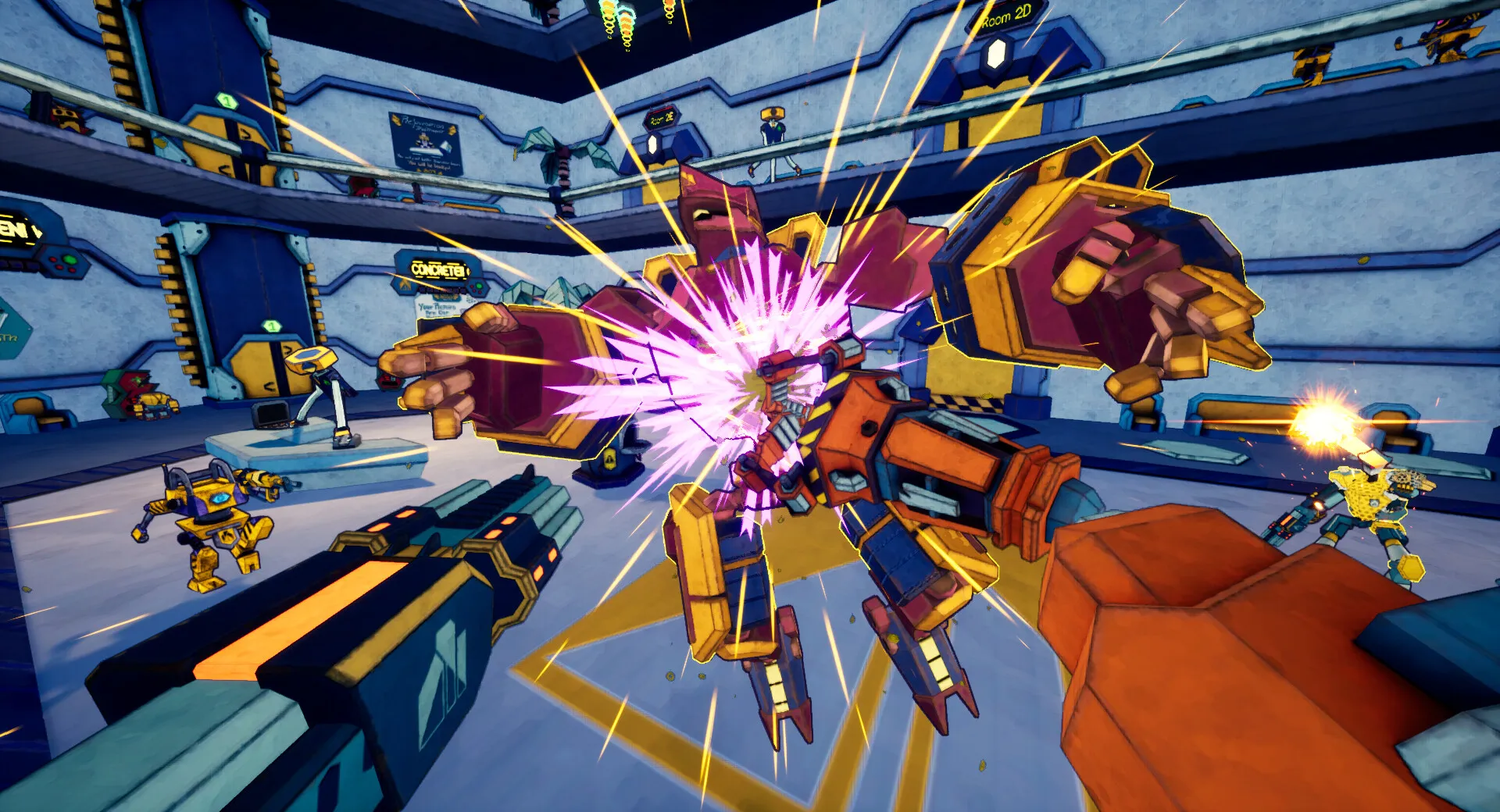
Visuals push a loud comic look. The color and line work create immediate identity and read well during quieter beats. Heavy action introduces strain. Effects and enemy tells can stack on the screen and muddy reads, which complicates awareness during the fastest stretches. Music lands cleanly with the pace of the game and gives major fights a strong pulse.
Controls ask for a wide reach. Managing melee chains, four firearms, movement, parries, and Supers on a controller taxes hand placement and timing. That load can slow execution and create friction during high-level strings. The developers provide Assist options to soften the edges. Super Armor is available. Players can modify game speed. The X Engine setting removes the requirement to hold high meter ranks for health regeneration. These toggles open the door for more players to reach the core loop and tune difficulty to taste.
Stability and Final Calculus
Technical state drags on the experience. Reports include frequent crashes and softlocks, enemies falling into geometry, and sound cutting during play. Save issues can lead to full level repeats, which breaks momentum. Players also encounter sharp spikes in difficulty and scenario designs that do not obey the environment, such as turret sections that ignore cover rules.
Rebel Engine shines through its combat sandbox. The mix of FPS velocity with character action structure creates a demanding space for style building. The loop of swapping, regenerating, and ranking delivers a clear path to expressive play. The hit response underdelivers and reduces satisfaction during contact, and the stability profile interrupts runs. For players who value deep, stylish execution and accept technical roughness and a steep control curve, the game provides a strong jolt of adrenaline tied to meter management, mobility, and precision.
The Review
Rebel Engine
Rebel Engine boasts a genuinely deep and rewarding combat loop, successfully fusing the velocity of retro shooters with demanding, combo-driven style mechanics. This mechanical depth is its greatest asset. However, the experience is severely hampered by poor physical feedback on hits and distracting technical instability, including frequent crashes. It is a brilliant but flawed machine, recommended for players who prioritize intricate systems and speed above all else, provided they can overlook its current lack of polish.
PROS
- Deep, versatile, and rewarding combat system.
- Excellent mix of FPS speed and hack-and-slash strategy.
- Charming character dynamic and good voice acting.
- Standout music and bold visual style.
- Helpful accessibility/Assist options.
CONS
- Significant technical instability and frequent bugs/crashes.
- Melee and gun hits lack satisfying physical impact ("oomph").
- Cumbersome control scheme for controller users.
- Unpredictable difficulty spikes.







