










![Kingdom Hearts Collection [I-III] Review](https://gazettely.com/wp-content/uploads/2026/10/Kingdom-Hearts-Collection-I-III-1-360x180.webp "Kingdom Hearts Collection [I-III] Review: KHII Holds Steady as Newer Entries Fluctuate 33")




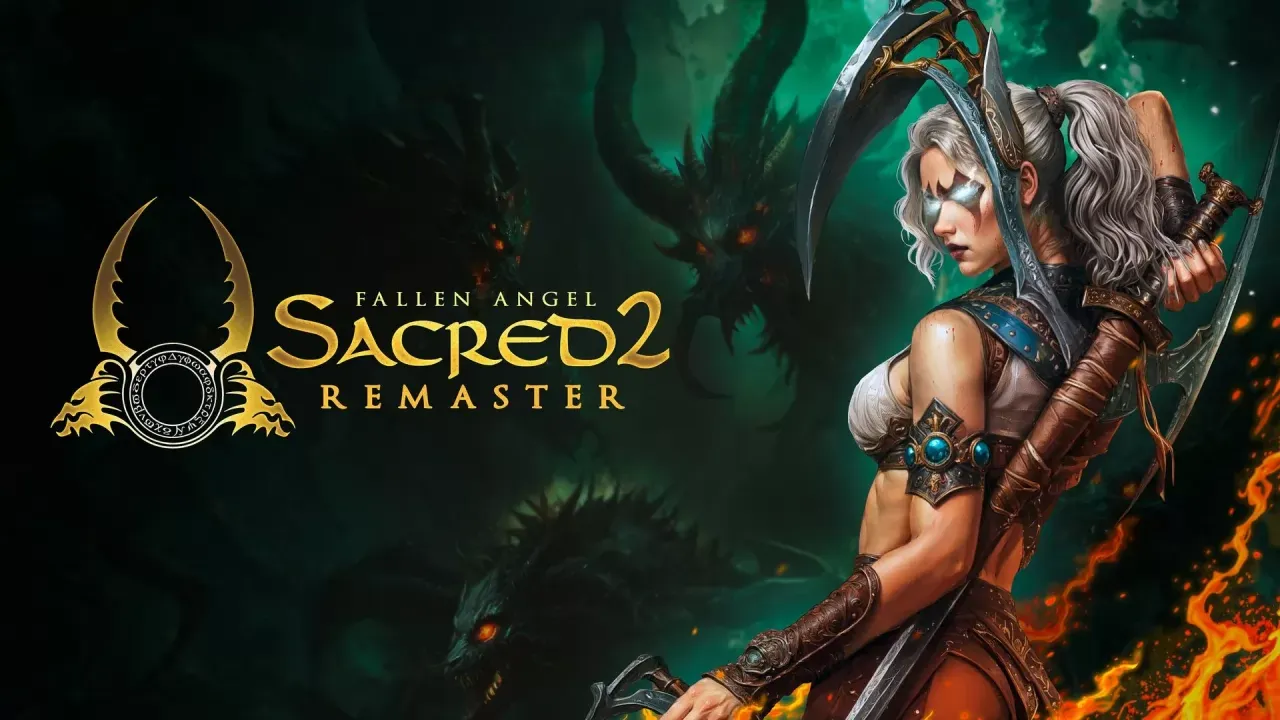

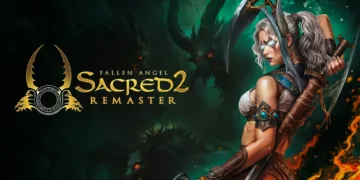
Sacred 2 Remaster arrives as a modern re-release of the 2008 isometric Action RPG Sacred 2: Fallen Angel. The package includes the Ice & Blood expansion and functions as a definitive compilation of the original content. The action takes place in Ancaria, a large fantasy world under strain. The Seraphim have stepped back from power, and the High Elves now compete to control T-Energy, a potent magical resource with corrupting effects.
Players choose an allegiance to Light or Shadow. This choice changes major beats in the campaign and the end goals. The remaster preserves the classic ARPG approach and adds high resolutions, clearer interface elements, and native controller support. The core question is whether these small upgrades meaningfully reframe a game known for ambition and technical rough edges.
World Scale and Quest Saturation
Sacred 2’s standout quality remains scope, a trait that distinguished it from contemporaries like Titan Quest. Ancaria spans a gigantic open world built without loading screens between distinct biomes. The map reaches across broad surfaces and stacked elevations, with underground spaces that invite extended exploration. This size carries a cost in travel time.
The game lacks fast travel, so mounts become a practical requirement for crossing long distances. Content volume is substantial. Hundreds of side quests appear across the map. The main story runs around 30 hours, and a full clear can exceed 150 hours, placing the workload near early MMORPG territory.
The content model reflects an old-school structure. Side activities lean on fetch tasks and repeated kill-count objectives, which suit a relaxed, low-focus grind. The loop resembles the cozy action grind that some players value today.
Sacred 2 sets a different tone from the darker mood of the Diablo series. The world favors lighthearted, self-aware humor, from playful epitaphs to oddball quest lines. The Blind Guardian appearance, along with the “Sacred Worlds” quest and song, gives the game a distinct, winking identity. The pairing of expansive high fantasy and persistent, quirky comedy remains a defining trait.
Deep Systems, Imprecise Action
Character building offers significant depth. Players select one of seven starting classes, including the Seraphim, High Elf, and Shadow Warrior. Class allegiance can link to campaign alignment. The Seraphim and Inquisitor tie to Light and Shadow campaigns, which reinforces role-playing choices.
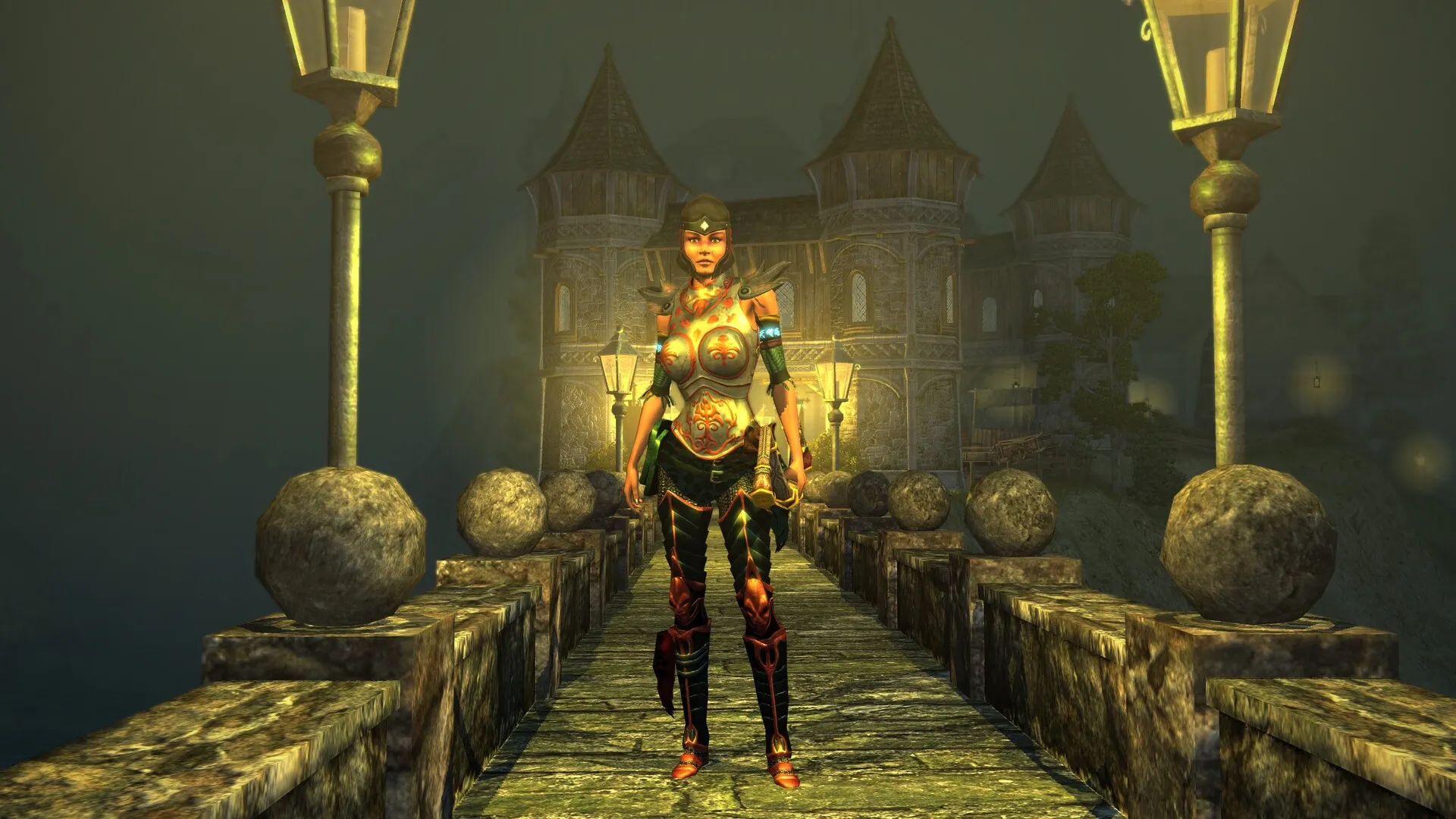
Progression layers include runes, elemental weaknesses, and weapon upgrade paths. The breadth sits on par with modern ARPG systems. The game provides limited instruction for these layers, and new or returning players can feel uncertain about effective builds.
Combat reflects an older design tradition. A prominent hit-chance system introduces frequent misses, which interrupts combat rhythm. Feedback from successful hits often feels soft, which creates a sluggish, unsatisfying cadence.
The game centers on Combat Arts. Each skill sits on its own cooldown, which encourages a quick rotation pattern instead of a single mana pool drain. Input challenges remain. Clunky controls and unreliable hit detection carry forward into the remaster. Precise targeting and consistent inputs remain difficult.
Preservation versus Modernization
The technical approach emphasizes preservation. Visual improvements are limited. The game supports 4K and features cleaned-up textures, yet sharper assets can accentuate age. Angular models and stiff animations read clearly at higher resolution, and lighting inconsistencies can flatten an otherwise colorful world. Compared with the full visual overhaul of Diablo 2: Resurrected, this effort reads as a light upscale.
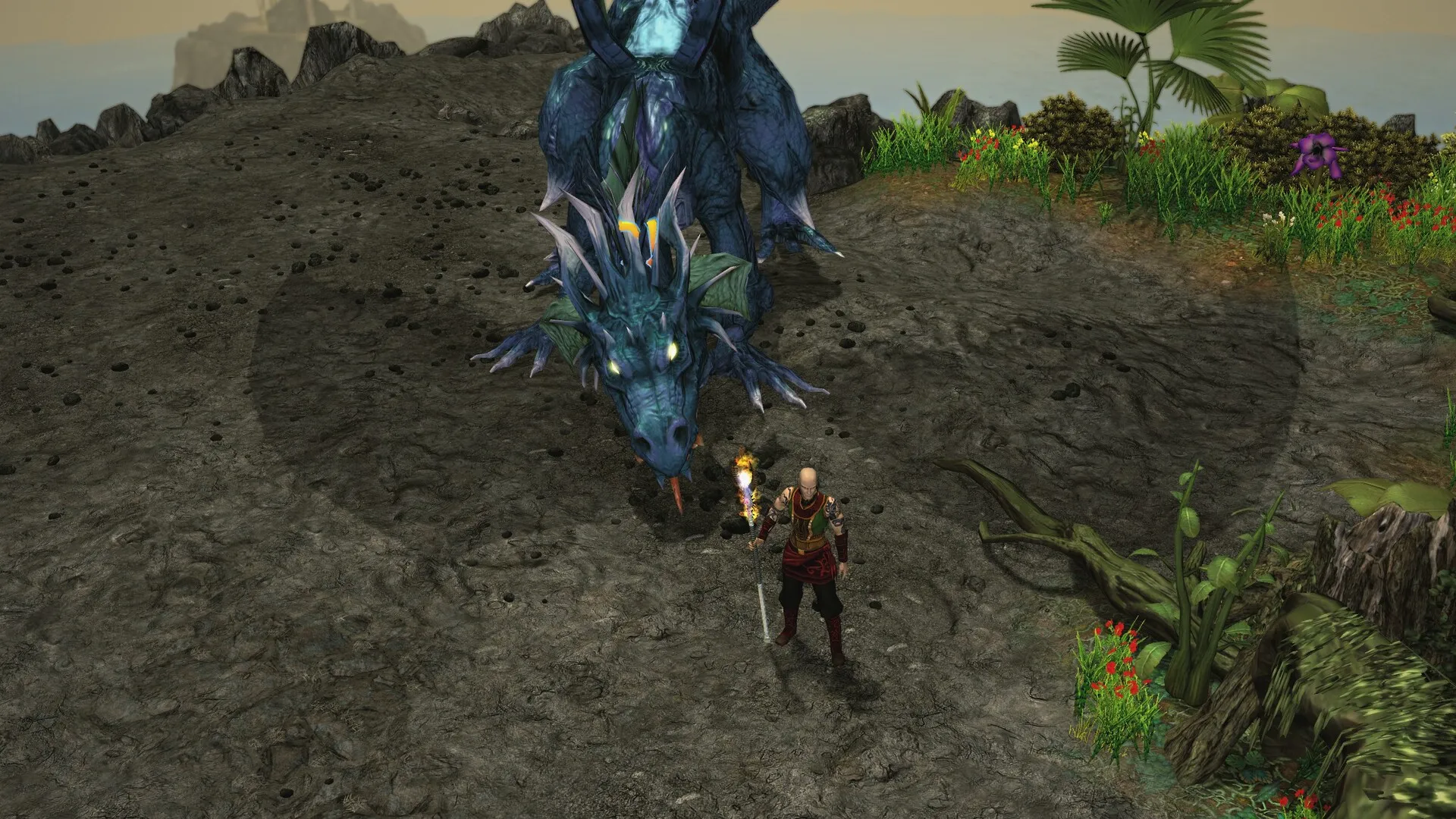
Stability improves with integrated community fixes and produces a steadier experience than the 2008 release. Stability does not reach perfection. Bugs still occur. Crashes appear, with merchants noted as a frequent trigger, and control latency persists.
Writing and voice delivery remain identical to the original. The hammy performances and cheesy lines match the game’s ironic spirit and can also feel jarring. The most practical upgrade is the user interface. High-definition text improves legibility. Inventory and trade windows still feel awkward to use. Console play inherits an unintuitive controller layout that complicates item management and menu navigation.
The Review
Sacred 2 Remaster
Sacred 2 Remaster successfully preserves the colossal scope and deep character systems of the original 2008 ARPG. It offers hundreds of hours of grinding in a cheerfully quirky world, making it ideal for nostalgic fans. However, the limited visual upgrades and the retention of the original's core flaws—clunky combat, poor hit detection, and persistent technical instability—prevent it from competing with modern genre titles. This is a restoration project aimed squarely at the old guard, less a true update for new players.
PROS
- Gigantic, seamless open world
- Deep, customizable progression systems
- Distinctive, quirky humor and tone
- Comprehensive content package (includes DLC)
CONS
- Clunky and imprecise combat mechanics
- Persistent technical bugs and crashes
- Minimal graphical and animation updates
- Repetitive "fetch quest" side content