




























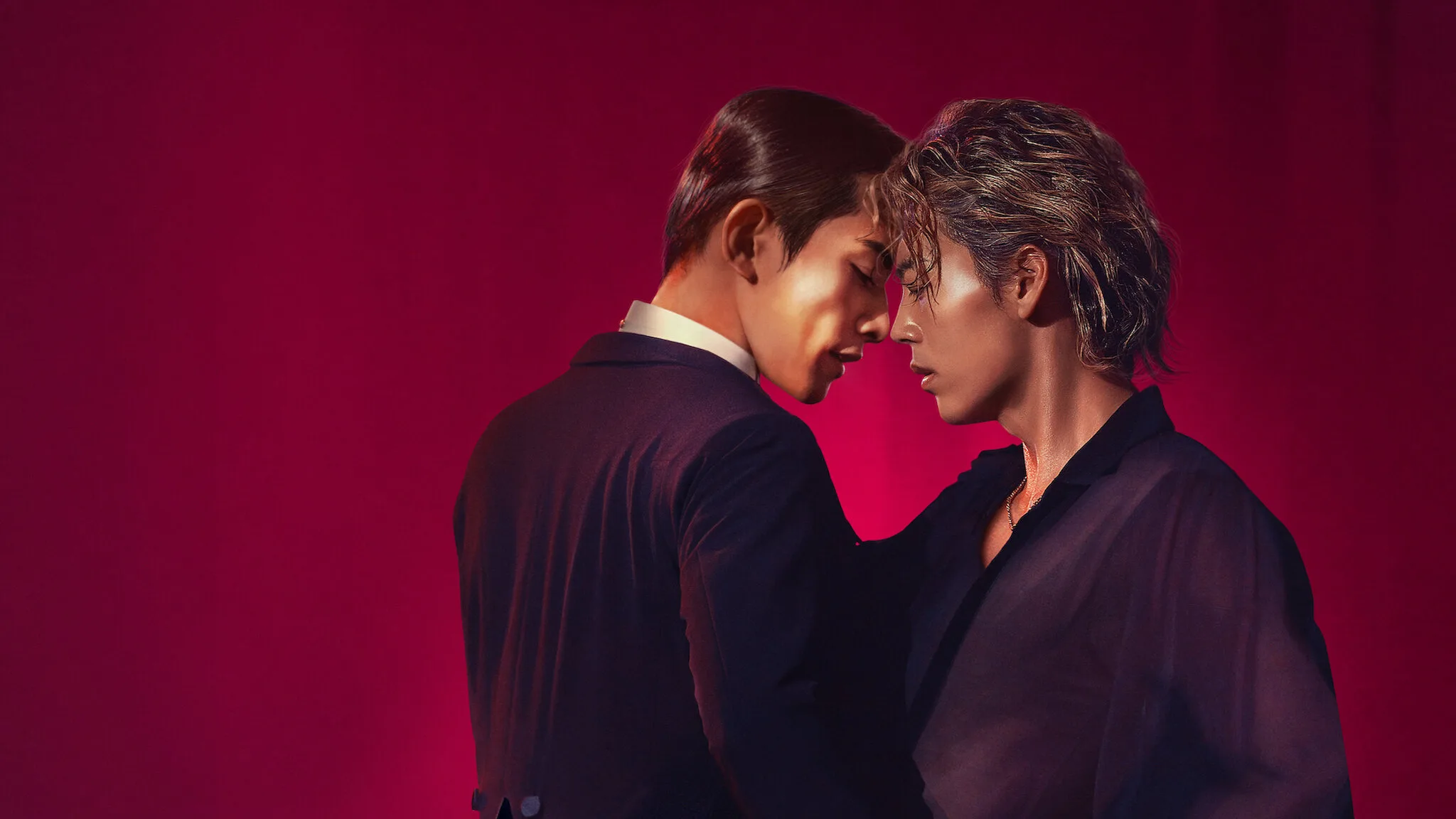

Keishi Otomo applies a measured touch to 10DANCE, a live-action feature adapted from the manga by Inouesatoh. The plot follows Shinya Suzuki and Shinya Sugiki, two elite performers at the top of their fields. Suzuki holds Japan’s Latin dance title while Sugiki is a world-class specialist in standard ballroom.
They come together for the 10-Dance competition, an exhausting contest that asks dancers to master ten distinct styles. To prepare, they agree to trade skills and teach one another what each lacks. That professional arrangement slowly deepens.
The film begins with the tension of a sports drama and then becomes a quiet study of two men negotiating a growing connection. The physical demands of waltz or rumba become a bridge between lives that seem to pull in different directions. The movie records intense training sequences while letting romantic tension simmer under the surface of their athletic aims.
The Physics of Attraction
The chemistry rests on a clear difference in temperament and approach. Sugiki is meticulous and controlled, fitting the rigid expectations of traditional ballroom where exact finger placement matters. Suzuki works by instinct with a boisterous energy that often ignores the rulebook in favor of emotion.
Ryoma Takeuchi and Keita Machida give physically convincing performances that go beyond mimicry. They inhabit these roles with poise and muscle control that sell their status as professional competitors. Movement carries much of the story, communicating pride and hesitation with each step.
Fusako Yagami and Aki Tajima, the female partners, supply essential emotional grounding. They do not exist as background figures; they challenge the leads and illuminate internal struggles. Tajima functions as a blunt force of truth that exposes Suzuki’s pretenses. The film treats leading and following as a metaphor for the central relationship.
Also Read






For Sugiki, surrendering control is a major hurdle that mirrors his emotional walls. Suzuki must learn restraint to meet his counterpart halfway. This dynamic creates earned vulnerability through sweat and repetition. Watching two dancers negotiate who leads on the floor gives a clear view of how they open up in private. A hand on a hip or a weight shift expresses more than many spoken lines.
Precision Behind the Lens
Otomo resists chaotic editing common in some modern dance pictures. He favors clean compositions and controlled lighting that highlight ballroom elegance. The cinematography prefers long takes so the audience can appreciate choreography and the physical effort behind it.
Energy alters noticeably when locations shift from the quiet rehearsal studio to the glare of the competition floor. Rehearsal spaces read as intimate and worn-in while ballrooms look grand and impersonal, which throws the pressure these men face into relief.
The script allocates substantial time to technical explanations. Those details add authenticity but at moments slow narrative flow by emphasizing theory over action. Production design matches a high-society aesthetic with fine tailoring and polished surfaces. Music acts as a steady pulse, building tension during demanding routines.
It reminds me of the focused atmosphere of a professional studio where every beat matters and a single misstep can ruin a performance. Sound design matches the visual polish, recording shoe scuffs and heavy breathing to anchor glamour in tactile reality. Otomo uses the camera like a silent partner on the floor, moving with characters rather than standing apart.
Masculinity and Slow Burn Rhythms
Romance grows at a patient, slow-burn pace that keeps professional boundaries intact. Most intimacy appears in the silences between steps and the lingering contact during practice. The film examines different expressions of masculinity through its leads. Sugiki appears as a restrained gentleman, a stoic figure who struggles to display desire.
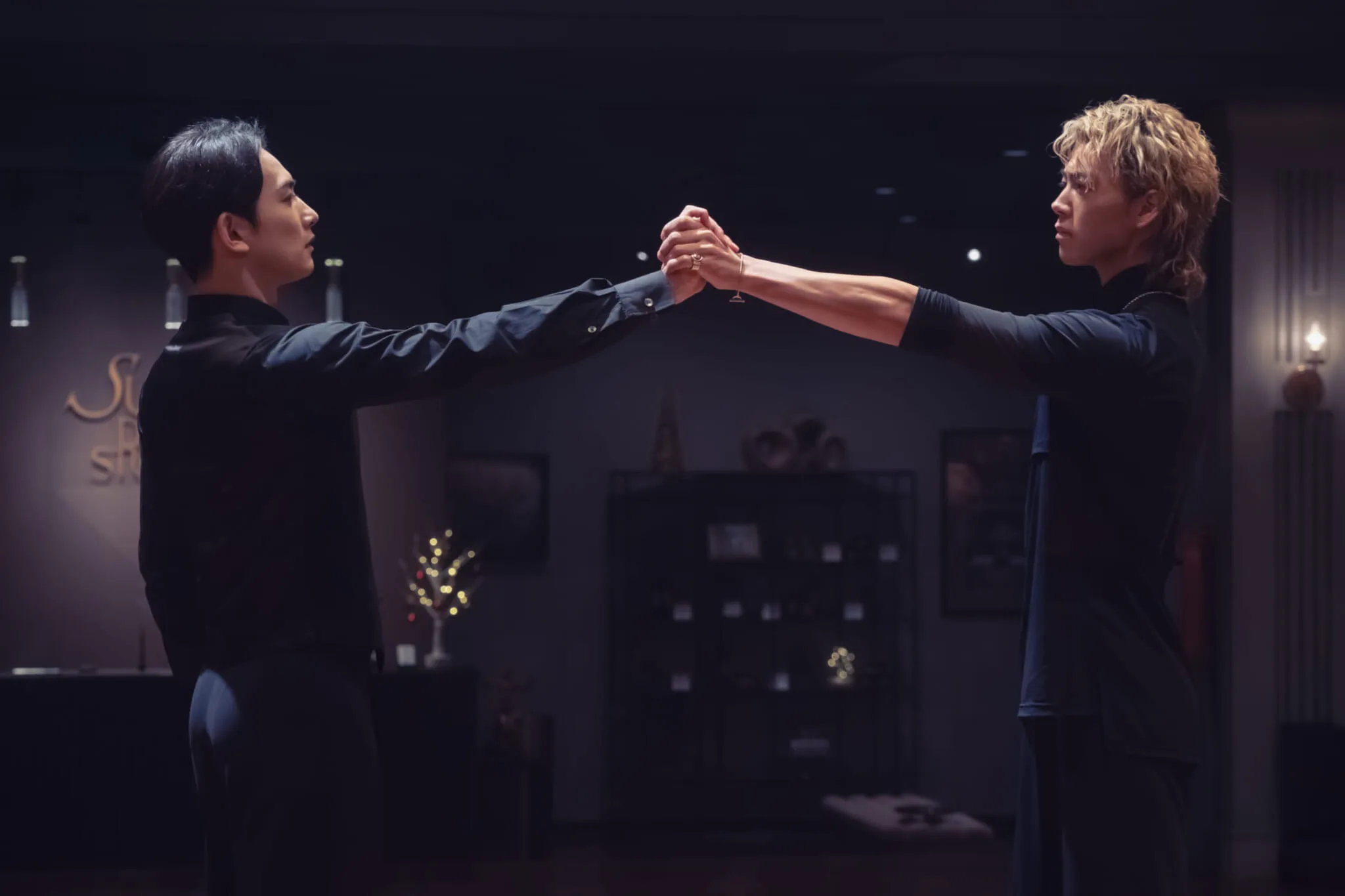
Suzuki projects raw, expressive power while carrying insecurities about his place in an art form that often privileges European standards over his own approach. Their clashing ideals reflect questions about identity and expectation inside a strict artistic hierarchy.
The movie offers quiet commentary on ballroom tradition and the challenges faced by those outside its conventions. A two-hour runtime gives these themes room to breathe, though the chaste treatment could feel cautious to viewers seeking a more explosive payoff. Certain supporting subplots, such as Sugiki’s past with Yagami and his bond with a mentor, remain unresolved.
That leaves the impression of a beginning rather than a fully contained arc and creates a desire for more depth in the final act. Even with those gaps, the central bond drives the film. The strength appears in how the two men lower defenses and use dance as a language for what they will not say aloud. By the final frame, victory registers less as a trophy and more as the mutual respect and recognition they grant one another.
10DANCE is a Japanese romantic drama that premiered globally on Netflix yesterday, December 18, 2025. Directed by Keishi Otomo, who is widely recognized for his work on the Rurouni Kenshin franchise, the film is a live-action adaptation of the popular Boys’ Love (BL) manga by Inouesatoh. It centers on the intense rivalry and budding romance between two champion dancers from different disciplines who must train together to master ten distinct styles for an grueling competition. You can currently stream the film exclusively on Netflix.
Full Credits
Title: 10DANCE
Distributor: Netflix
Release date: December 18, 2025
Rating: TV-MA
Running time: 126 minutes
Director: Keishi Otomo
Writers: Keishi Otomo, Tomoko Yoshida, Inouesatoh (Original Manga)
Producers and Executive Producers: Yoshihiro Sato, Takako Miyauchi, Kota Ishizuka
Cast: Ryoma Takeuchi, Keita Machida, Shiori Doi, Anna Ishii, Shinya Hamada, Oshiro Maeda, Nadiya Bychkova, Pasquale La Rocca
Director of Photography (Cinematographer): Tatsunosuke Sasaki
Editors: Tsuyoshi Imai
Composer: Naoki Sato
The Review
10DANCE
10DANCE is a film of high-gloss surfaces and hidden depths. Keishi Otomo successfully trades the swordplay of his past hits for the sharp, rhythmic violence of competitive ballroom. While the technical obsession with dance theory occasionally stalls the narrative engine, the physical chemistry between Takeuchi and Machida remains electric. It is a work of immense discipline that captures the agony of perfection, even if it hesitates to fully bridge the gap between its two leads. For those who appreciate the grueling beauty of the human form in motion, this is a striking, if somewhat unfinished, symphony.
PROS
- Masterful physical acting that mimics years of professional training.
- Clean, deliberate cinematography that treats the human body like architecture.
- Female partners act as vital emotional anchors rather than mere accessories.
- Grounded, realistic depiction of the sacrifice required by elite athletes.
CONS
- Script gets bogged down in technical minutiae at the expense of pacing.
- Subplots feel like loose threads left for a sequel that hasn’t arrived.
- The emotional payoff feels too quiet after such intense physical buildup.
- Two-hour length stretches the middle section thin.