


















![Kingdom Hearts Collection [I-III] Review](https://gazettely.com/wp-content/uploads/2026/10/Kingdom-Hearts-Collection-I-III-1-360x180.webp "Kingdom Hearts Collection [I-III] Review: KHII Holds Steady as Newer Entries Fluctuate 40")
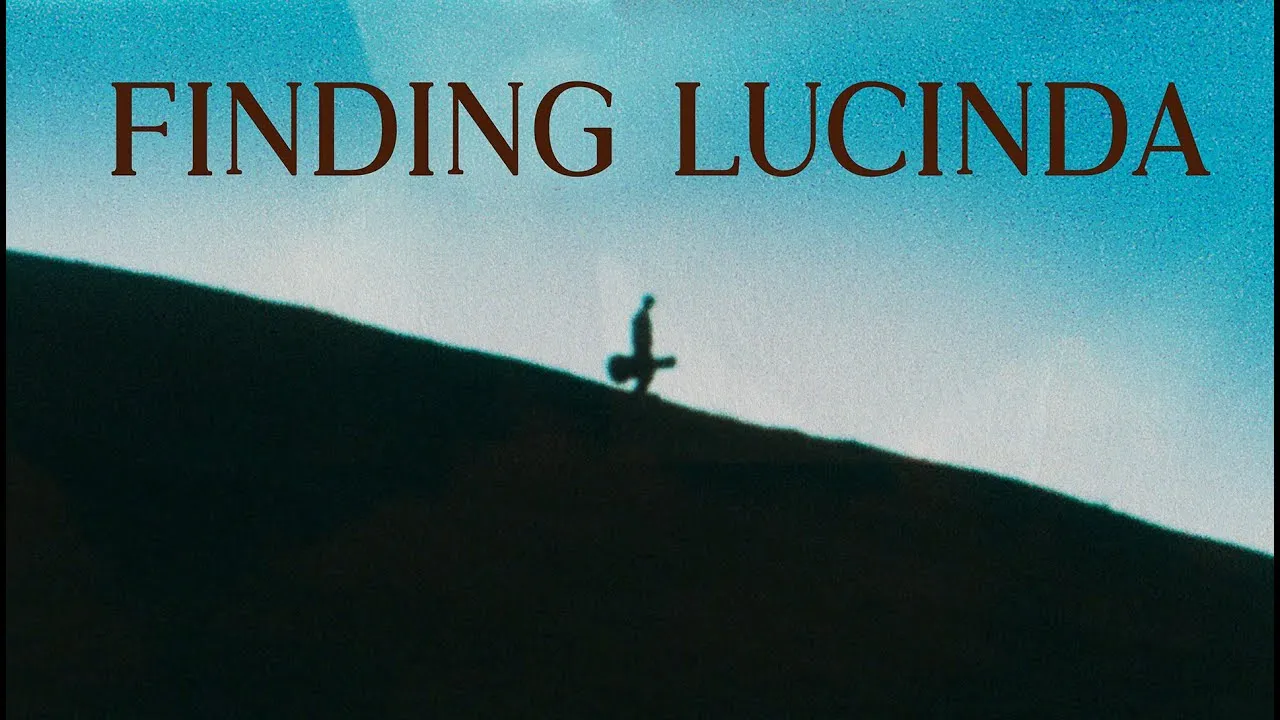

The documentary Finding Lucinda introduces Avery Hellman, a musician performing as ISMAY, living a quiet life as a California sheep farmer. Hellman reaches a creative crossroads, carrying deep doubt about the viability of a musical career. Seeking an answer to that crisis, Hellman sets out on a pilgrimage through the American heartland, driving a pickup truck across Texas and Tennessee.
The purpose is to trace the early professional steps of Lucinda Williams, a major figure in folk and country music. The trip becomes a physical expression of an internal search for purpose. The film keeps a sincere tone rooted in Southern regional traditions, treating the need for artistic validation as an active conversation with the past. By studying a hero’s beginnings, Hellman tries to learn what endurance looks like inside a demanding industry. The framing links land to song, shaping a world where each mile suggests movement toward clarity.
The Weight of Creative Heritage
The film tracks the pull between rural isolation on the farm and the public exposure required of a performer. Hellman carries a particular kind of vulnerability, speaking openly about doubts in their own work. That doubt expands into a wider question about fame and invisibility, and why certain artists become legends as others fade into obscurity.
The documentary takes a humble approach to the “why” of creativity, sidestepping the self-mythologizing posture that often comes with road narratives. Hellman admits a fear of lacking the substance needed to succeed, a feeling many artists recognize and few articulate with this level of clarity.
Lucinda Williams functions as a guiding star, and the film keeps an eye on the risks that come with that role. The act of attaching meaning to an icon can slide into hero worship, and the documentary asks what answers a student can realistically expect from an idol. The journey carries a quiet pressure because an eventual meeting comes with real stakes, including the possibility of disappointment.
In that space, the search for a voice becomes a study of identity. The film treats authenticity as a global experience that travels across artistic disciplines, even as its images and music stay grounded in specific places. Hellman’s candor invites viewers to measure their own pursuits of meaning against the film’s steady insistence that seeking itself carries value.
Mapping the Southern Soundscape
Visually, the documentary uses a palette that matches the textures of the music it celebrates. Grainy archival material sits beside contemporary footage of landmark locations, creating a feeling of time folding in on itself. The production visits sites such as Anderson Fair in Houston and Malaco Studios in Mississippi, filming them like sacred rooms in the Americana tradition. These spaces take on a presence of their own, offering history as something you can stand inside, not simply recite.

Interviews and encounters with figures including Charlie Sexton, Buddy Miller, and Ray Kennedy add professional memory to the film’s record of place. A key moment comes with Mary Gauthier, who gives a blunt view of the creative process. She argues for courage in expression, the nerve to say what scares you. She also warns against settling into comfortable imitation of predecessors.
The advice redirects attention away from technique alone and toward emotional honesty as the real measure. The film also pulls from archival vaults, including a 1978 recording of “Lafayette,” connecting viewers to the raw beginnings of a future star. These choices keep the songwriting life close to the ground, defined by grit and work, not the sheen of modern commercial production. Step by step, the documentary charts the genre’s evolution through the places that shaped it and the recordings that preserved it.
Resonating with the Source
The musical pulse of the film lives in the moments where Hellman interprets the Williams songbook. Performances of “Am I Too Blue” and “I Lost It” register a growing confidence in delivery and presence. When Buddy Miller joins on guitar, the collaboration highlights how acoustic instruments can operate like literary tools, carrying complicated feeling through spare arrangements. The scenes treat music as a shared language that moves between generations, passing meaning hand to hand.
The narrative peaks when Hellman finally meets Lucinda Williams. The film’s energy shifts in that encounter, presenting Williams as approachable and likable, cutting through the anxiety that has gathered across the drive. Their conversation points to the need for personal conviction and the value of exchange with others. The meeting frames even the most celebrated figure as human, still tied to dedication and craft.
By the final stretch, the journey affirms Hellman’s commitment to an inspired artistic life. A conventional path remains present in the background, but the film shows Hellman choosing to keep going. The exchange between the emerging artist and the established legend keeps the folk tradition alive through direct, personal connection. Hellman leaves with renewed strength, understanding the pursuit of art as a lifelong commitment.
Finding Lucinda premiered on digital platforms on September 9, 2025. You can watch this film on Apple TV, Amazon, and YouTube Movies. It is also available through various Cable On Demand services and on DVD. The project includes a companion podcast and a soundtrack album that features several of the artists appearing in the film.
Full Credits
Title: Finding Lucinda
Distributor: Freestyle Digital Media
Release date: September 9, 2025
Running time: 1 hour
Director: Joel Fendelman
Writers: Avery Hellman, Joel Fendelman
Producers and Executive Producers: Liz McBee, Marco Hellman, Avery Hellman, Mick Hellman, Alan Berg
Cast: Avery Hellman, Lucinda Williams, Charlie Sexton, Buddy Miller, Mary Gauthier, Ray Kennedy, Max Baca, Josh Baca
Director of Photography (Cinematographer): Rose Bush
Editors: Joel Fendelman, Siobhan Dunne
Composer: ISMAY
The Review
Finding Lucinda
The film succeeds as an intimate study of artistic lineage. It pairs personal reflection with a rich exploration of folk history. By grounding the search for meaning in the physical landscape of the South, the documentary provides a relatable look at the fears that haunt creative minds. The presence of Lucinda Williams herself brings a grounded reality to the ethereal concept of legacy. This is a quiet, effective piece of storytelling for anyone who values the honesty of a well-written song. It clarifies that searching for one's voice is a necessary act of survival.
PROS
- Strong sense of place and atmosphere.
- Honest portrayal of creative self-doubt.
- Valuable archival recordings of early performances.
- Wise contributions from Americana veterans like Mary Gauthier.
CONS
- Occasional slow pacing in the middle segments.
- The limited screentime for Lucinda Williams herself might disappoint some viewers.