























![Kingdom Hearts Collection [I-III] Review](https://gazettely.com/wp-content/uploads/2026/10/Kingdom-Hearts-Collection-I-III-1-360x180.webp "Kingdom Hearts Collection [I-III] Review: KHII Holds Steady as Newer Entries Fluctuate 40")
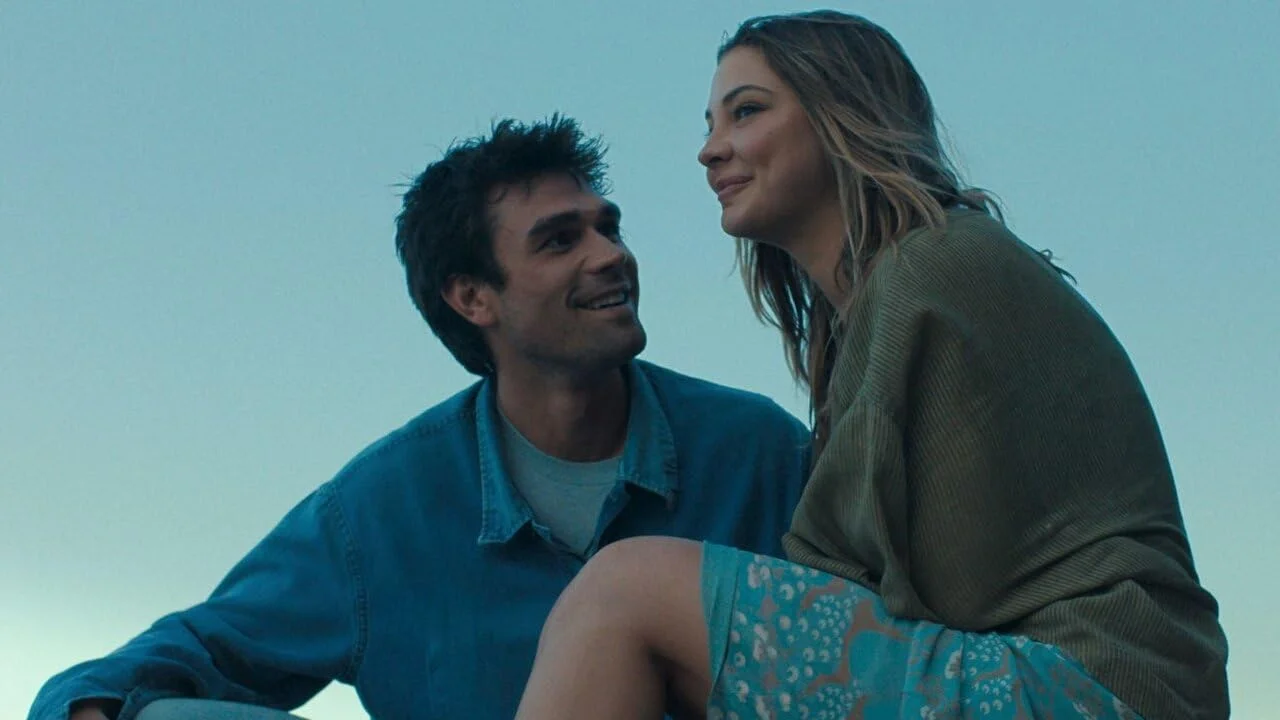

Jack meets Jillian in a coffee shop and comes away thinking he has found the perfect woman for Johnny. He tells his best friend about her before he has even secured a name or phone number. Then another encounter gives Jack the chance to pursue her himself. There is an easy warmth in that initial impulse to share the discovery. His friend belongs in the excitement of his morning. Remembering that warmth makes the attraction that later develops between Johnny and Jillian uncomfortable in a way the bare description of a love triangle cannot capture.
The friendship has already survived one change in direction. Both men wanted to write; Johnny still does, while Jack has become a lawyer. Johnny works in a bookstore and labors over a first book, with the attention earned by an earlier article hanging over his efforts. Jack has built a life around work, pleasure, and the things he can enjoy now. Their different circumstances give them something to recognize in each other. Johnny knows a version of Jack that predates his comfortable adult life, and Jack remembers the ambition Johnny is still trying to fulfill.
Colin and James Krisel’s Falling finds much of its emotional interest in changing our expectations of these two men. Johnny, played by Archie Renaux, searches for lasting love with the same investment he brings to writing. KJ Apa’s Jack prefers casual relationships until his attachment to Jillian starts becoming serious. The romantic’s longing will put the friendship at risk, while the supposedly unreliable man discovers something he wants to keep. Apa gives Jack enough warmth to make that change welcome. His earlier dating habits cease to be a useful defense against caring about what happens to him.
Johnny’s literary history helps make his fixation understandable. Early success has given him something to live up to, and romance offers another opportunity to find the experience that validates his hopes. His attraction to Jillian carries the excitement of recognition: here, perhaps, is the person he has been waiting for. It is possible to share some of that excitement while feeling uneasy about how quickly an imagined future can absorb his attention. Jack, who first suggested that Jillian might suit him, is still there, building an actual relationship with her.
Isabel May’s Jillian gives that attraction substance. Originally from Michigan, she has moved between countries and jobs before settling into hotel events work in London. She enjoys dealing with people and organizing things, details that give her life a practical texture alongside its restlessness. When she pushes back against Jack’s assumptions about her, the conversation makes room for someone who can resist the version of herself that another person finds convenient. Her adaptability becomes something we can appreciate without treating every move or change of job as evidence that she cannot commit.
Her conversation with Johnny about childhood dreams and an alternative life is especially useful because it lets attraction grow through attention. We can understand the pleasure of being listened to by someone interested in a self that has not become reality. Yet the film gives these disclosures a narrow channel. Jillian’s private aspirations become available while Johnny is falling for her, tying our access to her closely to his romantic interest. I wanted the film to spend some time with the event organizer whose work she enjoys, away from the question of which man understands her best. The information makes her recognizable; the dramatic emphasis keeps pulling her back into the triangle.
Conversation is where Falling earns the patience that its plotting sometimes spends too freely. The opening packs substantial background into roughly two minutes of narration, and explanatory narration returns later. Knowing someone’s history can help us understand a choice, but receiving so much of it immediately gives the first stretch the feel of catching up on people we have barely met. Exchanges such as Jillian’s resistance to Jack’s assumptions offer a warmer route into attachment. They let understanding change during an encounter instead of arriving as an introduction we are expected to retain.
At 107 minutes, the film leaves plenty of space for these relationships to develop, although it distributes that attention unevenly. Jillian’s childhood-dreams conversation with Johnny helps us feel the attraction, while his impending fatherhood receives comparatively little development alongside the romance. A familiar affair plot can hold attention through the shifting cost of each encounter. Here, an obligation that could change that cost remains peripheral while the romantic possibilities receive extended attention. The third act brings greater pressure to the friendship, but Johnny’s responsibilities could have made the earlier progression feel less like waiting for the expected betrayal.
When Johnny and Jillian sleep together after a night out, with a heavily intoxicated Jack having passed out, that pleasure turns awkward. Jillian has previously answered Johnny’s feelings by saying she loves Jack. Her declaration remains present in the affair, alongside Jack’s growing seriousness. We have been given reasons to understand the attraction, and now those reasons sit beside a person being deceived. The film’s strongest emotional demand is allowing sympathy to become divided. Wanting Johnny to find love does not stop us wanting him to leave this particular relationship alone.
Johnny’s impending fatherhood should make that divided sympathy even harder to settle. He intends to support the child, introducing a commitment with immediate demands into a life organized around hopes for the right book and the right partner. The subplot receives too little development to carry the weight it brings with it. It feels attached to the romantic complications when it could have changed how we experience them throughout. While Johnny is absorbed by the possibility of a soulmate, another relationship is already taking shape, with a child who will need his attention regardless of how his romantic life turns out.
Falling was released in select theaters by Brainstorm Media on October 9, 2026. The romantic comedy-drama follows a hopeless romantic who finds himself caught in an agonizing emotional triangle after falling for an enchanting woman, unaware that his cynical best friend also harbors deep feelings for her.
Full Credits
Title: Falling
Distributor: Brainstorm Media, Signature Entertainment
Release date: October 9, 2026
Rating: R
Running time: 1 hour 47 minutes (107 minutes)
Director: Colin Krisel, James Krisel
Writers: Colin Krisel, James Krisel
Producers and Executive Producers: Mike Karz, Matt Luber, Piers Tempest, William Bindley, Lena Roklin, KJ Apa, Tom Salentine, Dakota Rosen, Mary Vernieu
Cast: KJ Apa, Isabel May, Archie Renaux, Emma Laird, Sophie Simnett, Will Close, Alex Jarrett, Nick Hendrix
The Review
Falling
Falling makes betrayal hurt by first giving us reasons to enjoy the people involved. Jack’s warmth and Jillian’s revealing conversations keep sympathy alive even as their choices become painful. Dense narration can delay that attachment, and the attention devoted to romantic possibility leaves Johnny’s impending fatherhood underdeveloped. I cared about the friendship being damaged, but wanted his responsibilities to exert the same emotional pressure as his longing.
PROS
- Friendship gives the betrayal emotional weight.
- Jack’s growing vulnerability invites sympathy.
- Jillian’s conversations make attraction believable.
CONS
- Dense opening narration delays attachment.
- Jillian’s independent life receives limited dramatic attention.
- Underdeveloped fatherhood subplot weakens the stakes.