



















Montana Mavericks arrives on global streaming through a collaboration between The CW and Harlequin, translating a popular book series into a compact 90-minute film. The story follows Heather, a New York writer facing a creative drought while mourning her mother. Looking for a reset, she heads to rural Montana with close friends Jess and Olivia.
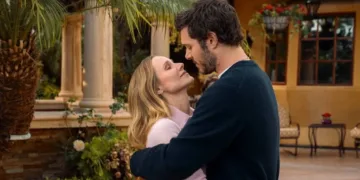
Their trip turns practical fast: Heather’s inherited property turns out to be a neglected house in serious need of work. That fish-out-of-water setup drops her into the small-town rhythms of Bronco Heights, where local ties matter and time moves at a different speed than it does in the city. Heather soon meets Cliff, her new neighbor and the town veterinarian, and the film settles into familiar western romance territory.
It frames romance through self-healing, pairing emotional recovery with a gentler kind of drama. Viewers who know the city-to-country shift that shows up across international screen romances will recognize the appeal of roots, community, and the promise of a fresh start. The movie plays as a light cowboy romance with grief and renewal carrying real weight beneath the easygoing surface.
Ensemble Chemistry and Character Evolution
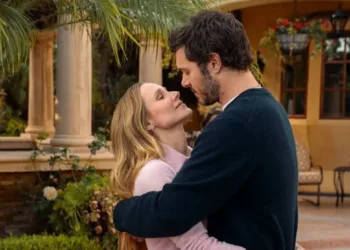
Katherine McNamara holds the film together as Heather, giving the character an ease that sells both her professional frustration and her personal loss. She leans into the recognizable traits of a city writer while keeping Heather’s grief present in her posture and energy, so the character stays credible during familiar genre beats. Dennis Andres brings a quiet steadiness to Cliff, shaping him as friendly and open in a way that suits the film’s tone. Their scenes land on comfort and gradual trust, and the chemistry reads as natural because the performances stay restrained and warm. Cliff comes across as kind and patient, and that temperament plays well against Heather’s faster urban tempo.
The supporting cast widens the emotional canvas past the central couple. Jess and Olivia add momentum as confidantes who keep Heather grounded while giving the story its second track. Their relationship places a queer romance inside the film’s small-town setting with a casual confidence, and the writing treats it as part of the same social fabric rather than a side note. The script also turns attention to Emily’s career shift, using her professional pivot to echo the film’s interest in reinvention and self-actualization.
These friendships function as the movie’s emotional spine. The sense of community that forms around the group recalls the ensemble texture seen in many contemporary international dramas, where support systems carry as much narrative weight as romance. Scenes among the friends emphasize loyalty in practical moments, from house repairs to shared decisions about what comes next. That choice keeps the film invested in multiple forms of love and care, with friendship operating as a steady counterweight to the romantic arc.
Navigating Regional Tropes and Narrative Rhythm
The plot moves from renovation work toward collective action, shifting Heather and her friends from repairing the house to building something for the town. Their efforts turn toward organizing a local festival meant to support Bronco Heights and help a nearby ranch, bringing in the community-rescue arc common to regional romance storytelling.
 Montana Mavericks Review
The script uses familiar beats: the adjustment to small-town pacing, the social recalibration that comes with being a newcomer, and visual comedy built around expensive city fashion meeting mud, tools, and rugged outdoor work. A recurring large pig supplies an extra note of rural whimsy that keeps the tone airy even as Heather’s grief remains part of the frame.
The 90-minute runtime keeps events moving with a clear sense of momentum, trading the drawn-out simmer often associated with longer literary adaptations for brisk scene-to-scene progress. Dialogue swings between grounded conversation and lines that lean into genre familiarity, and the film rarely lingers long enough for a single mood to dominate. Compared with traditional Hallmark-style rhythms, this version reaches for a slightly updated sensibility through small structural choices and a focus on internal stakes.
The writing steps away from the “jealous city boyfriend” figure that often appears in this kind of story, and that absence reshapes where tension comes from. Conflict grows out of decisions, vulnerability, and personal readiness, keeping attention on Heather and Cliff’s emotional movement rather than a manufactured rival plotline. That emphasis lines up with an international drift toward character-first romance narratives, where the question of change matters more than external obstacles. The film stays close to its genre roots while making modest tweaks that fit contemporary expectations.
Visual Texture and the Spirit of Bronco Heights
The production uses expansive Canadian landscapes to stand in for Montana, giving Bronco Heights a calm sense of scale and open air. Wide spaces function as visual relief from Heather’s New York life, reinforcing the film’s shift from pressure and compression to roomier emotional breathing space.
Cinematography leans into natural beauty with a warm glow that supports the romantic mood, and the framing often invites viewers to sit with the setting as part of Heather’s recovery. The town gains a lived-in feel through attention to recurring locations, which helps Bronco Heights read as a real community rather than a generic postcard backdrop.
Music strengthens that regional identity, blending contemporary tones with western stylings to keep the atmosphere grounded in the genre’s expectations. Craft elements stay polished for a television film: editing remains clean, lighting holds steady across scenes, and the visual continuity supports the easy pacing. Costume design carries narrative meaning by highlighting the gap between the visitors’ sleek city looks and the locals’ practical wardrobe.
The film communicates cultural difference through clothing and environment without turning either into a punchline. That steady production quality keeps the setting inviting, and the combined effect of scenery, sound, and design sustains the story’s themes of renewal and belonging in a tone that stays light and approachable.
Montana Mavericks premiered on November 16, 2025, as the flagship title in a new collaboration between The CW and Harlequin. As of today, December 29, 2025, the film is available for streaming on The CW app and website, and it can also be accessed through live TV subscription services like YouTube TV or Hulu + Live TV. The movie marks a significant move for The CW into the holiday romance market, offering a modern take on the beloved Harlequin book series.
Full Credits
Title: Montana Mavericks
Distributor: The CW, Nexstar Media Group, FOX Entertainment Global
Release date: November 16, 2025
Rating: TV-PG
Running time: 95 minutes
Director: Annie Bradley
Writers: Wendy Litner, Shelley Scarrow
Producers and Executive Producers: Chris Bragg, Kyle Cooper, Jason Wan Lim, Arnie Zipursky, Dayna Zipursky, Mitch Geddes, Suzanne Berger, Brent Lewis, Dianne Moggy, Craig Cegielski, Susan Oman Gross, Justin Stockman, Bob McCourt, Michela DiMondo
Cast: Katherine McNamara, Dennis Andres, Linda Kee, Kaya Coleman, Kaylee Sapieha, Gabriel Richardson, Ella Reece, Sarah Meghan Marie Correll
Director of Photography (Cinematographer): Charles Hamilton
Editors: Chris Bragg
Composer: Mitch Lee
The Review
Montana Mavericks
This film functions as a light entry into the cowboy romance genre. It succeeds through the charisma of Katherine McNamara and the warmth of the central friendships. While the plot follows a predictable path, the lack of forced conflict creates a relaxing experience. The story offers a cozy atmosphere for fans of rural settings. It avoids typical romantic rivals to focus on emotional healing.
PROS
- Strong screen chemistry between the leads.
- Inclusive romantic subplots and meaningful female friendships.
- Beautiful landscape photography and scenic locations.
- Lack of the irritating city-boyfriend trope.
CONS
- Standard and thin narrative structure.
- Stiff or clunky writing in specific scenes.
- Short runtime limits the development of a true slow burn.