

























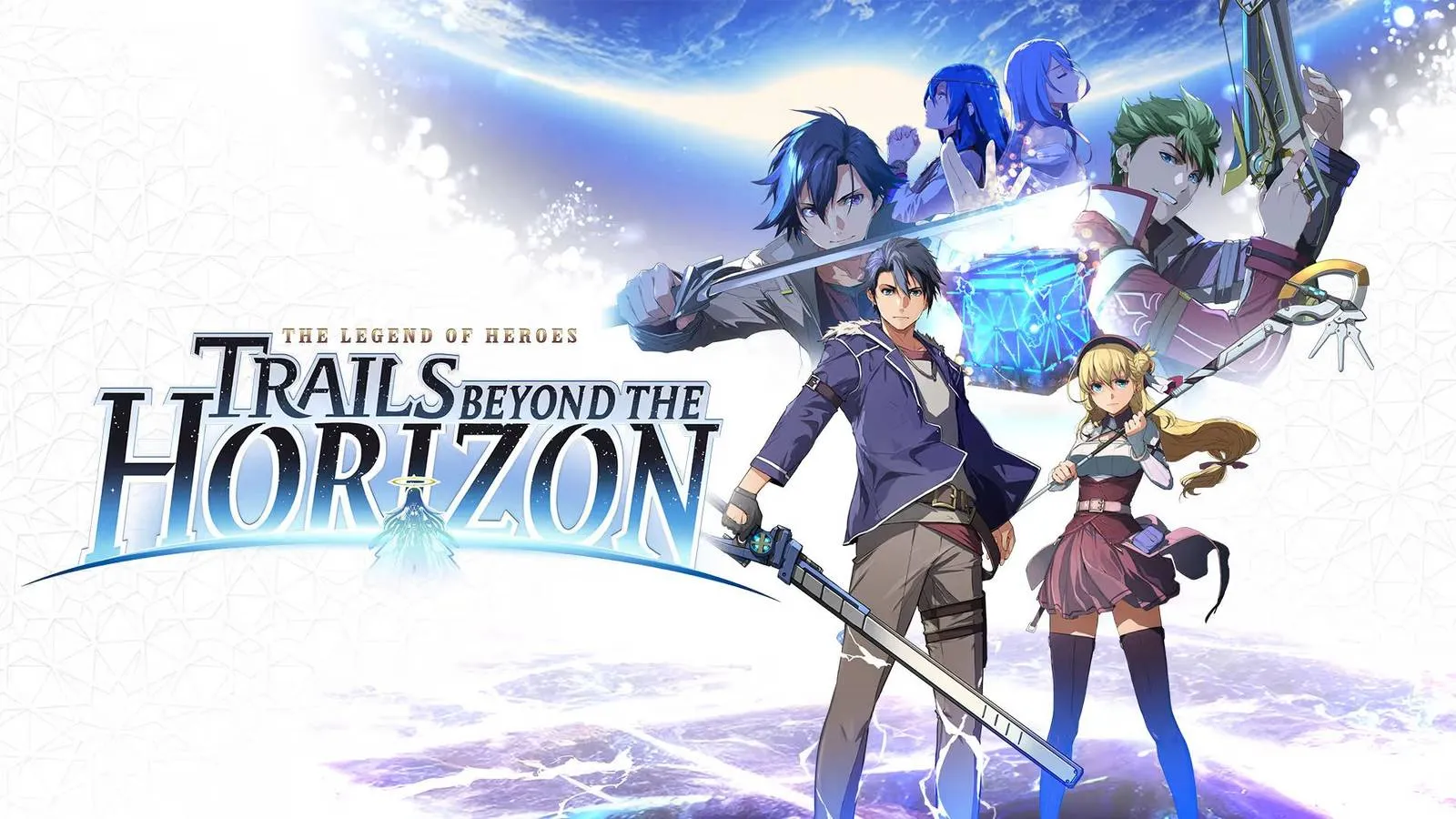

A countdown hangs over the Calvard Republic. The country is gearing up for Project Startaker, billed as the first manned spaceflight in history, and that approaching launch date becomes a constant ticking presence for both the public and the player. With orbital exploration on the table, the tone leans away from familiar fantasy beats and into a science fiction conspiracy, and the setting carries real weight because everyone knows the calendar is closing in.
The story follows three leads: the fixer Van Arkride, the instructor Rean Schwarzer, and the priest Kevin Graham. Each one moves along his own route across the continent of Zemuria, chasing signs of a danger tied to the launch as the days run out. The game pulls together characters and threads built across two decades of history and treats this mystery like the peak of the current narrative cycle.
The science fantasy flavor stands out here, with transportation and communication tech feeling like real, lived-in progress that helps sell the fiction. The space race energy is visible in the streets through news coverage and merchandise that treats the moment like a national festival. At the same time, the protagonists carry doubts about what the mission is really for, so their investigation keeps circling back to secrets buried across their world’s past and future.
A Divided Narrative Structure
This entry runs on a route system, shifting the player between the three protagonists’ separate storylines. Van Arkride’s route takes up the most space. He leads a mercenary crew through Edith, the capital city, and his main opposition comes from the Vestiges, introduced here as a new enemy group. Van plays like a hard-boiled detective figure who operates in the shadows, which fits the way his route starts slow and takes time to settle into its rhythm.
Rean Schwarzer’s chapters put their attention on the space program itself, with his investigation aimed at the hidden goals behind Project Startaker. Kevin Graham returns to his work as a church hunter and spends his route tracking a specific target across the Republic. Those two routes move faster, and that quicker tempo gives their sections a sharper sense of momentum. Eventually, the routes meet in a late-game convergence, which reframes earlier scenes as pieces of the same larger problem.
The writing leans dense and exposition-heavy, trusting a slow pace to carry a lot of information. Timely Terms helps manage that load by offering lore entries that clarify organizations as they come up, and it reads like a support tool built for long-time followers. The compressed timeline reinforces urgency in a practical way, since the launch countdown makes conversations and detours feel tied to a real deadline. The game also expects familiarity with earlier entries, especially for character dynamics that rely on existing relationships and history.
Mechanics of the Hybrid Battle System
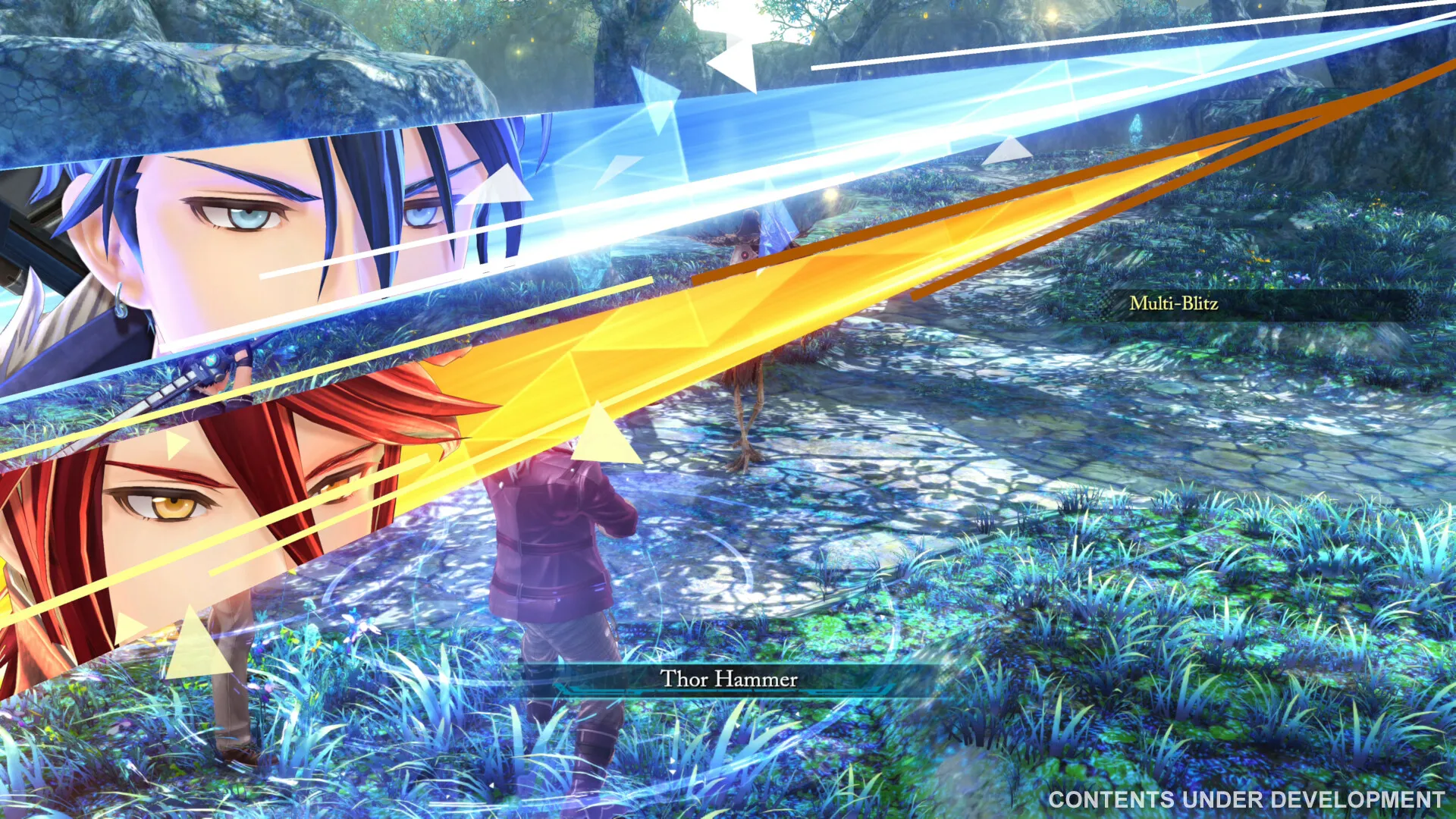
Combat builds on the hybrid model used before, letting players shift between real-time action and tactical, turn-based encounters. In the real-time layer, you strike enemies out in the field with the goal of stunning them before the turn-based phase begins. ZOC briefly freezes time to squeeze in extra hits, and the system rewards players who recognize the right moment to interrupt and cash in on that short window.
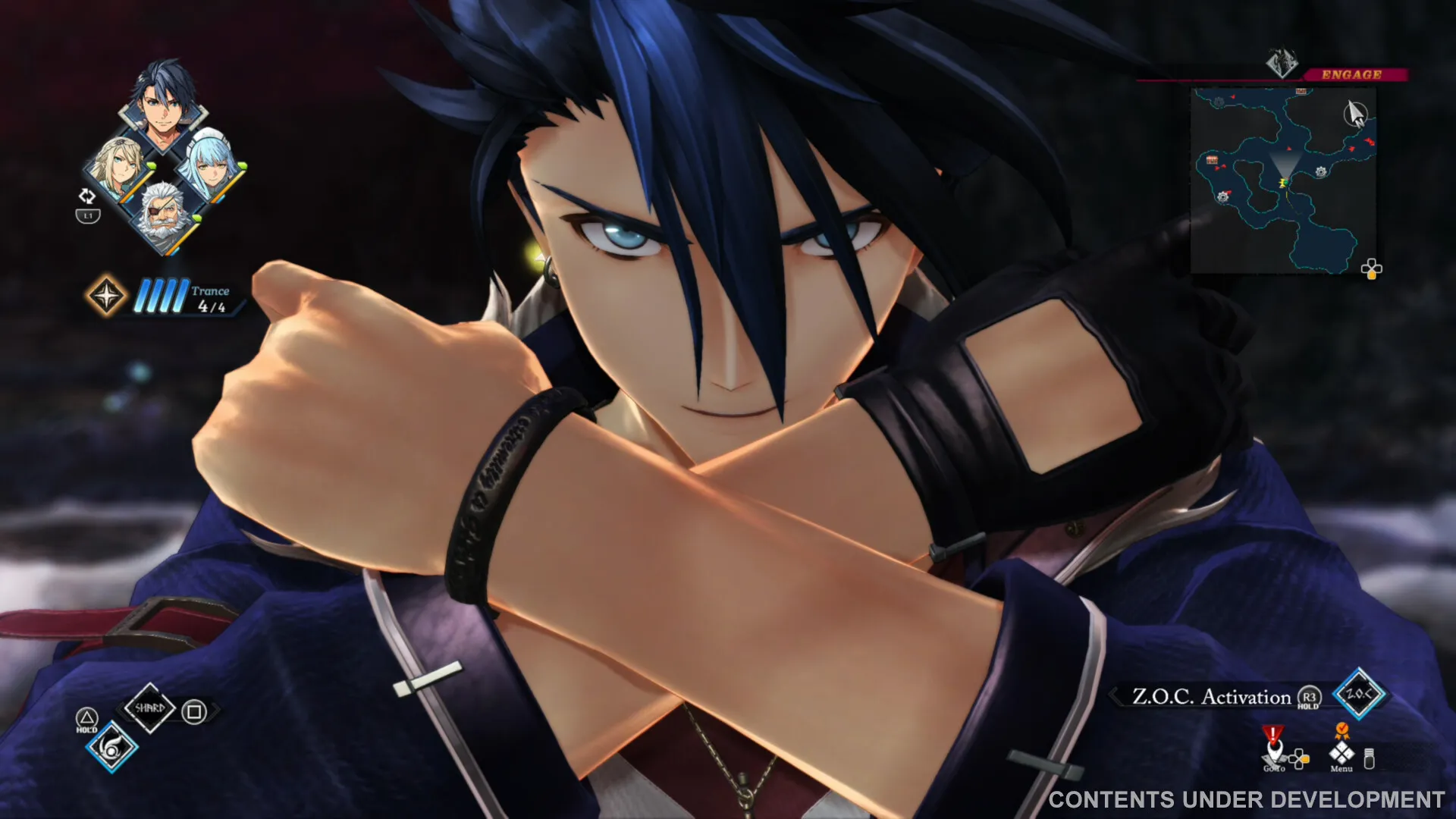
Awakening gives each lead a signature power-up state. Van turns into the Grendel, Rean triggers Spirit Unification, and Kevin activates his Stigma. These modes raise damage output and set up a stronger handoff into turn-based play, where a timeline across the top of the screen displays turn order. That timeline is more than a queue, since icons can grant bonuses like healing effects or instant magic triggers, and those small shifts can change how a round plays out.
A lot of the strategy comes from Shard Boost. You spend gauge bars to amplify offense, then layer on Shard Commands that affect the whole party, with options like defense and speed buffs. Bosses answer with Anti Shard Commands that remove those benefits, and the system lets you fight back by spending more gauge to overwrite the boss cancel. The exchange feels balanced because you are paying a clear resource cost for control.
Positioning matters at all times. Skills land in defined patterns, including circles and straight-line shapes, so placement decides who gets hit and how much value you extract from a turn. Where characters stand also determines follow-up attacks, which pushes you to think about spacing before you commit to an action. Efficient play comes from consistent movement that lines up multi-target strikes while keeping the party arranged for the next sequence on the timeline.
Systems of Growth and Side Activities
Side systems add a lot of texture to the experience. Grim Garten functions as a set of virtual domains designed for leveling and repetition, and its roguelite format builds each run around floors that end in boss fights. A gacha system inside this mode hands out items and costumes, turning grinding into a loop with frequent rewards and the occasional surprise pull.
The Republic’s cities support optional missions through 4SPGs posted on local boards. These quests spend time on citizen stories, and the examples here land with specificity. One involves a criminal hacking lodging websites, and another centers on locating a missing person tied to an emotional backstory. The writing treats these threads as meaningful slices of daily life, which helps ground the larger space-race spectacle in smaller, human stakes.
Connection Events let the protagonists spend time with allies, and these scenes serve two purposes: character development and mechanical growth through stat increases. The LGC system tracks alignment across Law, Gray, and Chaos based on player decisions, though it has limited impact on the main plot. For deeper build crafting, Quartz remains the core customization system, with gems slotted into hardware to unlock perks.
Holo Cores act like assistant modules that deliver major boosts during Shard Boost windows, including effects like an 80% damage increase against stunned enemies. Skill Stones round out progression by letting players manually upgrade combat abilities, and the combined toolkit supports long stretches of party tuning for players who enjoy optimizing builds for specific fights.
The Review
The Legend of Heroes: Trails Beyond the Horizon
This entry succeeds as a technical refinement of the Calvard arc. The triple-route structure manages a massive cast with precision despite pacing lulls in the early hours. Combat remains the standout feature. The integration of real-time mechanics and tactical depth provides a satisfying loop for players. The story relies on past knowledge, yet the scale of the payoff justifies the investment. It is a dense, rewarding experience that prepares the stage for the next phase of the series.
PROS
- Deeply strategic hybrid combat system.
- Meaningful side quests with strong character writing.
- Rewarding party customization via Quartz and Holo Cores.
- Effective management of a large crossover cast.
CONS
- Slow narrative pacing in early chapters.
- High barrier to entry for new players.
- The alignment system lacks mechanical weight.