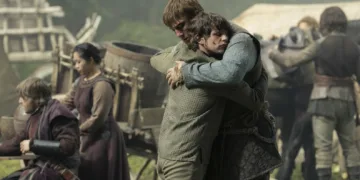





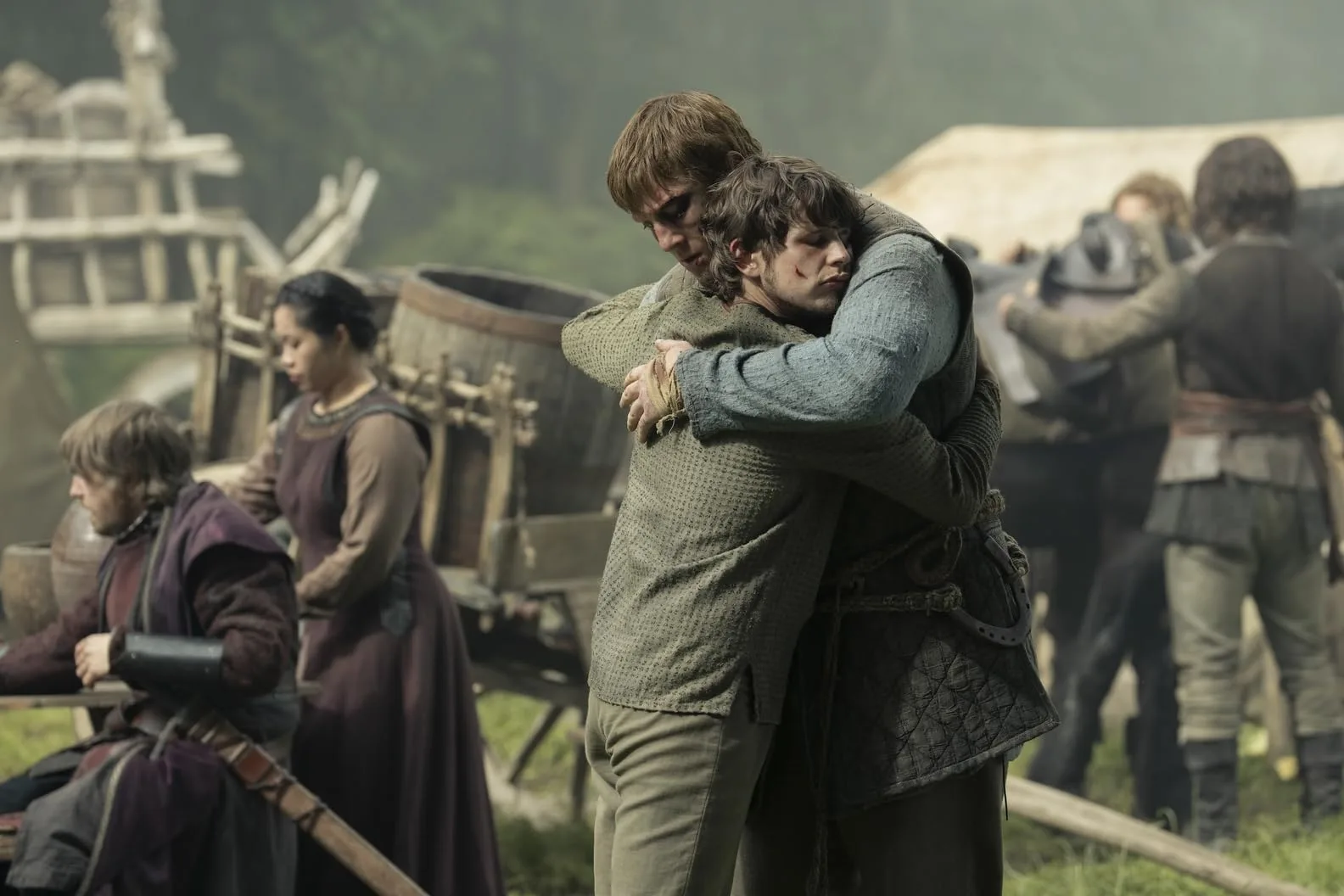

A Knight of the Seven Kingdoms Episode 6, “The Morrow,” closes the season with a quiet, reflective hour that follows the Trial of Seven and its fallout. The episode centers on Dunk as he wakes amid the wreckage of Ashford Meadow, carrying physical injuries and deeper questions about worth, duty, and the cost of being a protector.
The death of Prince Baelor hangs over every scene, shaping conversations about responsibility, lineage, and what it means to live up to an ideal. Through hushed funerals, small acts of tenderness, and a pair of decisive conversations with Maekar and Daeron, the episode shifts tone away from spectacle toward character.
Dunk must reckon with survivor guilt, Egg must choose how to grow into his identity, and Maekar reveals unexpected shades of grief and affection. The finale ends with a bittersweet departure: Dunk and Egg ride off together, their future open and uncertain. This hour functions as a coda that frames the season’s events and points at what might follow, using quiet moments to deepen what the show has built in six episodes.
Narrative architecture and pacing
The episode is built like a short bookend. It opens in aftermath rather than build, and its momentum moves sideways instead of forward. Ashford Meadow serves as a field hospital and a ledger: wounds written in mud, folded banners as receipts. The choice to begin with Dunk’s recovery places the moral center under a microscope. The camera lingers on small objects—bandages, a child’s drawing, a copper penny hammered into wood—and asks the viewer to read character from residue.
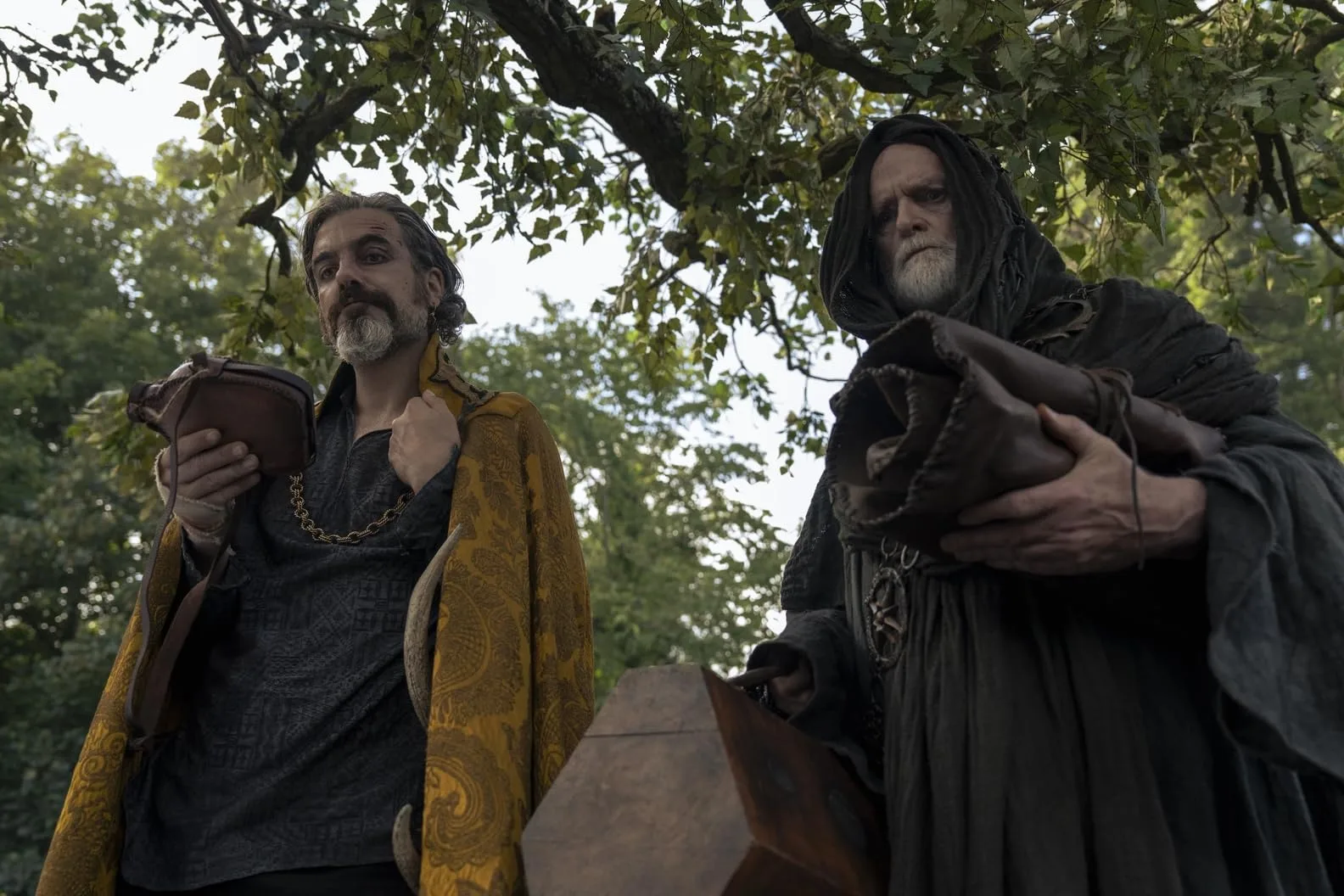
Funerals are staged as contrapuntal beats. Baelor’s cremation is austere, formal, a ritual that insists on scale. Ser Humfrey Beesbury’s burial is intimate, eccentric (bees as motif), and reminds us that ceremony in this world varies by house and habit. These juxtapositions give the episode texture; grief wears different faces.
Dialogue scenes carry the episode: Lyonel’s bluntness, Maekar’s guarded tenderness, Daeron’s hypothesis about a child’s malleability. Each conversation is a discrete cage of argument used to cage Dunk’s conscience. The Ser Arlan flashback functions like an internal annotation, a memory that reframes the question of title and practice. The moment of ambiguity around whether Dunk was ever formally knighted is left unresolved. That choice preserves dramatic friction and supplies a moral puzzle for viewers who like their heroes messy.
Pacing favors patience. Silence is a tool; restrained lines are punches. Moments of levity—Raymun’s new house and his bride—act as ballast against the grief. The end-credits gag, a last-minute joke about Maekar’s missing consent, undercuts solemnity with a human, slightly rueful laugh. The sequence architecture privileges character work over catharsis. In other words, the episode wants to be considered rather than consumed.
Themes, moral questions, and symbolic currency
Guilt is the episode’s ledger entry. Dunk carries a private audit of survival: why him, why not Baelor? The show stages survivor guilt as a practical problem, not a melodramatic affliction. He must account for his actions in town squares and in the eyes of boys and princes. This is a modest but rigorous ethics play about responsibility when outcomes are catastrophic.
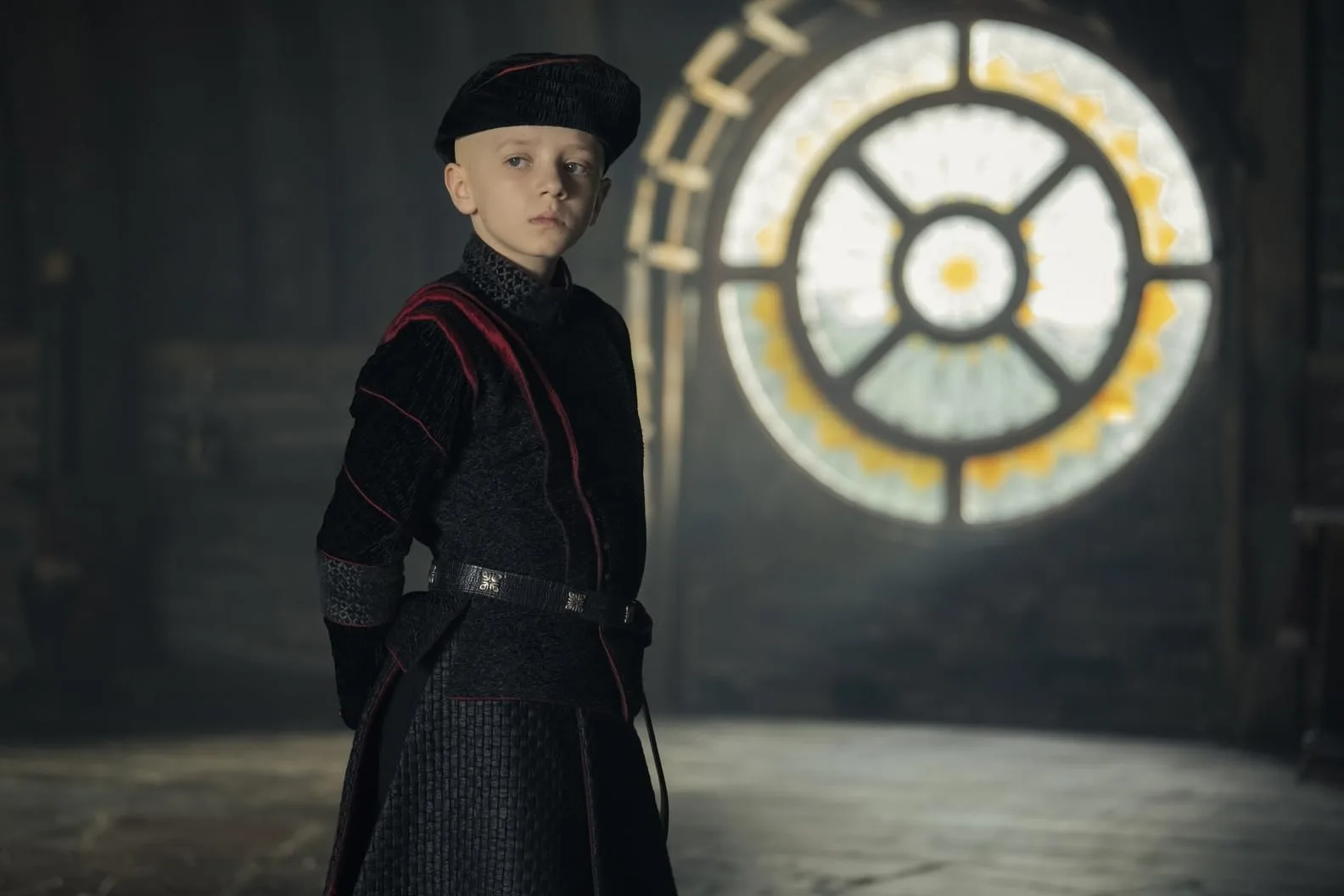
Class and rank are handled with quiet irony. Dunk’s smallfolk origins sit opposite Targaryen ease. When pride and pedigree clash with lived virtue, the series signals that titles can be vacant. Maekar’s behavior complicates that claim; he is royal but not unreadable. His tenderness toward Egg reframes old assumptions about nobility as a single kind of corruption. The scene where Maekar comforts his son demonstrates parental logic inside dynastic machinery. It reads less like myth and more like a household ledger kept under crown stamp.
Nature versus nurture appears as a theatrical hypothesis. Daeron suggests Aerion was once kind; madness, then, is a trajectory altered by context. Egg becomes a field test. The show stages him as a variable whose environment will shape probability. This raises a broader cultural question: how societies reproduce danger through institutions. Think of historical dynasties that valorized heredity and thereby institutionalized catastrophe. The analogy is blunt: a system that rewards inheritance over apprenticeship seeds instability.
Mentorship and chosen family form the empathetic counterweight. Raymun’s loyalty, Ser Arlan’s stories, and Dunk’s hammering of a penny become rites of craft and belonging. The penny is a small covenant: a practical talisman for skill passed across class lines. The final image of Dunk and Egg riding away, with Ser Arlan’s specter receding, is symbolically compressed. It suggests a transfer of moral capital rather than a completion of destiny.
Performances and relational gravity
Peter Claffey carries the weight of this episode in ways that refusal of grand gesture makes more impressive. His opening minutes—waking, touching scars, watching the world move around him—are an acting study in containment. Micro-expressions do a lot of heavy lifting here: a tightened jaw, a hand that lingers on a bandaged shoulder. Claffey balances decency with private shame; he keeps Dunk’s moral compass visible while letting self-doubt erode the needle.
Dexter Sol Ansell as Egg moves from impish to agency. The knife-at-the-bed moment is a cold whisper of intention; Ansell sells curiosity turned dangerous. The little lie about Maekar’s blessing in the end is mischievous and strategic. Egg’s deception could be dismissed as childish, and yet it reorganizes power on screen. One moment shows boyishness, the next shows deliberation. That flip is crucial.
Sam Spruell’s Maekar surprises with subtlety. He is formal when grief demands ceremony and almost unmoored when fatherhood surfaces. Spruell uses silence well, letting small gestures speak: two hands on a shoulder, a sideways look at a dying brother. These choices humanize the institution. Maekar becomes a study in institutional tenderness: a ruler who understands stakes and still finds room for private sorrow.
Supporting players supply tonal breadth. Lyonel’s blunt humor rescues scenes from elegy. Raymun and Rowan provide human warmth and the comic relief required to keep the episode from calcifying. Valarr’s brief speech to Dunk—one line, precise—lands like a historic echo: grief compressed into a child’s query. Ensemble chemistry is honest; secondary characters hold scenes without overshadowing the core.
Acting direction uses props and proximity as vocabulary. The dagger, the penny, Sweetfoot the horse all function as nodes of emotional logic. Close-up work, faces in low light, and controlled physicality produce a performance palette that is economical and rich.
Direction, scriptcraft, and tonal control
Directorial choices emphasize stillness. Framing often isolates two figures in a tableau so that small shifts register as movement. Camera holds on faces long enough for thought to appear. When the lens chooses to follow, it does so as if it were trailing a conscience.
The screenplay is parsimonious. Lines are spare; weight is carried by implication and action. Rearranged and newly written scenes from the source material serve dramatic clarity by expanding on what the novella hints at. The Ser Arlan flashback is a clever insertion, an interior that helps externalize Dunk’s questions about legitimacy.
Tone is carefully balanced. The writers refuse melodrama. Grief sits with occasional humor. Levity is placed where it softens, never where it trivializes. This is tough craft work; the episode risks sentimentality and evades it through specificity. The stinger at the end adds a humanizing chortle that keeps characters alive rather than heroic icons.
Editing grants the story breathing room. Cuts between mournful and mundane moments create rhythm. Flashback placement avoids confusion; title cards and judicious temporal markers keep the viewer oriented. The technical choices align with the moral material: restraint creates space for audiences to think. That is the episode’s rhetorical gambit.
Design, sound, and visual symbols
Ashford Meadow looks lived in: mud, frayed canvas, the sticky smells almost audible through the soundtrack. Costuming delineates social chemistry. Targaryen garments retain courtly line; smallfolk wear patched function. These decisions create an economy of recognition that makes every silhouette readable.
Props act as emblems. Ser Arlan’s penny is a mnemonic for craft and lineage. Sweetfoot’s fate offers a tidy humane touch. Baelor’s funerary instruments read as public theology; the bees at another burial read as private ritual. These objects carry narrative argument in small form.
Sound design is minimal and precise. Silence is used as punctuation. Diegetic sounds—wind through a tent flap, the creak of leather, the distant murmur of a procession—anchor scenes. The score rarely intrudes; when it does, it underlines mood rather than dictates it. Occasionally the show winks with music choices that feel slightly at odds, which has the effect of altering perspective (a sly tonal shift I appreciated).
Cinematography favors muted palettes: mud brown, washed cloth, and the pale grey of ash. Light is cooler during funerals and warmer on the road. These shifts are literal and symbolic. Practical staging—crowd movement at the funeral, the choreography of a small camp—keeps the world tactile and believable.
Aftermath, narrative consequences, and season-two vectors
The immediate fallout is emotional and logistical. Dunk rejects patronage and therefore defines his path by refusal. That act sets the story’s centrifugal force: a wandering knight who teaches, who is imperfect, who will be tested. Egg’s decision to go with him is an act of agency that reshapes power lines. It is also a gamble; a boy of royal blood on the road is a political anomaly.
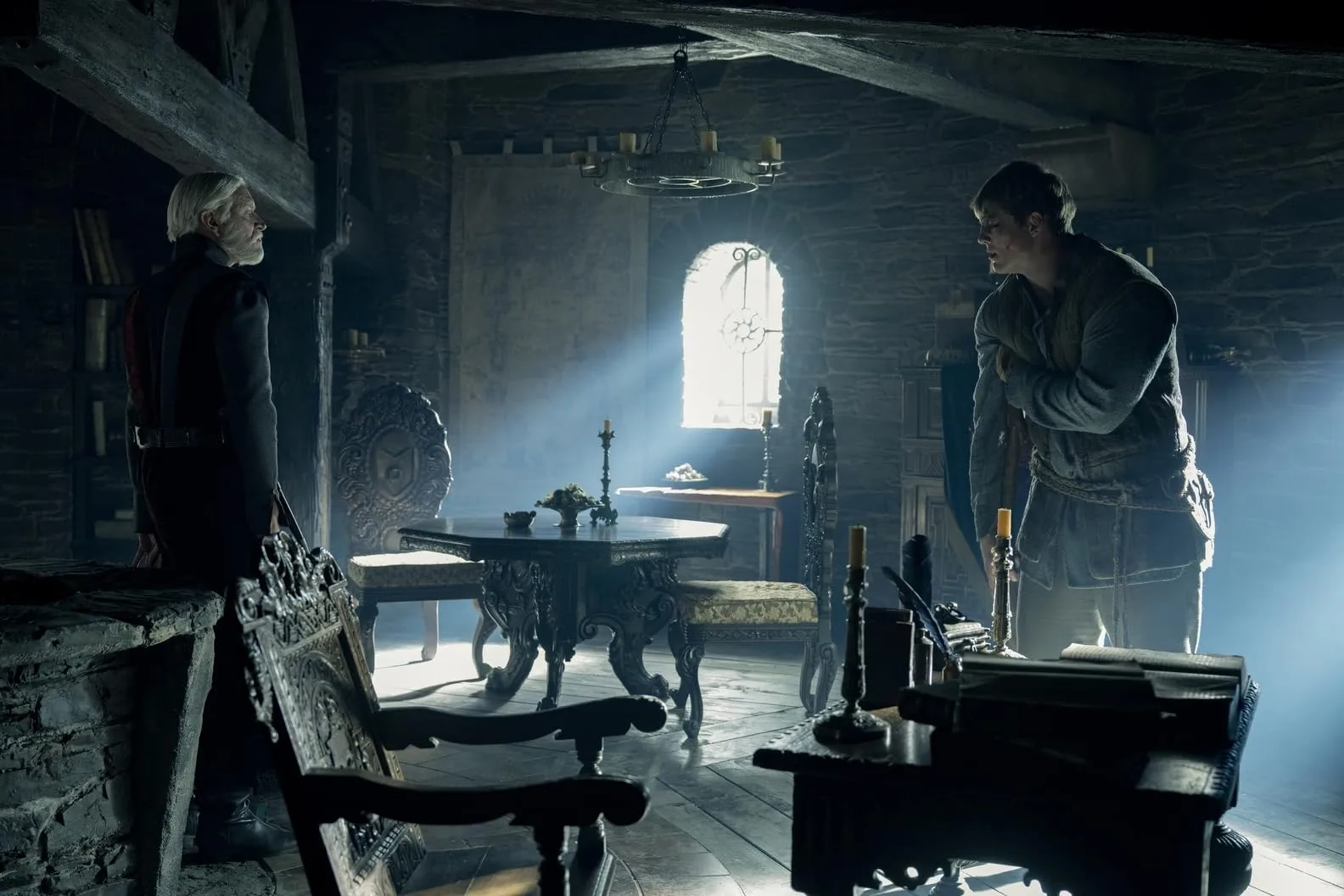
Maekar’s grief is a seed. Institutions react to loss. The death of an heir unsettles perceptions of invulnerability around the dynasty. That instability can breed faction and spectacle. The series hints at political tremors without spelling them out.
Open questions remain. Was Dunk ever truly knighted? The ambiguity operates as a narrative engine. Will Egg’s small lie have larger consequences? That lie is a chronological pebble in a system that amplifies small acts.
Possible threads for season two include squire life as an ethic, the court’s reaction to a runaway prince, and the slow unspooling of dynastic strain. The show has set up a landscape that privileges character choices over grand providence. It invites speculation and requires patience. That combination could widen the series’ cultural reach. If viewers bring that patience, this adaptation may become a touchstone for how intimate storytelling functions inside an epic world. (Call it micro-epicism if you like.)
The season finale of A Knight of the Seven Kingdoms, titled “The Morrow,” premiered on February 22, 2026. Following the devastating conclusion of the Trial of Seven, the episode serves as a somber meditation on the cost of chivalry and the fracturing of the Targaryen dynasty. It centers on Ser Duncan the Tall dealing with the weight of Prince Baelor’s death and his decision regarding Egg’s future. The episode is available for streaming on Max and aired globally on HBO, with regional broadcasts on Sky Atlantic and JioHotstar.
Where to Watch A Knight of the Seven Kingdoms: The Morrow Online






Full Credits
Title: A Knight of the Seven Kingdoms: “The Morrow” (Episode 6)
Distributor: HBO, Max
Release date: February 22, 2026
Rating: TV-MA
Running time: 42 minutes
Director: Sarah Adina Smith
Writers: Ira Parker, Ti Mikkel
Producers and Executive Producers: George R.R. Martin, Ira Parker, Sarah Bradshaw, Ryan Condal, Owen Harris, Vince Gerardis
Cast: Peter Claffey, Dexter Sol Ansell, Daniel Ings, Sam Spruell, Finn Bennett, Henry Ashton, Shaun Thomas, Oscar Morgan, Bertie Carvel
Director of Photography (Cinematographer): Gustav Danielsson
Editors: Simon Brasse
Composer: Dan Romer
The Review
A Knight of the Seven Kingdoms Episode 6 (The Morrow)
Episode 6, “The Morrow,” is a restrained, emotionally literate finale that trusts character over spectacle. It transforms aftermath into inquiry, reframing knighthood as practice rather than pageantry. By centering grief, mentorship, and moral choice, the episode closes the season with quiet authority and leaves its heroes in motion rather than in triumph.
PROS
- Emotionally resonant character beats that reward long-term investment
- Strong central performances that anchor the quieter moments
- Thoughtful exploration of knighthood as responsibility rather than glory
- Confident restraint in staging and tone
- Dialogue that carries thematic weight without overstatement
- A closing movement that feels reflective yet forward-looking
CONS
- Deliberate pacing may feel slow for viewers expecting a larger climax
- Limited action compared to earlier installments
- Some emotional payoffs rely heavily on subtext
- A few secondary characters remain underdeveloped in the final hour