




















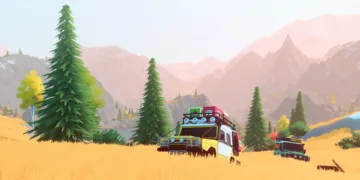





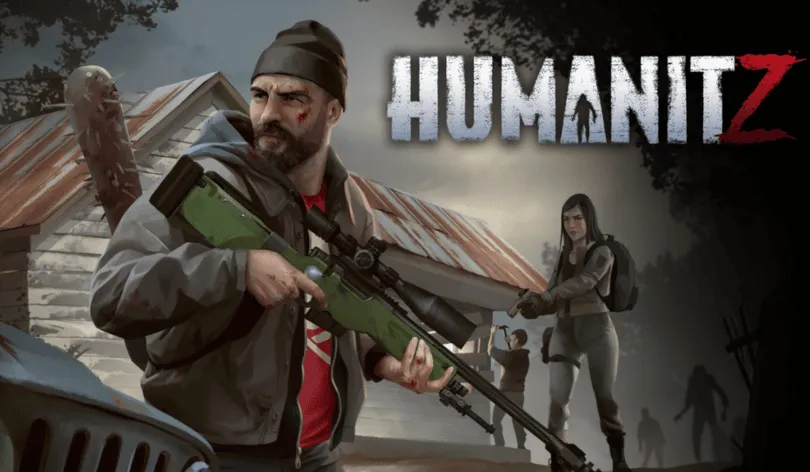

HumanitZ places you in a world where the social order has collapsed. A massive outbreak of creatures called Zeeks has pushed humanity from the top of the food chain to the bottom. The game uses an isometric survival format and frames its core question in human terms: how long can someone hold onto their sense of self when every day turns into a fight for food, water, and a place to sleep?
You move through decaying urban blocks and dense forests, weighing short-term scavenging against the slower work of building something that can last. The open world stretches wide, packed with environmental threats and aggressive enemies.
You can face it alone or with up to four survivors, and the moment-to-moment play leans on tactical planning backed by quick action. Decisions about shelter, supplies, and combat carry real consequences, and the full release aims to deliver a steadier, deeper simulation of life after the fall. Caution keeps you breathing. Noise brings trouble.
Defining the Survivor
HumanitZ starts shaping your experience before you ever meet a Zeek. Character creation anchors your run through clear functional trade-offs, asking you to commit to strengths that come with limits. You pick from twelve professions that set your early advantages. An unemployed civilian grants a 25% experience boost, giving you faster access to growth as you adapt. A thief can bypass alarms and comes with larger pockets geared toward hauling essential loot. These early picks set the tone for the story you build through play.
The game adds texture through eighteen afflictions that reshape the usual survival routine. Poor circulation makes cold weather a fast-moving problem. A bad back applies a permanent hit to carrying capacity, changing how you plan routes and what you prioritize on a scavenging run. The result is a run defined by specific constraints, with your build steering your decisions in ways you feel minute to minute.
Difficulty options reinforce that focus on agency. Six tiers, from Rookie to Nightmare, tune resource scarcity and the aggression of the undead. The lower tiers make room for players who want breathing space for rebuilding and long-range planning. The higher tiers create a harsher rhythm where every trip out of the safe zone carries real risk.
Progression ties into that same loop of choice and consequence through an integrated skill system. Leveling grants points you invest in survival capabilities, and the game ties certain skills to specific tasks. You often need to demonstrate proficiency through action before investing in a specialized branch, which links growth to what you actually do in the world. Your habits shape your kit, and your kit reshapes your habits.
The Weight of Every Step
Survival in HumanitZ plays like an ongoing negotiation with the environment. You manage a spread of vitals, including hunger, thirst, and fatigue, and tiredness stands out as a pressure point that can turn routine errands into life-or-death calls. Fatigue slows movement and drains stamina, so a simple supply run can spiral if you push too long. The game reinforces these needs through physicalized actions, with your character visibly eating and drinking. That small detail keeps mortality in view and keeps the simulation grounded.
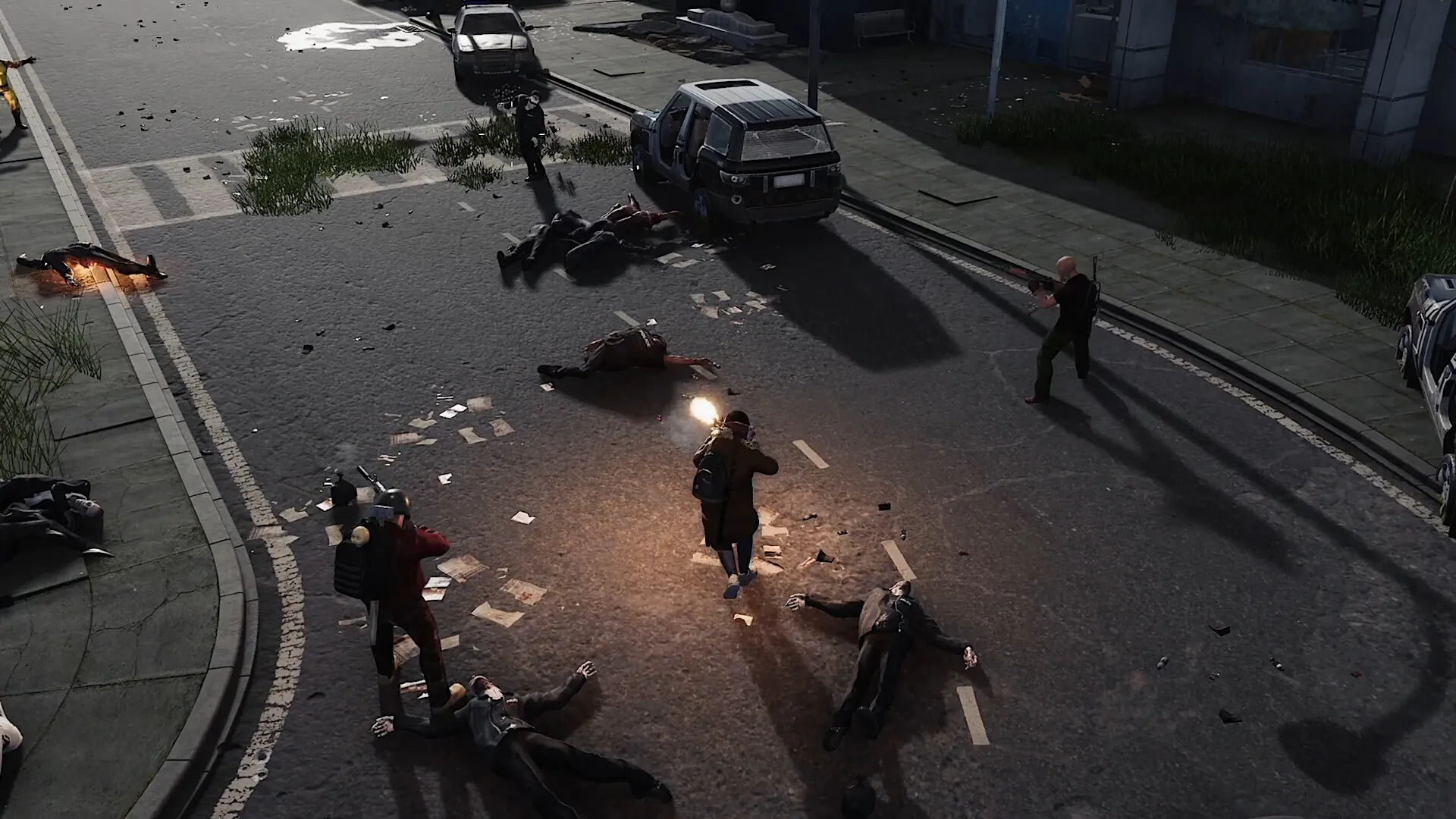
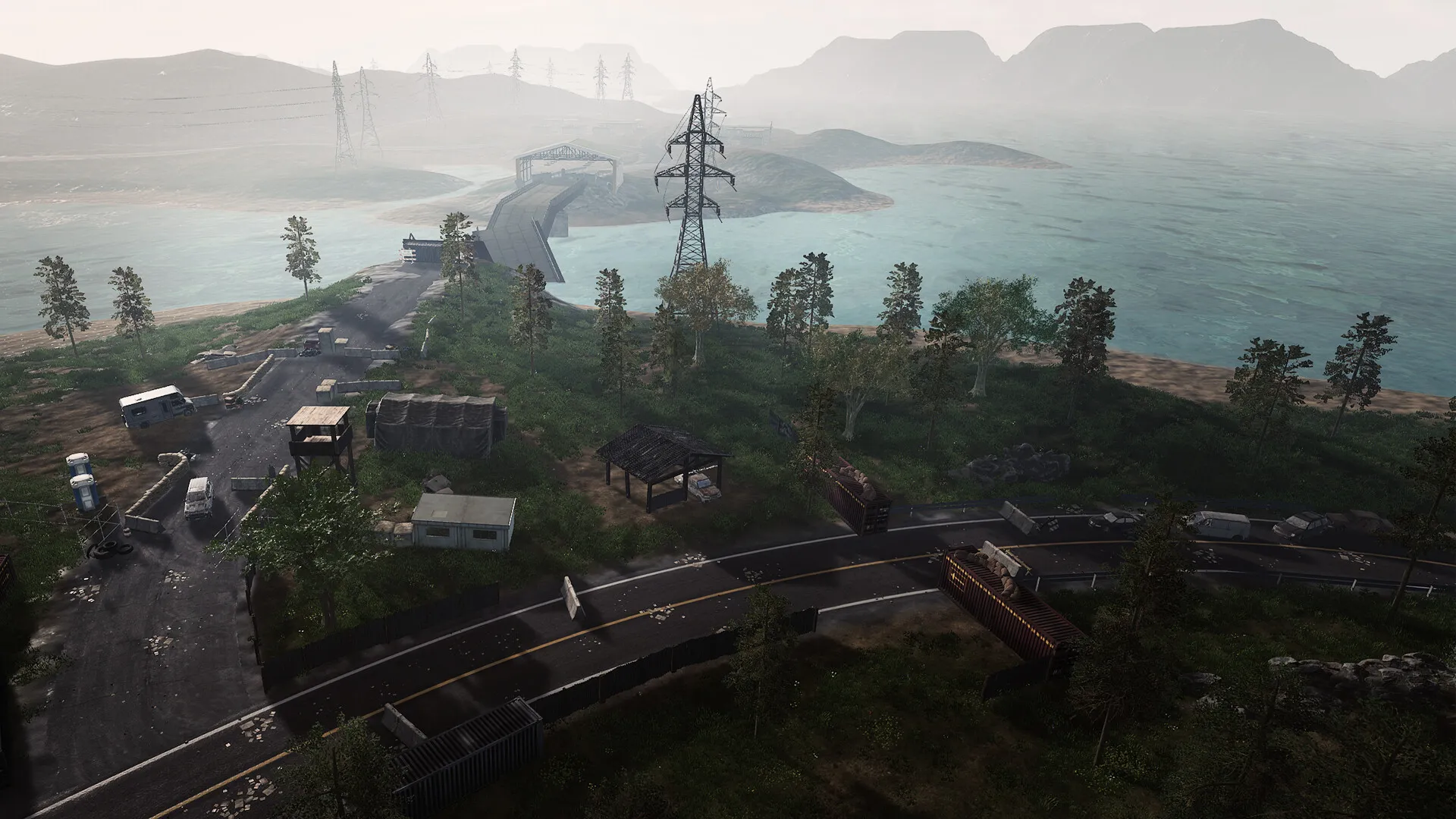
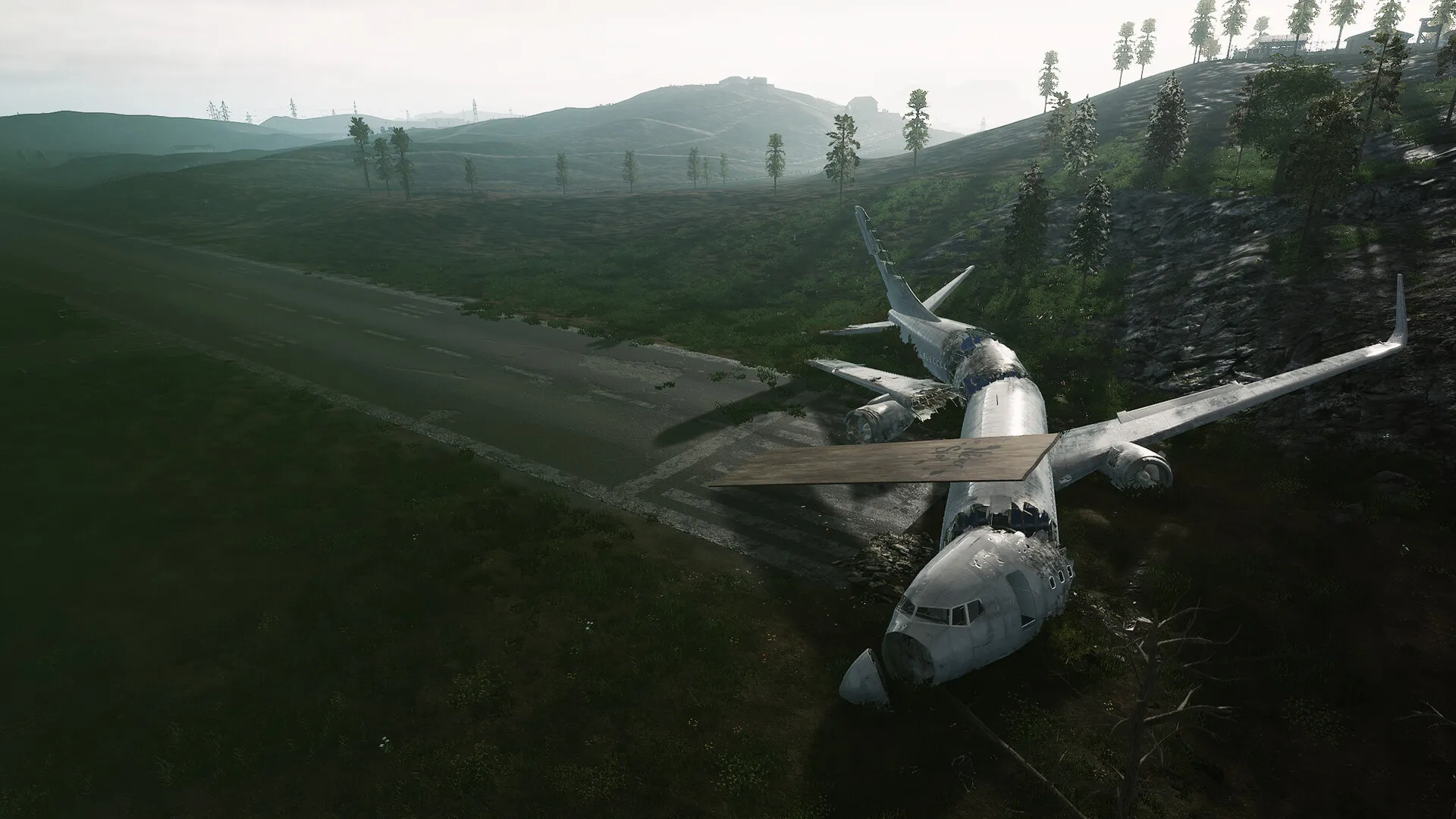
World design builds a meaningful lifestyle choice into exploration. Rural spaces and cities support different approaches, and each path changes how your decisions land. Cities hold high-tier loot and the specialized machinery tied to late-game automation, and they also pack Zeeks into tight spaces where every corner can become a trap.
The countryside supports fishing, farming, and hunting with a safer cadence, giving room for a slower, steadier style of survival. The split supports distinct identities that come from play: the city scavenger chasing big finds, or the mountain hermit building stability through routine.
Exploration also carries signs of a world that used to be lived in, with occasional hits to environmental detail. Some houses feel oddly empty, and a few structures miss logical features like internal staircases. Those gaps can interrupt the illusion of a fully coherent space, even as the larger map sells the idea of collapse.
Weather functions as a constant tactical variable. Fog and thunderstorms look striking, and they also matter mechanically. Heavy rain can cover the sound of your movement, while fog cuts visibility hard enough to change how you approach an area. These shifts encourage quick plan changes: a storm can support a risky run toward a pharmacy, and the same storm can hide a Zeek until it is close enough to end the attempt.
Violence and the Undead
Combat hits with weight and rewards fast, practical decisions. Melee exchanges land with a heavy feel, supported by quick combos and clear impact feedback when your weapon connects. Visual gore tends to look similar across blades and blunt tools, yet the tactical layer still reads cleanly through timing, spacing, and stamina control. Stamina management shapes every brawl. A drained bar mid-swing can leave you stuck in the worst possible moment.
Enemy variety helps fights keep their edge. Police Zeeks arrive armored and carry a large health pool. Bigger variants serve as mini-bosses that absorb a huge amount of damage before going down. Some enemies wear biohazard suits, hinting at where the collapse began. Each type asks for small adjustments in approach if you want efficiency and safety.
Sound sits at the center of encounter design. The game tracks the noise from footsteps and weapons, and guns can turn a quiet suburb into a magnet for a massive horde. That pressure shapes meaningful choice in every fight. A firearm can solve a problem quickly, and it can also create a larger one seconds later. A knife keeps things quieter, yet it asks you to commit to closer danger. Managing sound carries the same importance as managing ammo.
Human NPCs add another layer of uncertainty. Survivors appear across the map and can trade rare supplies or offer short dialogue exchanges. The tone stays cynical, and these people can bring hostility or betrayal into an already volatile world. Staying alert becomes a social rule as much as a combat rule, since a human with a rifle can end your run faster than a crowd of mindless undead.
Reclaiming the Wasteland
Base building gives long-term survival its clearest objective. The building menu reads cleanly and offers a wide set of blueprints from the start. You can reinforce an existing house or clear land for a custom fortress, and the system supports permanence in a way that makes the map feel responsive to your effort. Watching a base grow from a rough shelter into a fortified compound delivers a strong sense of progression and a genuine feeling of safety earned through work.
Gathering resources keeps that work tactile and grounded. You can dismantle furniture and other environmental objects for scrap metal and wood, turning abandoned spaces into supply caches. Some small inconsistencies show up in what you can break down, like being able to deconstruct a kitchen chair while a nearby sofa stays untouchable. The loop still lands because the reward feeds directly back into defense upgrades and building plans, keeping motivation tied to tangible results.
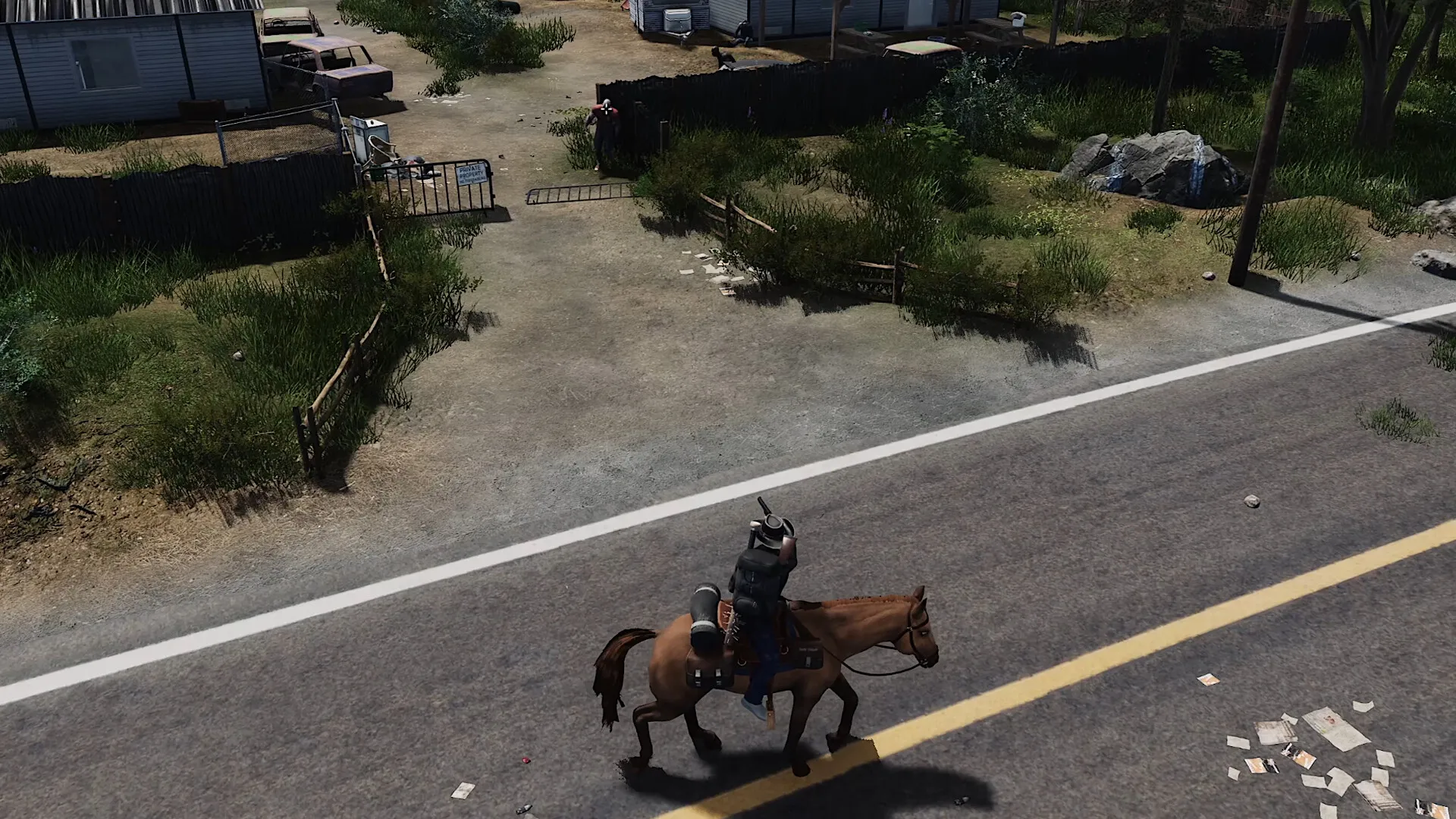
Vehicles change the scale of the map. Finding and repairing a car like the HMMWV makes long-distance travel easier and opens up wider planning. These machines demand upkeep, sending you hunting for batteries, fan belts, tires, and fuel pumps to keep them alive. Upgrades in a “Mad Max” style let you turn a vehicle into a mobile weapon, shifting the way you handle threats on the road. A working vehicle becomes a major asset with a clear cost: noise turns you into a moving signal flare, drawing attention that can spiral into danger.
Advanced crafting systems offer a route toward self-sufficiency. Farming plots support a stable supply line, and the game ties those systems to specific tools like shovels or axes. That requirement pushes you back into exploration as you search for one missing piece that can secure food through winter.
Technical Polish and Atmosphere
The 1.0 release looks strong. Built on Unreal Engine, HumanitZ presents crisp models and a lighting system that sells the mood of abandoned spaces. The isometric camera behaves with practical intelligence. Enter a building and the roof disappears immediately, giving a clear interior view without fuss. The shift stays smooth and keeps visibility clean during action.
Performance has improved since early access. The game runs stably across most hardware, cooperative lag has dropped, and dedicated servers strengthen multiplayer reliability. Those foundations matter because survival runs hinge on consistency, and a single stutter can cost a long-term character.
Audio does essential work in selling place and danger. Birds chirp in the woods. Glass crunches under your boots in the city. Music stays calm and unobtrusive, setting a baseline that makes nearby horde screams hit harder when they break through. Ambient cues also act as information, guiding your read of the space even before you see what is waiting.
Some minor bugs still appear in 1.0. A zombie can snag on furniture, and floating objects can linger after you dismantle a desk. These issues tend to stay small and rarely break a session, and they also signal the indie scale of the project. The experience still lands as polished and professional, with a deep world that rewards players who want a survival sim built around hard choices and the stories that grow out of them.
The Review
HumanitZ
HumanitZ offers a grounded and rewarding survival experience that rewards patience and tactical planning. By balancing deep character customization with accessible mechanics, it manages to carving out a distinct space in a crowded genre. While minor technical inconsistencies and world-building gaps exist, the core loop of scavenging, building, and surviving is consistently engaging. It is a solid choice for those who value agency and atmospheric tension.
PROS
- Deep character customization with meaningful trade-offs
- Excellent balance between rural and urban playstyles
- Punchy, responsive melee combat mechanics
- Detailed lighting and smooth isometric camera transitions
CONS
- Occasional logical inconsistencies in building and crafting
- Some interior environments feel barren or unfinished
- Minor technical bugs like floating objects or AI pathing issues
- Steep learning curve for managing complex survival vitals