







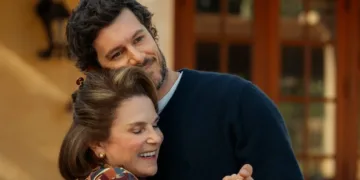











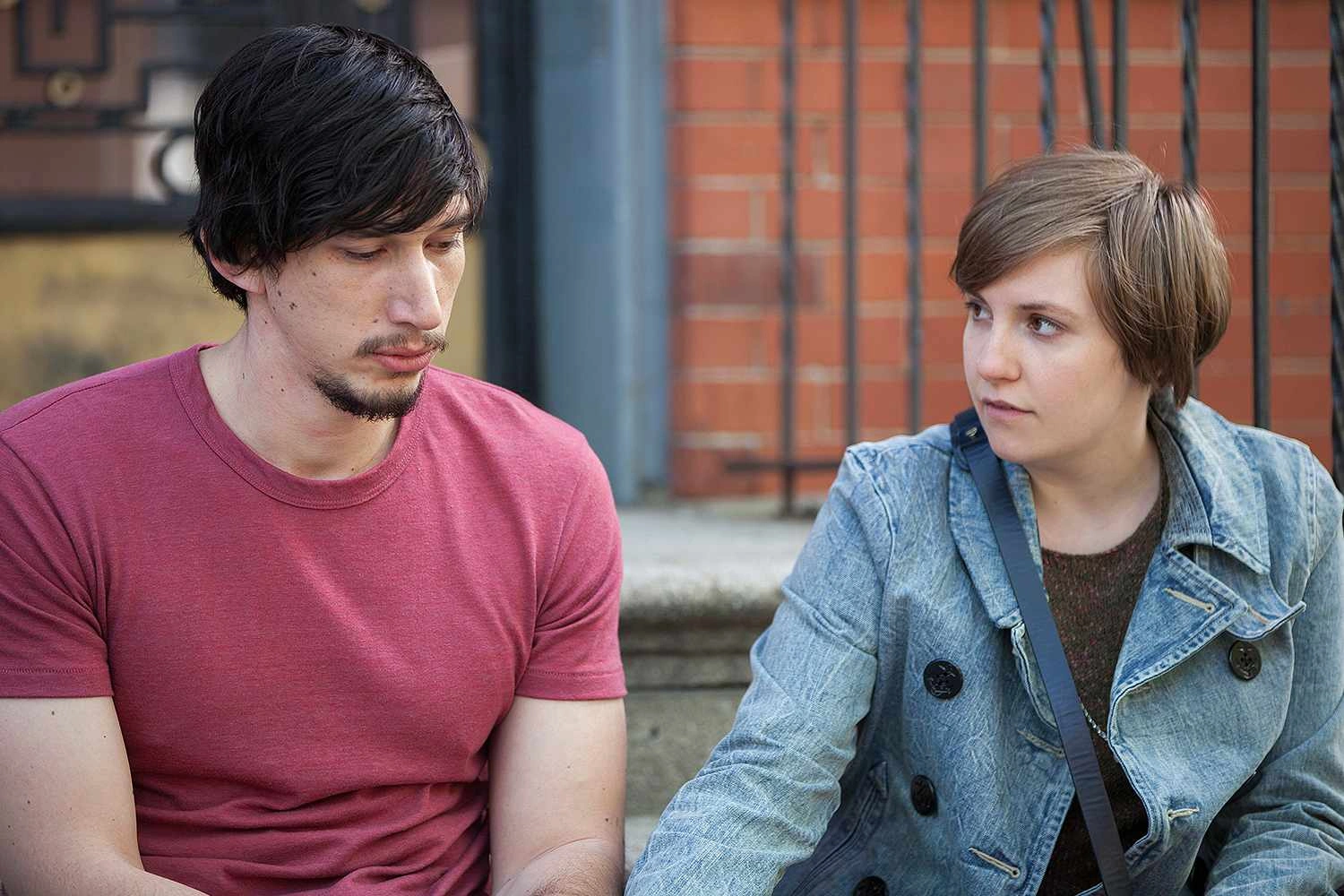

Lena Dunham is reopening one of the most charged relationships from the Girls era, using her new memoir Famesick to describe Adam Driver as a brilliant collaborator, an emotionally central figure in her creative life and, at times, a frightening presence on set. In remarks published Tuesday by Deadline and People, Dunham said she wrote about Driver in an “honest way” because she wanted to capture the full shape of a bond that fed the HBO series and then vanished after production ended.
The timing is no accident. Famesick arrived on April 14 and has quickly generated headlines for Dunham’s account of working with Driver across six seasons of Girls, where she says his intensity could swing from electric to volatile.
Among the episodes drawing the most attention are her claims that he once hurled a chair during rehearsal, punched a wall near her head and grew too rough in intimate scenes that had been discussed in advance. Dunham also writes that the emotional line between work and private feeling became blurred, then snapped for good after the show wrapped in 2017 and the two stopped speaking.
Dunham is trying to frame those disclosures as portrait rather than score-settling. She told People she was interested in the contradictions: the fear, the admiration, the creative dependence and the confusion of leading a hit series in her 20s while managing illness, fame and a cast member whose star was rising fast.
In a recent Guardian interview, she placed that period inside a larger account of burnout, chronic pain, addiction and the cost of becoming a cultural flashpoint at 23. That wider framing changes the story from a single on-set grievance to a fresh fight over authorship, memory and who gets to define a formative collaboration after the cameras stop.
The response has split along familiar lines. Some readers see the memoir as a candid attempt to revisit a chaotic production with sharper language and better self-knowledge. Others are focusing on the severity of the allegations themselves and the absence of Driver’s voice in the current publicity cycle. By Tuesday, coverage had amplified Dunham’s claims across entertainment media, while Driver had not publicly answered them.