




















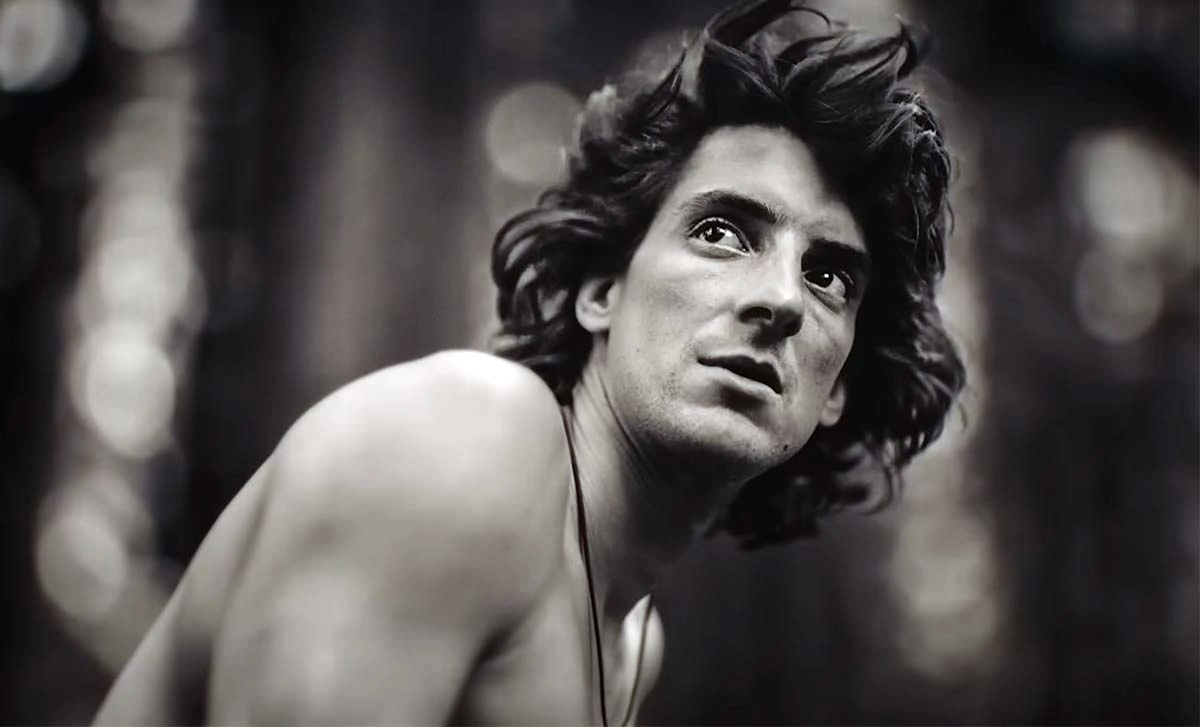

I remember seeing archival footage of Yosemite from the 1970s, when the rock looked like a proving ground for outsiders. HBO Max’s four part series on Dean Potter opens from that spirit and follows a man who came to define a modern chapter of extreme athletics through a chain of ever riskier decisions.
Potter’s path runs from childhood in a military family to the granite cathedrals of California, where he helped shape disciplines that stretched ideas of human capability, including ropeless free soloing and BASE jumping. The series returns again and again to a childhood memory that anchors his story. Potter describes a vivid dream of falling from a great height, a vision that arrived before his life on the cliffs began.
The series treats that memory as the starting point for his fixation on the vertical world. His peers called him the Dark Wizard, a nickname that speaks to his technical mastery on rock faces and to the heavier psychological currents pulling him toward danger. What emerges is the portrait of a man trying to escape a fate he believed he had already seen. He spent his life under the shadow of that dream.
Animated Journals and the Pursuit of Stillness
Directors Peter Mortimer and Nick Rosen look past the expected sports documentary playbook and focus on the psychological machinery driving their subject. They draw heavily from Potter’s personal journals, and the production gives his handwritten words a striking animated form. I found those passages especially strong because they create a direct path into his inner friction.
Friends and family describe a life shaped by undiagnosed manic depression, and the series presents Potter’s extreme pursuits as his attempt at self preservation. He chased a condition he described as clarity through emptiness. The demands of ropeless climbing imposed a kind of mental silence that daily life could not give him.
Potter carried a sharp internal contradiction. He had a meditative side that came from his mother, and that gentleness lived beside an intense competitive drive. Through interviews with the people closest to him, the series builds the image of a figure growing steadily more isolated. He retreated inward whenever the noise of the world became too much.
The film also traces the friction between his search for spiritual purity and the demands attached to commercial deals. He wanted the openness of the mountains, and he also felt the draw of professional recognition. That conflict shaped much of his middle years. His journals leave the impression of a man who felt ghostlike inside his own life.
The Physical Reality of the Void
I have long been drawn to the way filmmakers try to capture vertical space, and the camera work here gives the rock a living presence. The series maps Potter’s physical development from traditional records to experiments with increasingly severe danger. He first made his mark by breaking speed records on the massive walls of El Capitan.
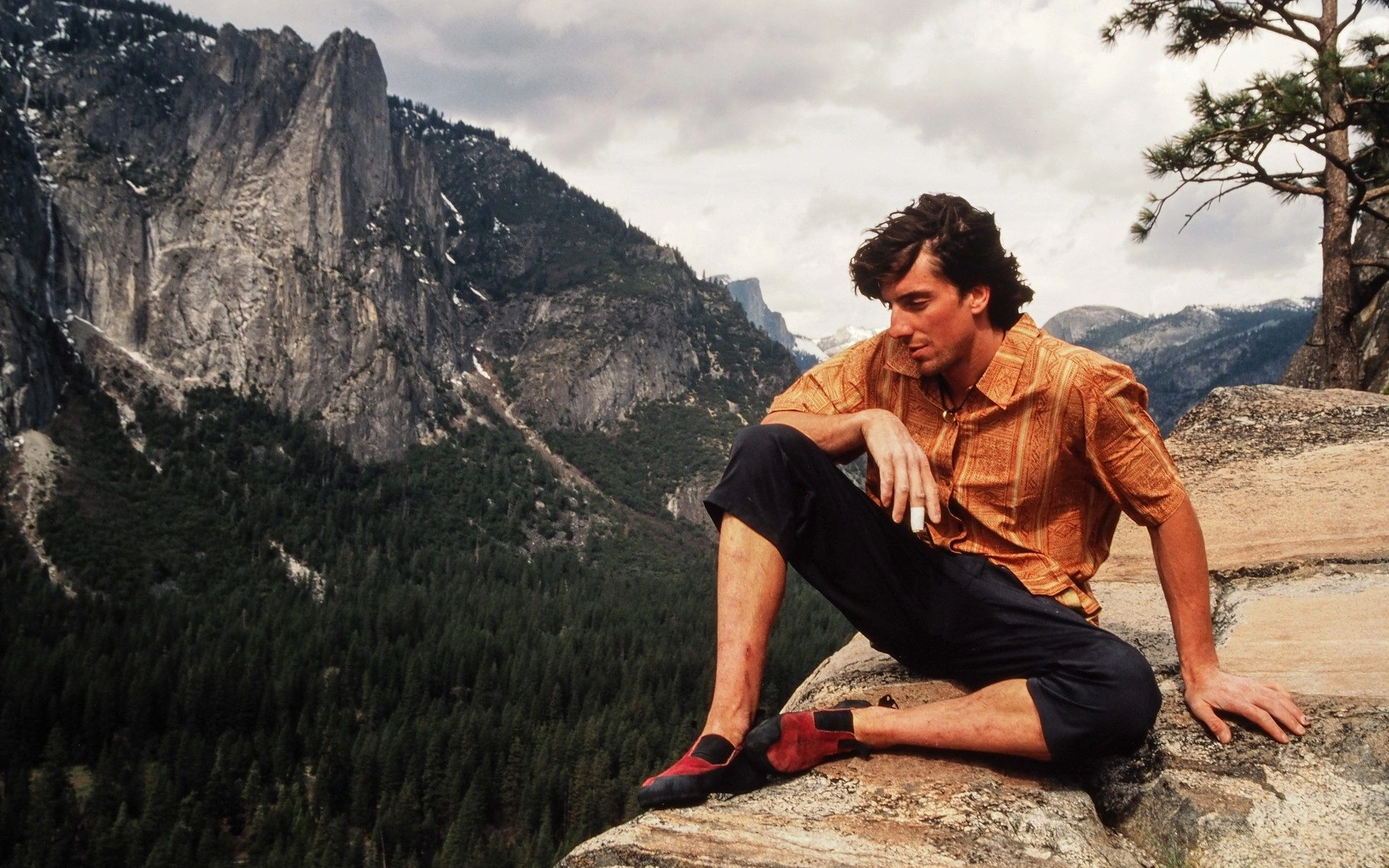
From there, he moved into freeBASEing, a method that meant climbing vertical faces without ropes while carrying a parachute as a final chance at survival. The series explains how that innovation let him operate at the highest difficulty while leaving himself one slim possibility if he slipped.
The middle episodes turn to the moments that transformed his public standing. His climb of the Delicate Arch in Utah created a major rupture inside the climbing community. That choice cost him his major sponsors and recast him from hero to deeply divisive figure. The series also features his highline walk in China, broadcast live to millions.
Potter insisted that safety nets be removed for the event, and he fell again and again during practice. The footage conveys the severe pressure of working at the brink of catastrophe. His life had become a form of labor in which error carried almost no margin. In time, he moved toward wingsuit flying, the discipline that gave him the sensation of flight he had wanted since childhood.
Rivalries and the Limit of the Human Frame
The final sections turn to the social and professional pressures closing in on Potter during his later years. A younger generation of athletes began to rise, and Alex Honnold came to stand for that shift. Honnold started breaking apart the records Potter had spent years setting, and the change struck directly at Potter’s ego. It pushed him to search for fresh ways to hold his place. He drifted farther from the rock and farther into the air.
That movement carried deep consequences in his personal life. His marriage to Stephanie Davis broke apart under the strain of his singular focus. His later relationship with Jen Rapp reveals the emotional toll borne by the people who remained beside him. Potter also lived in constant tension with the law, carrying out illegal jumps in national parks at night so he could avoid arrest.
After opening his parachute, he would immediately search the ground for police lights. The series organizes his life around the idea of the edge, the point where skill and mortality meet. Potter stayed in that narrow strip as a way of proving his worth.
The voices of his contemporaries give the final stretch of the series a sober tone. They speak with respect for his brilliance, yet they also treat his life as a warning. He kept going until no space remained beyond the risk he had already chosen.
The series reached audiences on April 14, 2026. Viewers can find the four episodes on HBO or through the HBO Max streaming service. This production follows the life of a prominent figure in the climbing world. It focuses on the internal forces behind high risk athletics.
Where to Watch The Dark Wizard Online


Full Credits
Title: The Dark Wizard
Distributor: HBO, HBO Max
Release date: April 14, 2026
Rating: TV-MA
Running time: 60 minutes
Director: Peter Mortimer, Nick Rosen
Writers: Peter Mortimer, Nick Rosen
Producers and Executive Producers: Halle Johns, Zachary Barr, Olivia Ahnemann, Peter Mortimer, Nick Rosen, Josh Lowell, Elizabeth Potter, Nancy Abraham, Lisa Heller, Bentley Weiner
Cast: Dean Potter, Jen Rapp, Alex Honnold, Elizabeth Potter, Brad Lynch, Jay Epstein, Jim Hurst, Timmy O’Neill, Dean Fidelman, Dan Duane, Eric Perlman
Director of Photography (Cinematographer): Chuck Fryberger, John Behrens, Brett Lowell
Editors: Josh Lowell, Joshua Steele Minor
Composer: Dan Deacon
The Review
The Dark Wizard
The series provides a stark look at the cost of obsession. It avoids simple praise by focusing on the heavy psychological price of Potter’s life. The use of journals makes the experience feel intimate and visceral. It captures the physical reality of the vertical world with startling clarity.
PROS
- Innovative animation of personal journals
- Unflinching look at mental health struggles
- Spectacular high-altitude cinematography
CONS
- The four-hour runtime feels long
- Recurring themes of risk might feel repetitive