



























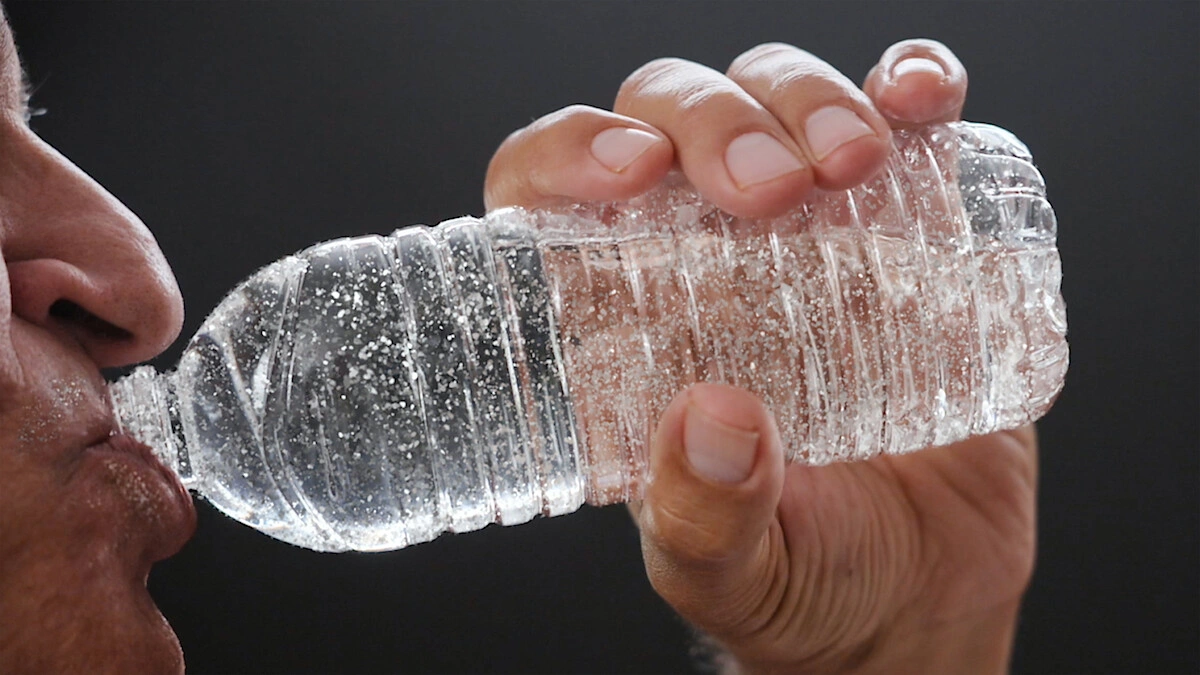

The first images of The Plastic Detox summon a civilization coated in petroleum residue. Every shot studies the tactile evidence of modern life. A plastic bottle catches the light. A polyester shirt gives off its synthetic gleam. The montage builds a mood of sterile entrapment, with the suspicious geometry of a 1970s psychological thriller. Epidemiologist Shanna Swan steps into this sealed environment.
Her 2021 research argues that the petrochemical era is contracting the future in biological terms. Her focus rests on the sharp decline in sperm counts. The film follows six American couples across the country, from the humid suburbs of Florida to the rough terrain of Idaho. These couples have spent years trying to conceive.
Some have waited ten years. Swan presents microplastics and endocrine disruptors as the unseen adversaries inside these private ordeals. The anguish expands past domestic disappointment. The documentary proposes a threat at the scale of the species. Our devotion to convenient polymers begins to look like a slow act of biological self-sabotage. Humanity, ever inventive, has apparently found a way to package its own undoing.
Domestic Forensics and the Alchemy of the Everyday
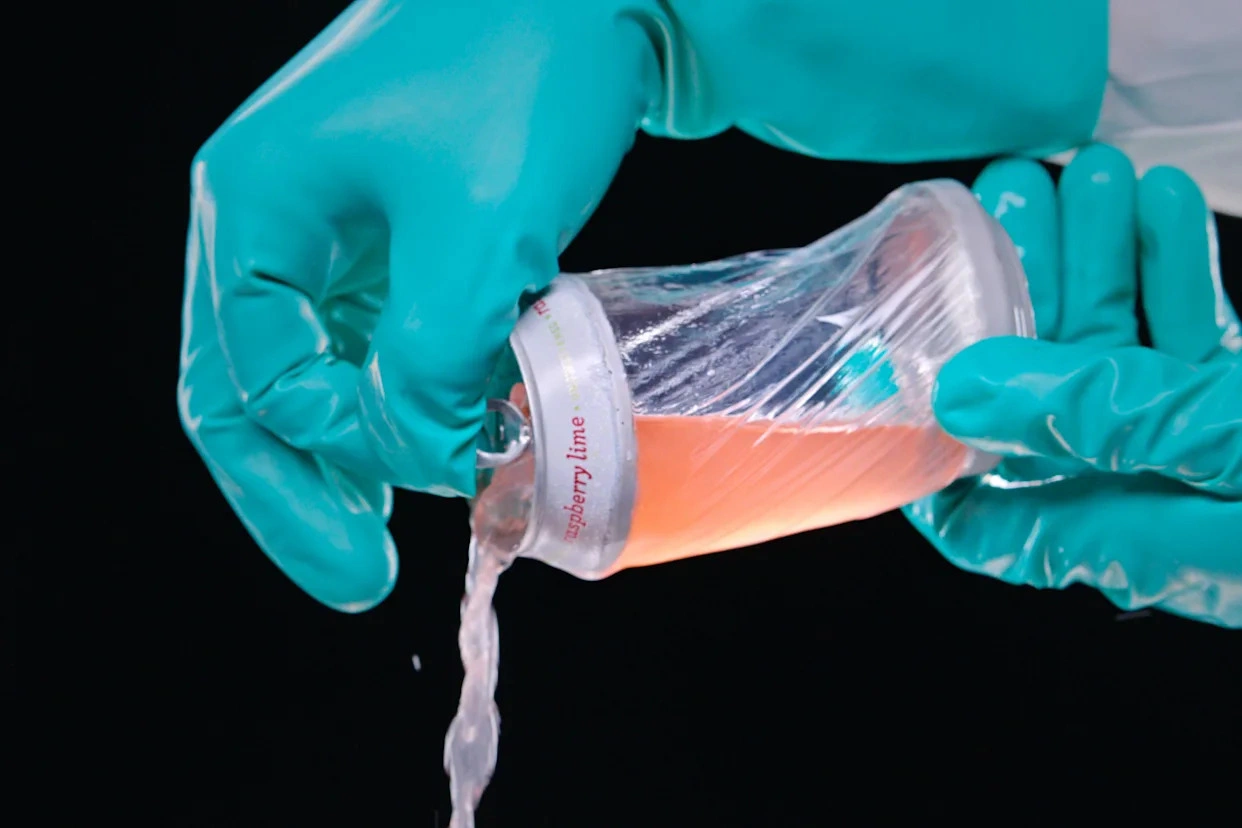
Swan moves through homes with the precision of a forensic investigator. She searches cupboards for the chemical traces of phthalates and BPAs. These compounds lurk in seltzer can linings and scented hygiene products. The lighting stays plain, watchful, almost bureaucratic. That visual flatness serves the argument. The danger appears ordinary. The experiment demands a severe material conversion.
Bamboo takes the place of the plastic toothbrush. Wood replaces the kitchen spatula. Organic cotton replaces the synthetic blend. The process plays like a domestic exorcism, conducted under fluorescent calm. Scientists describe the body as an invaded territory. They explain how these particles travel into human organs. The film links these intrusions to cancer and neurological decline.
The subjects are monitored through a steady flow of biological evidence. Sperm mobility and chemical concentrations in urine become narrative markers. Swan also discusses physical indicators such as “small taints.” The remark supplies a brief, dry flicker of comedy inside a grim register of contamination.
It also sharpens the film’s deeper anxiety: the most private zones of the body are being pressured by objects bought casually, used daily, and discarded without ceremony. The shift toward an organic lifestyle appears as resistance through matter. It becomes a fragile bid to reclaim the body from an environment shaped by industrial waste.
Corporate Hegemony and the Geography of Discarded Lives
The film then leaves the kitchen and enters institutional space. It examines the inertia that permits these toxins to remain in circulation. A 2011 Senate committee hearing supplies a chilling archival moment. In the clip, the FDA admits that its safety data comes directly from manufacturers. The admission exposes a staggering conflict of interest, delivered with the blandness official systems often reserve for disaster.
The documentary uses comparison to expose American failure. The European Union has banned 1,100 harmful chemicals. The United States has banned nine. The gap points to a severe regulatory void. The recycling movement receives similar scrutiny. Only 9% of plastic consumables in the U.S. receive a second life.
The industry promotes recycling as moral cover for rising production. The film travels to Cancer Alley in Louisiana, giving those figures a human and geographic form. Sharon Levine enters as an activist fighting the Formosa corporation. The film identifies the demographic stakes of her battle. Levine lives in a largely Black community facing severe health risks.
This passage becomes corporate noir, with poisoned land, buried history, and power moving through the frame like smoke. The discovery of unmarked graves of enslaved people on the proposed factory site stops construction. Past violence and present pollution meet in the same soil. The film names the hunger for infinite profit as the engine of systemic decay.
Digital Verite and the Paradox of Individual Agency
Directors Louie Psihoyos and Josh Murphy favor a restless visual grammar. Social media montages and TikTok clips capture the static of the digital age. The device shows how information, dread, and spectacle circulate through the contemporary mind. The documentary offsets that velocity with cultural reference points. It mentions Joe Rogan and compares Swan to Marie Kondo.
These gestures tether the scientific material to a recognizable media climate, keeping the data from hardening into a lecture. The experiment carries visible limits. It has no control group. Its sample size remains small. The film acknowledges those weaknesses and places its narrative weight on the couples.
Their hope, fatigue, and accumulated disappointment provide the dramatic pulse. The final visits release some of the tension that has gathered across the film. The cleanse results arrive with guarded optimism. Some couples achieve the pregnancies they had sought for years. The filmmakers resist a simple happy ending. They place the basic human right to procreate under the shadow of corporate power.
A single person changing a spatula appears painfully modest against a global industry. The film presents lifestyle change as an initial act, a necessary response to a poisoned environment. Larger repair demands a departure from the current economic model. The documentary leaves behind a charged mixture of agency and frustration. It offers no easy answer to a problem that feels nearly impossible to contain.
The Plastic Detox premiered on Netflix on March 16, 2026, and is currently available for streaming on the platform. This eye-opening documentary follows six couples facing unexplained infertility as they embark on a rigorous three-month experiment to eliminate plastic-related chemicals from their daily lives. Directed by Academy Award-winner Louie Psihoyos and Josh Murphy, the film balances scientific inquiry with personal human stories, investigating how microplastics and endocrine disruptors like phthalates and BPAs impact reproductive health and general well-being.
Where to Watch The Plastic Detox (2026) Online


Full Credits
Title: The Plastic Detox
Distributor: Netflix
Release date: March 16, 2026
Rating: TV-14
Running time: 1 hour 32 minutes
Director: Louie Psihoyos, Josh Murphy
Writers: Mark Monroe
Producers and Executive Producers: Josh Murphy, Laura Wagner, Mark Monroe, Louie Psihoyos, Ariane Wu, Samara Stein, Carole Tomko
Cast: Shanna Swan, Leonardo Trasande, Philip Landrigan, Jasmine McDonald, Sharon Lavigne, John Warner, Monique Tavares, Bruno Pereira, Eric Isaac, Julie Isaac, Katie Olson, Tim Olson, Darby Nubbe, Jesse Nubbe, Kate Mulder, Erik Mulder
Director of Photography (Cinematographer): Zachary Rockwood, August Thurmer
Editors: Collin Kriner, Matthew Stamm
Composer: Craig DeLeon
The Review
The film presents a stark examination of the petrochemical saturation of the human body. It pairs the intimacy of domestic struggle with a grim analysis of regulatory failure. While the central experiment lacks rigorous scientific controls, the emotional weight of the subjects provides a grounded entry point into a terrifying reality. It serves as a sharp alarm for the modern consumer. The documentary succeeds by making a systemic crisis feel deeply personal. It demands attention through a lens of biological survival.
PROS
- Emotional resonance with the participants.
- Precise identification of toxic additives in household goods.
- Insightful coverage of corporate accountability and the Louisiana resistance.
- Sharp use of humor to temper the fear.
CONS
- Limited data pool for the central trial.
- Absence of a control group.
- Occasional lack of focus across diverse themes.