

























![Kingdom Hearts Collection [I-III] Review](https://gazettely.com/wp-content/uploads/2026/10/Kingdom-Hearts-Collection-I-III-1-360x180.webp "Kingdom Hearts Collection [I-III] Review: KHII Holds Steady as Newer Entries Fluctuate 37")



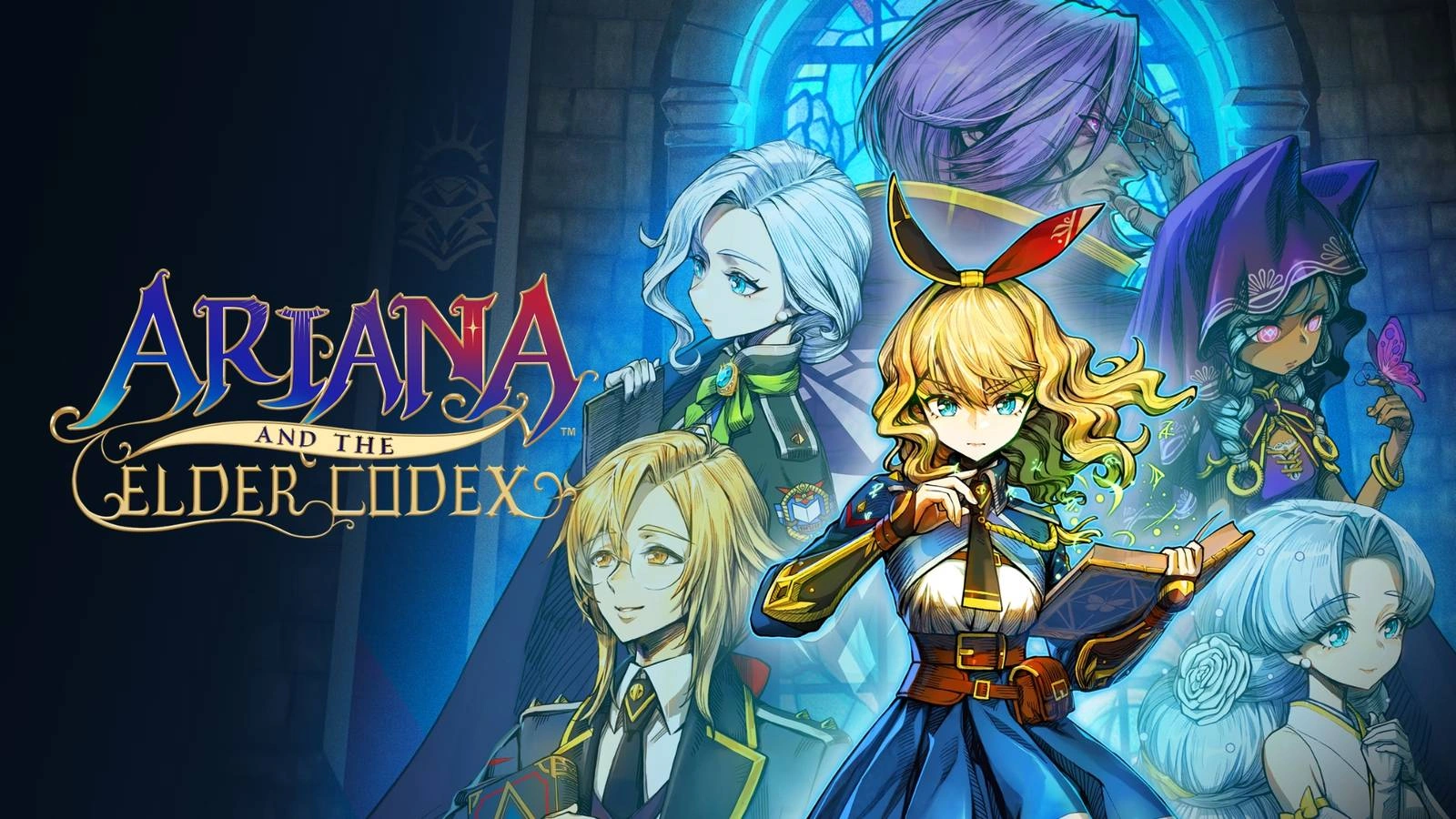

Ariana works as a librarian inside a massive archive that protects the Seven Hero Codices, the books that form the basis of all worldly magic. The crisis begins after an unknown figure vandalizes these texts, causing magical energy to vanish at once. Ariana has a rare power that lets her physically enter books, turning her role from quiet keeper of records into the world’s key defender. Her mission sends her into damaged pages, where she repairs rifts, restores the elements, and mends the narratives that hold reality together.
That premise gives the game a clear mechanical and thematic spine. The library functions as a gateway, and each codex becomes a playable space where story repair and world repair are treated as the same act. Ariana’s gift links exploration directly to narrative design: she steps through words, fixes broken stories, and saves the legacy of the Seven Heroes by restoring the magical order those books sustain. The disappearance of magic gives the setup immediate pressure, placing a bookkeeper in a role usually reserved for warriors and chosen champions.
The Silent Hub and Storied Shadows
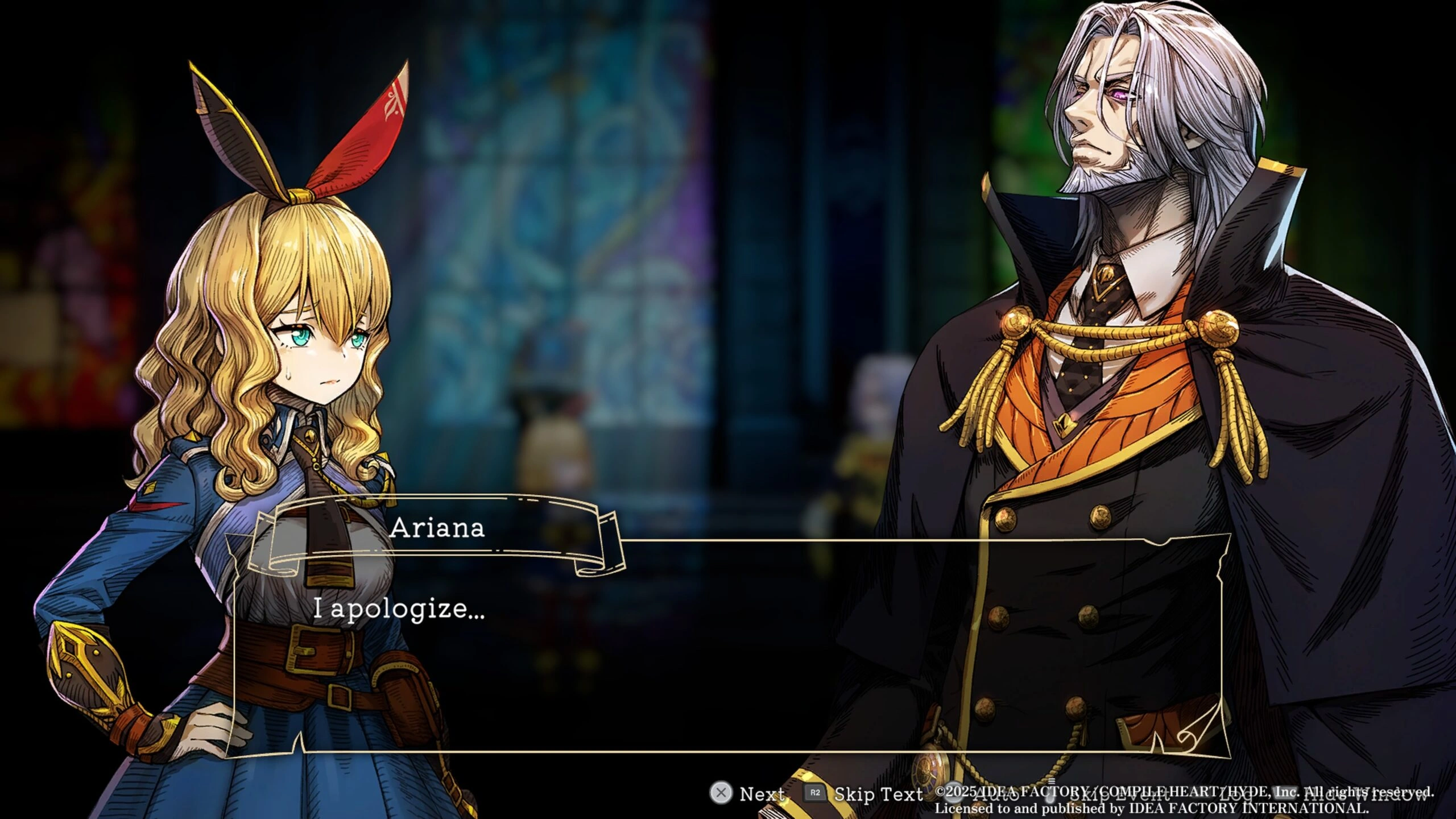
The story plays out through static visual novel segments built around expressive character art and lengthy dialogue. Historical material appears through Shadows of the Past sequences, which use silhouettes to portray ancient conflicts. That stripped-down presentation gives the lore a poetic quality, especially during scenes tied to the war between humans and demons.
Ariana brings cheerful energy to the archive, giving the heavier lore a lighter point of entry. Archmage Eldrin serves as her grumpy mentor, delivering blunt guidance with a prickly edge. Luma, a serious servant, creates humor through her stoic reactions to the lead. Their dynamic gives the library some personality during the quieter stretches between missions.
The history carries extra weight once the game reveals that a demon named Divina created the Codices to help humanity. That twist deepens Ariana’s discoveries and gives the Seven Hero material a sense of moral complexity. The story remains inside the library or within the books, so players never directly see the outside world. That choice creates isolation and makes the archive feel like a protected space surrounded by crisis.
The library works as a safe hub between codex missions. Optional documents expand the history of the Seven Heroes and give further detail on the cultures harmed by the loss of magic. The writing can feel heavy during long conversations that explain the danger behind the damaged books. Still, the dialogue-driven structure keeps the stakes clear before each restoration task. Every repaired codex uncovers another piece of the past, and Ariana’s naive perspective helps make the large historical ideas easier to absorb.
Casting Without Constraints
Combat uses a 2D action system built around spell timing and loadout management. Ariana carries six active magical abilities, with her sword serving as a constant tool. The sword has no cooldown and acts as her basic physical defense, giving players a reliable option between spell casts.
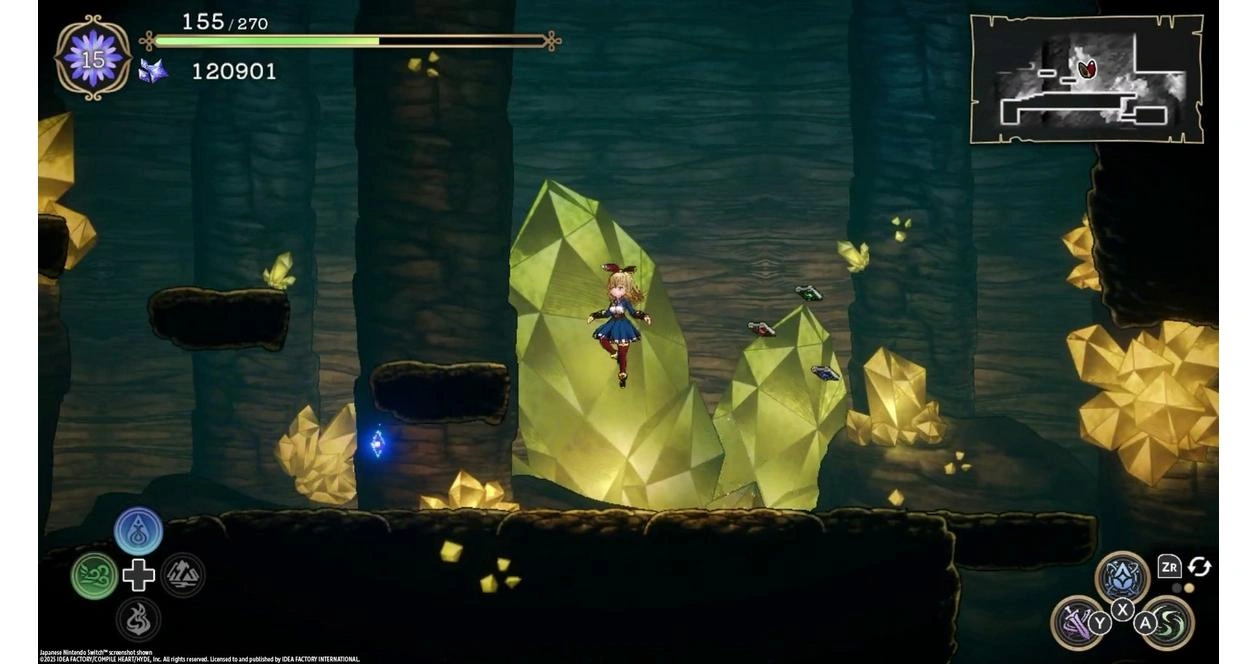
Magic is divided across Fire, Water, Earth, and Wind. Each element follows a counter cycle, with Fire proving effective against Water enemies. The system asks players to keep adjusting during fights, since the best answer depends on enemy type, cooldown timing, and the current spell setup.
The game replaces traditional MP pools with casting timers. Each spell enters cooldown after use, pushing players to rotate through abilities with care. Landing a rapid sequence of different spells can trigger an Elemental Burst, a large explosion that damages nearby foes. This gives combat a rhythm built around sequencing, timing, and spacing.
Each element has a clear role. Wind can pull enemies together for easier targeting. Fire applies damage over time to groups. Earth creates barriers or heavy ground strikes. The early Water healing spell gives Ariana a vital safety net, allowing recovery between intense encounters. These functions make the spell kit readable without feeling shallow.
Progression comes through materials found inside the codices. Upgrading spells changes how they behave in battle, which encourages experimentation across different combinations. Strategic choices in the loadout screen shape the pace of each fight. Since there is no shared resource pool, encounters become tests of timing, cooldown awareness, and elemental planning. Combining elements can create strong damage output, and stacking status effects becomes especially valuable during boss fights.
The Loop of Discovery and Performance
The main loop sends Ariana from the library hub into a selected codex. She clears levels, defeats bosses, and completes each book through restoration. Tear Rifts appear across stages as optional challenges involving timed battles or races. Earning an A rank in these rifts grants permanent stat increases, making precision and speed feel tied to character growth.
Exploration uses some Metroidvania traits. Ariana gains traversal powers such as air dashes and double jumps, letting her return to earlier books and uncover hidden secrets. This backtracking supports full completion of each story and connects character progression to narrative restoration. New movement abilities do more than open paths; they make old codices feel newly readable, like damaged pages gaining fresh meaning after Ariana grows stronger.
The visual style resembles a hand-drawn storybook and recalls the work seen in Vanillaware titles. That comparison fits the game’s focus on illustrated worlds, theatrical character art, and fantasy spaces that feel drawn from decorated pages. The presentation supports the premise by making each codex feel like a place built from art and memory.
Performance varies by platform. The PlayStation 5 version delivers a smooth experience. The Nintendo Switch version has slower load times, and frame rate drops can happen during busy combat. Switch players can choose between performance and resolution modes, which gives some control over how the game handles its busier moments.
The music creates a quiet mood that suits the library setting. Each world inside a codex has its own musical theme, and those tracks shift to match the emotional tone of the story. English and Japanese voice options are available for story beats. Strong voice acting gives the library inhabitants personality, and the sound design reinforces the force of elemental magic during combat.
The Review
Ariana and the Elder Codex
Ariana and the Elder Codex offers a satisfying loop of cooldown-based combat paired with beautiful hand-drawn visuals. The story slows down during long dialogue scenes. The elemental magic system keeps the action fresh. The process of repairing books and gaining new powers works well for those seeking a manageable 2D experience. Technical performance on specific platforms remains a minor hurdle. It is a charming title that succeeds by focusing on a specific, cozy style.
PROS
- Deep spell customization.
- Beautiful hand-drawn art.
- Smooth combat flow.
CONS
- Repetitive enemy types.
- Slow dialogue pacing.
- Switch performance issues.







