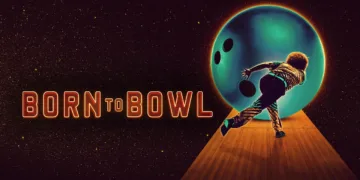


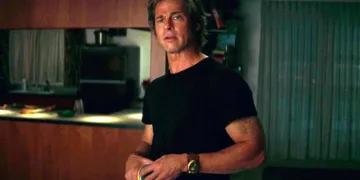
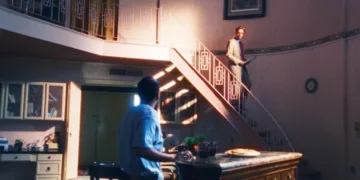







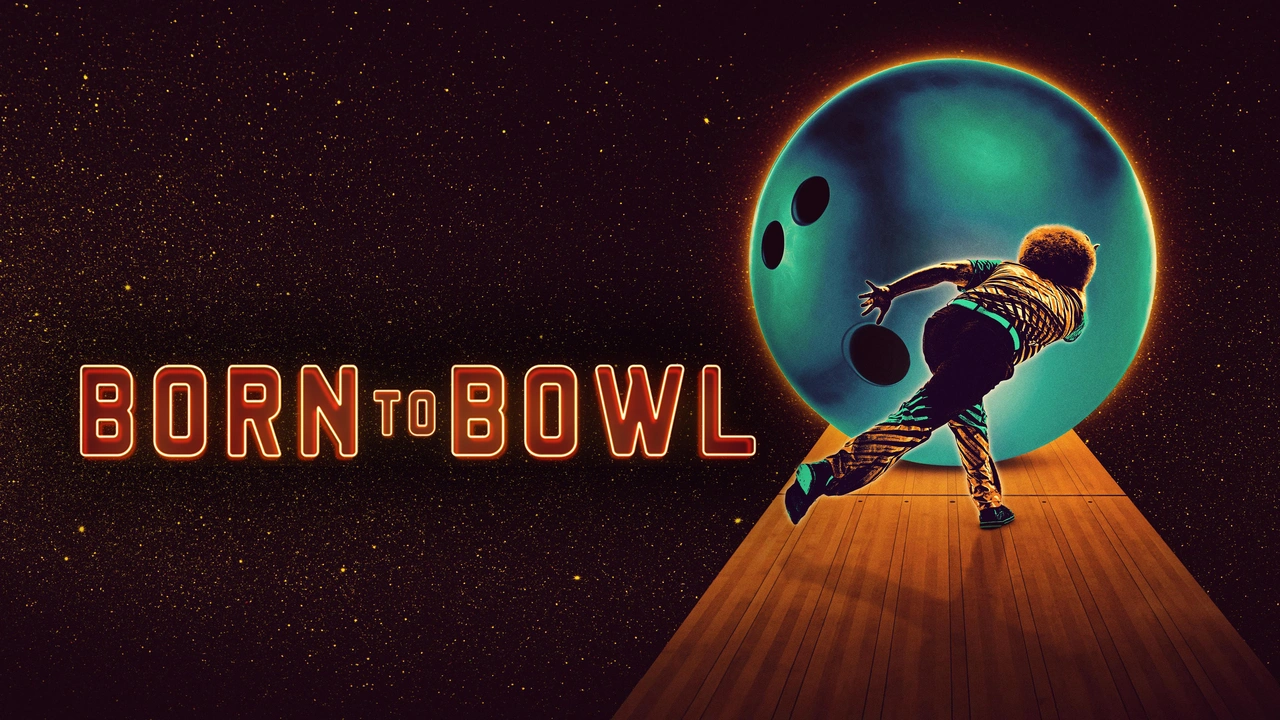

Born to Bowl arrives as a five-part HBO documentary series produced by A24, a pairing that carries a promise of aesthetic gravity, and the series answers that promise with straight-faced conviction. James Lee Hernandez and Brian Lazarte follow the Professional Bowlers Association tour across a four-month season, studying a sport commonly linked with casual recreation. Beer, rented shoes, the democracy of fluorescent carpet.
The series pushes that familiar image toward the professional reality of elite competition. The directors track five specific bowlers through nineteen tournaments, including five major championships with serious prize money attached. Liev Schreiber narrates, giving the wooden lanes an aura of historical consequence, which is mildly funny until the series makes the case.
Bowling appears here as a working-class pursuit, a rougher cousin to polished spectacles such as Formula 1 or Wimbledon. The production gives weight to the grit of the lanes, the people who gave their lives to the pins, and a rarely filmed pocket of American competition presented with this level of visual care.
Heredity and the Heavy Ball
Kyle Troup carries the legacy of his father, Hall of Famer Guppy Troup. He embraces a vivid public persona and the nickname “Pro with the Fro,” a performance of brightness that covers deep familial pressure. Legacy, in this sport, is a heavy ball with memory trapped inside it.
Anthony Simonsen offers a harsher angle. He is a younger talent with a difficult background, someone who dropped out of high school to bowl for survival, drives a forklift during his off months, and moves through the tour with serious physical pain. This is the blue-collar bruise, the bodily tax collected by low-glamour sports.
Australian Jason Belmonte, the veteran who popularized the two-handed style, faces the struggle of staying relevant against younger players. EJ Tackett appears as a perfectionist whose life turns around the lanes his family owned. He even fixes toilets at the center. Humility is the sport’s floor, sometimes literally. Cameron Crowe enters as the newcomer trying to earn his first major victory.
These men share blue-collar origins, and the series presents the facts of their lives and motivations with admirable clarity. It studies their daily existence outside bowling centers: shared hotel rooms, self-driven cars, personalities revealed through action. The result is a portrait of labor, inheritance, and self-invention under cheap lighting.
Topography of the Invisible
Professional bowling contains technical challenges hidden from the casual eye. Oil patterns coat the lanes in specific shapes, creating invisible obstacles. The oil shifts as balls travel over it, forcing bowlers to adjust their shots to this liquid drift, a changing topography beneath the game’s plain surface. The ball representative becomes a vital ally, helping with equipment choices and mental strategy. The role feels almost priestly, if the sacred object were drilled for finger placement.
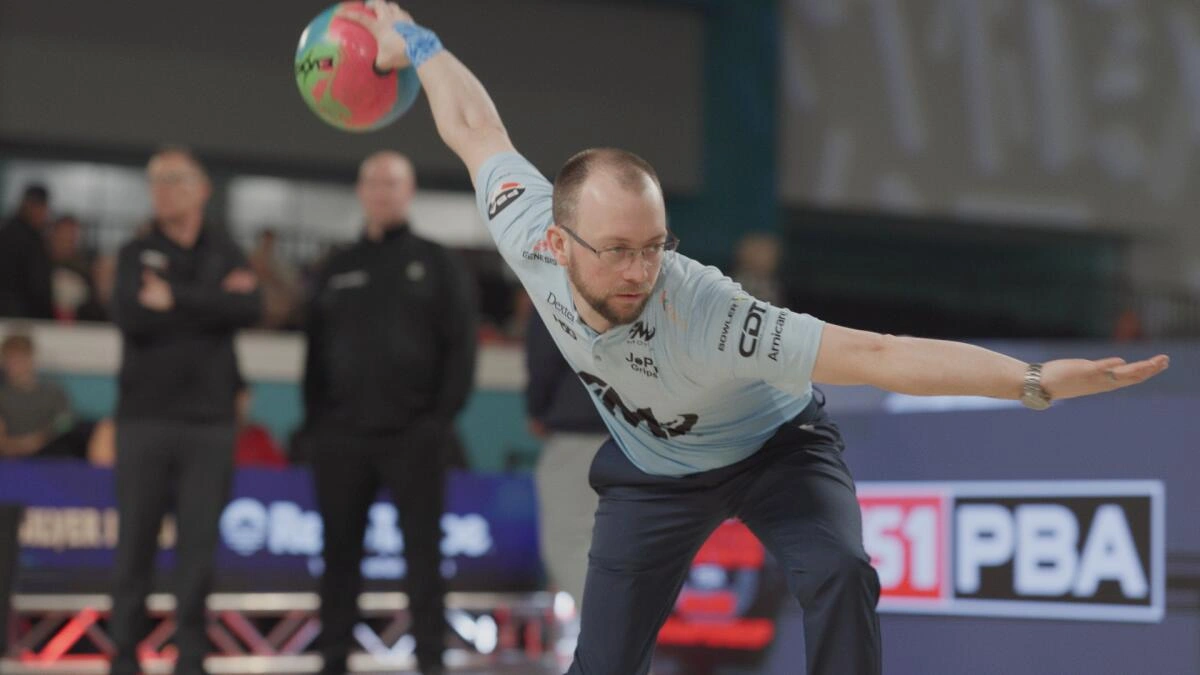
The logistics of the Professional Bowlers Association tour reveal a striking absence of financial excess. Players drive their own cars between cities such as Reno and Akron, creating a tour of secondary markets and strip malls. They share budget hotel rooms to save money. The private jets of golf or racing belong to another economic universe. Here, the physical toll is real, and the televised finals carry the biggest financial stakes.
A looming end to the Fox Sports television deal adds urgency. The future of these careers depends on that contract. If the deal fails, the season disappears. The sport faces an existential threat, which sounds grand until the series makes it painfully practical: fewer broadcasts, fewer livelihoods, fewer chances to keep rolling.
The Sound of Impact
James Lee Hernandez and Brian Lazarte rely on precise filmmaking choices. High-speed cameras capture the violent physics of a strike. Montages bridge the space between tournaments. Lighting transforms bowling centers into grand arenas, allowing the lanes to acquire a strange ceremonial glow. The directors emphasize the sound of balls hitting wood, making the game feel heavier and significant. Sound becomes the sport’s own music, a percussive language of force, hope, and collapse.
The series builds a clear division between high-society sports and the bowling alley aesthetic. Emotional moments are handled with quiet intensity. One player loses a match by two pins, a moment of pure pin-pathos. The film crew’s presence affects the athletes.
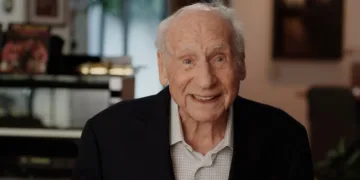
Some bowlers grow irritable under constant observation, revealing the tension of lens-life, the psychic cost of being watched while trying to perform. Liev Schreiber applies a grave voice usually reserved for football, and Ben Stiller makes a brief appearance as an executive producer. Somehow, this all works.
The show finds drama in a sport often viewed as simple. Its narrative gives priority to the players’ inner emotional weather and treats the lanes as a professional workplace. The recurring image of the ball returning to the bowler gains real force. It suggests labor, repetition, failure, return, and the stubborn ritual of trying again.
Born to Bowl is an HBO Original five-part documentary series that premiered on March 16, 2026. The series, directed by the filmmaking duo James Lee Hernandez and Brian Lazarte, offers a gritty and humorous look into the professional world of bowling by following five elite athletes on the Professional Bowlers Association (PBA) Tour. Produced by A24 and Ben Stiller’s Red Hour Films, the show highlights the blue-collar realities and high-stakes drama of a sport often overlooked by mainstream media. You can watch the series on HBO or stream all episodes on the Max platform.
Where to Watch Born to Bowl Online


Full Credits
Title: Born to Bowl
Distributor: HBO, Max
Release date: March 16, 2026
Rating: TV-MA
Running time: 30 minutes
Director: James Lee Hernandez, Brian Lazarte
Writers: James Lee Hernandez, Brian Lazarte
Producers and Executive Producers: A24, Ben Stiller, John Lesher, Mike Tollin, Jonathan Vogler, Lev Ekster, Carissa Del Bene, James Lee Hernandez, Brian Lazarte, Jared Polin, Isaac Solotaroff, Alexander Stevens, Jordan Bogdonavage, Amy Chaffin, Mason Gordon, Nancy Abraham, Lisa Heller, Bentley Weiner
Cast: Liev Schreiber, Kyle Troup, Anthony Simonsen, EJ Tackett, Cameron Crowe, Jason Belmonte, Guppy Troup, Ben Stiller
Director of Photography (Cinematographer): Tom Pittenger
Editors: Scott D. Hanson, Rick Milewski, Benedict Kasulis, Brian Lazarte, Will Simpson
Composer: Nick Sena, Zachary Dawes
The Review
Born to Bowl
The series succeeds by honoring the "lane-grit" of a quiet American pastime. It captures the heavy physics of the game. (Gravity remains the ultimate referee). The production reveals the anxiety of the working athlete. It highlights a "spare-life" existence. It acts as a meditation on repetition. The camera makes a bowling alley feel like a cathedral of kinetic energy. It remains a sharp study of class and precision.
PROS
- Gritty A24 visual style.
- Honest economic portrait of the tour.
- Precise focus on technical mechanics.
CONS
- Occasional "snark-lean" in the narration.
- Disorganized tournament point structures.
- Limited historical depth.