






![Kingdom Hearts Collection [I-III] Review](https://gazettely.com/wp-content/uploads/2026/10/Kingdom-Hearts-Collection-I-III-1-360x180.webp "Kingdom Hearts Collection [I-III] Review: KHII Holds Steady as Newer Entries Fluctuate 37")



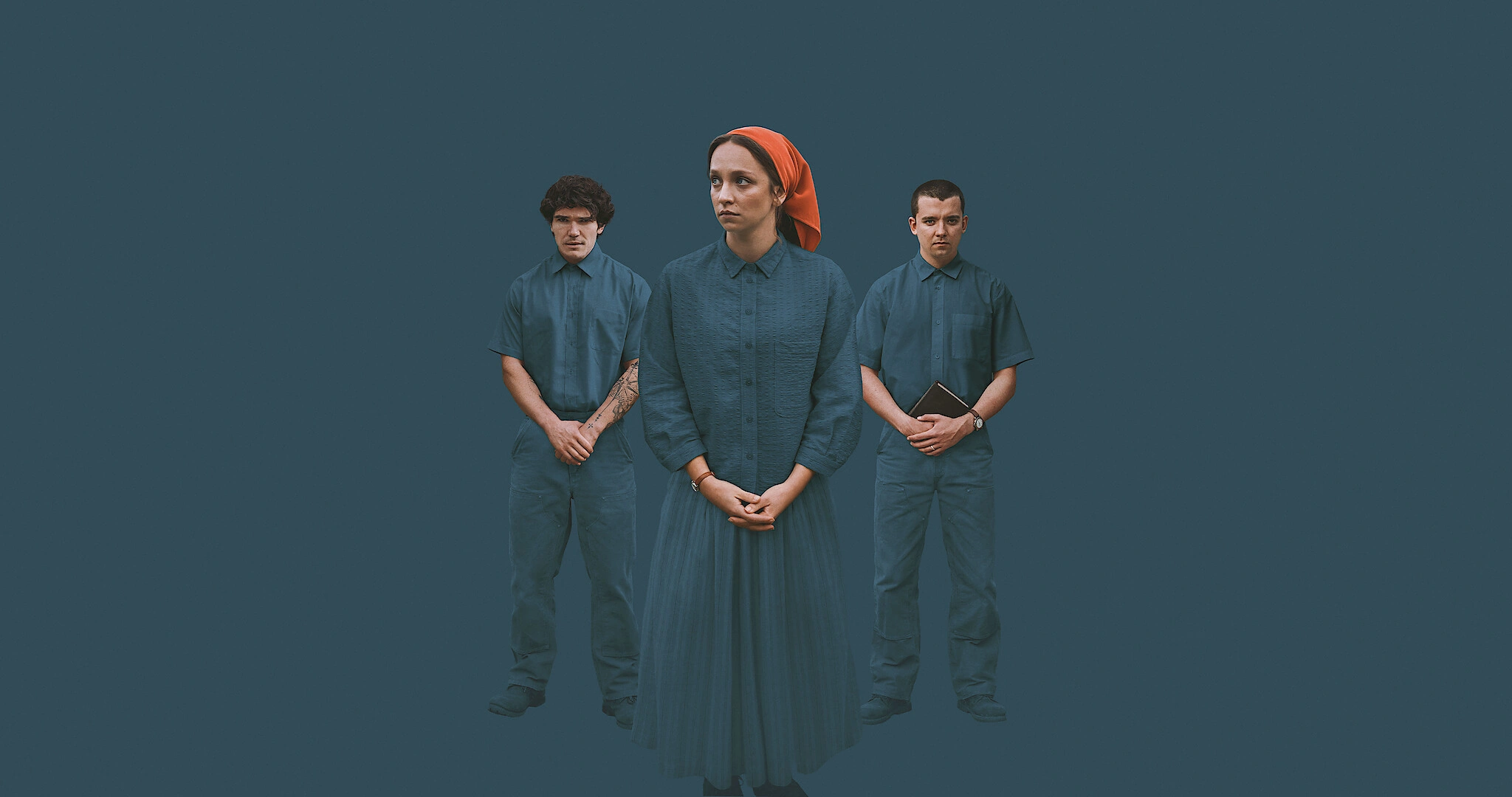

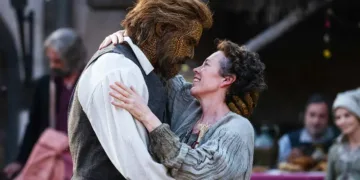
Unchosen offers a chilling portrait of the Fellowship of the Divine, a secretive Christian sect tucked into the English countryside. The series follows Rosie, a woman living under strict obedience beside her husband Adam and their daughter Grace. Their days move according to rigid rules that divide the holy from the secular. Members cast themselves as an elect remnant and mark outsiders as the Unchosen.
That brittle calm breaks during a violent rainstorm when Grace wanders into the woods. A mysterious man named Sam pulls her from a pond, then vanishes before the rest of the community can reach him. His appearance plants doubt inside the group and gives that doubt a human face.
This six part Netflix production studies the psychological burden of isolation and the cost of spiritual conformity. Its modern UK setting presses the point that closed societies remain a living reality. The story passes through the concealed lives of its members, dwelling on the strain between public devotion and private sin.
The Anatomy of Control
The Fellowship of the Divine runs on a logic of total separation. Its leaders impose a worldview split cleanly in two, with the Chosen on one side and the Unchosen on the other. That division forms a psychological cage, and the threat of shunning hangs over every life like a quiet sentence. Life inside this Kent enclave feels ancient while still existing beside the present day.
Men stand as providers and spiritual guides. Women are tied to the domestic sphere and expected to serve in silence. Control takes shape through the rejection of modern technology. The elders speak of the internet and smartphones as channels of filth and sewage that poison the soul. Landline phones and electric kettles remain acceptable because they serve practical needs and do not open a door to outside thought.
The weakness in this order surfaces in the treatment of Isaac. His ownership of a smartphone, that small object of glass and silicon, becomes an act of grave rebellion. His imprisonment and isolation expose the brutality beneath the community’s image of harmony. The system depends on the erasure of personal autonomy. Beneath the pastoral calm sits a culture of coercive control sustained by fear.
Character Dynamics and Performance Shifts
The force of this narrative lies in the sharp turns taken by its central cast. Molly Windsor plays Rosie with a quiet, simmering charge. Rosie appears as a woman suspended between learned obedience and a sudden, piercing awareness of her own agency.
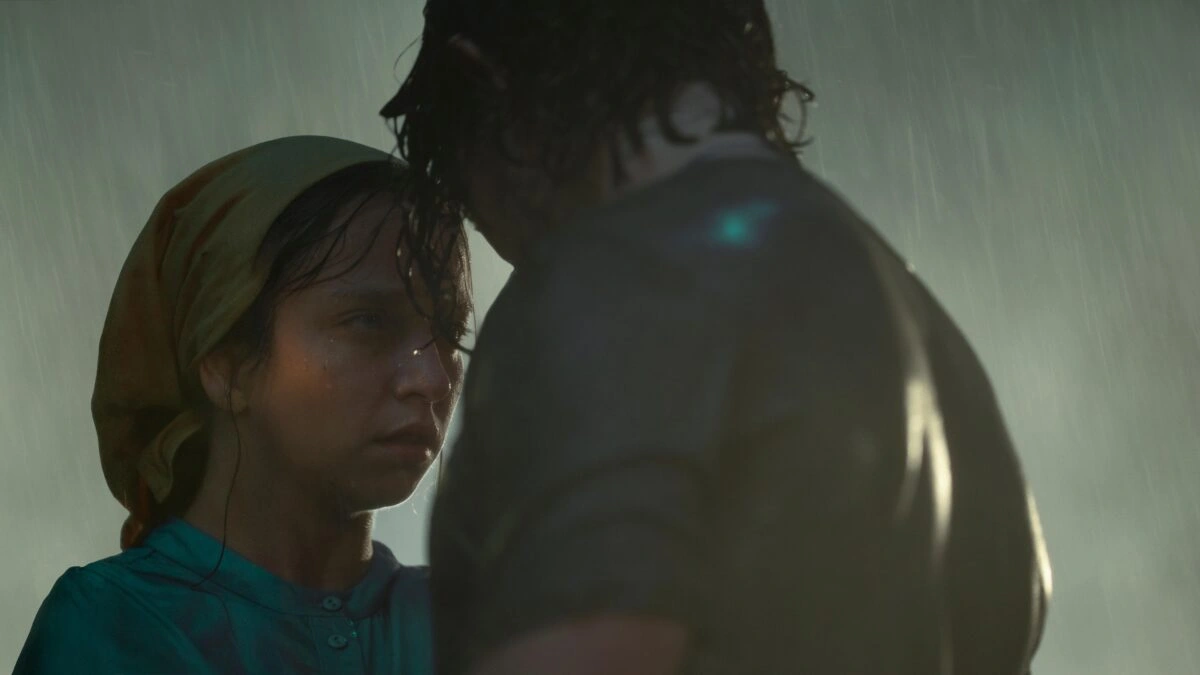
That movement arrives through subtle internal breaks, never through grand displays. Asa Butterfield gives a chilling reworking of his familiar public image. He strips away his usual warmth and plays Adam as a man whose religious fervor covers a cruel, dominant nature. The performance reveals a marriage ruled by submission rather than love.
Christopher Eccleston gives Mr. Phillips a terrifying stillness weighted with authority. His calm, measured voice conceals a manipulative core that demands absolute fealty. Alongside him, Siobhan Finneran plays Mrs. Phillips with an observant gaze that hints at private grief kept firmly under lock. She carries the cost of preserving the group’s facade.
Fra Fee enters this sealed world as Sam, a figure of pure disruption whose presence lays bare the rot inside the sect. His past stays obscured, which directs attention toward what he does instead of what he says. The exchanges among these figures stress the absence of genuine consent inside the community. Adam asserts his marital rights with a cold disregard for Rosie’s emotional condition, exposing the grim truth of their holy union.
Narrative Structure and Psychological Tension
The six episodes unfold with the care of a slow burning puzzle. Information arrives in fragments and asks for close attention to what the characters reveal in private moments. Flashbacks play a key role in reconstructing Sam’s history.
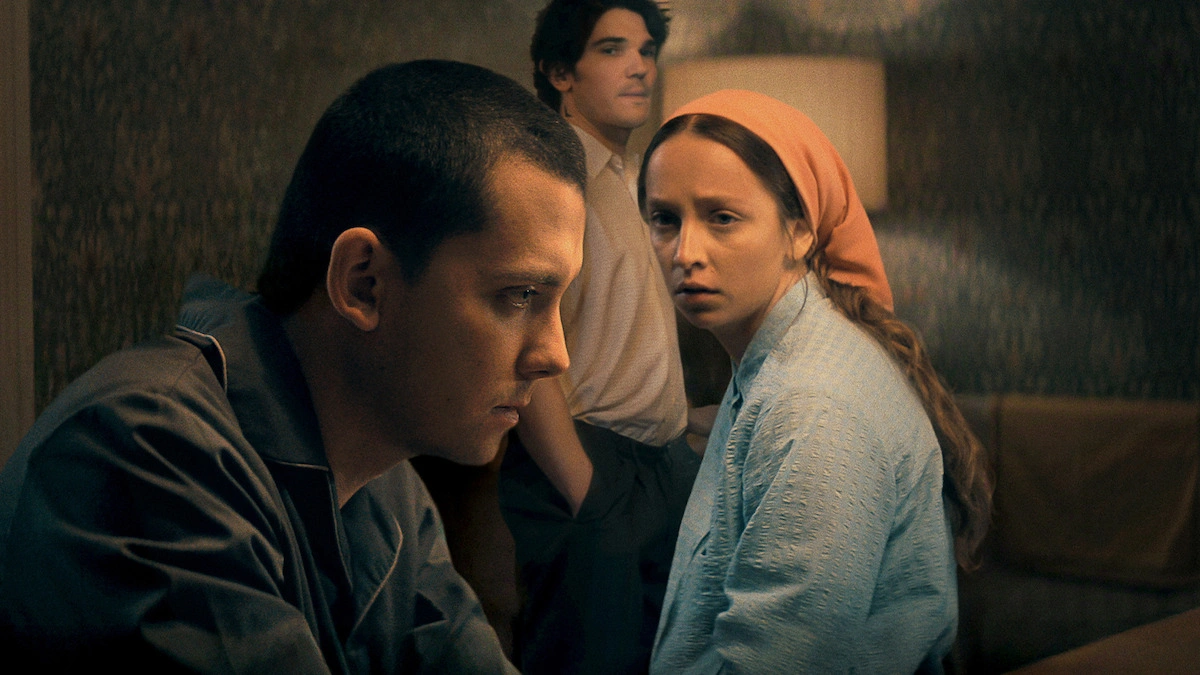
Those glimpses of prison and trauma supply the necessary frame for his arrival at the chicken coop. Tension remains acute because constant surveillance defines life inside the sect. Every glance carries judgment. Every whisper threatens betrayal. That atmosphere turns the middle stretch of the series into a study of rising pressure as the characters edge toward escape.
The script refuses simple morality. It shows people reaching for good and still sliding into harmful acts. That grayness shapes the community’s inner life. The opening storm stands as the break in the group’s image of perfection.
Grace’s disappearance near the pond exposes the failure of the leaders’ promised protection. As the episodes continue, hidden depravities inside the leadership sharpen the stakes. The thriller currents of murder and punishment emerge as natural extensions of a society built on the suppression of the self.
Visual Tone and Modern Relevance
The visual palette draws power from the contrast between the Kent countryside and the grim reality inside the homes. The rolling hills carry pastoral beauty, yet they create a feeling of entrapment without visible walls. That setting makes the presence of a cult in 2026 feel even more haunting.
Members wear simple, handmade clothing that stands apart from the modern world they fear. That choice reinforces their separation from the secular era. Julie Gearey grounded the script through research into active UK sects. The violence in the series avoids stylization.
It lands as visceral and immediate, the direct expression of the patriarchal structures governing this community. Water returns again and again across the six parts. It appears in the rainstorm that begins the crisis and in the pond where Grace nearly drowns.
Those images connect with Sam’s fractured memories of a fish factory. The motif carries the sense of a permanent threat, as if the community’s secrets could drag every life beneath the surface. The series succeeds through its portrait of danger hiding in plain sight, lodged in the quietest corners of the country.
Unchosen premiered on April 21, 2026. The series is currently available for streaming on Netflix. This British production follows the life of a woman living in a secluded religious sect and her path toward self discovery. The story takes place in modern England and explores themes of faith and autonomy.
Where to Watch Unchosen Online


Full Credits
Title: Unchosen
Distributor: Netflix
Release date: April 21, 2026
Rating: TV-MA
Running time: 40 to 50 minutes per episode
Director: Jim Loach, Philippa Langdale
Writers: Julie Gearey
Producers and Executive Producers: Iona Vrolyk, Myar Craig-Brown, Julie Gearey, Nick Pitt
Cast: Molly Windsor, Fra Fee, Asa Butterfield, Siobhan Finneran, Christopher Eccleston, Olivia Pickering, Alexa Davies, Aston McAuley
Director of Photography (Cinematographer): Catherine Derry, Philippe Kress
Editors: Alex Kalmakrian
Composer: Anne Nikitin
The Review
Unchosen
The Fellowship of the Divine serves as a stark reminder of how isolation breeds control. This production succeeds through sharp character work and a refusal to offer easy comfort. It captures a heavy atmosphere of dread that stays with the viewer. While the middle chapters occasionally lose speed, the final impact remains strong. It presents a haunting vision of spiritual entrapment within a contemporary setting.
PROS
- Subversion of established actor personas.
- Use of the Kent landscape as a visual cage.
- Building tension through fragmented storytelling.
- Unflinching look at religious coercive control.
CONS
- Noticeable dip in momentum during the middle hours.
- Reliance on familiar thriller tropes for certain plot points.