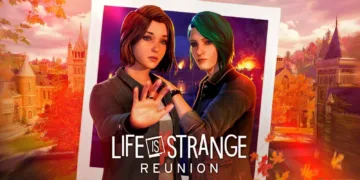























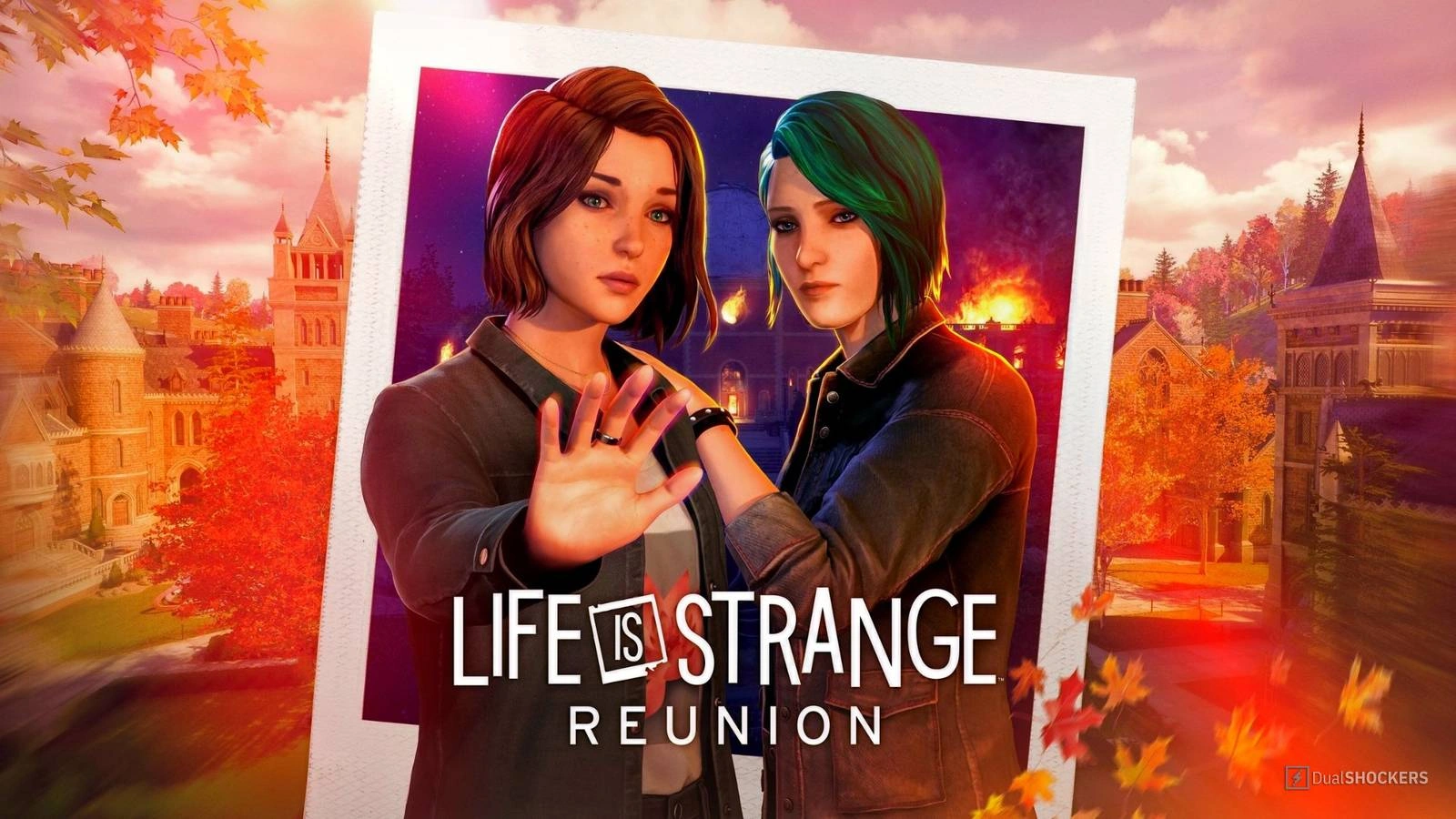

Caledon University rests beneath a dense autumn sky, a place built for study that turns into an inferno without warning. Max Caulfield returns to academic life as an established photography instructor, and that return is marked by smoke, panic, and the sound of students screaming behind locked exits. A deliberate arson attack destroys the campus, kills her friends, and leaves Lakeport reeling.
In the middle of that devastation, Max grabs a Polaroid and discovers that her old power has come back, giving her a seventy-two-hour step backward through time. That narrow window frames the entire crisis around one urgent task: find the person responsible and stop the fire.
Chloe Price enters the story again after a long silence, bringing the weight of her history with Max and fresh personal stakes of her own. Their reunion plays like a closing movement for a relationship that started ten years ago, shaped here by an investigation into a secret university group and by the painful work of repairing a bond that nearly disappeared. Every choice pushes these two women toward a fixed ending point.
Narrative Architecture and Continuity Management
The story runs on a tight three-day loop that opens with Caledon already burning. Max watches her students suffocate behind chained doors, and that image sets a harsher tone than earlier entries in the series. From a design standpoint, the opening works as a strong inciting event because it gives the player a clear objective and a clear clock.
Max jumps into a photo taken before her trip, and that single move turns the plot into a race against time. The script keeps attention on the hunt for the arsonist, then gradually widens the frame through the conspiracy tied to the Abraxas House. The mystery has the rhythm of a procedural, with each clue found in the past changing the shape of the present-day disaster.
Handling the series’ legacy requires careful system management, and the writers solve that problem through Storm Amnesia. That idea explains why the public no longer remembers the supernatural events tied to Max’s past, which lets the story move ahead without getting stuck inside earlier lore.
At the start, players choose the history they want to carry forward, deciding if Arcadia Bay was saved or sacrificed. Chloe is written as an amalgam of those possibilities, and that choice preserves the emotional force of past decisions. The result keeps player agency intact and directs attention toward the tragedy unfolding in Lakeport.
The move away from episodic release changes the story’s flow in a meaningful way. The game no longer depends on forced stopping points. The pacing comes from the natural exchange between Max and Chloe, and that gives the scenes room to breathe. The script alternates between the pressure of the arson case and quieter stretches of reflection.
Some sequences lean into patient detective work, asking the player to comb through details connected to the suspects. The story keeps moving with purpose and avoids the padded feeling that can weigh down contemporary adventure games. It stays locked on the cost of using power in an attempt to repair a damaged world. The stakes hold because the people in danger have already become colleagues and friends in the player’s eyes.
Character Evolution and Relationship Dynamics
Max Caulfield is written here as someone who has moved from timid student to mentor. Her position as a teacher at Caledon gives every decision added responsibility. Her concern reaches beyond her own survival and extends to the students in her care.
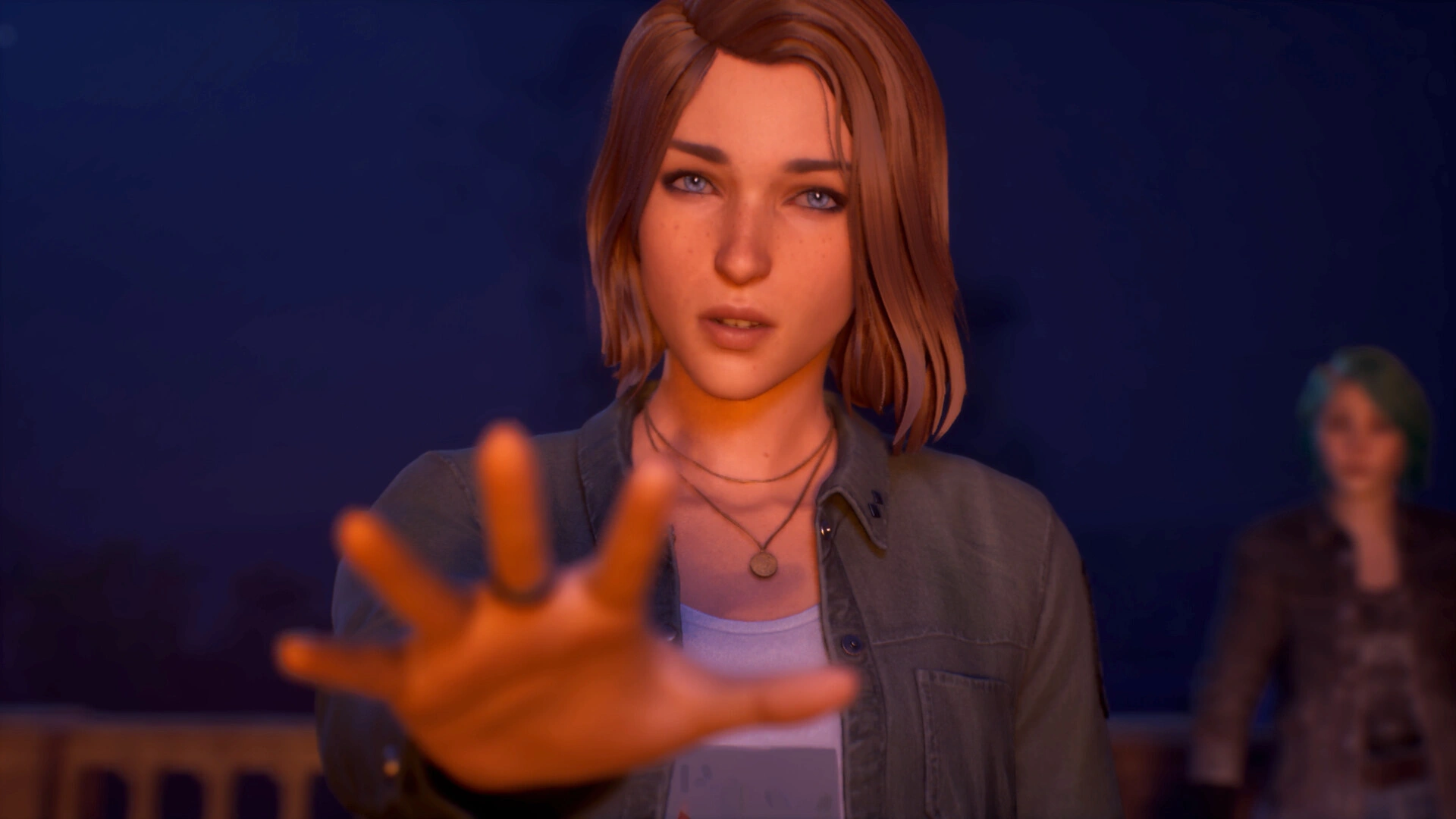
The game communicates her conflict over time travel through posture, hesitation, and restrained dialogue. She carries a clear fear that stopping the fire could trigger another disaster. That makes this version of Max feel worn down in a convincing way, like someone who understands from experience that every rescue can carry its own cost.
Chloe Price arrives as a woman in her thirties who now manages a punk band. Her blue hair is gone, though her rebellious energy remains part of her identity. She is driven to Lakeport by visions of Max and Safi, and those visions give her entrance a direct connection to the central mystery.
Chloe’s growth shows up in her temperament. She has a steadier presence, fewer explosive reactions, and a stronger focus on practical action. The dual protagonist structure becomes the main narrative tool for tracing that change. By letting the player guide dialogue for both women during their reunion, the game turns years of silence, hurt, and unfinished feeling into something interactive.
That reconciliation process carries much of the game’s emotional weight. Max and Chloe spend long conversations trying to make sense of a damaged shared past, and the player shapes both sides of that exchange. That design choice matters because it turns mutual redemption into a system with variables. The player decides how openly they speak about the letter that ended their contact and about the trauma they endured together.
The supporting cast gives the central relationship a stronger frame. Moses serves as the group’s intellectual anchor, supplying technical insight into the fire and emotional support at the same time. Safi brings a more volatile energy, and her link to the mystery creates friction inside the group. They feel grounded and motivated, yet the narrative keeps its attention fixed on Max and Chloe.
Gameplay Mechanics and Investigative Systems
Max’s rewind power returns as the game’s main mechanical pillar. It drives environmental puzzles built around timing, pathing, and information control. One sequence built around explosive charges stands out because the player has to find the correct route between bombs under pressure. The score and the vocal performances intensify the stress of that moment, turning a puzzle into something that feels physically tense.
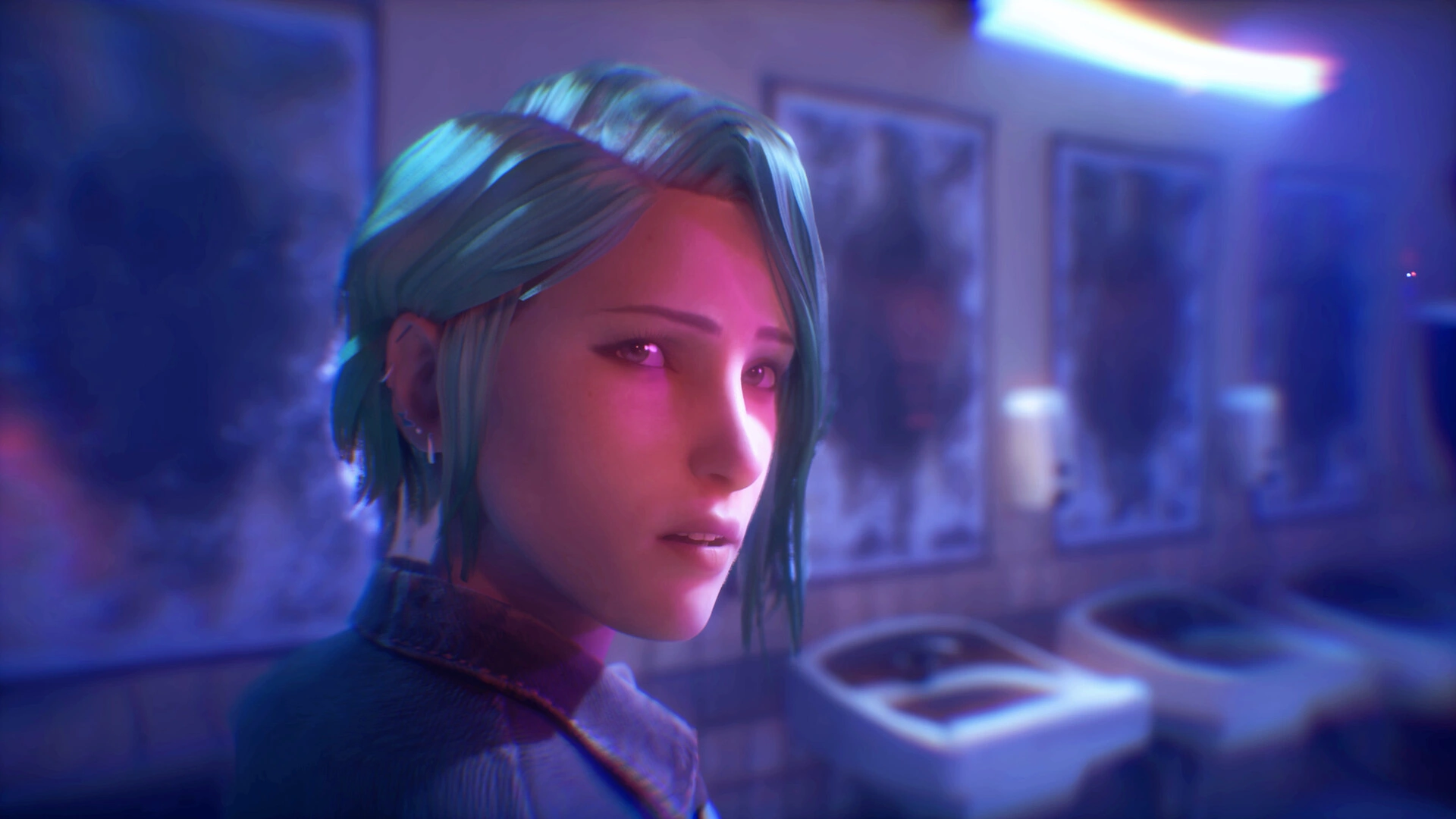
Rewind also works as a social tool. Max can speak to someone, extract a piece of information, reverse time, and use that knowledge in a second pass without exposing how she learned it. That creates an investigation loop that feels efficient and satisfying, since the power feeds both puzzle design and conversation strategy.
Chloe’s backtalk system gives the player a second play style with a very different risk profile. It functions as a fact-checking challenge that rewards careful observation of the environment. Chloe has no rewind safety net. A lost argument or a missed piece of evidence leaves the player with the outcome they earned.
That permanence changes the emotional texture of her scenes and makes them feel sharper. Chloe succeeds through language, attitude, and close reading of the space around her. Her sections highlight resourcefulness and social perception, which makes her role feel mechanically distinct without breaking the narrative link between the two protagonists.
The investigation system rewards thorough exploration across Caledon. Players are encouraged to search rooms, corners, and incidental spaces for evidence that can alter later conversations and reshape the final set of choices. Optional clues matter here. A diligent player can identify the real culprits behind the arson early, which gives exploration real narrative value.
Collectibles also feed into characterization. Max records Polaroid snapshots, and Chloe sketches points of interest. Those items give the player another line into each protagonist’s emotional state at a given moment. The choice system lands because it is tied directly to the evidence loop. What the player finds changes what the player can say and how heavily the final decisions register.
Aesthetic Direction and Technical Fidelity
The visual style draws heavily from modern independent cinema. Shallow depth of field and intimate framing keep attention on faces and small shifts in emotion. Lighting does major narrative work, especially in the opening passages where golden-hour warmth creates a fragile sense of peace before the fire tears through it.
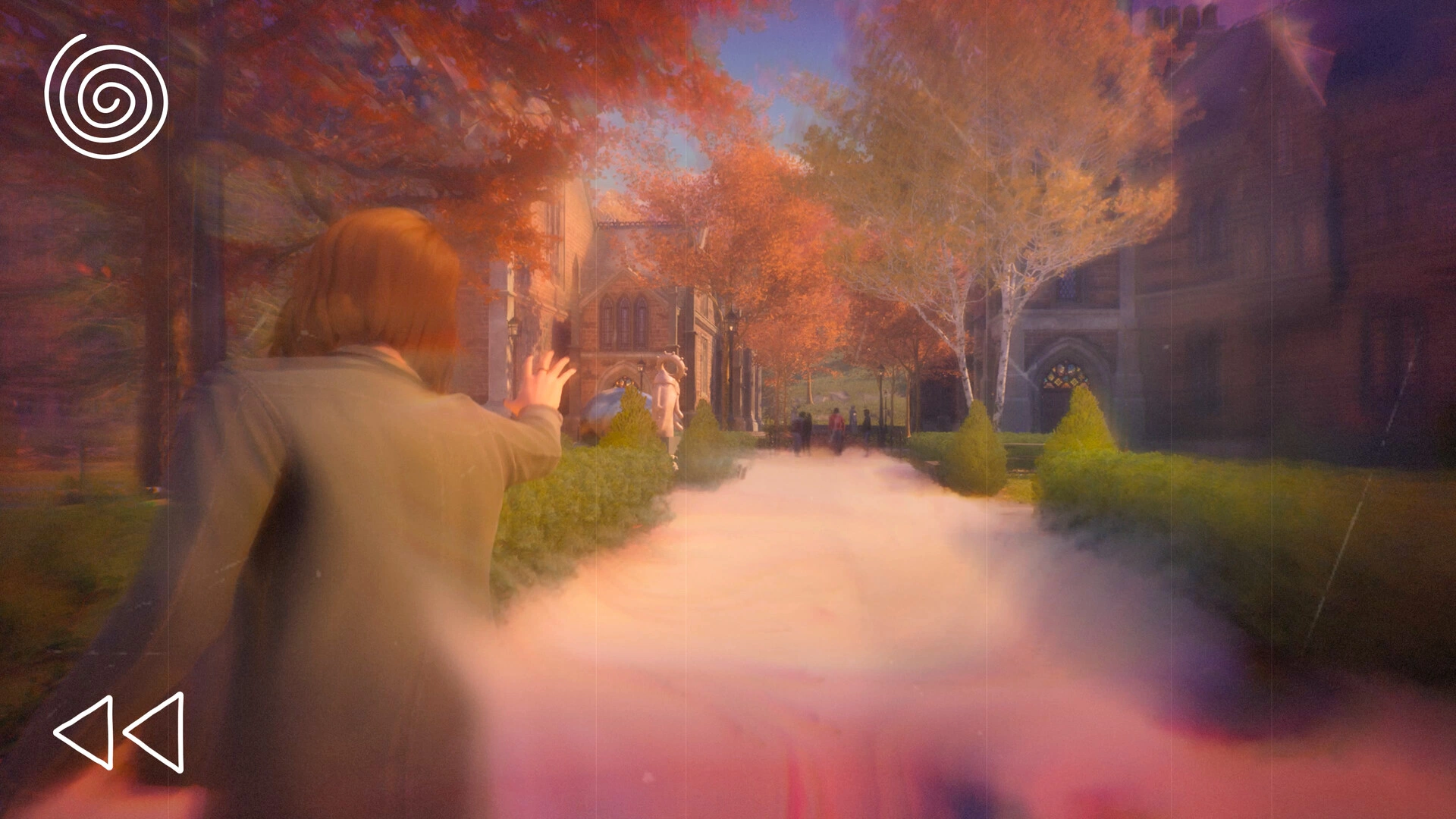
Lakeport and Caledon are filled with interactable objects that carry bits of environmental storytelling. The painterly look associated with the series remains intact, and the PC version gains from sharper textures and higher resolutions. That combination gives the game a look that feels consistent with its past and polished in its present form.
Performance capture is one of the game’s strongest technical tools. Subtle changes in Max’s face can signal dishonesty, fear, or restraint, and Chloe’s expressions carry pain even in moments where her words stay controlled. The lead voice performances carry the weight of ten years of history, which helps the reunion scenes land.
The audio design supports the setting through an acoustic score suited to the Pacific Northwest atmosphere. Licensed tracks appear at selected emotional peaks and fit smoothly into the mix. During the fire sequences, the sound design becomes especially effective through muffled audio and piercing ringing that place the player inside the characters’ disorientation.
Technical issues still leave a visible mark on the experience. Lighting glitches can make the screen flicker or drop into darkness during certain transitions, and fixing that problem often requires a full restart. Some facial rigs break in ways that create expressions out of step with the dialogue.
Secondary characters can move with a stiff, unfinished quality, especially in crowded scenes around campus. Those problems point to a production under heavy strain. Even so, the game retains its visual strength on hardware capable of running it at high settings. The bugs interrupt the experience, yet the art direction and performances still carry substantial force.
The Review
Life is Strange: Reunion
Life is Strange: Reunion serves as a heavy, final chapter for Max and Chloe. The arson mystery provides a tense frame for their emotional reconciliation. The return of the rewind mechanic feels meaningful when paired with Chloe’s high-stakes verbal tactics. While technical bugs and a slightly rushed feel in the third act hold it back, the narrative depth offers a sincere goodbye to these characters. It is a grounded study of trauma and growth that respects the players' long history with the series.
PROS
- Mature writing focused on character growth and adult reconciliation.
- The return of the rewind mechanic in clever puzzle sequences.
- Dual protagonist system adds significant depth to dialogue choices.
- Excellent vocal performances paired with cinematic art direction.
- Detailed investigative elements that reward thorough players.
CONS
- Frequent technical glitches and lighting bugs.
- Secondary cast members receive limited development.
- Backtalk mechanic feels less developed than previous versions.
- Rushed pacing in certain investigative segments.