
























![Kingdom Hearts Collection [I-III] Review](https://gazettely.com/wp-content/uploads/2026/10/Kingdom-Hearts-Collection-I-III-1-360x180.webp "Kingdom Hearts Collection [I-III] Review: KHII Holds Steady as Newer Entries Fluctuate 37")



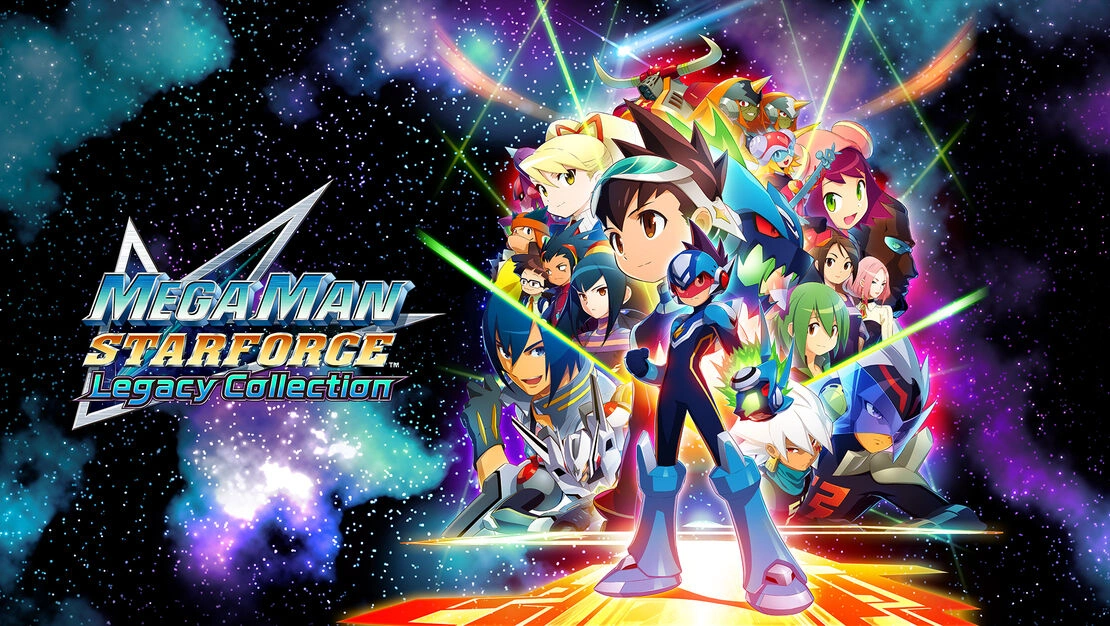

Echo Ridge is a quiet town under a sky charged with unseen signals. In 220X, electromagnetic waves saturate the world, and people connect with that hidden network through devices called Transers, or Hunter-VGs. Geo Stelar spends his nights looking up at the stars, carrying the grief left by his father’s death in a space station explosion.
That loss leaves him cut off from school, from his classmates, and from daily life itself. His situation shifts after he meets Omega-Xis, an alien fugitive from the FM Planet who offers a bargain. Omega-Xis will share information about Geo’s father, and Geo will join forces with him.
Their merger of body and data creates Mega Man, giving them access to the Wave World, a digital layer laid across physical reality. This collection brings together the three mainline games and all seven versions, with each version offering its own powers and boss encounters.
The trilogy sends players across cities and network spaces in an effort to stop an alien invasion, tying exploration to a tactical card battle system. Across all three entries, the series pushes the handheld role playing format into a new shape by linking everyday space with digital fantasy.
Emotional Resilience and the Evolution of Social Ties
Geo Stelar begins this story sealed inside grief. His father’s disappearance into space leaves a void that shapes his every decision, and the first game builds its emotional rhythm around his refusal to reconnect with other people. That setup gives the narrative a strong gameplay function.
The invaders from the FM Planet search for people carrying emotional wounds, then use those feelings to transform ordinary citizens into monsters. Each rescue turns into a battle against pain that has taken material form, giving the action a personal weight that fits Geo’s own emotional state.
That structure helps the supporting cast land with real force. Luna Platz enters as a stern, demanding presence, though her behavior grows out of pressure tied to academic success and strict parents. Bud Bison and Sonia Strumm carry their own struggles, and Sonia’s story draws strength from the loneliness attached to fame.
These conflicts give the game a steady pattern. Geo steps into other people’s pain, fights through it, and slowly learns how connection works again. The pacing suits that idea, since the story moves forward through repeated acts of understanding.
The second game turns toward an adventure shaped by ancient civilizations. That shift gives the trilogy a different tone. It feels less intimate than the first game, though the action remains lively and the forward motion stays intact. The personal element softens, yet the series still keeps Geo moving through situations that test how far he has come.
By the third game, Mega Man has become a public hero, and the world itself has changed with him. Matter Waves allow digital beings to appear in physical space, which gives the story a sense of expansion that matches Geo’s own growth. That development gains extra force through Solo, a rival built around isolation. Solo rejects bonds and treats connection as weakness.
His worldview reflects the person Geo used to be, which makes every clash between them carry emotional meaning beyond rivalry alone. The trilogy keeps returning to one clear idea: strength grows through empathy and shared struggle. Geo’s return to the world he once feared gives the arc a satisfying emotional release.
Tactical Depth within the Third Dimension
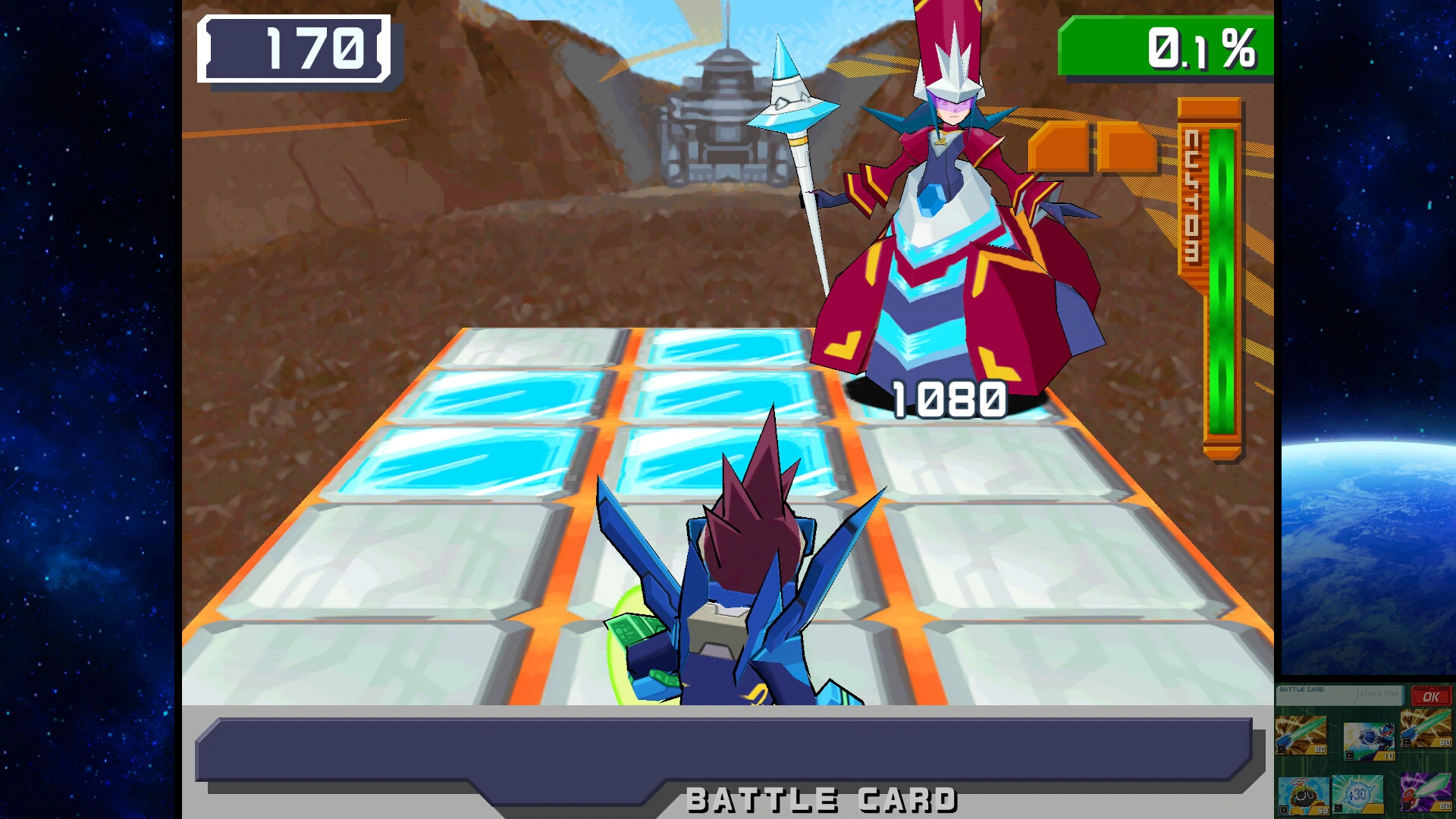
Combat gives this trilogy its own identity by moving away from the side view used in earlier entries. The camera sits behind Mega Man, who stands on a single horizontal line while enemies occupy a five-by-three grid ahead of him. That angle changes the feel of every encounter. It places the player closer to incoming attacks and makes movement read as immediate survival. You slide left and right to dodge projectiles, then answer with Battle Cards, which serve as your main offensive tools.

The Folder system gives combat its tactical backbone. You build a deck of exactly thirty cards, divided across Standard attacks, Mega cards, and Giga cards. During battle, the Custom Gauge fills in real time, and once it reaches full, the action pauses so you can choose a new hand.
Card selection follows clear rules, since you can pick cards from the same column or cards sharing the same name. That structure creates a steady push and pull between speed and planning. Battles ask for quick reactions during active play, then shift into brief moments of deck management where every choice matters.
The Lock on system sharpens close range combat. With a button press, Mega Man warps directly in front of a targeted enemy, turning swords and hammers into immediate offensive options. That warp carries risk because enemies often shift position during the animation, so timing becomes part of attack design.
Defense matters just as much. A digital Shield blocks many standard attacks, and since forward or backward movement is unavailable, guarding becomes essential. The system keeps pressure on the player from both sides. You need to read attack patterns, commit to positioning, and decide when to absorb risk.
Countering an enemy during the active frame of its attack grants extra cards from the Folder, and that single mechanic says a great deal about how the trilogy wants to be played. Success comes from observation, timing, and patience. Careless offense rarely feels as effective as studied play.
Deck building follows the same logic. A strong setup needs short range tools and long range coverage, with room for personal preference inside those limits. That mix of movement, timing, defense, and card management gives the combat a depth that holds up across the full collection. Wins feel tied to decisions the player actually made, which gives each hard-fought battle an emotional payoff.
Adaptive Forms and Version Exclusives
The transformation systems give each game its own flavor and help sustain interest across long campaigns. In the first game, your version choice shapes the form you use. Pegasus, Leo, and Dragon each change elemental affinity and charge shot behavior, so the decision affects both style and tactics. The result is simple to grasp and meaningful in play, since the version you choose immediately changes how Mega Man handles in combat.
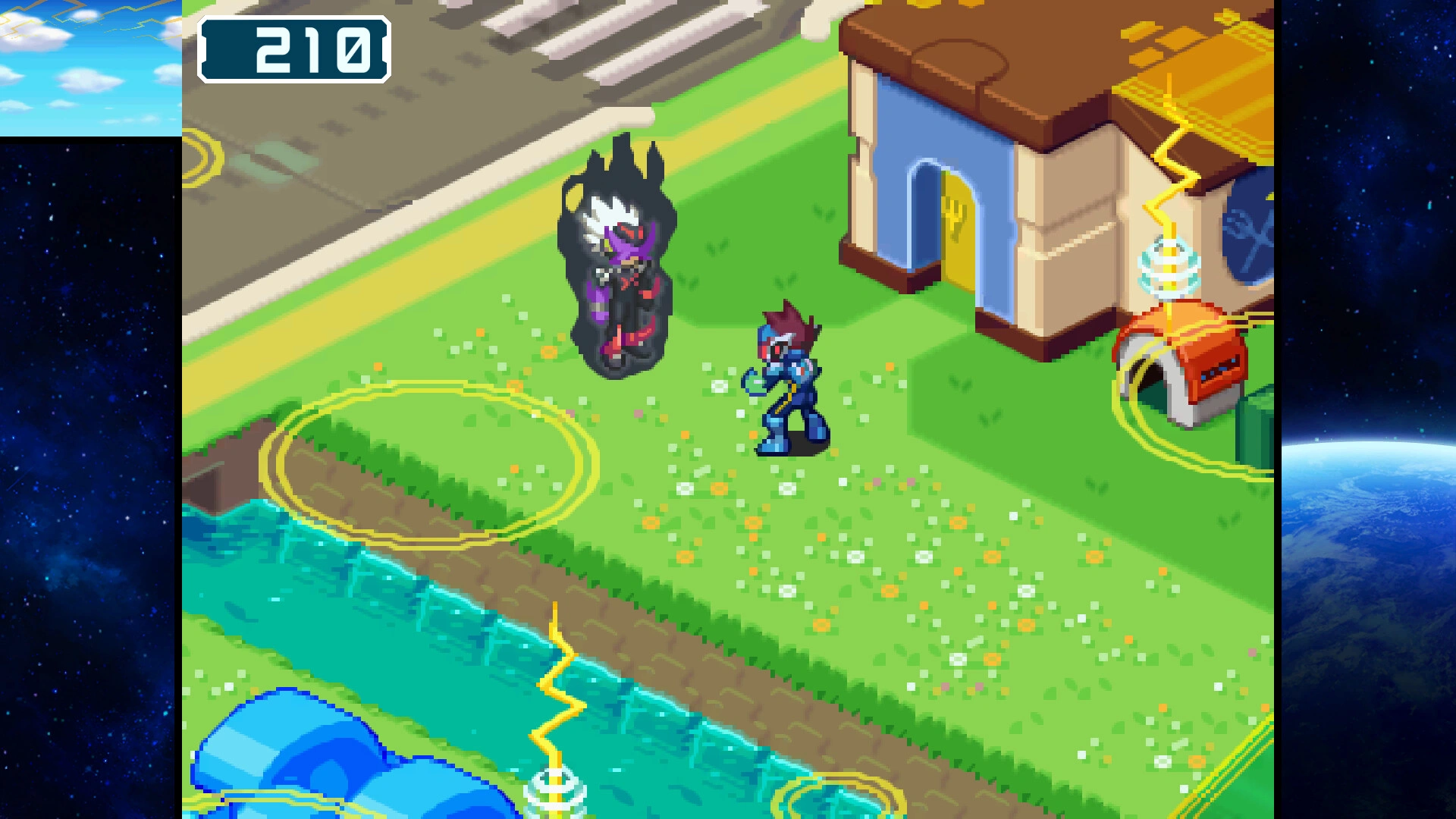
The second game expands that idea through the Tribe system. Zerker, Ninja, and Saurian forms each carry distinct benefits, including auto shielding and invisibility. The system gains extra appeal through combination, since players can merge those traits into Tribe King.
That form delivers tremendous power, though it lasts for only three turns. The short duration gives it a sharp dramatic effect in battle. It feels explosive, especially during difficult boss fights where a limited burst of strength can swing the entire encounter.
The third game introduces the Noise system, and its design leans into aggressive play. High damage overkills raise a Noise percentage gauge, which then opens access to Illegal cards. These act as stronger versions of standard attacks and do not count against Folder limits. The system rewards pressure, momentum, and damage output, giving combat a more volatile edge.
At two hundred percent Noise, Mega Man enters Finalized Noise, transforming into Red Joker or Black Ace depending on version. These forms replace your Folder with a specialized lineup of high power cards, creating a sudden shift in battle flow. Each transformation ends with a Big Bang attack, a cinematic finisher built as a payoff for careful gauge management.
This progression across the trilogy keeps the mechanics fresh. Version differences create meaningful tactical identity, and the forms encourage experimentation with different styles of play. The Noise forms in particular invite players to test what suits them best. Their visual designs also give Mega Man a striking presence, helping the mechanical changes register at a glance during combat. Across long stretches of play, that variety prevents repetition and keeps the system lively.
Modern Refinement and Archival Content
Capcom supports these handheld games with a strong set of modern features that smooth out old friction points without stripping away what made the originals memorable. Buster Max lets players clear simple battles with a single shot, which is useful during stretches where the story matters more than routine encounters.
The Encounter Slider gives direct control over random battles, letting you shut them off completely or raise their frequency for grinding. Those tools make pacing easier to tailor, and that matters in a trilogy where exploration, combat, and story all compete for attention.
The visual upgrades aim to preserve the games while making them easier to revisit on current hardware. High definition filters soften the original pixel art, and character portraits along with card illustrations have been redrawn for modern screens. A Gallery collects hundreds of concept pieces and promotional images, turning the package into a historical record of this era of the series. The Music Player adds the original tracks and new arrangements, which helps the collection function as a space for play and reflection at the same time.
The archival value grows stronger through restored material that earlier Western releases did not include. The Boktai crossover events return here, along with specific power up cards, which gives the package a fuller sense of completeness.
Online card trading and ranked battles extend the life of the games by adding fresh reasons to keep playing after the main campaigns. Auto save protects progress after defeat, removing the sting of losing hours to a single failed battle. An EX boss locator also helps players track hidden super bosses, making the postgame less opaque and easier to pursue.
All of these additions support the original design instead of distracting from it. The trilogy still asks players to learn its systems, invest in its characters, and move through its strange overlap of daily life and digital space. The difference is that the collection clears away many of the hardware-era frustrations that once stood in the way. What remains is a polished archive of a very specific moment in gaming, one where narrative, combat design, and atmosphere worked together in a form that still feels satisfying now.
The Review
Mega Man Star Force Legacy Collection
This collection serves as a definitive archive of a creative period for the series. It successfully adapts handheld mechanics to a larger screen while preserving the emotional side of Geo Stelar’s growth. While the second chapter falters in narrative depth, the third entry provides a satisfying and mechanically deep peak for the trilogy. The added quality of life features remove previous frustrations, making this the best way to experience these titles. It remains a standout example of how to modernize niche classics.
PROS
- Deep tactical card selection.
- Sincere character development.
- Modern tools reduce grinding.
CONS
- Repetitive second chapter.
- Restrictive 3D movement.







