


















Bob Odenkirk has shared the most vivid account yet of his near-fatal heart attack on the set of Better Call Saul in July 2021, describing a chaotic scene in which pandemic-era social distancing protocols delayed the emergency response and left him clinically without a pulse for a critical stretch of time.
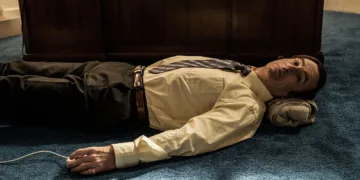
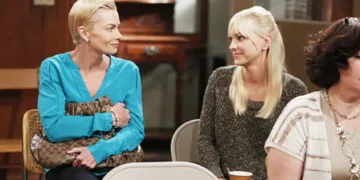
Speaking to The Times of London while promoting the overseas release of his action-comedy Normal, Odenkirk recounted how costars Rhea Seehorn and Patrick Fabian rushed to his side when he collapsed, but their screams for help went misread. “I went down and Rhea and Patrick grabbed me and they were screaming, but the crew members who noticed thought they were laughing,” he said. “So there were delays in reacting because we were all so far apart from each other.”
The set was still operating under pandemic-era filming restrictions, which kept cast and crew physically separated to a degree that proved catastrophic in the moment. Odenkirk later acknowledged he was fortunate not to have retreated to his trailer, adding: “If I’d gone to my trailer, I wouldn’t be here, because they don’t bother you.”
When the on-set medic finally reached him, the situation grew more alarming still. “He didn’t know what to do. He’d never done CPR,” Odenkirk said, relaying what others later told him. “I was gone. I turned gray.” Doctors later discovered a completely blocked “widow-maker artery” — a condition that frequently proves fatal.
Odenkirk retained no memory of the incident itself. “A lot of people get that wonderful reel of film of their life, or they have a person who says, ‘Do you want to go back?’ None of that for me,” he said. “The first memory I have is leaving the hospital a week after I got there.”
The blockage was fixed without open-heart surgery. Odenkirk returned to the New Mexico set just over a month later in September 2021, with producers scheduling shorter shooting days to protect him. Since the attack, he has cut back on sugar and takes statins, aspirin, and metoprolol, a beta-blocker that reduces blood pressure.
He described the weeks following his recovery as transformative: “That was such a gift, to experience a few weeks where I felt that way about my presence in the world. I felt just very, very delighted and engaged.” He has since said the mental recovery took considerably longer than the physical healing, and that the experience remains something he thinks about every day.