























![Kingdom Hearts Collection [I-III] Review](https://gazettely.com/wp-content/uploads/2026/10/Kingdom-Hearts-Collection-I-III-1-360x180.webp "Kingdom Hearts Collection [I-III] Review: KHII Holds Steady as Newer Entries Fluctuate 37")



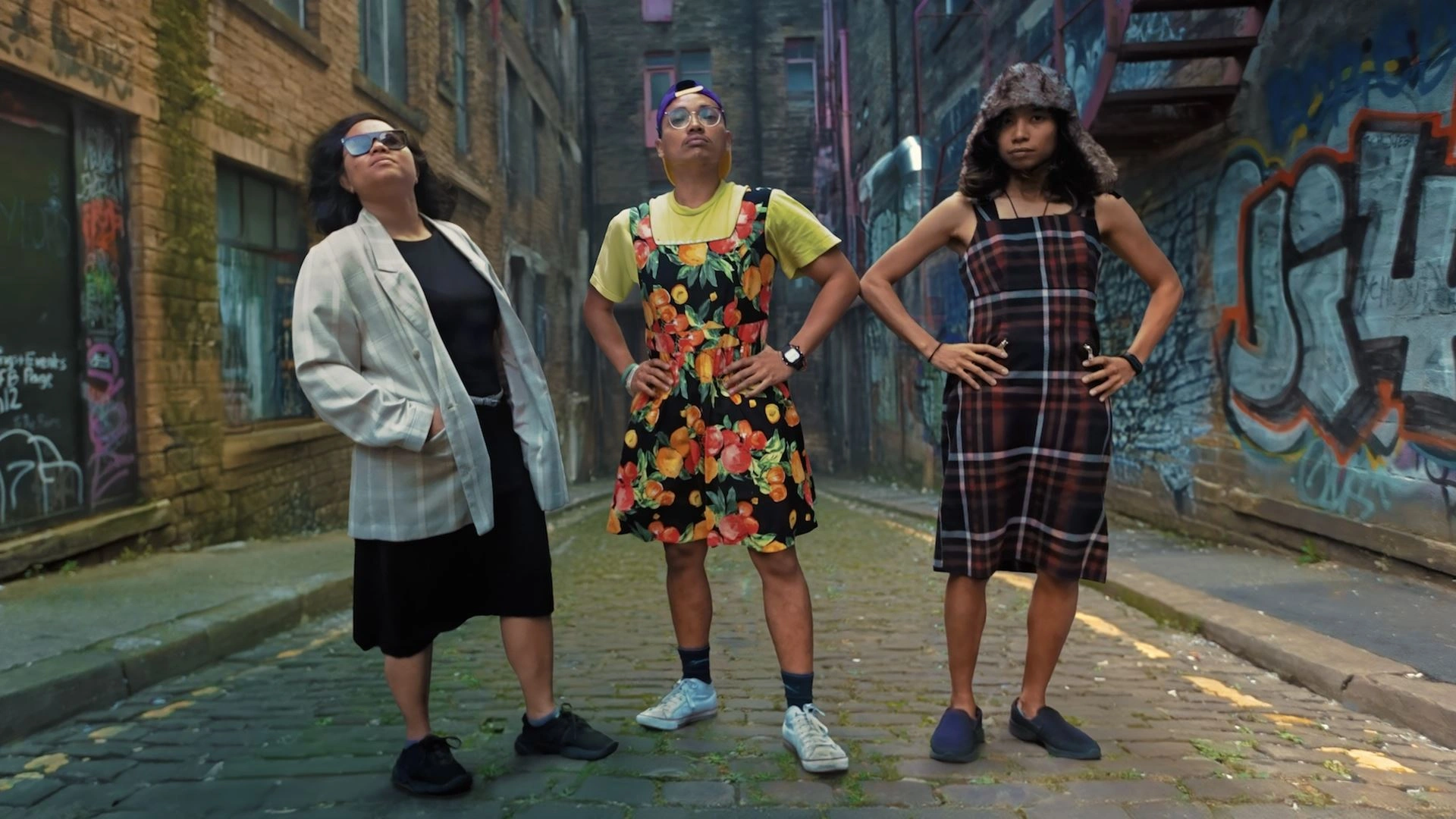

Yihwen Chen’s documentary follows Shh… Diam!, a band whose name translates into a clipped order to stay quiet. The title lands like a retort to the social pressure and legal danger facing Malaysia’s queer community. Filmed across six years, the work catches a pivotal period of national change and keeps its gaze close to the people living through it.
The band exists in a country where queer identity is criminalized, and Chen follows its members through underground gigs, street demonstrations, private routines, and public acts of defiance. The result carries the charge of witness.
It studies artists discovering the force of their own voices, and it preserves the record of a community pressed by state-sponsored prejudice. By placing domestic moments beside stage lights and protest crowds, Chen clarifies the stakes. For these musicians, sound becomes a means of survival. Their songs rise against the hostile noise surrounding them.
Kinship Beyond Blood
Faris Saad leads the group with piercing wit, giving the film much of its verbal spark and intellectual weight. He speaks about his transition with a directness that refuses the familiar framing of tragedy. Chen documents his testosterone treatments and his path toward top surgery as markers of self-realization, shaped by joy and resolve. Those gains meet the blunt machinery of administration.

Faris’s physical appearance does not match the gender marker on his government identity card, a bureaucratic barrier that restricts his role in civic life, including his ability to vote. He stays sharp, funny, and keenly aware of the absurdities surrounding him.
Yon and Yoyo stand beside him, bandmates who reject the quiet social roles assigned to women. Their connection exceeds the terms of professional collaboration. Chen frames the group as a chosen family, a shelter formed after biological ties have been damaged by homophobia. Yoyo’s wedding becomes the film’s high point of communal celebration, a scene where the collective claims pleasure with radiant conviction.
The shared kitchens, cramped cars, and casual exchanges carry as much force as the performances. These spaces give the members room to live free from the armor demanded in public. Their care for one another supplies the film’s emotional engine and the foundation of their resistance.
The Politics of Presence
Malaysia’s legal system creates a tense daily reality for Chen’s subjects. The film registers the coexistence of colonial-era statutes and religious Sharia law, allowing political pressure to enter through lived experience. One of the most painful moments comes as the group absorbs news of a lesbian couple caned in the state of Terengganu. The reaction is immediate and bodily, grief turning into a need to make art spacious enough to hold trauma.
The documentary also follows the unstable weather of national hope. The 2018 election suggests a possible rupture after sixty years of conservative rule, and that first optimism carries an electric pulse. Later years expose the old guard’s stubborn survival. By 2022, the political landscape remains fraught, and the film gives attention to a growing trend known as pink migration.
Queer citizens leave Malaysia to seek asylum in more permissive societies. Faris watches his social circle contract as friends depart in search of safer futures. The pandemic years sharpen the loss, with empty streets and digital calls stressing the loneliness of staying behind.
Remaining in place becomes a political act. The subjects occupy the nation through visibility, movement, and refusal. Their presence at pro-democracy marches connects their specific struggle to a wider demand for justice, and the film treats that presence as a form of speech. Bodies in the street carry meaning before a lyric is sung.
Gritty Rhythms and Satirical Stings
The film’s visual texture matches the DIY spirit of the music. Chen uses a handheld camera to build a verité style grounded in proximity. The images often look gritty and dark, shaped by the dim underground venues where Shh… Diam! finds its audience. That rawness gives the film a feeling of closeness, a sense that the camera has slipped into rooms where trust has already been earned.
The pacing resists the usual rush of music documentaries. Chen sets high-energy concert material beside extended observations of ordinary routines, giving daily life its full dramatic weight. The music carries a distinct 60s Californian punk influence, a bright sound sharpened into social commentary. “Lonely Lesbian” becomes a model of the band’s tactical humor. Shh… Diam! takes language used by right-wing media to mock queer people and recasts it as celebratory satire, draining the insult of its intended force.
Every cramped club set and public protest performance works as a declaration of autonomy. The film presents art as witness to the human spirit, with performance transforming discrimination’s pain into public joy. These renegade spirits draw strength from the very sounds their critics want silenced. Their music becomes a shield, a megaphone, and a living proof of refusal.
This documentary follows the Malaysian punk band Shh… Diam! as they face severe legal and social challenges in their home country. The production captures six years of performances and personal growth, highlighting the reality of living in a nation where queer identities are criminalized. It premiered at the 2025 Berlin International Film Festival and arrived in UK theaters this May 2026. Audiences can currently catch the film through specialized screenings and festival circuits, such as the Queer East Festival, while digital distribution remains managed by international sales agents.
Full Credits
Title: Queer as Punk
Distributor: Mediawan Rights, Talamedia, Locke Films
Release date: February 20, 2025 (Berlinale), May 15, 2026 (United Kingdom)
Rating: TV-MA
Running time: 88 minutes
Director: Yihwen Chen
Writers: Yihwen Chen
Producers and Executive Producers: Yihwen Chen, Mandy Marahimin
Cast: Faris Saad, Yon, Yoyo
Director of Photography (Cinematographer): Yihwen Chen
Editors: Angen Sodo, Yihwen Chen
Composer: Shh… Diam!
The Review
Queer as Punk
Yihwen Chen provides a raw look at resistance through the lens of a punk band. The film avoids the traps of sentimentality by focusing on the sharp wit and lived reality of Faris Saad. It balances the weight of legal repression with the energy of a chosen family. This is a vital record of queer defiance. It remains an essential watch for those who value stories about the power of staying loud.
PROS
- The sharp wit of Faris Saad anchors the story.
- Honest portrayal of the emotional toll caused by mass migration.
- Effective use of satirical music to counter state prejudice.
- Intimate cinematography that feels unforced.
CONS
- The slow pacing of observational scenes might feel sluggish to some.
- Limited background information on secondary figures.