

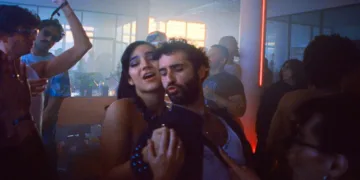


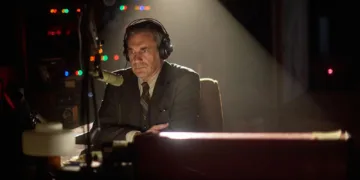


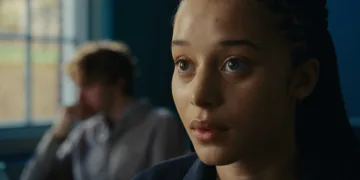





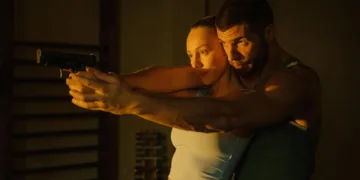







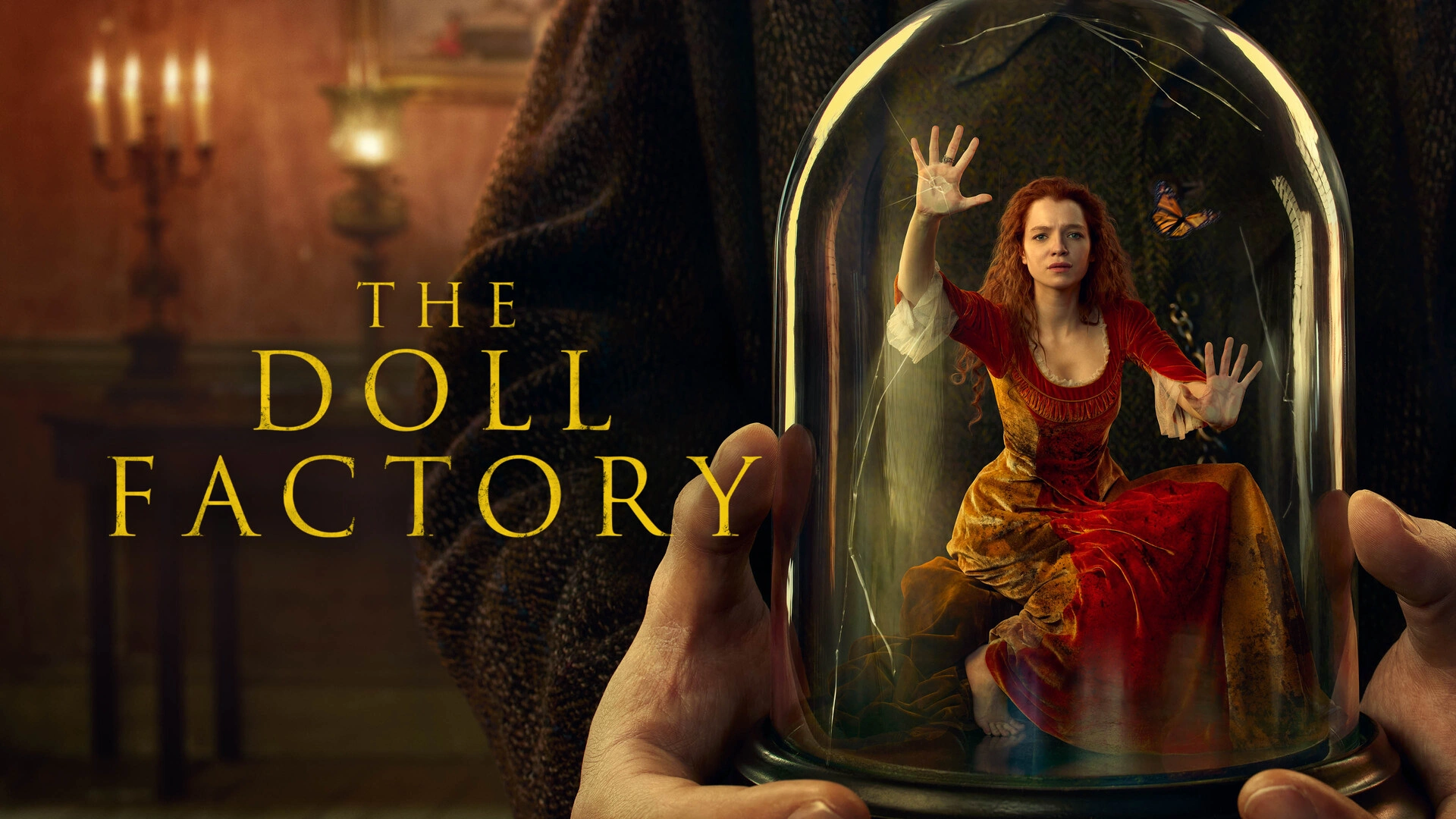

The Doll Factory arrives as a six-part Victorian gothic drama built from porcelain, paint, flesh, and fixation. Adapted from Elizabeth Macneal’s novel, the series takes place in 1850s London, where the promise of the Great Exhibition hangs over a city already crowded with curiosity shops, anatomy rooms, brothels, studios, and narrow rooms where women work under the weight of debt and expectation.
At the center is Iris Whittle, played by Esmé Creed-Miles, a young woman employed as a painter of porcelain dolls. Her task is grimly intimate: she and her twin sister Rose recreate the faces of dead children on doll heads for mourning parents. The work turns grief into merchandise, memory into craft, and childhood into an object that can be held, purchased, and displayed.
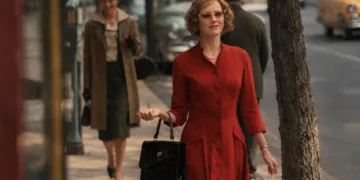
Iris wants a different life. She wants to paint, to study, to claim a space in a world that treats women as muses, models, specimens, and possessions. Around her, men look, collect, dissect, and desire. The Doll Factory turns that gaze into its central threat.
Art, Ownership, and the Price of Being Seen
Iris’s ambition gives the series its sharpest pulse. She is poor, female, and locked out of the artistic world by class and gender, yet she carries herself with an intelligence that refuses to shrink. Her escape seems to arrive through Louis Frost, a Pre-Raphaelite painter who wants her as his model. Their bargain is simple on the surface: she will pose for him if he teaches her to paint. Beneath that exchange sits the cruel logic of the society around them. Iris can enter the art world only by first becoming an image for a man to shape.
Louis is charming, arrogant, and morally slippery, the kind of artist who can mistake appetite for vision. His studio offers Iris education and risk in the same breath. The series understands that being seen can be a form of power, yet it can also become exposure, vulnerability, and capture.
Rose gives Iris’s story a more painful emotional charge. Scarred by smallpox, she has retreated into bitterness and fear, clinging to the small life she shares with her sister. Her resentment is not simple jealousy. It is the grief of someone who has been told that beauty, marriage, and public life no longer belong to her. Iris’s hunger for freedom leaves Rose behind, and the series treats that fracture with genuine ache.
Then there is Silas Reed, the taxidermist whose fascination with Iris curdles into obsession. Through him, The Doll Factory draws its clearest line between desire and possession. Silas preserves bodies, stuffs animals, studies death, and treats beauty as something to be trapped before it changes. Around him, the show’s recurring objects gain force: dolls, paintings, specimens, models. Women’s bodies are looked at, arranged, copied, and consumed.
Candlelight, Blood, and Gothic Texture
The most seductive quality of The Doll Factory is its atmosphere. The series has a painterly gloom, thick with candlelight, fogged glass, polished doll heads, and rooms that seem to close around the characters. Present-day Dublin makes a persuasive stand-in for Victorian London, giving the setting a damp, cramped physicality. Streets feel cold. Interiors feel airless. Studios, pubs, brothels, and shops appear less like social spaces than traps with better lighting.
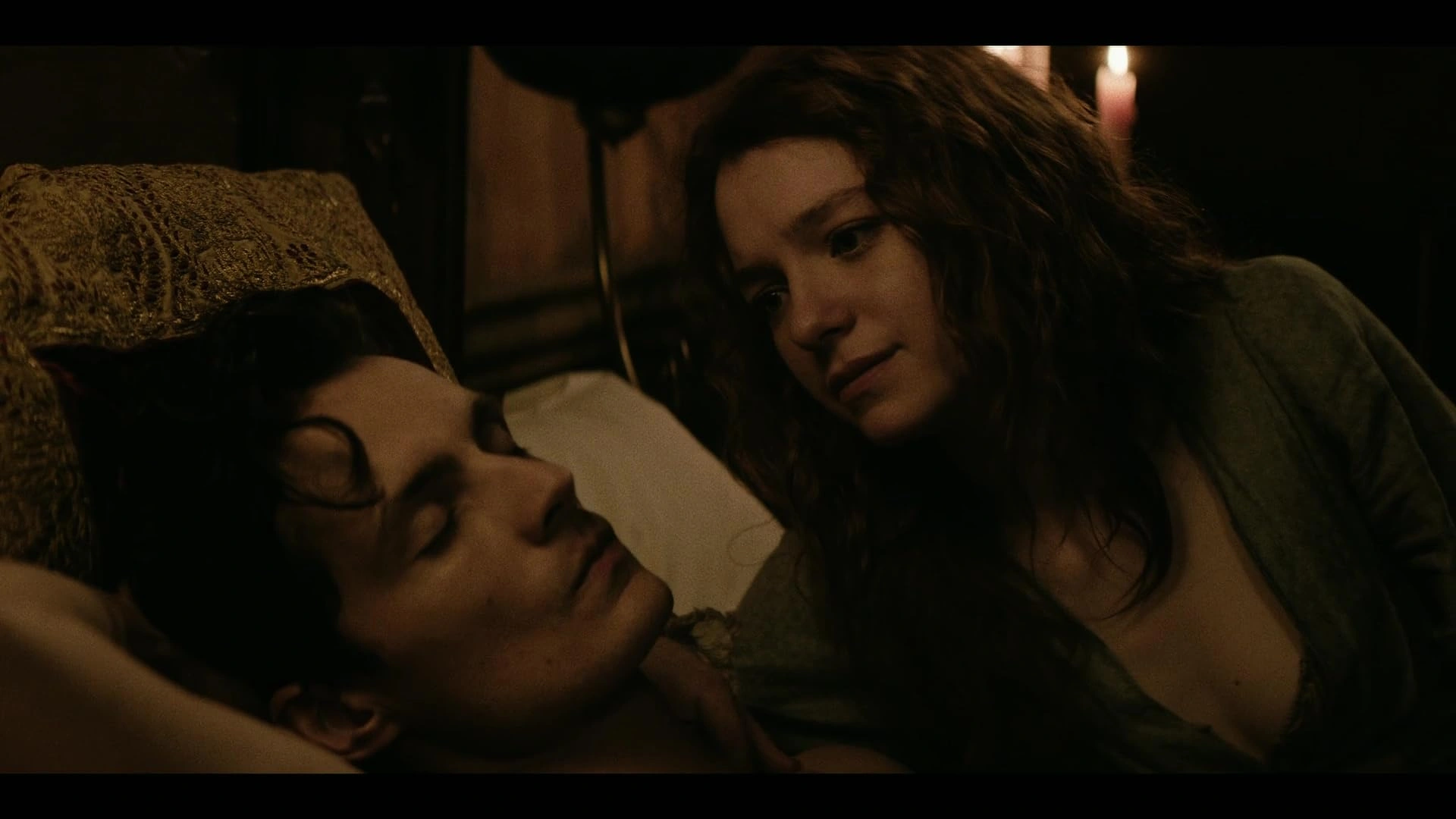
The dolls provide the show’s most unsettling image. Their faces are smooth, pale, and lifeless, made to imitate children who are gone. They turn mourning into performance, and they give the series a quietly grotesque foundation before the plot reaches its more explicit horrors.
Those horrors arrive through taxidermy, specimen jars, vivisection, anatomy lessons, and a graphic amputation scene that makes the body feel brutally available. The polite surfaces of art and science keep giving way to flesh. The series is at its strongest when it lets that connection breathe: the painter’s studio and the anatomy room begin to look like neighboring chambers of the same culture.
Director Sacha Polak leans into touch and proximity. Close-ups of hands, skin, faces, and restrained bodies give the drama a feverish charge. The show slips between romantic imagery and violent fantasy, letting imagined revenge flare before reality snaps back into place. At times, mood carries more weight than plot, which may frustrate viewers looking for a brisk thriller. For those drawn to slow gothic unease, the texture has its own dark pleasure.
Slow Fire, Strong Faces, Uneven Shadows
The series does take time to gather force. Its first episode spends much of its energy arranging the board: Iris in the doll shop, Rose in her sorrow, Louis in the art world, Silas in his private museum of longing and decay. The opening has atmosphere to spare, yet the drama can feel stalled while it places each symbol under glass.
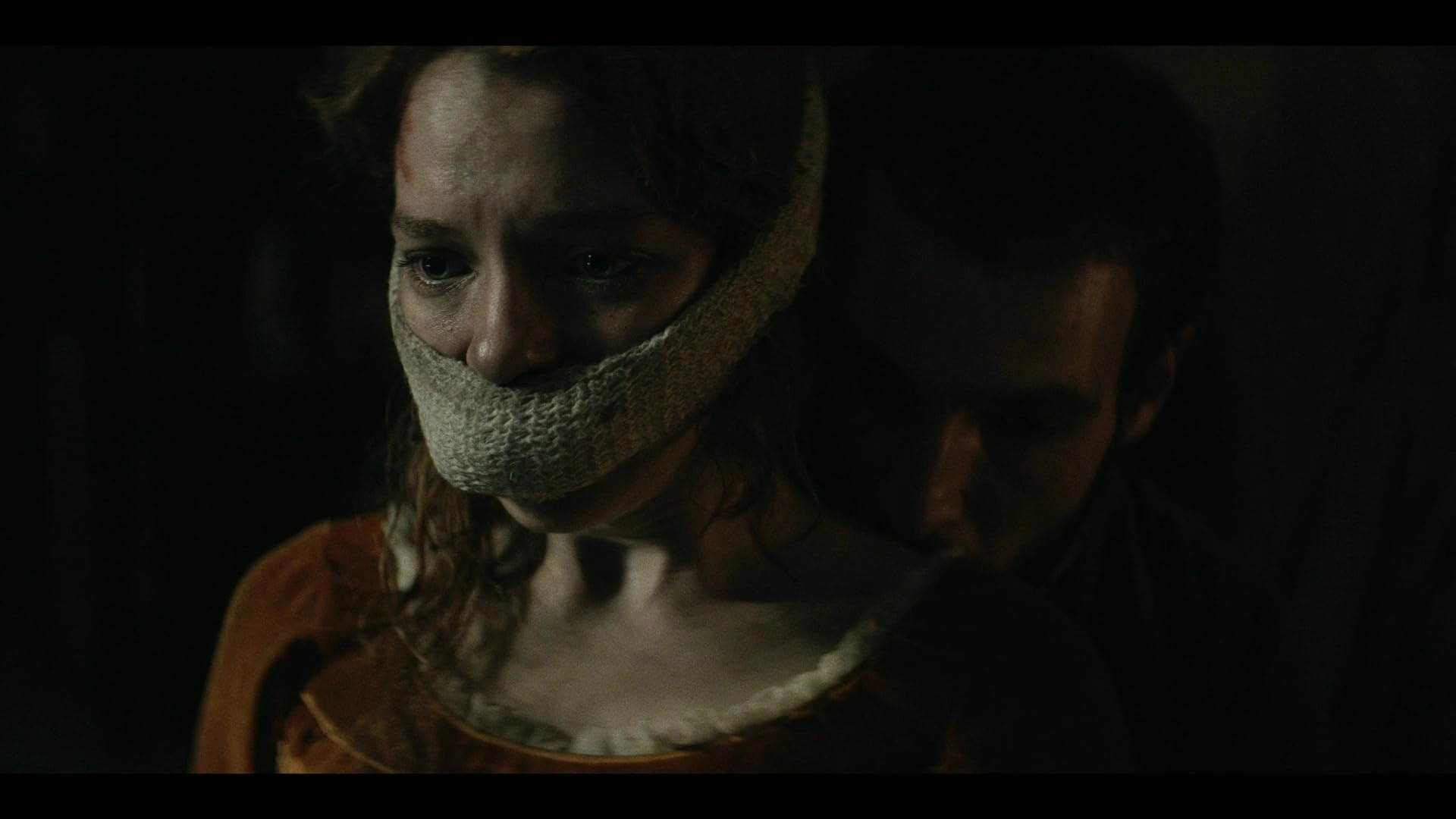
The second episode brings sharper menace. Grim visions, bodily horror, and the growing sense of threat around Iris give the story a stronger rhythm. Still, The Doll Factory sometimes moves too heavily through its own gloom. Scenes linger on faces in shadow and rooms full of dread when the plot needs firmer pressure. Its symbolism can become blunt, especially as Silas’s villainy grows less ambiguous.
The performances keep the series alive through those stretches. Esmé Creed-Miles gives Iris a bright, restless intelligence, making her hunger for art feel urgent rather than decorative. She plays Iris as spirited without turning her into a modern figure dropped into period costume. Mirren Mack gives Rose a wounded severity, letting pain harden into control. Their sisterhood feels strained by love, envy, fear, and abandonment.
Éanna Hardwicke makes Silas eerie and memorable, though the role sometimes announces its menace too loudly. George Webster’s Louis has the right mix of vanity, charm, and danger, suggesting a man whose taste may be inseparable from entitlement.
The Doll Factory works best as a dark study of artistic ambition and obsession. Its pacing falters, its final stretch leans toward theatrical excess, and its gothic symbols can feel heavy in the hand. Yet its imagery lingers: porcelain faces, red hair, stained fingers, preserved bodies, and a woman trying to become an artist before the world turns her into an object.
The Doll Factory is a British period thriller adapted from Elizabeth Macneal’s novel of the same name. The six-part series premiered on Paramount+ in the UK and Ireland on November 27, 2023, with the full season available from December 1, 2023. Set in 1850s London, the story follows Iris, a young doll painter who dreams of becoming an artist while her life becomes entangled with a taxidermist and a Pre-Raphaelite painter. The series is available through Paramount+ in selected regions, SBS On Demand in Australia, and other regional platforms depending on location.
Full Credits
- Title: The Doll Factory
- Distributor: Paramount+, Cineflix Rights
- Release date: November 27, 2023
- Rating: 18, 18+
- Running time: 6 episodes, approximately 49 to 60 minutes each
- Director: Sacha Polak, Cathy Brady
- Writers: Charley Miles, Elizabeth Macneal
- Producers and Executive Producers: Suzanne McAuley, Tony Wood, Anna Burns, Richard Tulk-Hart, Charley Miles, Elizabeth Macneal
- Cast: Esmé Creed-Miles, Éanna Hardwicke, Mirren Mack, George Webster, Pippa Haywood, Sharlene Whyte, Reece Kenwyne-Mpudzi, Freddy Carter, Saoirse-Monica Jackson, Laurie Kynaston, Jim Caesar, Akshay Khanna, Aysha Kala, Nell Hudson
- Director of Photography: Tibor Dingelstad, Peter Robertson
- Editors: Liana Del Giudice, Derek Holland
- Composer: Lele Marchitelli
The Review
The Doll Factory
The Doll Factory is a richly atmospheric Victorian gothic drama with striking imagery, strong performances, and a sharp understanding of obsession, art, and control. Its slow pacing and heavy symbolism can dull the tension, especially in the early stretch, yet its candlelit dread, porcelain horror, and Esmé Creed-Miles’ magnetic lead performance give it a haunting pull. It works best for viewers drawn to mood, menace, and dark period storytelling.
PROS
- Strong lead performance from Esmé Creed-Miles
- Eerie Victorian atmosphere
- Memorable gothic imagery
- Smart themes around art, gender, and possession
- Effective use of dolls, taxidermy, and body horror
CONS
- Slow first episode
- Some symbolism feels too heavy
- Silas can feel too obviously villainous
- Plot sometimes loses pace beneath the mood
- Final stretch leans into theatrical excess