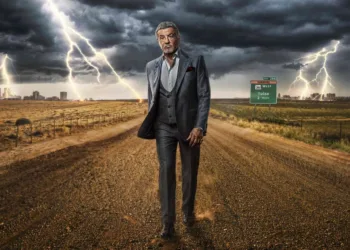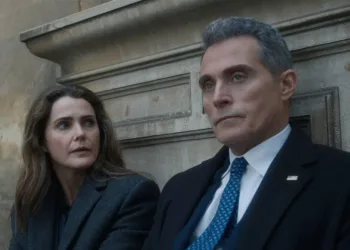


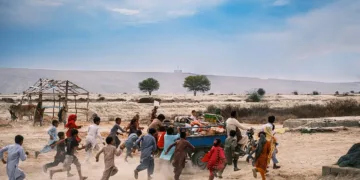









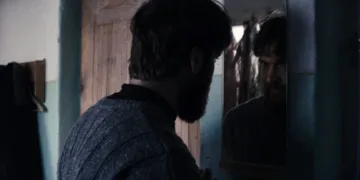
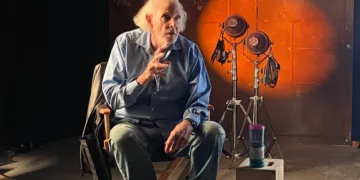








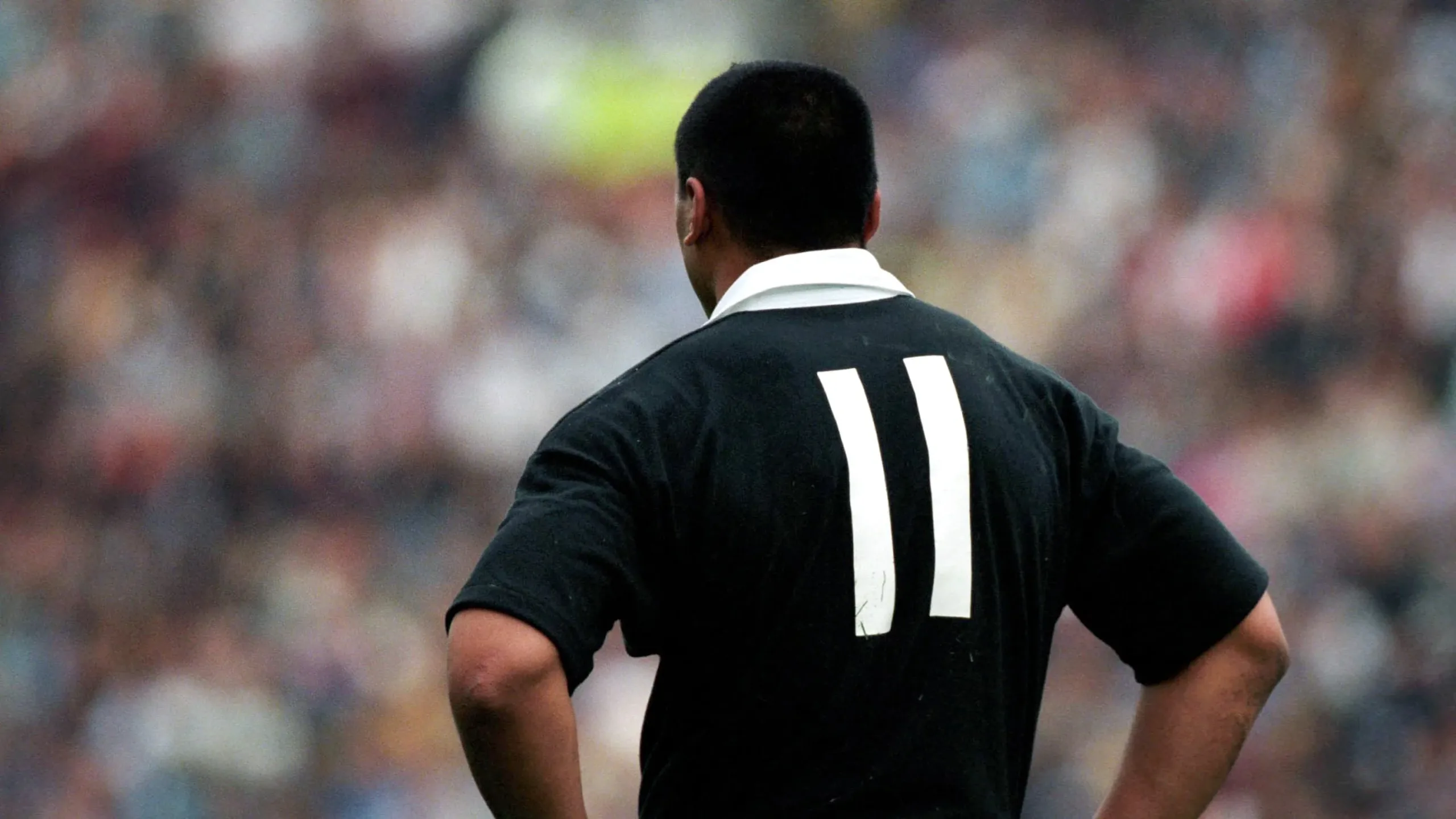

The most revealing images in Lomu are not the ones where Jonah Lomu tears through defenders. They are the quieter frames surrounding those moments: a young man caught between inherited traditions, public expectation and a body that would eventually betray him. Directors Gavin Fitzgerald and Vea Mafile’o approach their subject as a figure shaped by competing forces, using four chapters marked by Tongan proverbs to examine a life that could never be contained by a rugby field.
The documentary understands the danger of turning an athlete into a monument. Monuments are clean. Lomu was not. He was a Tongan son raised in New Zealand, a religious child shaped by discipline and pain, a global celebrity who often kept his private struggles hidden behind a calm exterior. The camera repeatedly returns to that divide. The legend stands in the light. The person remains harder to see.
The Anatomy of a Rugby Myth
The sporting footage carries a strange unreality. Lomu appears almost like an error in the physical design of rugby itself: a 6’5″ winger with the force of a forward and the speed of a sprinter. Fitzgerald and Mafile’o let archival material do much of the work, allowing the collision between size and movement to create its own argument.
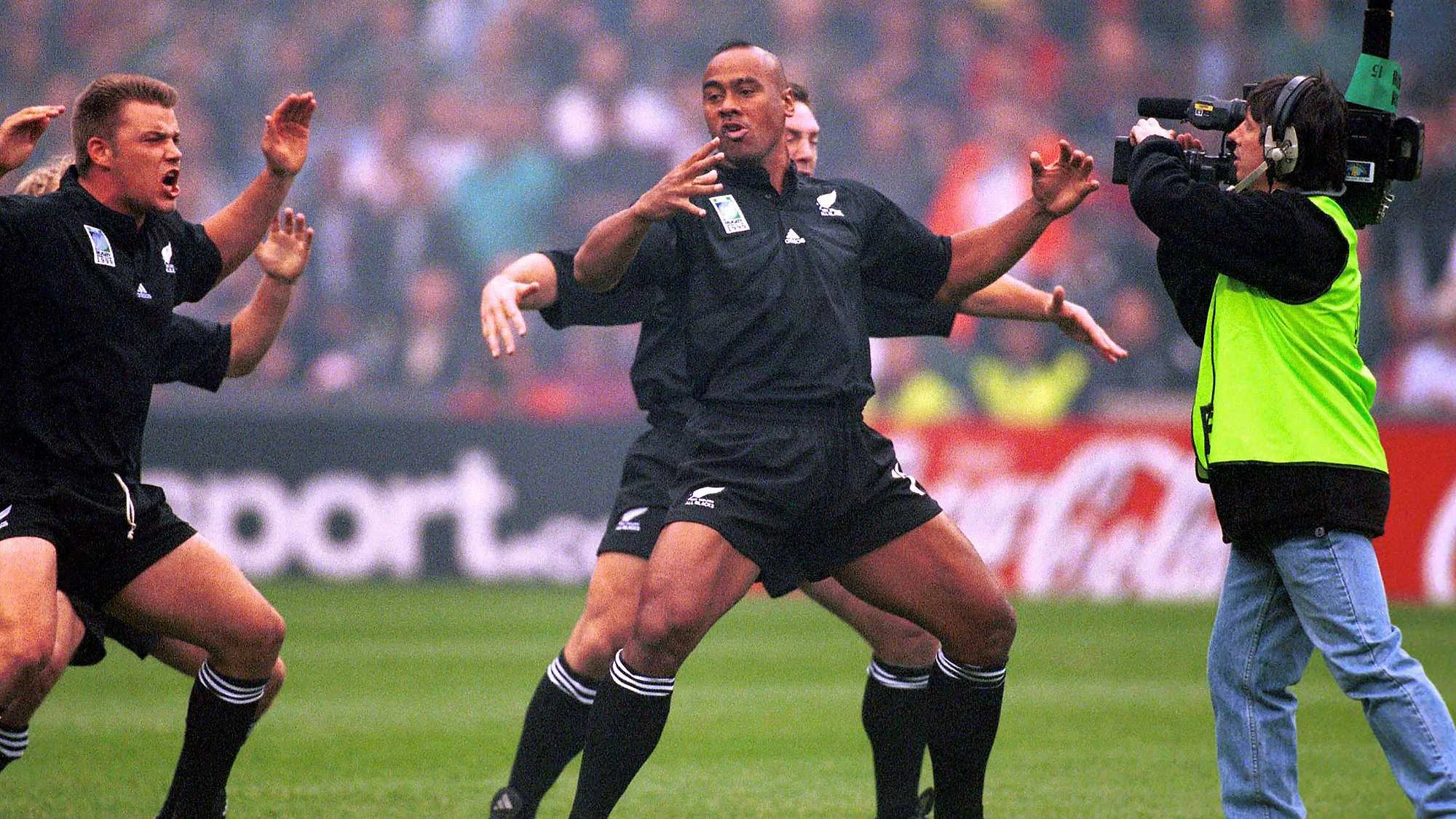
His 1995 World Cup performances remain the documentary’s most electric passages. The footage of him scoring four tries against England in the semifinal captures a player who changed how the world viewed rugby. The field becomes a space where ordinary rules briefly stop applying. Defenders approach him with the expected calculations of contact sport, then discover those calculations no longer function.
Yet the film places a darker image beside this sporting miracle. Around the same time Lomu became an international icon, doctors diagnosed him with nephrotic syndrome. The body that made him famous had already started carrying a hidden burden. The documentary’s strongest visual idea comes from this contradiction. The athlete appears unstoppable on screen, while the person behind the performance is fighting a battle invisible to everyone watching.
A Man Divided by Inheritance
The film’s most interesting passages move away from rugby and into the complicated spaces between family, culture and identity. Lomu’s childhood in Tonga and New Zealand created a permanent tension between two worlds. His Tongan heritage gave him a connection to ancestry and community, yet returning to New Zealand placed him inside a society where Pasifika identity carried its own struggles.
His relationship with his father, Semisi, becomes one of the film’s most difficult threads. The strict religious environment of his upbringing existed alongside domestic violence and emotional distance. Later reconciliation adds another shade to the portrait, refusing the easier version of a broken family story.
Fitzgerald and Mafile’o frame these memories without turning them into simple explanations. A person cannot be reduced to a single wound. Lomu’s choices in adulthood, including his marriages and his relationship with family expectations, remain filled with contradictions.
His mother Hepi provides some of the documentary’s most intimate testimony. Her pain after learning of Lomu’s first marriage without his parents being informed reveals the distance that fame created. The film suggests that the closer the world came to knowing Jonah Lomu the rugby player, the harder it became to reach Jonah Lomu the person.
The Rooms Left Unlit
The documentary’s greatest weakness comes from the spaces it cannot enter. Lomu’s widow and sons are absent, leaving some of the most personal parts of his life surrounded by locked doors. The film raises questions about his marriages, finances and emotional isolation, yet several of those questions remain suspended.
This absence gives the film a strange noir quality. The shadows are not accidental. They are built into the structure. We see the outlines of conflicts, but the missing voices prevent a complete reconstruction.
Still, the film finds power in uncertainty. Lomu himself was known as someone who separated different parts of his existence. The documentary mirrors that separation through its own limitations.
The final movement around his memorial service at Eden Park is where the public image and private tensions collide. The ceremony becomes a portrait of national grief mixed with unresolved family disputes. The crowd sees a hero. Those closest to him carry a more complicated memory. The camera lingers on that contradiction. A stadium full of people can honor a man and still fail to fully know him. That is the haunting question left behind by Lomu.
Lomu premiered in cinemas on September 3, 2026. The documentary feature provides a comprehensive look at the life and career of legendary New Zealand rugby union player Jonah Lomu, tracing his rise to international stardom and his private battles.
Full Credits
Title: Lomu
Distributor: Velvet Moss, Sylver Entertainment
Release date: September 3, 2026
Running time: 1 hour 47 minutes
Director: Gavin Fitzgerald, Vea Mafile’o
Producers and Executive Producers: Simon Lazenby, Victoria Barrell, Emma Slade, Victoria Dabbs
Cast: Jonah Lomu, Hepi Lomu, John Lomu, Vikki Kingsley Jones, Laurie Mains
Director of Photography (Cinematographer): Dominic Fryer
Editors: Iseult Howlett
Composer: Tom Hodge
The Review
Lomu
Lomu frames a sporting titan through shadows that the stadium lights could never reveal. Its rugby footage carries the force of myth, while its quieter passages expose a man divided by identity, illness and expectation. The documentary’s missing voices leave some rooms locked, yet the portrait remains haunting.
PROS
- Powerful match archives
- Complex cultural portrait
- Emotional family material
- Strong visual structure
CONS
- Missing key personal voices
- Limited private access
- Uneven character exploration